Tag: women

  • Civilians to be tried in military court; Supreme Court decides

    Civilians to be tried in military court; Supreme Court decides

    The Supreme Court has, by a majority of 5-1, suspended its October 23 order that declared the trials of civilians in military courts null and void regarding the May 9 riots.

    The decision came in response to intra-court appeals (ICAs) filed by the federal and provincial governments, as well as the defense ministry, challenging the earlier verdict.

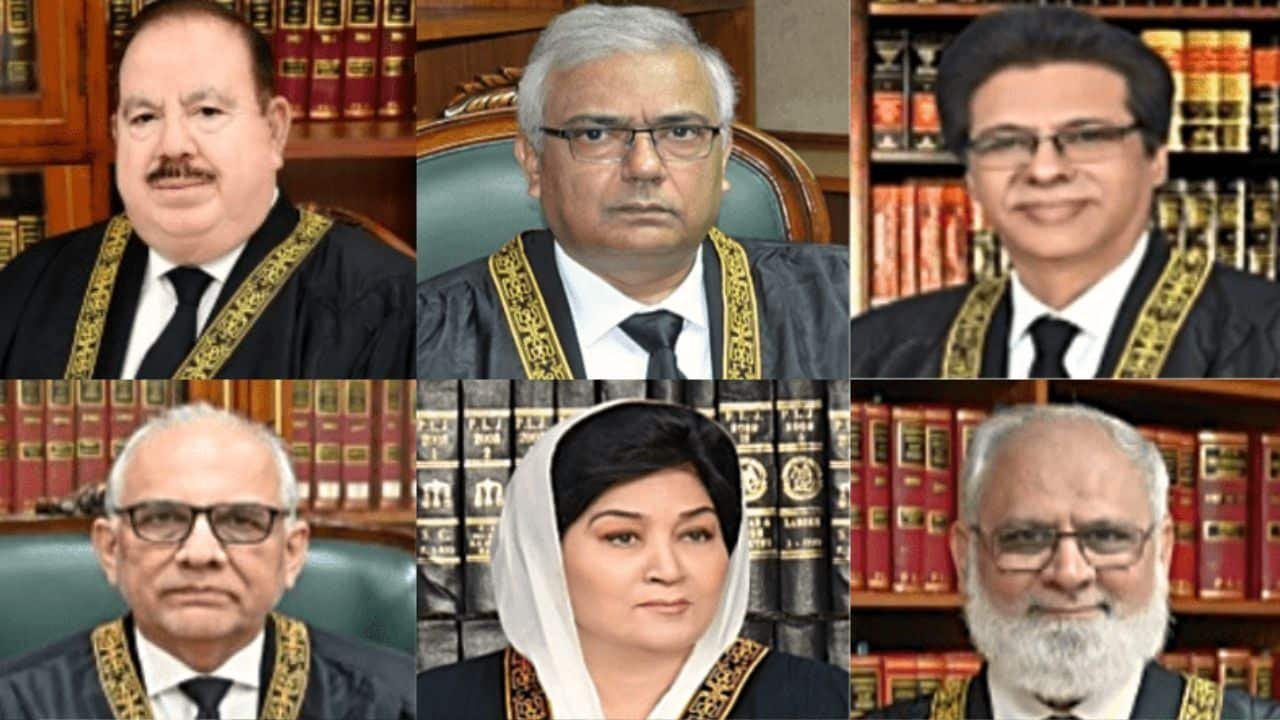
    A six-member bench of the Supreme Court, headed by Justice Sardar Tariq Masood and comprising Justice Aminuddin Khan, Justice Muhammad Ali Mazhar, Justice Syed Hasan Azhar Rizvi, Justice Musarrat Hilali, and Justice Irfan Saadat Khan heard the set of intra-court appeals.

    Justice Hilali differed with the majority decision.

    On October 23, a five-member apex court bench headed by Justice Ahsan unanimously admitted the pleas and nullified the government’s decision to try civilians in military courts in connection with the May 9 riots which erupted after the arrest of Pakistan Tehreek-e-Insaf (PTI)-then chairman Imran Khan.

    Four judges out of the five declared that Section 2(1)(d) of the Army Act and 59(4) (civil offences) are “ultra vires the Constitution and of no legal effect”.

    “Without prejudice to the generality of the foregoing the trials of civilians and accused persons, being around 103 persons […] shall be tried by criminal courts of competent jurisdiction established under the ordinary and/or special law of the land in relation to such offences of which they may stand accused,” the short order read.

    Following its verdict, the federal and the provincial governments along with the defence ministry filed intra-court appeals (ICAs). However, the caretaker government of Sindh refused to file any plea against the SC order.

    Justice Masood, who faced objections regarding his inclusion in the bench, refused to recuse himself.

    Former Chief Justice Jawwad S Khawaja and others had raised concerns about Justice Masood’s previous expressions on the matter, but the judge maintained his position.

    The Supreme Court’s recent decision to suspend the October 23 verdict means that the trials of 103 civilians will continue, with the final ruling conditional upon the Supreme Court’s subsequent orders.

  • Allocation of spaces for women in mosques across Sindh

    The Sindh government has announced that it will allocate a place for women to pray in all mosques in the province.

    A meeting was held under the chairmanship of Provincial Minister of Law and Awqaf, Umar Soomro, in which he asserted that a separate place should be allocated for women in 77 mosques.

    He has asked that the process of data collection of registered and unregistered mosques and madrassas should be speeded up.

    He also said that the Awqaf Department should initiate a dialogue with religious affairs and all stakeholders, further suggesting that technical skill programs and IT courses should also be introduced in madrassas in consultation with religious scholars.

    As per the briefing, 8,903 madrassas have been registered across Sindh while registration of more mosques and madrassas is underway.

  • Lady health workers standing up for their rights

    Lady health workers standing up for their rights

    “Lady Health Workers (LHWs) should not be asked to do security duty during elections,” said Bushra Arain, Founder and Chairperson of the All Lady Health Workers’ Programme Union (ALPU).

    Acknowledging that other government workers are called in for duty, Bushra Arain pointed out that they are given easier tasks and are trained before the elections. “We are asked to do difficult duties and there is no security or training for LHWs,” she observed.

    As elections are near, Bushra Arain is worried that LHWs will be again asked to work during elections without protection or training.

    “LHWs are already soft targets, and elections in Pakistan are not safe, we worry for our safety,” emphasised Bushra.

    Rubina Ghaffar is an LHW in Karachi, and she was called on election duty in 2018.

    “Elections are near, and many of us are afraid that we will be put on security duty again,” said Rubina, “Last time we were tasked to do two things: count votes and provide security to the polling staff. We were not trained how to do this nor given any protective gear.”

    Rubina continued, “On the morning of election day, a group of us were driven to the polling station early in the morning. Our duty began at 6 am and ended only when we protested and demanded that we be allowed to go home. It was very late in the night”, Rubina said. “We were brought to the polling station in police vehicles but had to go home on our own late at night.”

    Rubina further said, “There was no security at the polling stations and although we were paid Rs4500 as compensation for the duty, it was not enough considering LHWs are already soft targets as we have seen. We were giving the voter list to tally with voters’ ID cards and tally the numbers.”

    She added, “Afterwards we counted the votes, this was checked by the relevant people. We not allowed to leave and were asked to keep sitting despite asking to leave. We were hungry and thirsty; we had not been provided anything throughout the day although the political workers were provided with lunch and tea. We couldn’t even order food as we were not allowed to step out of the polling stations. It was only after we protested, we were allowed to go home. It was quite late, and we had to travel back in small groups.”

    People living in urban areas are probably not interested in the lives and work of LHWs. They may not be disrespectful or disregard LHWs but since most of them don’t have any real interaction with them and may only meet them during a polio campaign, these women remain invisible and faceless to most of the urban population.

    LHWs don’t play an important role for urban dwellers their role is quite significant for slum dwellers in many cities, as well as rural areas where a large section of the population especially women rely on the basic health services LHWs provide. Many of these people have never received proper medical service and LHWs are their link to medicines and vaccinations.

    Former prime minister Benazir Bhutto launched the Lady Health Workers Programme in 1994 and at the end of the programme, LHWs were merged into the health sector. This was the logical step so that these trained community health workers could enhance health services to marginalised communities. However, instead of being beneficial for the LHWs, it only added to their problems.

    “When the LHW programme ended, LHWs were absorbed by the health department. This didn’t help to improve our status. Like other employees of this department, we were government servants but unlike them, we have no benefits like promotions, pensions, or increments. The main reason for this is that we don’t have a proper service structure under which we would be given these rights and benefits,” said Bushra.

    She added, “We are sent to all kinds of “special duties” including election and census duties, but we are not given any training or protection when we are doing security during elections. We worked throughout the pandemic without any protective gear or hand sanitisers. LHWs are vulnerable and we have lost many members to targeted terrorism., it is not fair to send us for election duty without proper training or protective gear.”

    Bushra further said she understands LHWs will be sent on special duties like other government employees, “Why aren’t we given benefits like other members of our department? Why isn’t our service structure made despite the Supreme Court’s orders in 2012? Why are we being deprived of our rights like increments, promotions, and pensions despite the court’s order? Many LHWs have retired without receiving benefits. And when we protest, we are beaten.”

    Elaborating on this, Maqsood Ahmed, trade unionist and trainer, said, “LHWs work in the most deplorable conditions. They do the work of doctors, nurses, counsellors, and community & social workers for marginalised communities. The LHWs do more than they should – this exploitation is only because their service structure has not been enforced.”

    He added, “In March 2013, the Supreme Court ordered that the service structure be made for LHWs, and they be regularised. And after the 18th Amendment, the devolution of 1,56,000 LHWs including supervisors, drivers, and accountants should have been done by the provinces but this has not been done till date.”

    “The Civil Servants Act governs government and public services. Different rules help to determine the number of leaves, pensions, promotions, and other benefits to the employee. Depriving LHWs of their service structure is in contravention of the Apex Court’s orders. Over time more than two to three thousand LHWs have retired increasing the workload. More LHWs should be hired as the population is increasing but this cannot be done until the service structure is made.”

    “If Bushra Arain and ALPU members don’t speak up for their rights no one else will help them,” said Maqsood Ahmed.

    Bushra added to this, “We will continue to speak up for our rights because no one is willing to give them to us despite the court’s order. Our union will keep fighting.”

  • ‘Massive dissapointment’: Malala’s failure to mention genocide in Gaza during lecture has Twitter angry

    ‘Massive dissapointment’: Malala’s failure to mention genocide in Gaza during lecture has Twitter angry

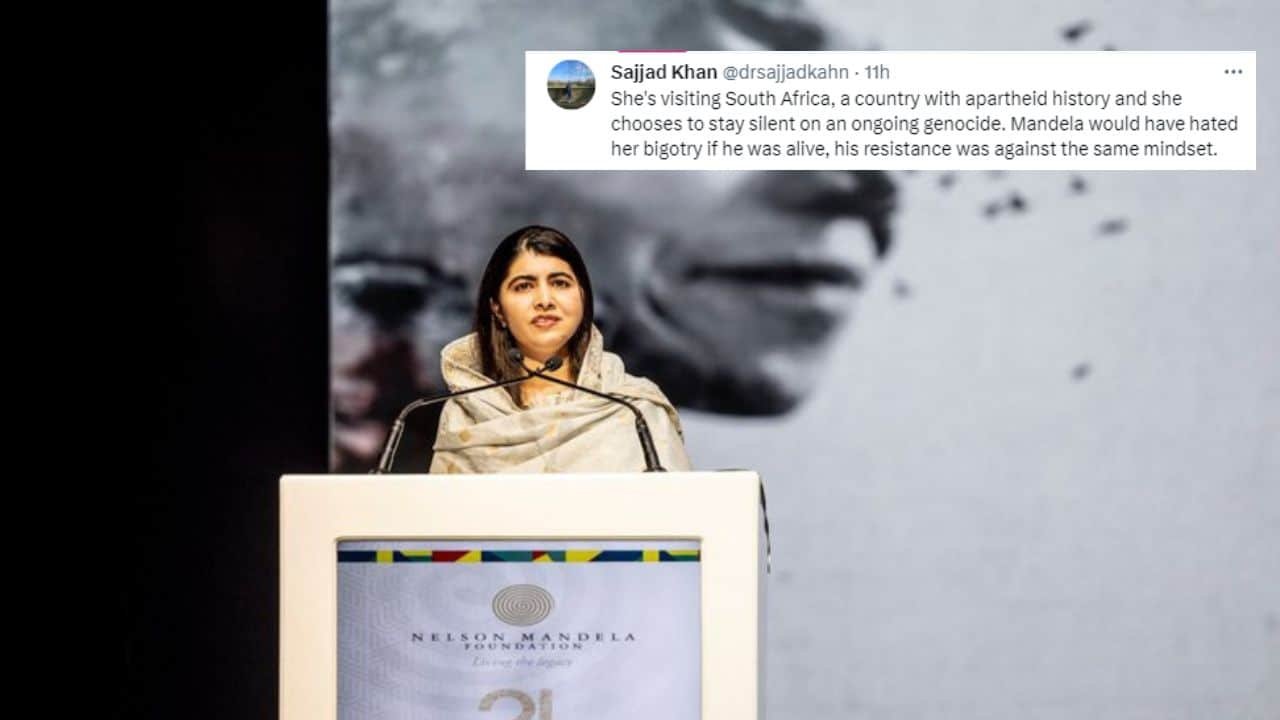
    Girls education activist Malala Yousafzai was selected to give the 21st Nelson Mandela Annual Lecture in Johannesburg. In her speech, the Noble Prize Winner spoke at length about the gender apartheid in Afghanistan against women and girls, with no mention of the genocide of Gaza where the death toll has now crossed 15,000 civilians.

    In an interview with The Associated Press, Malala urged for a ceasefire in Gaza, pointing to attention to the countless schools and homes that have been bombarded in the war, and for war criminals to be held accountable.

    Nelson Mandela was a staunch pro-Palestine supporter, who famously said during his visit to Gaza in 1999 that he “felt at home among compatriots”.

    “There is an apartheid state committing a genocide at the moment which you’ve been disappointingly silent on. If you take away anything from this trip, it should be the courage to speak up about what is happening in the here and now,” wrote a user.

    “Ironic that she mentioned apartheid, reason for Mandela’s struggle, yet not a word about Israel’s apartheid against Palestinians, brutal human rights violation and the ongoing genocide. Nothing but just a mouthpiece can’t be my inspiration anymore,” wrote another user.

    “She’s visiting South Africa, a country with apartheid history and she chooses to stay silent on an ongoing genocide. Mandela would have hated her bigotry if he was alive, his resistance was against the same mindset,” said a tweet.

    Previously Malala released a statement on October 10 grieving for the Palestinian and Israeli children who were caught in the war. Many were quick to slam the feminist activist for failing to recognise that this was a genocide where more Palestinian lives were being lost everyday.

    Many have drawn comparisons between Malala’s silence and climate change activist Greta Thunberg’s outspoken resistance against the genocide of Gaza. Greta published an op-ed for The Guardian where she criticised Israel as the death toll grows in Gaza, with more children passing away from Israeli airstrikes.

  • 10th Shell Tameer Awards – The Brilliance of Future Innovators

    10th Shell Tameer Awards – The Brilliance of Future Innovators

    A visionary concept like that of the likes of Shell’s flagship programme, the Shell Tameer, is one that gives youth a dynamic platform where sustainable, revolutionary, and scaleble ideas can prosper. Shell Tameer Awards is a beacon of hope for innovators and their developmental portfolios designed to fortify economies. Shell Tameer lays the foundation of entrepreneurship, and innovation to create meaningful changes in the country. A nationwide spectacle became the nexus where innovative ideas and creative minds across Pakistan came together to share a platform for the benefit of the country.

    Shell Tameer Awards 2023 saw a plethora of impeccable ideas poised to redefine Pakistan’s trajectory of progress. These ideas promise to bring transformative solutions to the challenges faced by the nation and its people, acting as a catalyst for economic growth.

    Diverse in scope and impact, the Shell Tameer Awards boast a spectrum of categories that mirror the multifaceted challenges and opportunities of our time, let’s shed some light on a few of many extraordinary visions that we encountered on the 10th Shell Tameer Awards.

    Clean Energy Solutions

    Clean Energy Jamal Ahmed – Solar Safe – A pioneering startup from Peshawar, specialising in solar panel cleaning, maintenance, and repair services for solar PV systems. It aligns with the principles of sustainability and circular economy by extending up to 10 years the lifespan of solar panels and maximising the energy of energy production.

    Sheraz Khalid – ECO CHAR – An environmentally friendly clean-tech based charcoal manufacturer that addresses the issue of sub-standard fuel in domestic, industrial, and commercial sectors.

    Empowering Women

    Shehnaz Akhtar – HALANCE NATURALS PVT LTD – A company that works towards creating natural and clean skincare, hair oils and essential soaps, scrubs, and shampoos nurtured through organically grown fruit goodness that grows from pesticide-free farming.

    Technology Innovation

    Farha Masood – BIO-NANO INNOVATIONS – A young startup developing specialised wound dressing for diabetic patients who consistently face issues of foot ulcers, bacterial invasion, and infections. The business aims to commercialize affordable adhesive dressings to provide aseptic conditions and promote wound healing for diabetic patients.

    Abdul Hanan – Softwares Solution – A smart system designed to serve over 70 million people suffering from stammer/stutter by taking voice input and predicting the next word/sentence as transcribed output.

    Anjum Javed – AGRIBOTX – Forefront runner of a transformative solution – Precision Robotics for future farming harnessed with cutting-edge technology, AI, and data-driven insights to develop a comprehensive suite of robotic solutions.

    Circular Economy

    Humza Rehman – RDUINOTRONICS – A high-quality filaments producer that uses discarded plastic bottles to manufacture filaments suitable for 3D printers, hence addressing the issue of plastic waste and fulfilling the need for more accessible and cost-effective filaments.

    Bushra Ali Khan – BAAZYAFT – An eco-friendly initiative where underprivileged communities, including transgenders and deserving females, produce home accessories, stationery items, and fashion accessories from textile waste.

    The Shell Tameer Awards extend beyond the winner’s podium, all 30 finalists benefit from global consultancy, exposure, and constructive feedback from industry leaders, helping them progress their business and further their ideas from concept to reality.

    Shell Tameer emerges as a catalyst for entrepreneurship and a flag-bearer of creative potential across Pakistan. It empowers leaders, game-changers, and trailblazers to shape national economic growth. Two decades on, the program continues to foster innovative solutions, building a modern, convenient, and vibrant ecosystem that propels the future of the nation. As we celebrate another successful year of the 10th Shell Tameer Awards, we eagerly anticipate the untold stories and hidden brilliance that will shape the next chapter of Pakistan’s journey towards progress and innovation.

    AD

  • Hajjis to get mobile sims and free internet

    Hajjis to get mobile sims and free internet

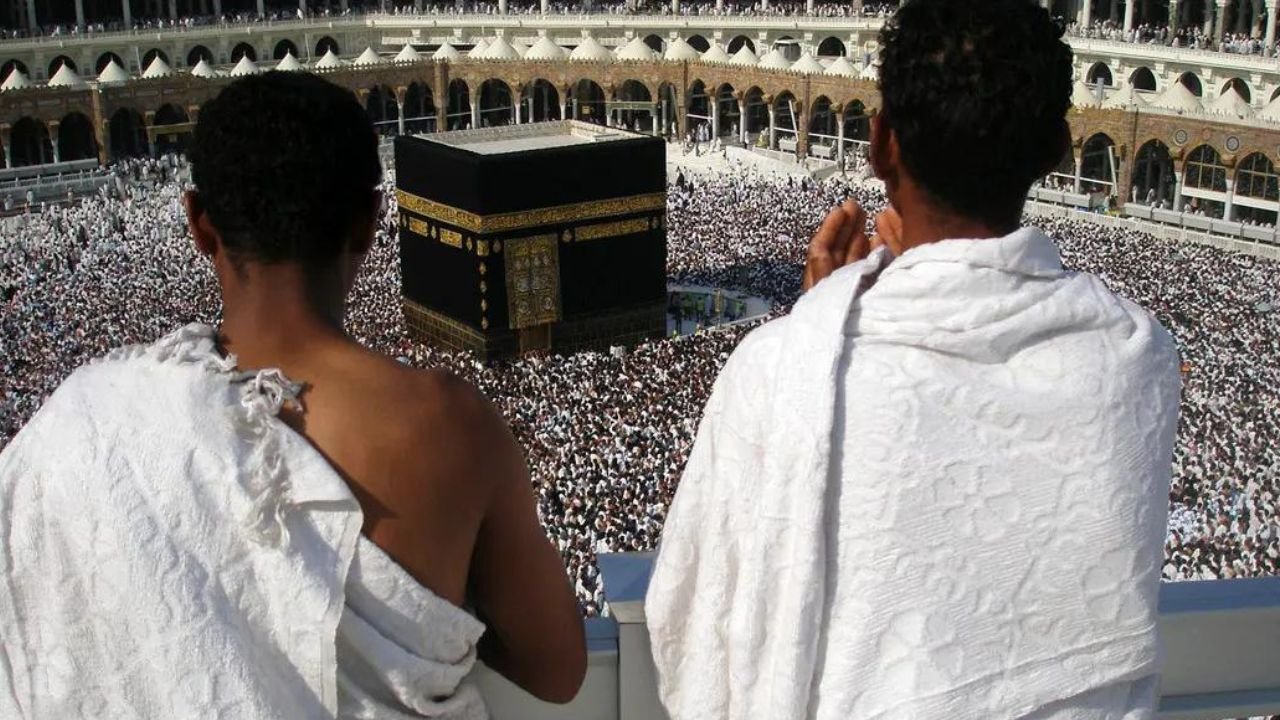
    Caretaker Minister for Religious Affairs and Inter-faith Harmony Aneeq Ahmed has said that the government will provide free-of-cost mobile SIMs with roaming internet packages for pilgrims, on Tuesday.

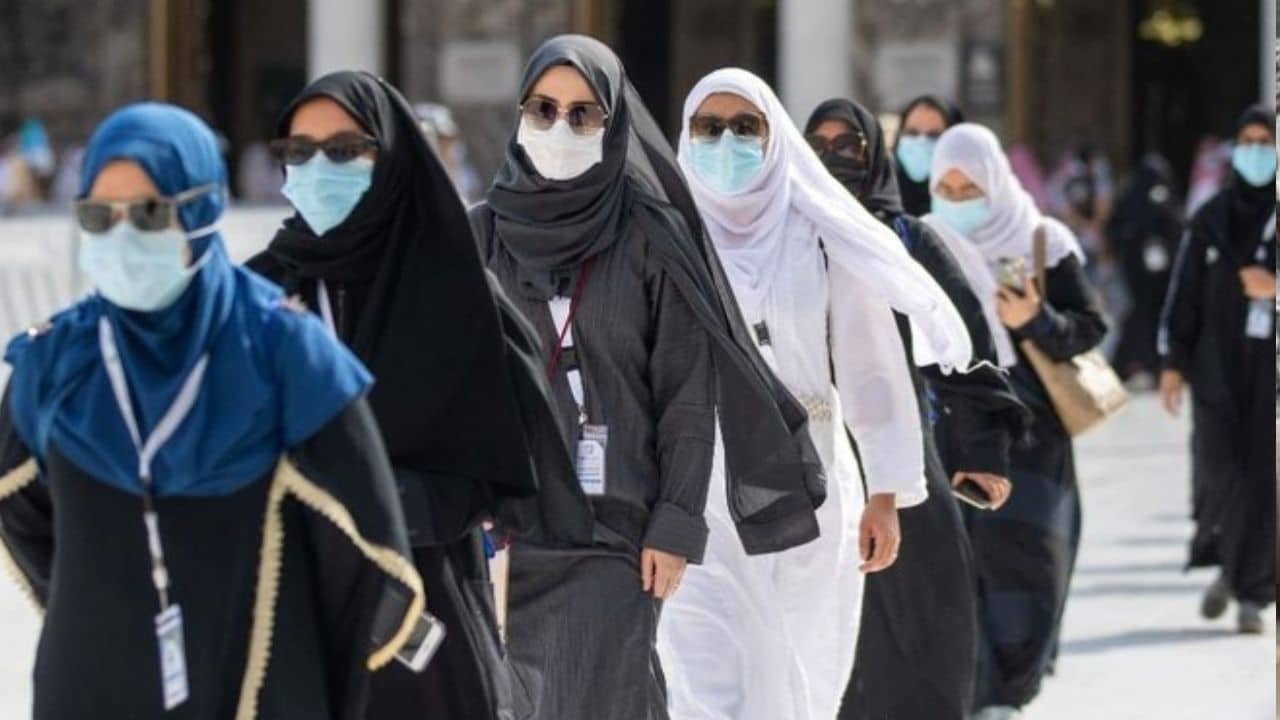
    He further stated that female abayas having a Pakistani flag on the backside and 13 Kg suitcases will also be provided to pilgrims performing hajj this year.

    The minister said that it was a historic step that the caretaker government has declared a significant reduction of one lac in government Hajj expenses, adding that a further Rs50,000 will also be reduced in the coming few days after which Hajjaj will get back their money in their accounts.

    He further revealed that a new mobile application has been designed to assist pilgrims, which will provide navigation support and enable constant communication between pilgrims and relevant officials.

    Initially available in English and Urdu, the application will later incorporate various regional languages, he said, adding that, the app will also provide digital training programs to every pilgrim.

    The minister also disclosed a project that the Ministry of Hajj in collaboration with the Ministry of Education has planned to convert city mosques into schools to enroll out-of-school children where the Imam of mosques will play a leading role.

    Minister said that mosques will play their role as community centers in every city area, adding that imams will resolve community issues as well after offering prayers.

    He said that the Ministry of Hajj is taking all four provinces on board and enhancing the connectivity of mosques.

    While describing another project, minister for religious affairs said that his ministry with the collaboration of health ministry has another project in which medical clinics will also be part of mosques.

    Lady health workers and other essential staff of doctors will also be provided in all masajid where they will facilitate to citizens visiting inside the masque of areas, he added.

  • Pakistani shepherdess, midwife make it to BBC’s top 100 women list

    Pakistani shepherdess, midwife make it to BBC’s top 100 women list

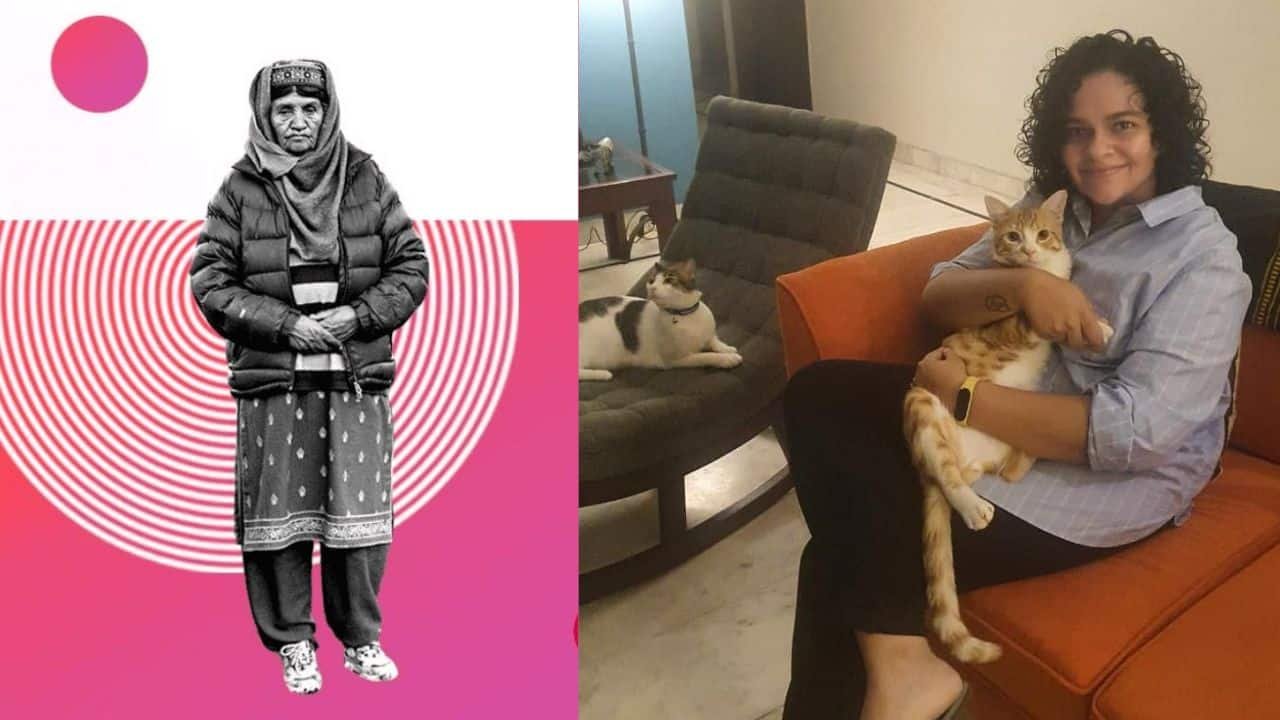
    Two Pakistani women have been included into the BBC’s list of this year’s top 100 inspiring and influential women. The list highlights women who became trailblazers in their field and worked to spread awareness about issues like climate change, political instability and natural disasters. Among the list are famous Muslim figures like lawyer Amal Clooney, Pakistani Nobel Prize winner Malala Yousafzai, Iraqi-American beauty mogul Huda Kattan.

    The first Pakistani woman included in the list is Afroze-Numa, one of the last Wakkhi shepherdess who has taken care of goats, yack and sheep for over three decades.

    “Having learnt the trade from her mother and grandmothers,” the BBC description reads, “she is part of a centuries-old tradition that is now dying out in Pakistan’s Shimla valley.”

    “Every year these shepherdesses take their flocks to pastures 4,800m (16,000ft) above sea level, where they prepare dairy products to barter, while their animals feed.

    Their income has brought the village prosperity and allowed them to provide an education for their children. Afroze-Numa still fondly remembers being the first woman in the valley to own a pair of shoes.”

    The second Pakistani woman included in the list is Neha Mankani, a midwife who travelled to flood-affected areas in order to provide life-saving birthing kits and midwifery care to mothers and their babies.

    “Her typical practice focuses on low-resourced settings, emergency response and climate-affected communities,” the BBC said, adding that Mama Baby Fund has now raised enough money to launch a boat ambulance that will transport pregnant women living in coastal communities to nearby hospitals and clinics for urgent treatment.

    Taking to Instagram to share the post, Mankani wrote she was honoured to receive the acknowledgement from BBC.

    “Really honoured to be on the @bbc100women list this year as a climate hero, celebrating the important role of midwives in climate emergencies and highlighting my work with @mamababyfund in last year’s floods and in the climate affected island communities of Karachi. Head over to @bbc100women to read about all the really amazing women highlighted this year”

  • Council of Islamic Ideology gives ‘conditional permission’ for women to perform Hajj without mehram

    Council of Islamic Ideology gives ‘conditional permission’ for women to perform Hajj without mehram

    In response to a query from the Ministry of Religious Affairs, the Council of Islamic Ideology (CII) has given conditional permission to women to perform Umrah without mehram, The News has reported.

    The detailed response from the CII states that Jafria, Maliki, and Shafi’i schools of thought allow women to perform Hajj or Umrah without a mehram while Hanbali and Hanafi schools of thought do not consider Hajj and Umrah an obligation for women if their mehram is not available.

    Last year in October, the Saudi government allowed women from across the world to perform Haj and Umrah without a male relative.

    The CII, however, has said the performance of Hajj for a woman without a mehram should be in the company of trustworthy women in a group. It also asserted that the Ministry of Religious Affairs should properly scrutinise a Haj group in which a woman wants to perform Haj without a Mehram.

  • Gaza women taking period-delaying pills amidst lack of privacy, water: Al Jazeera exclusive

    Gaza women taking period-delaying pills amidst lack of privacy, water: Al Jazeera exclusive

    Linah Alsaafin and Ruwaida Amer from Al Jazeera have reported from Gaza on Palestinian women who have been struggling to cope with menses at a time when medical supplies have been cut and the region is under heavy military attacks by Israel.

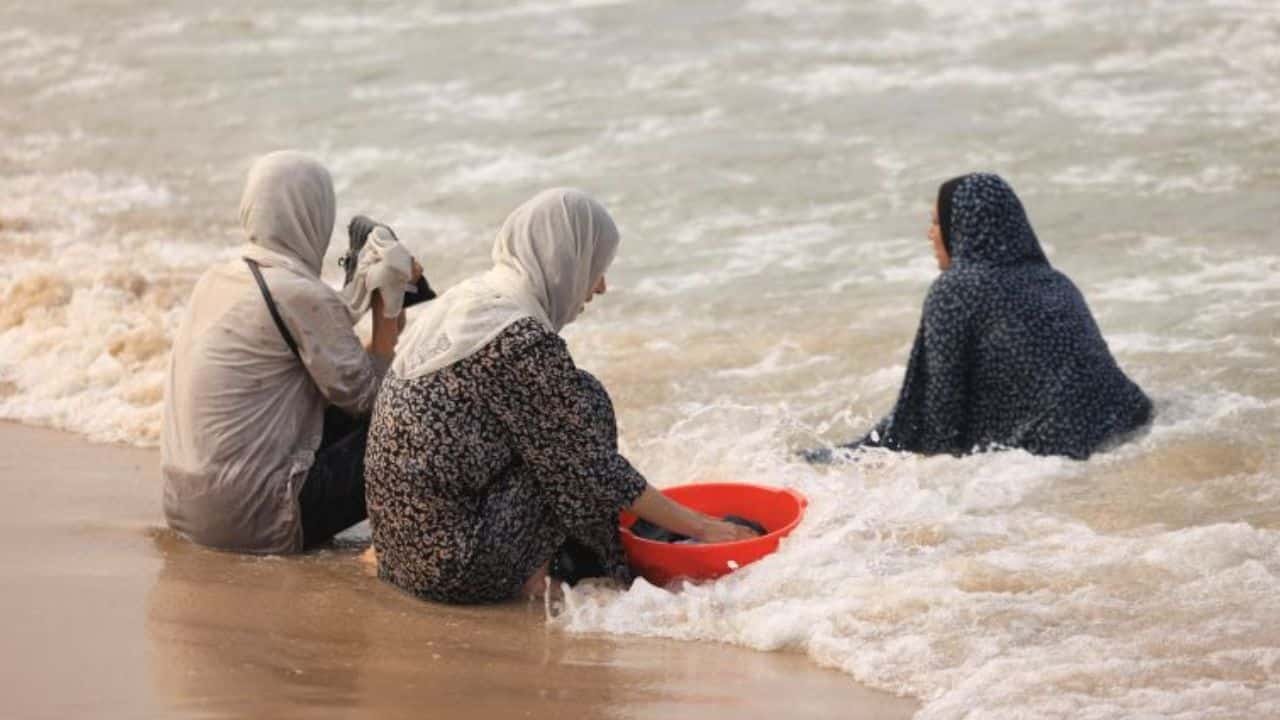
    Since Hamas’s attack on Israel on October 7, Gazans have been internally displaced, living in poor conditions among a large number of people with no privacy, and no access to water or menstrual hygiene products like sanitary napkins and/or tampons. To counter this major problem, women are resorting to norethisterone tablets that are usually prescribed in times of severe menstrual bleeding, endometriosis, and painful periods.

    While these pills have side effects like irregular vaginal bleeding, nausea, changes to the menstrual cycle, dizziness and mood swings, Palestinian women do not have any choice for now.

    Al Jazeera spoke to 41-year-old Salma who fled her hometown, Tel al-Hawa, and is now at a relative’s place in Deir el-Balah refugee camp. She is in a “constant state of fear, discomfort and depression, which has taken a toll on her menstrual cycle”.

    “I am experiencing the most difficult days of my life during this war,” Salma says. “I got my period twice this month so far – which is very irregular for me – and suffered heavy bleeding.”

    Nevin Adnan, a psychologist and social worker based in Gaza City, explained to Al Jazeera that while normally, women may experience psychological and physical symptoms before and during periods (changes in mood and lower abdominal, back pain); these symptoms, however, can worsen under stress.

    “Displacement causes extreme stress and that affects the woman’s body and her hormones,” she said.

    “There can also be an increase of the physical symptoms associated with menstruation, such as abdominal and back pain, constipation and bloating,” she said, adding that they may also experience insomnia, constant nervousness and extreme tension.

    This is why, Adnan asserts, more women are taking period-delaying pills “to avoid embarrassment and shame due to the lack of hygiene, privacy, and available health products”.

    “In war, we are forced to do everything we can,” says Salma.

    “There is never a choice.”

    Read full story: No privacy, no water: Gaza women use period-delaying pills amid war