Tag: women

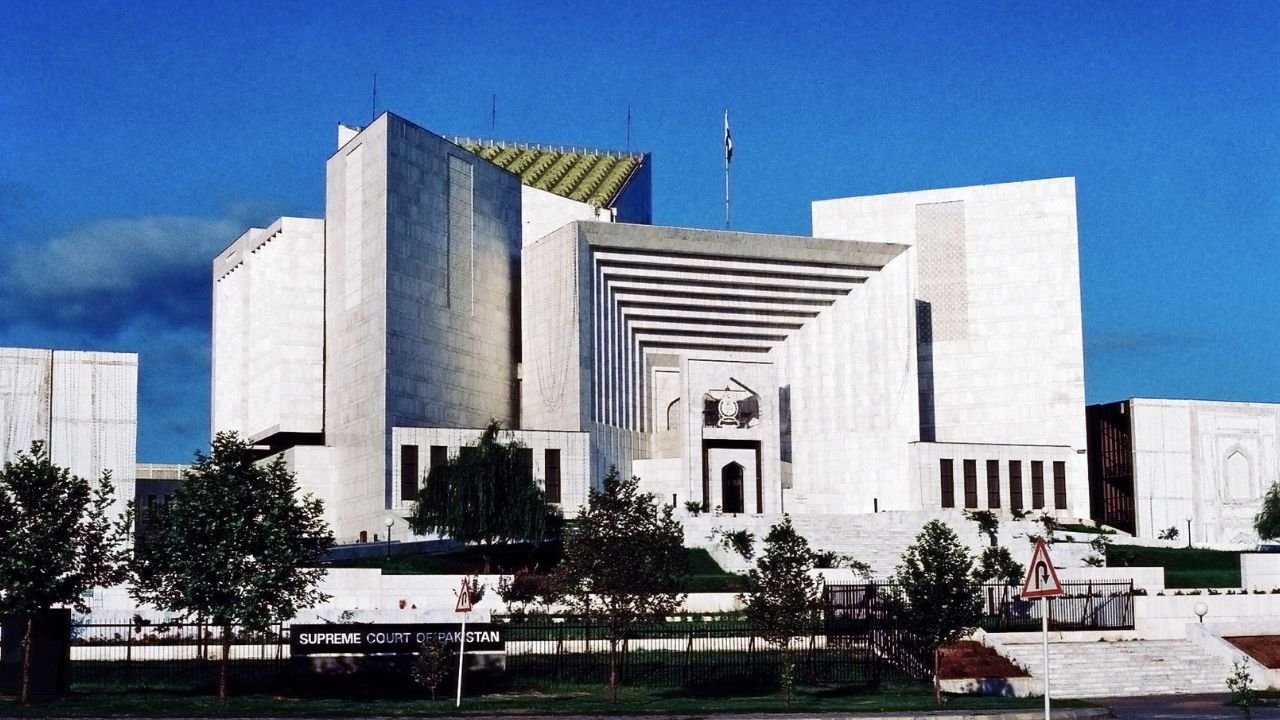
  • Out of 687 staff members, only 45 women are employed in the Supreme Court

    Out of 687 staff members, only 45 women are employed in the Supreme Court

    New details reveal that among the total staff members of 687 in the Supreme Court, only 45 are women.

    The information came to light as a judicial order directed Supreme Court Registrar Jazeela Aslam to give details on staff following a petition filed in 2019, appealing the Right of Access to Information Act 2017 and Article 19-A of the Constitution.

    The apex court reportedly has 894 sanctioned positions at the moment but 207 of them are vacant and 687 employees were working as of September 25.

    146 are employed on a daily wage basis.

    84 new positions have been created since January 2017.

    The details also reveal that out of all the 45 women working in the apex court, 33 hold regular positions while 12 are contingent employees.

    Additionally, only two people with disabilities and two transgenders are employed.

  • Three-year gap a must between two births: Punjab Minister for Population Welfare

    Three-year gap a must between two births: Punjab Minister for Population Welfare

    Punjab Minister for Population Welfare, Dr Jamal Nasir, has asserted that a three-year gap must be ensured between two child births for the health and safety of both the mother and the baby.

    While addressing a seminar on population welfare on Tuesday, Dr. Nasir added that under-nourishment and anaemia has resulted in women suffering from poor health.

    A policy is also being developed in which only employees with three or less than three children will be allowed to work in the Population Welfare Department.

    The caretaker government has reportedly promoted about 45,000 lady health workers in the province as part of its efforts towards improving mother and child healthcare and promoting population welfare.

    Dr Jamal Nasir pointed out that population control had never been seriously prioritised in Pakistan for sustainable development of the country, highlighting Iran and Bangladesh as role models pertaining to family planning.

  • Vaccine to prevent recurrence of breast cancer produces good results in trial

    Vaccine to prevent recurrence of breast cancer produces good results in trial

    A vaccine developed for an aggressive form of breast cancer is currently being tested in human clinical trials.

    If the trials are successful, the vaccine would be groundbreaking, preventing recurrence of triple-negative breast cancer, which makes up about 10% to 15% of all breast cancers and is particularly challenging to treat.

    According to an article published by John Hopkins, triple-negative breast cancer is one of the most aggressive forms of breast cancer because it grows quickly and has a higher rate of recurrence — locally, in the breast area, or to other parts of the body, meaning metastasis. In fact, the risk of the cancer recurring within five years of being diagnosed is nearly three times higher in patients with triple-negative breast cancer than in those who don’t have that type of breast cancer.

    Yahoo! interviewed Jennifer Davis who is the first person to receive the vaccine as part of the clinical trial.

    Davis is a 46-year-old nurse and a mother of three living in Ohio, USA. She was diagnosed with triple-negative breast cancer in 2018, undergoing a double mastectomy and several rounds of chemotherapy and radiation.

    During her follow-up appointment, she came to know about the breast cancer vaccine trial.

    The vaccine has been under development for 20 years based on research led by Vincent Tuohy, who died in January 2023, and its human trials started in October 2021.

    “My [health care] team informed me of the vaccine that Dr. Tuohy had been studying for a long time,” Davis said.

    “It’s just that kind of breast cancer — that particular type — there’s nothing I can take afterward, no tamoxifen [a hormone therapy], and recurrence is high. If it does come back, outcomes are not the greatest. So I wanted to take something — the vaccine was that for me.”

    And because Davis is a nurse she claims to understand the importance of clinical trials, adding, “That’s how we advance medicine and make changes and one day, get rid of breast cancer.”

    Chairman and chief executive officer of Anixa Biosciences, licensed to create the vaccine, Amit Kumar says that 42% of women with triple-negative breast cancer will get the cancer again within five years. “It’s typically much more aggressive, so the outcome for those women is not very good,” he tells Yahoo Life.

    The purpose of the breast cancer vaccine is to “eliminate the recurrence for those women and eventually, prevent the cancer from ever arising.”

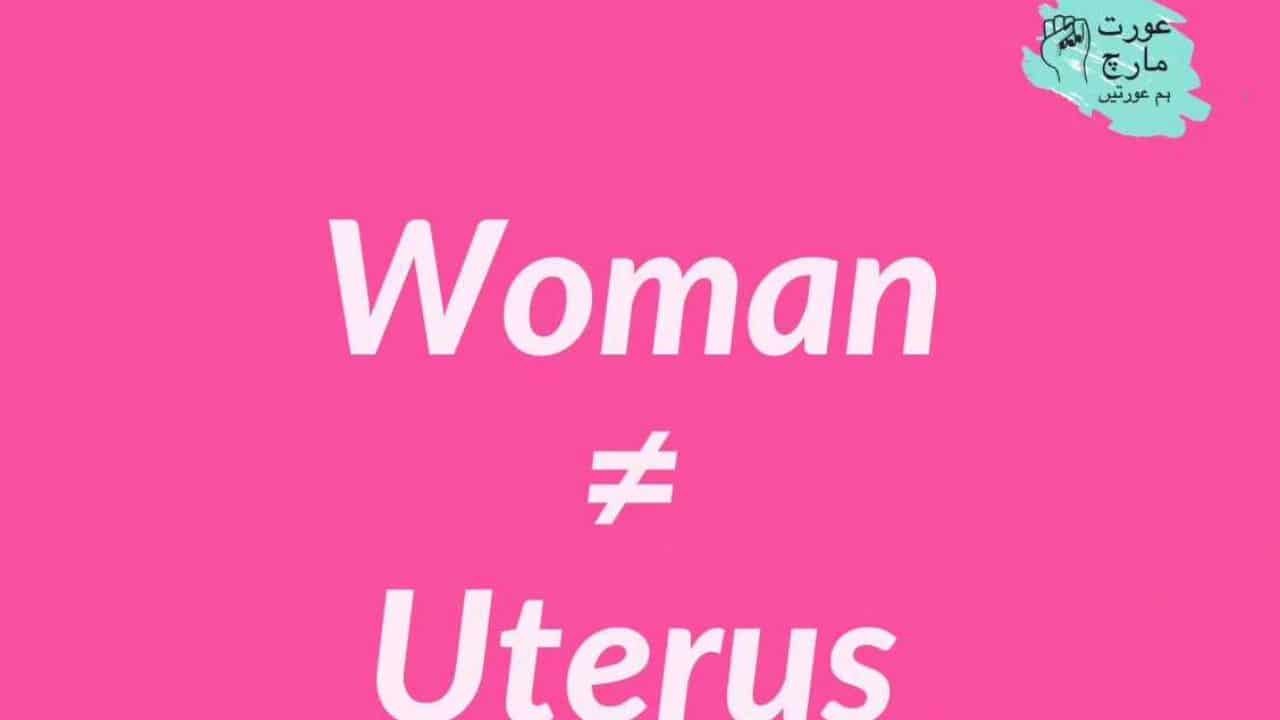
  • What was the backlash on Aurat March’s ‘people with uterus’ post all about? An organizer explains

    What was the backlash on Aurat March’s ‘people with uterus’ post all about? An organizer explains

    Three days ago, the women rights movement Aurat March’s Karachi page uploaded a detailed statement on their Twitter account addressing the backlash surrounding the term ‘people with uteruses’. The term was used in a statement announcing a feminist baithak a few days ago, where women and people of other genders were invited to discuss the topic “Mensturation and Misogyny”.

    In their statement, Aurat March explained why mensturation has less to do with gender, because it’s a biological process since the uterus, or the womb is the main organ involved in it.

    “Mensturation is a biological process, with the uterus or the womb being the main organ involved in it. Needless to say, it has to do with the sex a person is assigned at birth rather than their gender. It only makes sense, then, to call anyone who mensurates a ‘person with uterus’ or ‘mensturator’.”

    “This form of criticism revolves around the deeply ingrained, patriarchal belief that a woman’s identity is inherently tied to her uterus, other reproductive organs, and ability to conceive and bear children. It is deeply misogynist, especially in our context, where many CIS women are considered baby making machines and girls are married off at a young age (often even in their teenage) with the belief that they would bear more children, often at the cost of the girl’s health or even life.”

    In their next post, Aurat March detailed on the misogynist attitude towards periods- and how it affects every person, woman or not.

    “Given that the majority of uteruses bleed almost every month for four decades, it is crucial to realize that the misogynist attitudes towards periods affect every person who mensurates- whether woman or not. We use the word misogyny here because the patriarchy views mensuration as inherently feminine thing (and hence, as cause of inferiority); therefore, this misogyny extends also to non-binary and trans-masculine mensurators.”

    “The bottom line is that the uteruses of many women, transgender men and non-binary persons (who were assigned female at birth) have been bleeding for centuries and will continue to do so.”

    The statement was slammed by several Twitter users as misogynist towards women, with Youtubers like Muzamil stepping in to label the movement elitist. To get to the bottom of the controversy and how can we craft more spaces for women, and people from the transgender community, to talk openly about their mensuration without facing backlash, we spoke with Aurat March organiser *Rosa.

    Q. What inspired you to write this statement, and did you anticipate that there would be such backlash?

    Truth be told, we did not expect the response to be this big. Aurat March regularly hosts baithaks where we discuss our politics with the poeple but also amongst ourselves. The use of inclusive and misogyny-aware language is something we’ve been consistently using over the years. Our movement is feminist and takes pride in the fact that we stand for all genders that are suppressed under patriarchy. We think the fact the tweet started with the word “people with uteruses” is what had people read it and have it make rounds.

    Q. Given the criticism the post has received, do you feel Aurat March could have worded the statement differently or toned it down?

    No. The criticism for a feminist voice in the political space has been there since day one. People criticize us mindlessly for anything that we do. They place an unfair burden of championing every single feminist issue in the country while those same men might not have gotten off their horses of privilege to raise a single finger for the feminist cause. The criticism is bandwagon-ish, misogynistic and transphobic, and it shows how much work we have to do in terms of the discourse around menstruation, the people it impacts, and the trauma of internalized misogyny that women in Pakistan carry. The hate isn’t even necessarily centered around the statement; it’s centered around Aurat March and what it represents.

    Q. Several users, including the YouTuber Muzzamil, criticised the post saying its proof that Aurat March is an elitist movement, that doesn’t address the ongoing issues faced by women in Pakistan. Do you feel this perspective is justified? 

    We think its funny that out of all the people, Muzzamil came out to call the Aurat March an elitist movement while he sits and tweets this from Dubai. There are several tiers of responses as to how the perspective isn’t justified. 

    The burden to prove whether AM is an elitist movement is not just unfair in the first place, it’s impossible to prove as well. Our marches regularly pulls in more than half of its audience from the working class communities we work with. We go and visit these hidden, impoverished and disenfranchised communities all year round: Zia Colony, Mauripur, Orangi Town, Kausar Niazi, Mehran Town, Race Course, Shikarpur, Surjani, Ibrahim Hyderi, Lyari are only some of the names. We then arrange their transport from their communities to the march as well. 

    But not just that, all that one has to do see where our priorities lie as a movement is go through our Instagram. For the last month or so, we’ve been working with effectees from Jaranwala, raising voices and protesting for the rehabilitation, protesting at Teen Talwar for recovery of Hindu missing persons while a delegation from our team has been facing harassment and abuse from the police at Jaranwala as we speak. 

    But of course, men like Muzzamil wouldn’t see the groundwork that Aurat March has done because he’s never visited these places himself, or maybe he doesn’t have binoculars big enough that can help him see all the way from Dubai. The truth is, our politics doesn’t revolve around just creating a feminist discourse or space on twitter, but a lot of people see it that way. They like to think that politics that does not exist beyond this digital space, and we couldn’t care less about these keyboard warriors. The work that we do, impacts the people we work with and it makes a difference in their lives, and that is all that the feminist cause is at the end of the day.

    Q. The ongoing backlash surrounding menstruation can have some implications on the mental health of Pakistani women because they don’t feel its safe for them to express their concerns out loud, even on social media. How can we continue to create spaces to openly speak about the issues Pakistani women want to talk about.

    We think it’s important to clarify our politics and position in this context. We believe it’s important to see a woman beyond her uterus. In many instances, this “bachadani” holds more value than her life. Her worth is gauged up on her ability to reproduce, her identity is centered around her motherhood, and her final goal is set out to become a mother. So many women lose their lives in forced pregnancies, so many battle uterine cancer and so many see their childhoods end the moment their uteruses start bleeding, married off to a man twice or thrice her age. So of course, when AM tries to separate the woman’s identity from her uterus, people lose their minds.

    It’s funny people think ‘people with uterus’ is dehumanizing language when so many people see only a uterus when they look at a woman. To think about how this experience might not be inherent to their existence would then, of course, be thought of as radical. At that same time, it’s important to remember that many women don’t necessarily have a uterus either. Alot of them have their removed due to complications, while many are simply born without one; the language is inclusive of their womanhood and identity, too. All the while, we also acknowledge all the people that menstruate or have uteruses but might not necessarily identify as women either, such transmen or non binary folks. The movement is just as much as for them and by them as it is for any gender.

    And understandably so, it becomes difficult for a woman to voice out her concerns regarding her body on social media. When our comments section becomes places of spewing hate or become dominated by men who think they’re invited to share their opinions about women’s bodies, they drown out any chances of having an open engagement and discussion on these topics. 
  • 15-year-old British school girl murdered while trying to protect friend

    15-year-old British school girl murdered while trying to protect friend

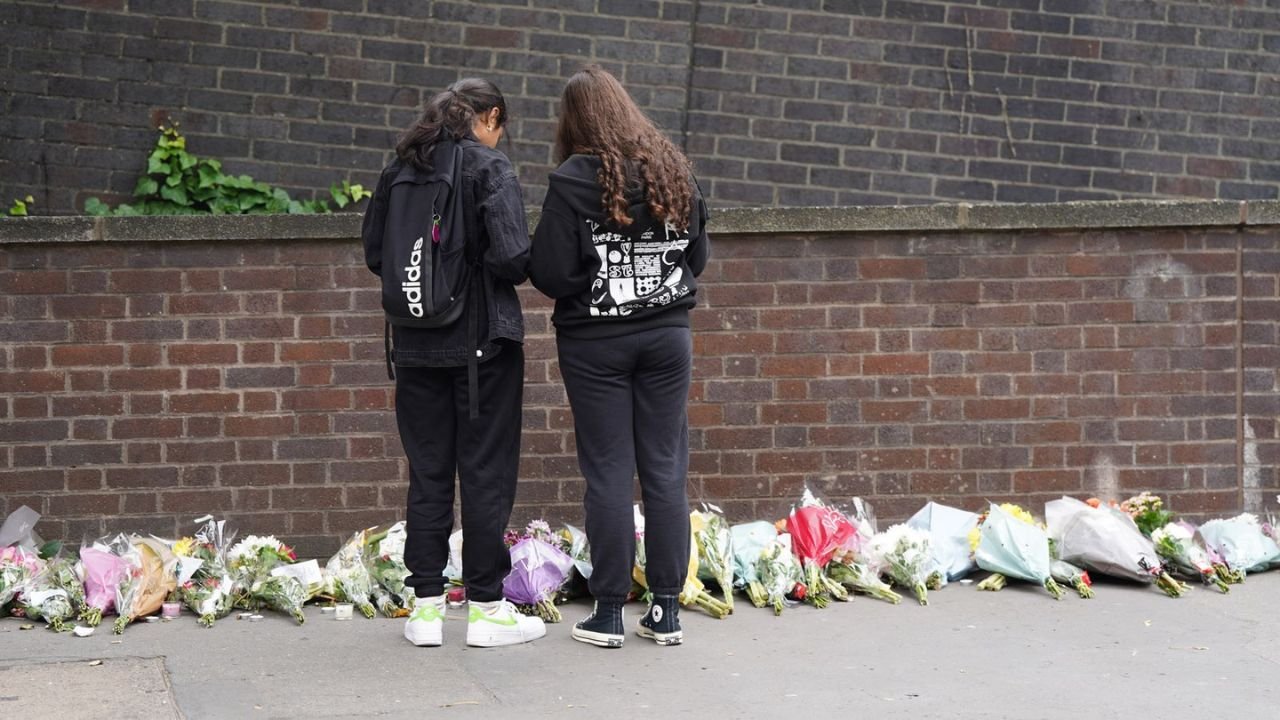
    A 15-year-old school girl has been stabbed to death in South London by a 17-year-old boy on Wednesday when she was on her way to school. According to the Evening Standard, the crime took place near Croydon’s Whitgift shopping sector, when the boy arrived at a bus stop to give flowers to his former girlfriend- a friend of the victim.

    The friend rejected the flowers after which an argument rose between the two, leading to the victim intervening. The murderer then pulled out a foot-long knife and stabbed her to death.

    The Metropolitan Police arrested the murderer within 75 minutes in New Addington and placed him under custody. Met Police Commissioner Sir Mark Rowley called the murder “senseless” and “impossible to comprehend”, adding that officers arrived within two minutes at the scene of the crime to provide first aid to the victim.

    The BBC reported Mayor of London, Sadiq Khan, said that he was “absolutely heartbroken” by the murder, stressing that he would remain in touch with the Met Police commissioner.

    Friends and family members of the victim have described the school girl as a bright pupil who had a promising future ahead of her. Family friend Adama Dumbuya, told Sky News the victim was a lovely little girl.

    “It’s just really sad. She was such a lovely little girl. I’m a parent myself. She was just really lovely the few times I’ve met her. She’s just a very nice girl and very polite.”

    The victim’s aunt Marian described her as an aspiring lawyer:

    “She went to a private school paid by my sister and had a great future ahead of her. She wanted to be a lawyer. She also loved gymnastics and doing her hair. We are a big family and will support each other. We are devastated.”

    “We can’t comprehend the heartbreak of the last 24 hours. She went to school and didn’t come home. It hasn’t sunk in. My sister is not feeling good, this is a tragedy.”

  • New Zealand awards SSP Sonia Shamroz Khan from Khyber Pakhtunkhwa

    New Zealand awards SSP Sonia Shamroz Khan from Khyber Pakhtunkhwa

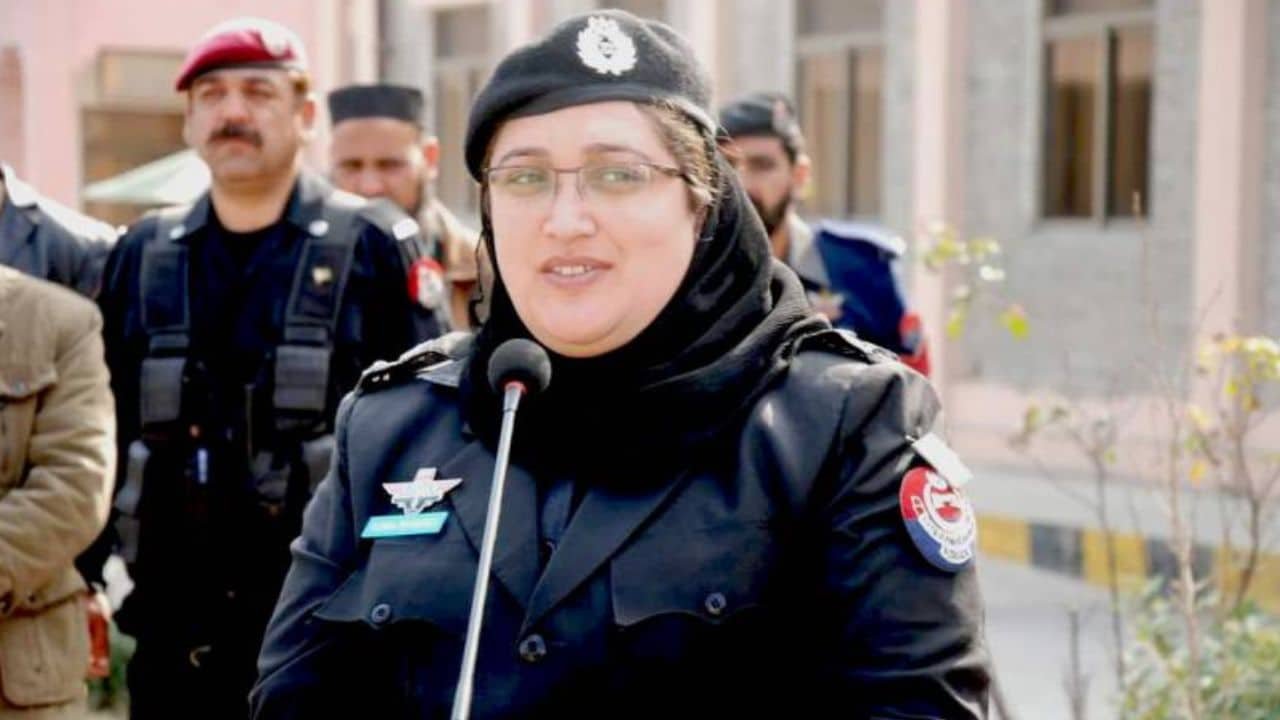
    Khyber Pakhtunkhwa’s Senior Superintendent of Police (SSP) and District Police Officer (DPO) of Battagram district, Sonia Shamroz Khan, received ‘Officer of the Year’ award from International Association of Women Police (IAWP) in Auckland, New Zealand.

    SSP Battagram Sonia Shamrose has been awarded for excellence in policing strategies and prevention of violence against women.

    She previously worked as DPO Chitral during which she actively worked on local social issues, including establishment of a complaint cell to prevent forced marriages.

    While speaking to Geo News, SSP Sonia Shamzroz Khan dedicated her award to all the women victims of gender discrimination and diligent women police officers who are working tirelessly to ensure peace and security.

    She added that she has always been mindful of cultural norms and sensitivity attached to certain issues while working. Previously, she highlighted, women in Battagram did not approach the police, but now, there is an increase in crime reports pertaining to their issues.

  • Two women record statements against Gulshan-e-Hadeed School Principal

    Two women record statements against Gulshan-e-Hadeed School Principal

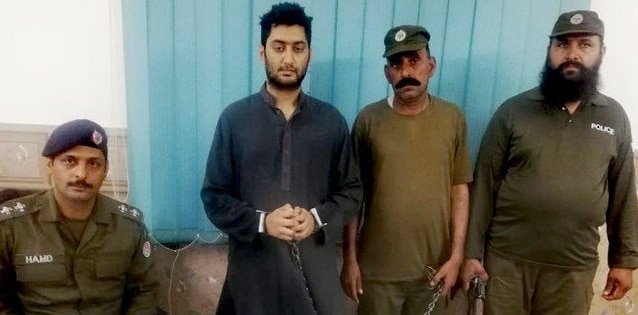
    Two women have recorded statements against the school principal accused of rape and blackmail in Gulshan-e-Hadeed area of Karachi.

    The case of alleged rape and blackmail of women by Gulshan-e-Hadeed School principal was heard in the court of the Judicial Magistrate of Malir. After physical remand was completed, police produced the school principal in the court.

    The two women also appeared in court, with the investigating officer requesting the court to record their statements.

    The investigating officer produced the Universal Serial Bus (USB) containing the videos in the court.

    The statements of both the women were recorded. One of them said that Irfan gave her a job and blackmailed her by making a video.

    The court extended the physical remand of the school principal for four days.

    Previously, the principal was taken into custody after allegations of raping and blackmailing women after videos of the rapes appeared on social media.

    The principal has reportedly admitted to raping women after promising them job opportunities, then recording their videos to blackmail them.

    Additionally, it was made known that the school was not registered with the relevant authority, functioning without any legal status. Consequently, it has been sealed.

  • TW: Four rape cases registered in Lahore on August 28

    TW: Four rape cases registered in Lahore on August 28

    TRIGGER WARNING: DISCUSSION OF RAPE, SEXUAL ASSAULT.

    In a horrifying case, four women were reportedly raped on August 28 in Lahore, according to Dawn. While First Information Reports (FIR) have been lodged against the suspects, some media reports have stated that the suspects have gotteb pre-arrest bails, while others have not been caught as yet.

    Two of these cases involve the survivor being tricked on the promise of finding a job. A student of class 9, who lives in Old Anarkali, filed an FIR revealing she was gang-raped by two men in a hotel room. The survivor said she met suspect A on social media. He offered her a job abroad and claimed he knew friends who were working in big businesses in other countries. On Aug 28, the suspect offered the survivor to work part-time at a hotel for a couple of months, picking her up from Kalma Chowk, took her to a juice corner, after which she was taken to a hotel belonging to his friend in Gulberg to discuss the job offer. The survivor said she was taken to a room where the suspect and his friend gang-raped her, and made video clips to further blackmail her. The culprits threatened to upload the videos on social media if the survivor filed an FIR.

    Another girl, a resident of Faisal Town, said her friend got her in touch with a man who promised to get her a job. The man picked her up from a restaurant where she was waiting with a friend, along with another man. Both men took the survivor to a house where they gang-raped her, fleeing the scene later. So far, no arrests have been made.

    The third case was from a resident of Amir Town, who said his friend, the suspect, had offered his wife a job to work at a hostel with a handsome salary. On August 28, the FIR states, the wife was out shopping, when the suspect called and asked her to reach a location from where he could take her to the hostel for the job. When the woman reached the given location, the man took her to a house and raped her, and then fled the scene.

    The fourth case was from the Manawan area, where the suspect took a woman to a house to return her Rs 45,000, but instead when the survivor reached the house she was raped and later the suspect escaped.

  • Equal pay, new contracts, and room for improvement; what is happening in women’s cricket around the world?

    Equal pay, new contracts, and room for improvement; what is happening in women’s cricket around the world?

    Pakistan

    It is the first time that the Pakistan Cricket Board (PCB) has given domestic contracts to 74 women cricketers. The period of the contracts is 11 months. 43 players are classified as emerging cricketers while 16 Under-19 cricketers. Thirteen of the players contracted have played international cricket. Among the many are Javeria Khan, Kainat Imtiaz, Anam Amin, Iram Javed and Gull Feroza who previously had central contracts.

    These cricketers will be paid the same monthly retainer. However, match and appearance fees, and travel and accommodation costs, will vary. ESPNcricinfo writes that “while the salaries are relatively modest, the fact that these contracts have been awarded at all will count as progress of some kind in Pakistan. In addition, the players will be offered a share in any prize money won”.

    A PCB press release stated that domestic contracts have been given to “individuals who have displayed remarkable performances across various cricketing platforms, including domestic cricket tournaments, emerging tournaments, U-19 domestic tournament, and the ICC U-19 Women’s World Cup,”.

    “I want to extend my heartfelt congratulations to the 74 women cricketers who have earned these contracts through their sheer talent and dedication,” PCB chairman Zaka Ashraf said. “Today marks a significant and joyous occasion for the Pakistan Cricket Board as we take a historic step towards uplifting women’s cricket in our nation.

    “This initiative isn’t just about signing contracts, it’s about investing in the dreams and aspirations of these extraordinary athletes. Our women cricketers have consistently showcased exceptional skills and dedication on the field, and it is high time we provide them with the platform they deserve.”

    West Indies

    In a recent conversation on Ladies Who Switch podcast, former West Indies cricket player Deandra Dottin alluded to the country’s cricket board, emphasizing the need to prioritize the players’ “respect and resources”. She has warned that negligence can have serious repercussions for Caribbean cricket.

    Dottin reflected on the issues she encountered during her time as a cricketer. She highlighted the negligence towards the needs of the players, “both in terms of resources and respect”, reports Sports Max. Dottin emphasized that the player will not be able to perform without required attention and a supportive space:

    “To be honest, there’s been a lot going on in the camp and so much I’ve been through, so many things that needed to be sorted out, and the players not getting the respect and basically the attention because there are things that needed to be done in order for players to actually perform to the best of their ability,” she said.

    Dottin announced her retirement from international cricket a year ago, claiming that the team environment was one of the reasons for her decision. She had a distinguished career of 14 years that includes the 2016 T20 World Cup title and the first century in Women’s T20 Internationals.

    Now, Dottin is among male and female cricketers working on franchise tournaments worldwide. She is associated with teams such as Manchester Originals, Adelaide Strikers, Trinbago Knight Riders, and Barmy Army.

    She believes that these leagues have more support to offer in comparison to the West Indies setup.

    “You will see a player come into West Indies Cricket and then you actually see they disappear… it’s basically like you’re getting what you want out of me and then you just throw me aside,” Dottin said.

    South Africa

    After New Zealand and India, Cricket South Africa (CSA) announces an equal international-match fee for their men and women’s players. This news came the same day as the announcement of a six-team professional domestic system for women.

    The past 18 months for the team were a great success as they reached the semi-finals of the ICC Women’s Cricket World Cup in New Zealand in 2022 and then made it through to the final while hosting the ICC Women’s T20 World Cup this year.

    It was the first time a senior South African team reached the World Cup final. Prominent individuals from the fraternity congregated in Tshwane on Tuesday to make the two celebratory announcements.

    Teams in South African domestic competition can now contract up to 11 players instead of 6. They will also have full-time coaches and support staff.

    “We are thrilled to unveil the Professional Women’s Cricket League, an initiative that celebrates the remarkable achievements of our national women’s cricket team and paves the way for an even brighter future,” said Cricket South Africa CEO Pholetsi Moseki.
    “Professionalising the women’s domestic structure has been met with enthusiasm from fans, players, and sponsors alike.”

  • ‘A patient revealed she was kicked out of her house by her husband because of her stretch marks’: Shaista Lodhi

    ‘A patient revealed she was kicked out of her house by her husband because of her stretch marks’: Shaista Lodhi

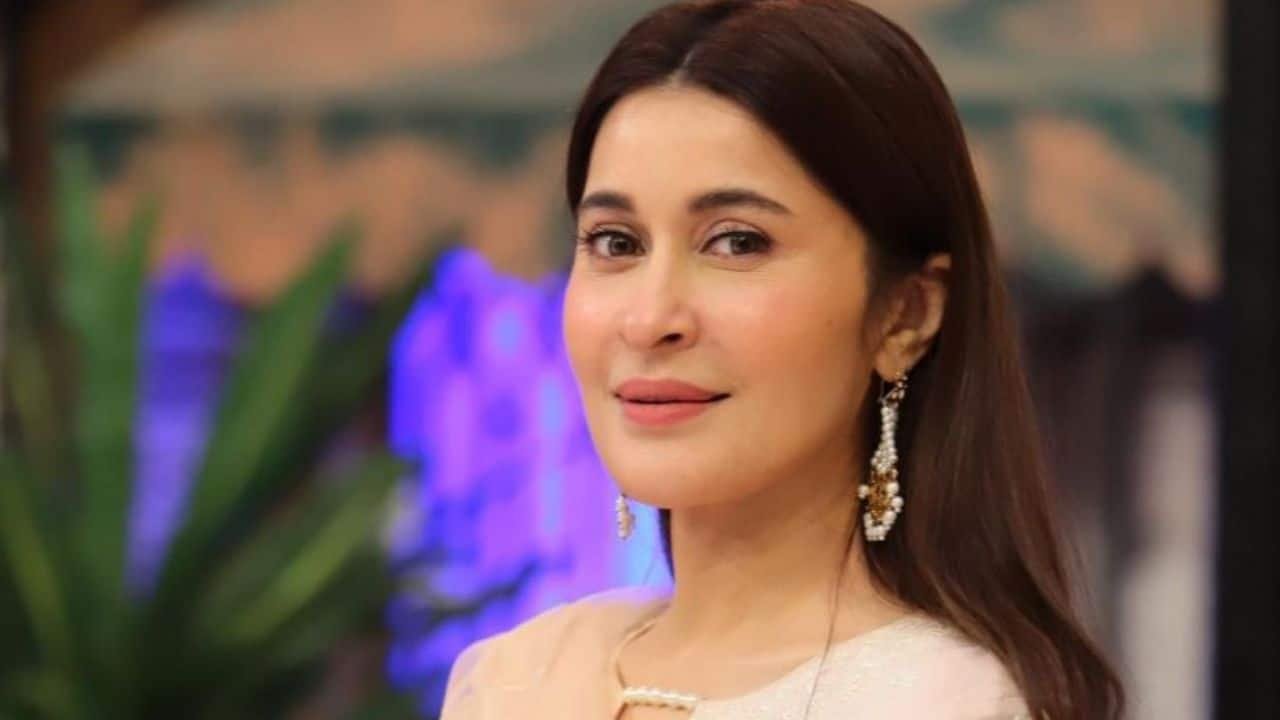
    Actress and aesthetic physician Shaista Lodhi appeared as a guest on the ‘The Talk Talk Show’ where she spoke about her career as an aesthetic physician, who provides cosmetic medical surgeries to celebrities, politicians and the general public. She spoke about the dark side of her career, revealing that young women and girls come to her after being bullied by men about their features.

    The ‘Samjhota’ actress said that many young girls and women visited her clinic led by insecurity about their features, after their husbands send them pictures.

    “Those pictures were given to them by their fiancés,” revealed Shahista. “Then I tell them that they should get rid of this man first. Can you imagine? It’s such an insult for a man to tell you to look like this woman.”

    Shahista shared another horrifying instance where a patient came with her husband, who jokingly asked the surgeon to make his wife look like her. The actress recalled feeling outraged and wanting to lash out at the man.

    “You can see the way women are treated in our society,” lamented the ‘Pardes’ actress. “That girl was sitting in a corner and politely laughing while I wanted to slap him right away. But that woman kept silent, even though it must be torturous for her to stay with such a man who keeps taunting her with things like ‘Tumharay baal hain’, ‘tumharay boaht ziada baal hain’..”

    Shahista Lodhi said women are consistently scrutinized and made to feel inferior because of their looks, and bullied by their in-laws over things like their skin coloror body type. She went on to point out that these things don’t prove that there is a problem with women, but it is men who have complexes.

    Shahista further stressed that if people want to get plastic surgery, they should, but never at the cost of their insecurities.

    When asked about she deals with women coming to her wanting to change features, Shahista spoke about the time a woman came to her clinic asking to remove her stretch marks because she was kicked out her house- which completely shocked the actress.

    “Three days ago a woman came to me and said she recently delivered a baby, and her husband kicked her out of the house because of her stretch marks. And the woman had been staying at her mother’s house for the past 20 days.

    “I tried in any way I could to console her and tell her she’s earned this. Allah made you a gift, and you’re not alone in this. How could a man tell you this!”

    Shahista re-called the woman begging her to fix her marks so she might save her marriage, and the actress said “If you think fixing your stretch marks would save your marriage, then its better such a union never happened!”

    Kudo’s to Shahista for taking such a powerful standard against imposing such beauty standards on women- and reminding them that its not worth fixing a marriage where you are imposed into taking such measures.