More than two-thirds of the world’s soccer balls are made in one of Sialkot’s 1,000 factories, including the Adidas Al Rihla, the official ball of the 2022 FIFA World Cup in Qatar, which begins this month.
Approximately 60,000 people, or 8 per cent of the city’s population, work in the soccer ball manufacturing industry in Sialkot. They frequently put in long hours and sew the panels of the balls by hand.
In Sialkot, hand stitching is used in more than 80 per cent of the soccer balls produced. This time-consuming method increases the soccer ball’s durability and aerodynamic stability. Compared to stitches made by machines, the seams are deeper and the tension is higher.
Bloomberg reports that stitchers make about Rs160 ($0.75) each ball. It takes three hours to finish each one. A stitcher can make roughly Rs9,600 per month by stitching three balls per day. The earnings are modest, even for an impoverished area. According to researcher estimates, a living wage for Sialkot is close to Rs20,000 per month.
Women make up the majority of those who sew the balls. They might sew two balls in a typical day, go home to prepare meals for their kids, and then go back to work in a nearby village in the late afternoon.
Usually, men prepare supplies or do quality checks at various phases of the production process. The industries in Sialkot employed kids as young as 5 alongside their parents up until labour laws were passed in 1997. According to a 2016 assessment, the sector in Sialkot is threatened by the ban on child labour since it “took away a large slice of a prospective skilled generation,” creating a persistent worker shortage.
About 40 million soccer balls are purchased annually worldwide, and sales are anticipated to increase during the World Cup.
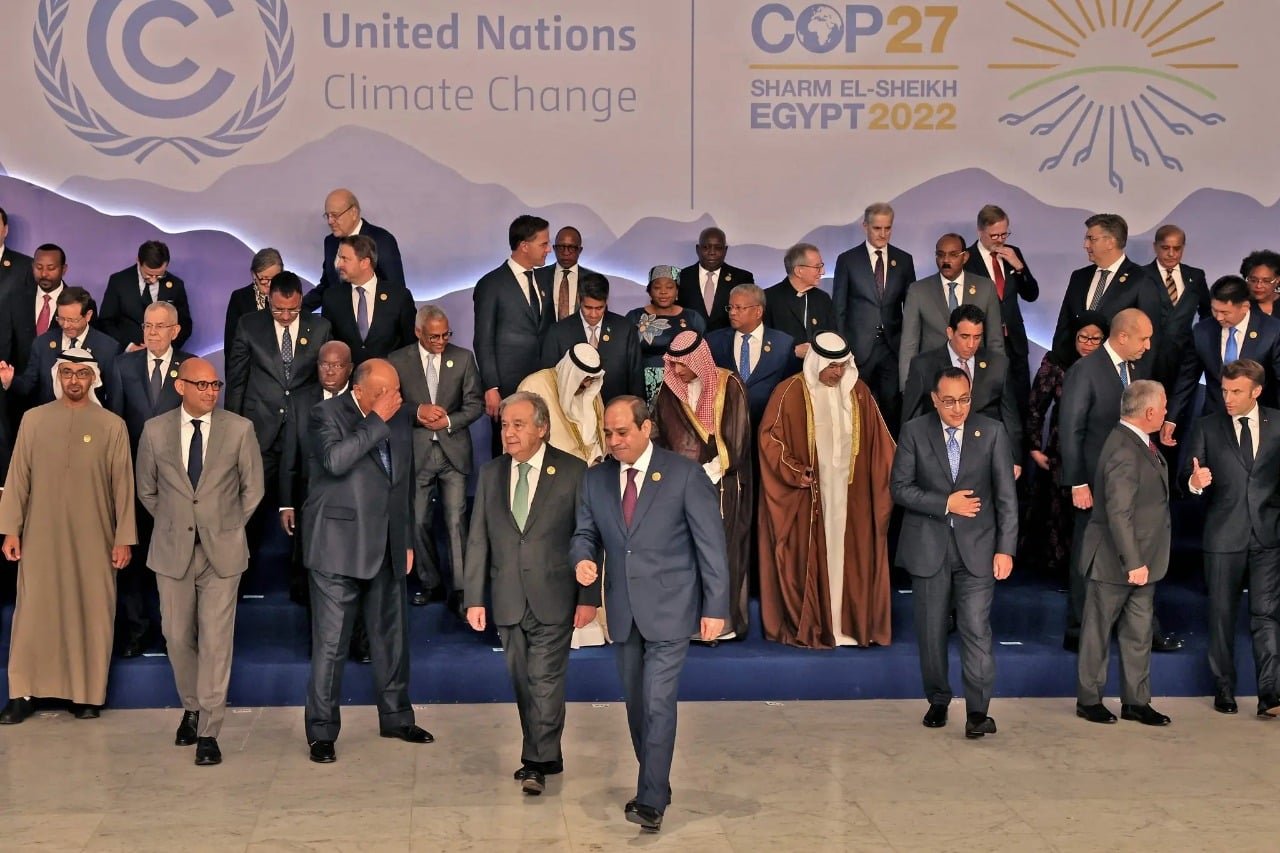
Out of the 110 world leaders who showed up to discuss climate issues at the Climate change conference (COP27) in Sharm el-Sheikh, Egypt, only seven are women. This disproportionate representation was in stark contrast to the fact that women are most affected by the climate crisis.
Former Minister of Environment and Climate Change of Canada, Catherine McKenna thinks male leaders at COP27 should allow women to take their podium time.
In an op-ed for Scientific American, McKenna, along with climate researcher Amy Myers Jaffe, said, “This is especially critical as attendees discuss how the countries of the Global North, responsible for most of the world’s carbon output, should help the Global South deal with the effects of that pollution. The perspectives of women, whose voices are underrepresented in climate discussions, are instrumental to solving the climate crisis in a more just and equitable fashion and can contribute powerfully to our understanding of climate action across the globe.”
According to United Nations (UN) report, women and girls experience the greatest impacts of climate change, which amplifies existing gender inequalities and poses unique threats to their livelihoods, health, and safety.
Seventy per cent of the 1.3 billion people living in poverty are women. In urban areas, 40 per cent of the poorest households are headed by women. Women predominate in the world’s food production (50-80 per cent), but they own less than 10 per cent of the land.
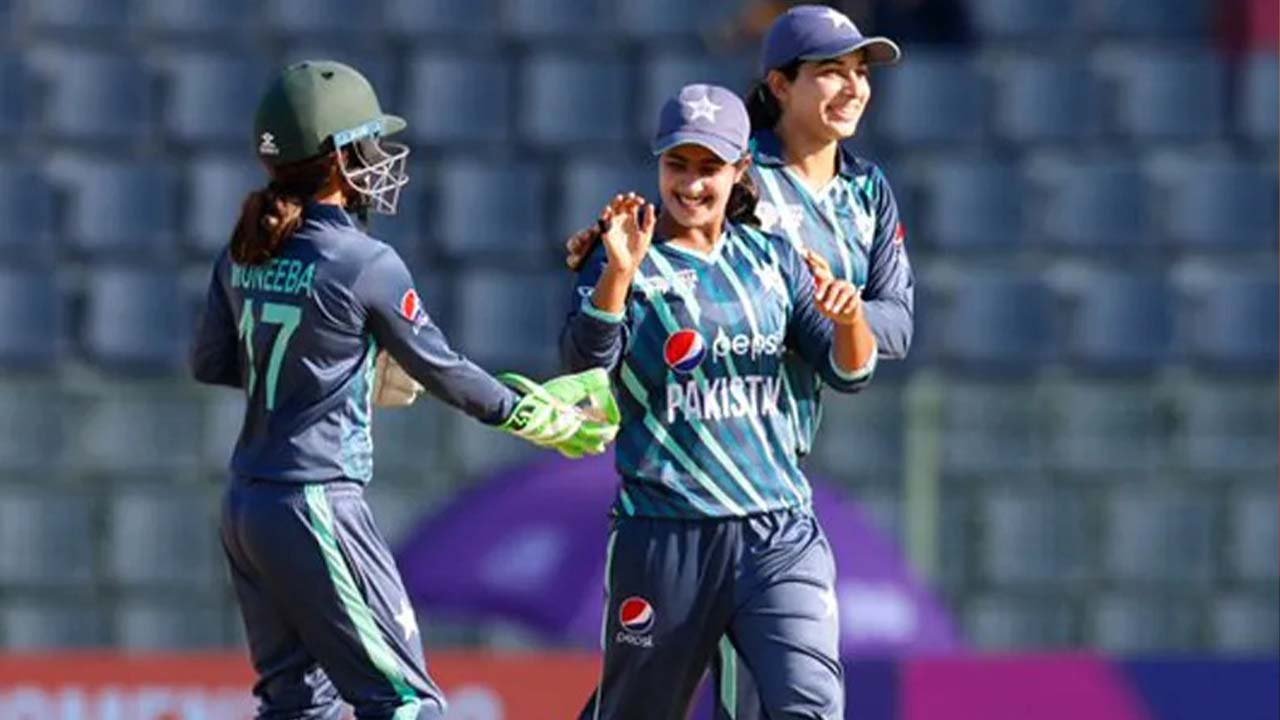
On Friday, Pakistani women defeated Indian women in the Women’s Asia Cup T20 match in Sylhet.
Following a shocking loss to Thailand on Thursday, Pakistan came back with a 13-run victory to stay in the competition. Pakistan and India each have six points after four games in the competition.
India’s winning streak of five straight T20I matches dating back to 2016 was broken against Pakistan. During the Women’s T20 World Cup in Delhi on March 19, 2016, India suffered its most recent loss to Pakistan. In T20Is, India still has an advantage over Pakistan because of 10 victories in 13 games.
India has two games left in the group stage, taking on Bangladesh on Saturday and Thailand on Monday. Pakistan’s last group matches will pit it against Sri Lanka and the United Arab Emirates.
The semifinals will thereafter be attended by the top four teams from the group round. The final will take place on October 15 at the same location.
The age of uncertainty grappling Pakistan is rather appalling. Lately, women in Pakistan and around the world are nothing but just another hashtag. Their name, story, and pain last only till another hashtag replaces them. We as a country are still dealing with the horrors of the murder of Noor Mukadam. We haven’t healed as a nation and now we have witnessed the bone-chilling gruesome murder of Sara Shahnawaz at the hands of a man who too was raised as a result of the patriarchal world in Pakistan.
A harrowing murder took place in Islamabad on Friday morning. The daughter-in-law of senior journalist Ayaz Amir was murdered in Islamabad. 37-year-old Sara was found murdered at a farmhouse in Chak Shahzad. According to details, journalist Ayaz Amir’s son Shah Nawaz killed his wife at their home with a gym dumbbell. After murdering her, the accused dumped her body in a bathtub. Senior Journalist Ayaz Amir expressed his grief and shock over the murder of his daughter-in-law by his son.
In Pakistan, men get away with crimes against women, which is why they think they can even commit murder without any repercussions. Our society and justice system have failed the women of Pakistan. It is because of these attitudes that Pakistan ranks as the second-worst country on the gender gap index.
The story of Masha Amini from across the border is equally tragic. The 22-year-old Iranian woman breathed her last days after being arrested by a police unit responsible for forcing Iran’s strict dress code for women. She was arrested for not complying with hijab rules. Mahsa Amini was beaten while inside a police van when she was picked up in Tehran on Tuesday. Photographs of Mahsa lying in a hospital bed have gone viral, showing the young woman in a coma with her head wrapped in bandages and breathing through tubes. #MahsaAmini became one of the top hashtags on Persian-language Twitter as Iranians fumed over the death of Amini. Later we saw that women in Iran protested against the death of Amini by setting their hijabs on fire. Her death sparked widespread protests in Iran.
What is happening to women across the world is a reminder that all this is about control, power, and oppression. One of the key reasons women are marginalised is because a powerful and educated woman leads to a powerful and educated community. Women need to be empowered by those in power. We as individuals have failed. We have failed our women and young girls. The silence of the state on matters that need the most attention is rather appalling. For how long will people keep suffering? What are our policymakers doing to make the lives of people in Pakistan better? Who should the families of the victims look up to? Who will give them justice? The beasts who killed their daughters are very much alive. Who will bring solace to the plight of the mothers and fathers of the one dead at the hands of men who could not take no for an answer or whose temper was so fragile that they had to kill women when they raised their voices for their rights.
A 30-year-old woman was arrested for reportedly staging her own kidnapping four times in order to extort money from her mother.
The woman allegedly texted her mother a video of herself blindfolded and splattered with blood, a kidnapping she had staged on her own.
“Mommy. They’ve kidnapped me,” the woman sobs in the video sent to her mother. “You can’t say anything to the police. If you do, they’ll kill me.” She told her mother that the kidnappers will release her for $50,000. She also claimed that she was assaulted and denied foo
d. The girl executed the plan with the help of her boyfriend and his family.
This is not the first time that the woman tried extorting money from her mother. In the past the woman extorted at least $45,000 from her mother in three incidents.
The woman and four others were arrested on September 5 from a casino. They were discovered with the knife and fake blood from the video. All five face charges of extortion, among other offenses.
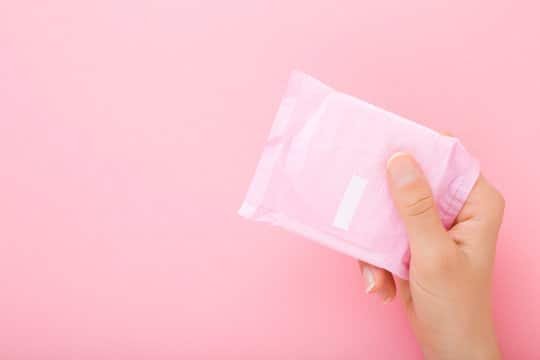
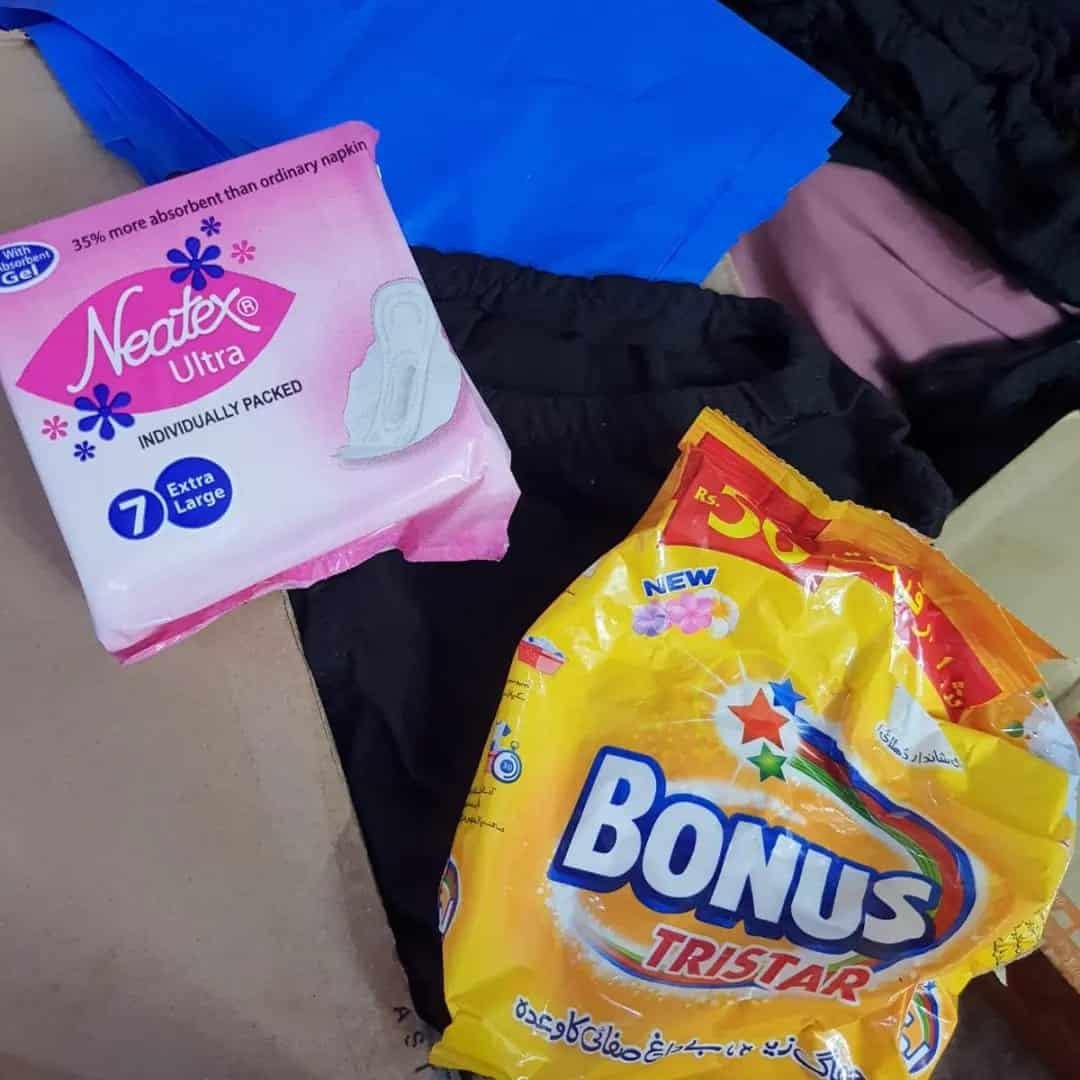
Pakistan is in the throes of devastating floods that have wreaked havoc across all four provinces. The scale of devastation has been estimated to be more than $10 billion. And yet with thousands of lives lost, and millions homeless, we are still debating on whether sending sanitary napkins to the flood-affected areas is a good idea or not. As per an estimate, 8.2 million women in flood-affected areas are of reproductive age. Menstruating women in disaster-hit areas require access to safe and clean menstruation hygiene products. We need to understand that periods don’t pause during floods or rains. It’s a natural process that keeps happening every month to every woman of age. There are women who are pregnant. There might be a few girls who will get their periods for the time. Due to the present conditions when there is no clean water, the use of cloth can be dangerous as well. There are reports that women have had to resort to using leaves in the flood-affected areas during their periods.
In times like these when every human matters, why does it happen that women are so conveniently put under the radar and a product that is a basic need for any woman of age, becomes a topic of debate in terms of whether it is a luxury or a necessity? When will people learn to accept that talking or educating about periods is not taboo? It’s about a woman’s hygiene and health. We all need to understand that men and women all need to be treated the same way, with dignity and equality. All of them need the same basic facilities.
It will take a lot of effort and manpower to provide the rehabilitation and relief needed for millions of people. It’s time we hit pause on always putting women under the radar and for once act with reason and responsibility towards them. We need to learn to empathise with the flood victims without gender discrimination.
The devasting floods have killed at least 1,191 people in the country. Balochistan and Sindh are the most affected provinces of the country. Hundreds of thousands of people who were displaced by the floods since June are currently residing in camps or with host families.
As per an estimate, 8.2 million women in flood-affected areas are of reproductive age. Menstruating women in disaster-hit areas require access to safe and clean menstruation hygine products.
Many organisations are donating sanitary pads for women. However, a debate has been going around for days that whether sanitary pads should be donated or not. Some give the arguments that rural women do not use and do not know how to use sanitary pads, and donating them sanitary pads is a waste of already limited resources. While others give an argument that disposing of sanitary pads pollutes the environment.
“One study has suggested that there may be an increased risk of urogenital infections, such as yeast infection, vaginosis or urinary tract infections, when women and girls are not able to bathe and/or change or clean their menstrual supplies regularly,” a report published by the United Nations Population Fund reads.
Here is the United Nations Children’s Fund (UNICEF) Guide to Menstrual Hygiene Materials:
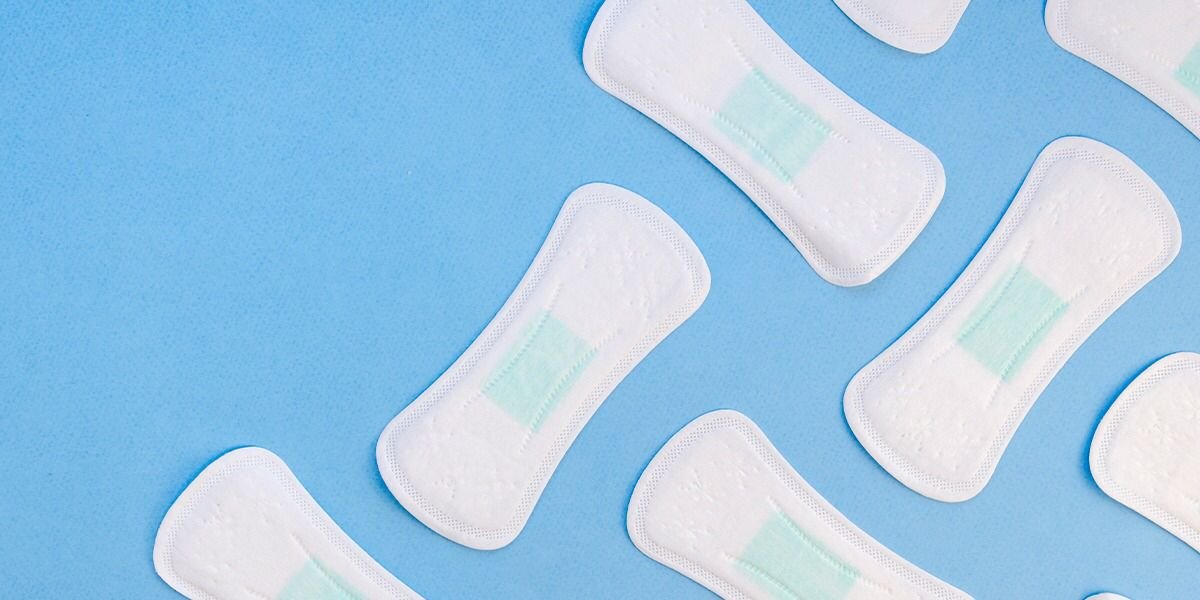
Pads are arguably the most widely used period product the sanitary pad/napkin has been commercially available for more than a century. They are worn inside the user’s underwear and absorb menstrual blood through layers of absorbent material, often rayon, cotton, and plastic. Pad design has changed over the decades to become considerably more absorbent and pleasant, with a wide selection available to suit different flows.
Talking about the arguments going around regarding the negative consequences of using disposable pads environment Lawyer Ahmad Rafay Alam while talking to The Current about the issues said, “Women are as entitled to their dignity as men. Screaming plastic pollution at a time like this is disingenuous at best. We can work out plastic pollution issues soon. Let’s first deal with the millions of women who menstruate.”
Dr Alia Haider, who is working for the relief of flood victims in Khyber Pakhtunkhwa (KP), while talking to The Current said that women in flood-affected areas do not have access to sanitary pads or the clothes they would normally use, as all of their belongings were completely destroyed.
Talking about the need of donating sanitary pads in flood-affected areas Haider said, “It would be very unfair to give women medicines but not sanitary pads,” adding that sanitary pads are not a luxury but a basic human need.
However, she said that donating sanitary pads is not enough, a tutorial about how to use them should be sent along or people distributing them should go and teach the flood-affected women.
“When I was working in medical camps in those areas, women came to me and said they don’t need it because they don’t know how to use them, then I used to take a group of 10 to 15 women in a room and used to teach them how to use sanitary pads. I made sure that they know that these are disposable.
She continued by adding, “We can also find and coordinate with women from those communities and backgrounds who know how to use sanitary pads and they can teach their fellow community members” So we need to connect with them on a community level.”
“When I was in Rajanpur, Taunsa, a woman did not know how to use sanitary pads so a guy came to me and said do get it to them. I asked the guy if he knows someone who knows how to use sanitary pads, to which the boy replied that his wife knows how to use them. Then I asked him to bring his wife, she knew how to use it and she offered that she would teach women in that community how to use sanitary pads.”
“We can’t sit idle and say oh my God that this is not the need of the time. Not maintaining menstrual hygiene can lead to many issues including Urinary tract infection (UTI), fungal infection, and prolonged use of clothing cause menorrhagia (excessive bleeding). During my visit to flood-affected areas, almost 60 to 70 per cent of women were suffering from Menorrhagia and other infections.”
She said that she does not think there is any other option than sanitary pads because even if they are provided with clothes, they will not have the resources to wash them or reuse them. Sanitary pads are accessible and disposable so they are the best option available according to Dr Alia’s assessment.
Where can you donate?
Bushra Mahnoor, who is leading a campaign called “Mahwari Justice” along with her friend Anum, while talking to The Current said that they started the campaign when the floods hit Pakistan at the end of June.
Mahwari is an Urdu word for Menstruation and Mahwari Justice means justice for women who menstruate and who are in dire need of menstrual assistance.
Talking about why she felt compelled to start the campaign, Bushra said,” I was a kid when the 2010 foods hit Pakistan. A lot of areas near my hometown Attock were flooded. My parents would collect goods and would take them to relief camps.”
Once when she went along with her parents to a relief camp, she saw a girl who was a year or two older than her. The girl’s shirt and shalwar (trousers) were spotted with large blood stains.
“My mother approached the girl and gave her a shawl to cover herself and a piece of clothing to use [as a pad]. The young girl explained to my mother that her periods started in the relief camp and she had nothing to use as a sanitary cloth. The girl was using her dupatta to manage periods but it was barely doing the job.”
“When floods hit Pakistan this year, the image of that little girl flashed into my mind and I knew I had to do something,” said Mahnoor. She then contacted Anum and they both decided that they had to do something for the women in flood-affected areas.
“Women and their needs get neglected not only by the state but by relief campaigners as well.”
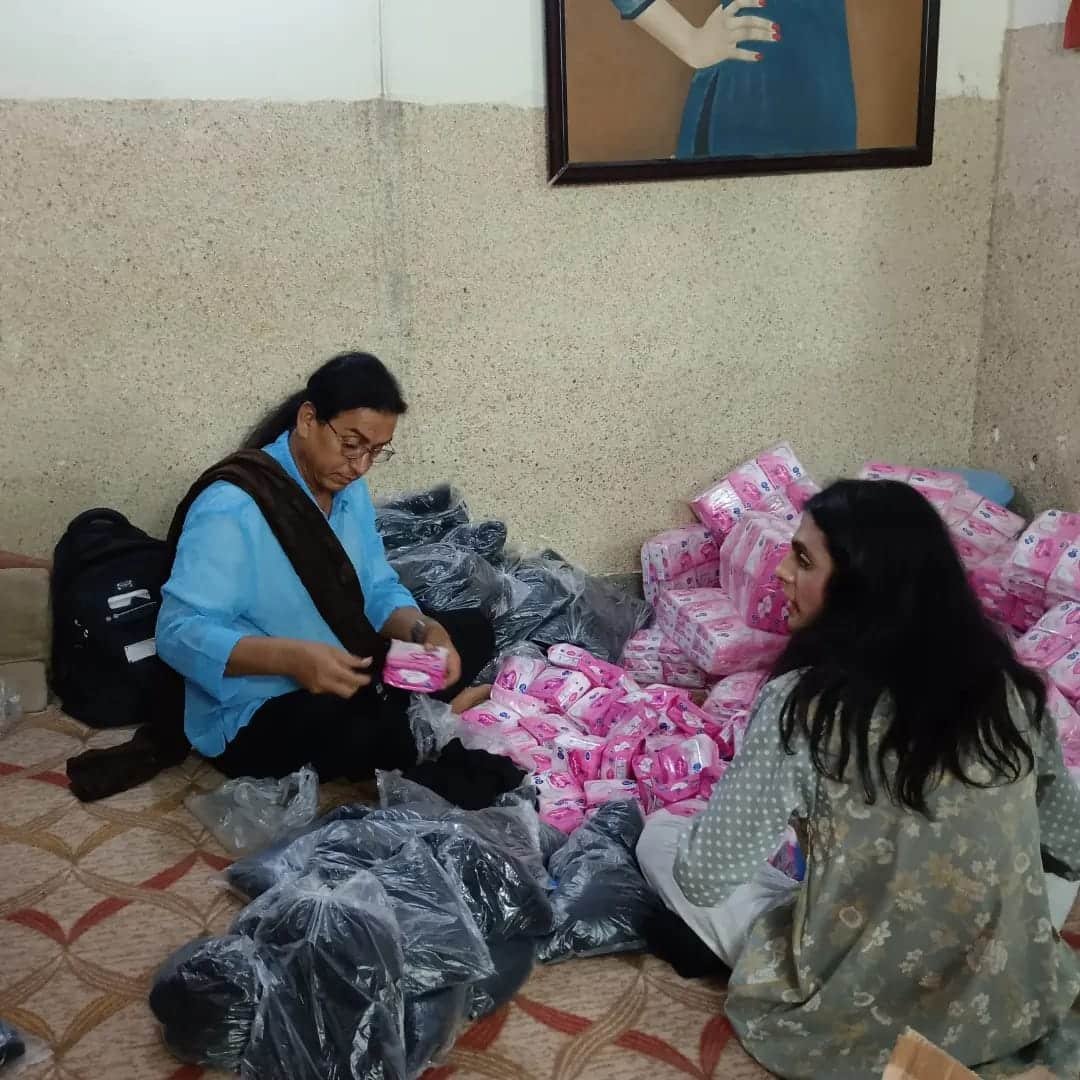
Mahnoor told The Current that Mahwari Justice is collecting sanitary napkins, cloth pads, cotton pads, underwear and sheets which they then donate to women in disaster-hit areas.
“There are many people who are saying that women in rural areas do not use sanitary pads. Why don’t they use sanitary pads? Because they do not have access to them and the critique is mostly coming from those who maybe have never used a cloth pad in their lives,” she stated.
Bushra comes from a lower-income background and for most of her life, she used a cloth pad. “Do you even realise, how uncomfortable and how unhygienic and how itchy the cloth pads are?” she wondered, adding: “I had to use cloth pads because we did not have the resources to buy sanitary napkins. It was difficult to afford sanitary napkins for six people every month.”
Mahoor further said that she agrees that sanitary pads have many problems too, but she does not understand why people think it is okay to preach about climate impact when an urgent crisis has hit the country.
“Pakistan is only contributing one per cent to the global carbon emission and women in rural areas do not make even a fraction of that one per cent.” She said she doesn’t understand why people are so worried about the waste that will be generated.
Anum Khalid, who started this campaign with Mahnoor while talking to The Current said, “If a flood victim is thirsty and you are giving them water in a plastic bottle, does that not harm the environment?”.
She continued by saying, “Bushra and I started this campaign to provide immediate relief to women or other menstruators from the issues they face from continuous bleeding.”
United Nations (UN)’s report on Guide to Menstrual Hygiene products suggests that consultation should be done on what products women are comfortable using because different materials and products are utilised for this purpose.
Anam said that they now send information about how to use sanitary pads along with their sanitary kits. They are also providing cloth pads for women in the areas where women ask for them because of their cultural preferences.
She continued by adding that our volunteers are teaching women in rural areas in their own language how to correctly use sanitary napkins.
She concluded by saying that the debate about whether something is a luxury or a basic need in times of crisis was tragic. “Our justice campaign, I believe, is helping to change the belief that sanitary pads are luxury,” she stressed.
Appeal for donations
Help us reach more flood-affected women and girls!
Two young sisters were kidnapped, kept in confinement and then raped for four months allegedly by a landlord and his employee.
The horrifying incident took place in the Khaur police station area of Pindigheb town in Attock.
According to the survivors’ father, who is a labourer, his 16-year-old and 18-year-old daughters were abducted by the local landlord and his personal employee four months ago.
He said that the suspect kept his daughters in illegal confinement and raped them. Later, the girls escaped from confinement, reached their home and narrated the whole incident.
After a medical examination by the police, it was confirmed that the teenagers were raped, which led to the registration of a case against the suspects.
However, no arrest has been made so far.
In Lahore, another incident took place where a 10-year-old girl was allegedly raped and then murdered. The murdered girl allegedly went swimming at a pool with her brother and five-year-old sister.
The data has been compiled by the Sustainable Social Development Organization (SSDO) and the Centre for Research, Development and Communication (CRDC). The cases that have been reported in mainstream media are added in the report.
Punjab
A total of 77 cases of physical assault were reported in Punjab — 93 women in Punjab were abducted, 47 cases of sexual assault cases were recorded. As far as domestic violence cases are concerned, Punjab reported 58 cases. Three honour killing incidents took place. At least five cases of workplace harassment were reported in the province. In July, 42 children were sexually abused and 30 children were kidnapped. Meanwhile, 10 children were murdered and eight child labour cases were reported. 10 cases of physical violence against children were recorded. The province also reported three cases of child marriage.
Sindh
Sindh recorded 34 physical assault cases. A total of 20 cases of abduction took place, 16 women were subjected to rape, 15 cases of domestic violence were reported and in the name of honour killing, four women were killed in Sindh. Moreover, two work harassment incidents were reported in the province. Over July, 21 children were sexually abused,13 children were kidnapped from Sindh, 14 children were physically abused while five children were murdered in the province. Three cases of child marriage were reported.
Islamabad
Six incidents of physical assault occurred in the capital and 15 cases of kidnapping were reported. 10 cases of rape were reported. Four cases of domestic abuse were reported. Ten children were sexually abused and eight children were kidnapped. Two incidents of physical abuse against children were reported and two children were murdered.
Balochistan
The province had no reported case of physical assault. Two cases of abduction were reported during the month of July. Balochistan reported one rape incident. When it comes to domestic violence, Balochistan registered zero such incidents. Three children were sexually abused in Balochistan and four children were kidnapped. No physical abuse case was reported. Two children were murdered.
Khyber Pakhtunkhwa
16 incidents of physical assault were reported, three cases of abduction occurred, 11 cases of rape were reported and17 cases of domestic violence were reported in KP. 32 children were sexually abused and 27 children were kidnapped. 11 cases of physical violence against children were reported and three children were murdered. One child labour case was reported.
A study from MIT Sloan Associate Professor Danielle Li finds that female employees are less likely to be promoted than their male counterparts, despite outperforming them and being less likely to quit.
In the paper, ’Potential’ and the Gender Promotion Gap, Li found that even though female employees received higher performance ratings than male employees, they still received 8.3 per cent lower ratings for potential than men. Results showed that women were 14 per cent less likely to be promoted than their male counterparts. The annual promotion rate is 1.64 percentage points lower for women, corresponding to a 13 per cent lower likelihood.
Management-track of 30,000 employees at a large North American retail chain between February 2009 and October 2015 was studied. Women made up about 56 per cent of entry-level workers. Rising through the ranks, women made up 48 per cent of department managers, 35 per cent of store managers, and 14 per cent of district managers.
The research found out that relative to men with the same scores for potential, women outperformed their previous year’s score. Yet they were still given lower potential ratings heading into the next year.
“The result I found most depressing in the paper is the result in which women outperform their stated potential,” said Professor Danielle Li in an interview. “Women have to hit a higher threshold of future performance in order to justify the same potential score.”