Tag: World Health Organization

  • Hepatitis viruses kill 3,500 people a day: WHO

    Hepatitis viruses kill 3,500 people a day: WHO

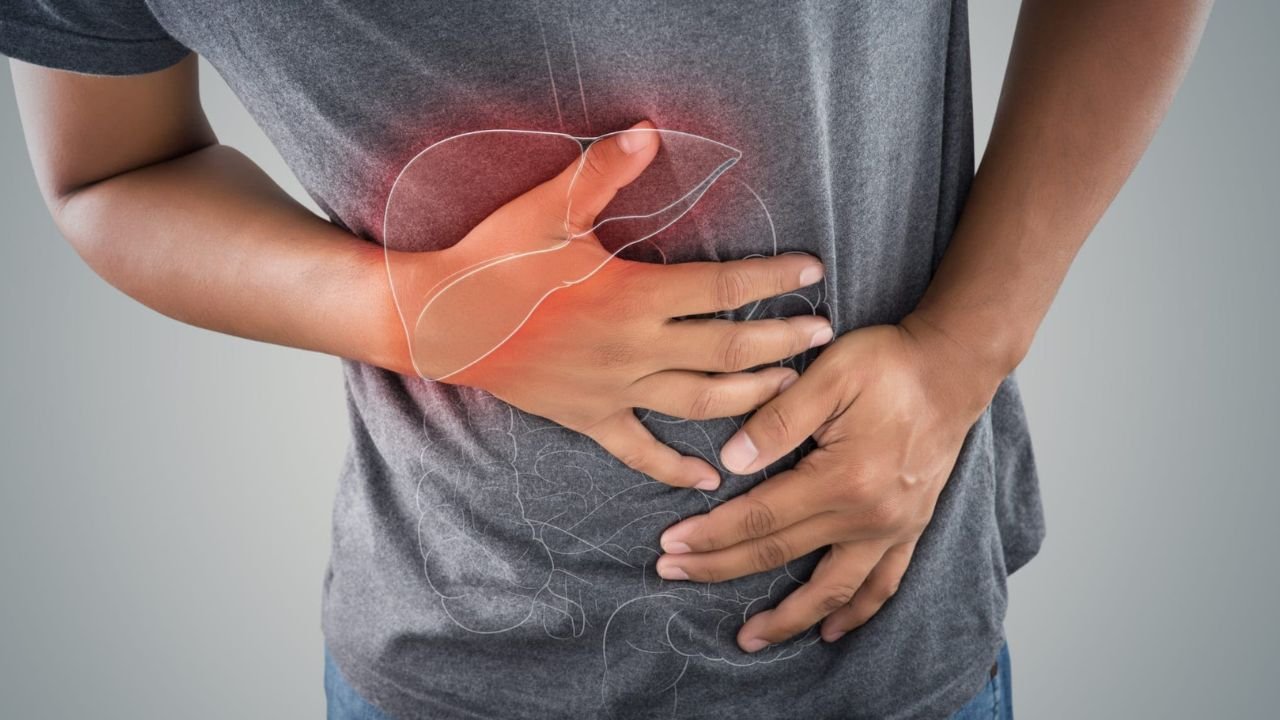
    More than 3,500 people die from hepatitis viruses every day and the global toll is rising, the World Health Organization warned on Tuesday, calling for swift action to fight the second-largest infectious killer.

    New data from 187 countries showed that the number of deaths from viral hepatitis rose to 1.3 million in 2022 from 1.1 million in 2019, according to a WHO report released to coincide with the World Hepatitis Summit in Portugal this week.

    These are “alarming trends,” Meg Doherty, head of the WHO’s global HIV, hepatitis and sexually-transmitted infection programmes, told a press conference.

    The report said that there are 3,500 deaths per day worldwide from hepatitis infections — 83 percent from hepatitis B, 17 percent from hepatitis C.

    There are effective and cheap generic drugs which can treat these viruses.

    Yet only three percent of those with chronic hep B received antiviral treatment by the end of 2022, the report said.

    For hep C, just 20 percent-or 12.5 million people-had been treated.

    “These results fall well below the global targets to treat 80 percent of all people living with chronic hep B and C by 2030,” Doherty said.

    The overall rate of hepatitis infections did fall slightly.

    But WHO chief Tedros Adhanom Ghebreyesus emphasised that the report “paints a troubling picture”.

    “Despite progress globally in preventing hepatitis infections, deaths are rising because far too few people with hepatitis are being diagnosed and treated,” he said in a statement.

    Africa accounts for 63 percent of new hep B infections, yet less than one in five babies on the continent are vaccinated at birth, the report said.

    The UN agency also lamented that the affected countries did not have enough access to generic hepatitis drugs — and often paid more than they should.

    Two thirds of all hepatitis cases are in Bangladesh, China, Ethiopia, India, Indonesia, Nigeria, Pakistan, the Philippines, Russia, and Vietnam, according to the report.

    “Universal access to prevention, diagnosis, and treatment in these 10 countries by 2025, alongside intensified efforts in the African region, is essential to get the global response back on track,” the WHO said in a statement.

    Viral hepatitis is the second-biggest infectious killer, narrowly trailing tuberculosis.

  • More than half of world’s population could face measles outbreak by end of 2024: WHO

    More than half of world’s population could face measles outbreak by end of 2024: WHO

    The World Health Organization (WHO) has warned that if urgent measures are not taken, more than half of the world’s countries may face a measles outbreak by the end of the year.

    During a press conference in Geneva, WHO said that many countries have not been vaccinating against measles this year.“What we are worried about is this year, 2024, we’ve got these big gaps in our immunisation programmes and if we don’t fill them really quickly with the vaccine, measles will just jump into that gap,” stated Natasha Crowcroft, a senior technical adviser on Measles and Rubella.

    She called for urgent action to protect children, saying there was a “lack of commitment” by governments given competing issues like economic crises and conflict.

    According to data from the World Health Organization, last year measles cases worldwide increased by 79 percent.

    Death rates are higher in poorer countries due to weaker health systems, Crowcroft said, adding that outbreaks and deaths were also a risk for middle and high-income countries.

  • World must be ready to fight ‘disease X’ : WHO

    World must be ready to fight ‘disease X’ : WHO

    Director General of the World Health Organization (WHO) Dr. Tedros Adhanom has said that Disease X is a global problem that we need to be prepared for.

    Addressing the World Economic Forum in Davos, Switzerland, the WHO head talked the next possible global epidemic, dubbed Disease X.

    The name was first added to the WHO list in 2018, before the emergence of Covid-19.

    Dr. Tedros Adhanom said, “You can call Covid the first Disease X and it may happen again in the future.”

    He acknowledged that some people will say that such a warning will spread fear, but pointed out that it is better to be prepared for everything because it has happened many times in our history and now we have to start preparing for the next epidemic.

    Dr. Tedros said that the world learned from the Covid epidemic how to deal with the next epidemic.

    WHO discussed plans for a global agreement to prevent future pandemics in 2021.

    The head of the WHO said in Davos that the agreement to prevent epidemics will be the most important to protect the world from future epidemics. So far, many countries could not agree on the terms of this agreement.

    Dr. Tedros Adhanom stated that the negotiations between the member states are going on and WHO expects the agreement to be reached in time. “If our generation does not do it, we do not think the next generation will do it. Because this is about a common enemy and without a shared response, starting from the preparedness … we will face the same problem as COVID,” added the WHO chief.

    Reminding his audience that the deadline for the pandemic agreement is May 2024, he said that he hopes countries will reach this pandemic agreement by that time.

    He went on to say that if this generation who has first-hand experienced a pandemic cannot do it, he does not think the next generation will be able to do so.

    “So for our children and grandchildren’s sake, … we have to prepare the world for the future,” added Ghebreyesus.

  • Children are being lured by e-cigarettes, World Health Organization warns

    Children are being lured by e-cigarettes, World Health Organization warns

    The World Health Organization (WHO) has warned that children around the world are being lured into using e-cigarettes through social media, leading to nicotine addiction.

    With more than 16,000 flavours of e-cigarettes available, WHO asserts urgent action to prevent children from becoming addicted to e-cigarettes.

    E-cigarettes are not helping in quitting smoking, and there is no age limit for the sale of e-cigarettes in 88 countries around the world, it added.

    Additionally, there is no law related to e-cigarettes in 74 countries of the world, WHO has highlighted, stressing that e-cigarettes can also cause cancer, heart, lung and mental diseases.

    The organisation has suggested that stricter legislation and enforcement is needed to stop the sale of e-cigarettes.

    “Urgent action is needed to control e-cigarettes to protect children, as well as non-smokers and minimize health harms to the population,” the WHO wrote in the release.

  • World Health Organization’s annual report highlights growing threat of malaria due to climate change

    World Health Organization’s annual report highlights growing threat of malaria due to climate change

    World Health Organization (WHO) has released an annual malaria report which includes, for the first time, a dedicated chapter focused on the intersection of the disease with climate change. “We are at the crossroads of opportunities and challenges,” says the report.

    As described in the report, climate change is one of many threats to the global response to malaria. Millions of people continue to miss out on the services they need to prevent, detect, and treat the disease. Conflict and humanitarian crises, resource constraints and biological challenges such as drug and insecticide resistance also continue to hamper progress.

    The COVID-19 pandemic significantly disrupted malaria services, leading to a surge in both incidence and mortality rates, exacerbating already stalled progress against the disease. The world is in danger of losing the fight against malaria, as cases of the disease rose by around 5 million year-on-year in 2022, exceeding global targets to contain it, a new World Health Organization (WHO) report.

    Pandemic-related disruptions and extreme weather events linked to climate change have hindered the fight against malaria in recent years.
    Cases surged in areas where weather was most extreme.

    Floods in Pakistan last year, for example, led to a five-fold increase in malaria cases in the country, the report showed.
    Two new malaria vaccines, both of which are due to be available next year, provide some hope.

    But the report also showed a significant funding gap in the response. While $4.1 billion was invested in the global effort to tackle malaria in 2022, roughly $7.8 billion was needed, it said.

    Globally there were an additional five million malaria cases in 2022 over the previous year and five countries bore the brunt of these increases. Pakistan saw the largest increase, with about 2.6 million cases in 2022 compared to 500 000 in 2021.

  • World Health Organization forms a commission to combat threat of ‘loneliness’

    World Health Organization forms a commission to combat threat of ‘loneliness’

    World Health Organization (WHO) has announced the formation of a ‘Commission on Social Connection’ to address loneliness as an impending threat to mental health around the world. This commission will comprise 11 members from around the world.

    The commission intends to boost social connection as a priority and promote solutions for the unique health threat.

    Senior Pakistani Advocate and Human Rights Defender Hina Jillani has also been nominated as one of the 11 commissioners from across the globe. She will participate in the first leadership-level meeting on December 6-8, to be held at the WHO secretariat. The meeting is aimed at forming a flagship report released by the mid-point of the three-year initiative.

    Speaking to Dawn, Ms Jillani said, “It has been observed that people, families, and even communities are being isolated because of social media networks. Physical interaction has been reducing day by day. There is a need to find a solution to the issue. In countries like Pakistan, there is an issue that the younger people are migrating to the developed countries due to which their parents will be left alone and will face a severe kind of isolation.”

    One in four older people experience social isolation and the rates are broadly similar in all regions. Among adolescents, between 5–15 per cent experience loneliness, according to research findings.

    The rest of the 11 commissioners also include Japan’s loneliness minister Ayuko Kato, Minister of Health and Social Protection in Morocco Khalid Ait Taleb, Sweden’s Minister for Health and Social Affairs Jakob Forssmed, Chile’s Minister of Health Ximena Aguilera Sanhueza, Permanent Representative to the UN from Kenya Cleopa Mailu, Minister of Climate Change Vanuatu Ralph Regenvanu, Deaf-Blind Advocate and Activist of United States Haben Girma and United States Google Chief Health Officer Karen Desalvo.

    This commission will find a new agenda on social connections, raising awareness, and building collaborations that will drive evidence-based solutions for countries, communities and individuals.

  • We need to talk about depression and mental health…now

    We need to talk about depression and mental health…now

    The recent tragic incident involving the son of a prominent religious scholar, Maulana Tariq Jamil, has once again brought the discussion of mental health to the forefront.

    The heartbreaking revelation that Asim Jamil, son of Maulana Tariq Jamil, couldn’t survive due to severe depression and eventually took his own life, highlights the urgent need to address the often-neglected intersection between religion and mental health.

    According to the elder son of Maulana Tariq Jamil, Yousaf Jamil, Asim had been grappling with severe depression since childhood. Despite undergoing treatment, including Electroconvulsive Therapy (ECT), his mental illness only deepened in the last six months.

    As evidenced by Asim’s case, where even Electroconvulsive Therapy (ECT) proved ineffective, the necessity of professional medical intervention in severe cases of mental illness cannot be overstated.

    Despite the claims of certain public figures such as Resham, who said that depression “does not exist” and Feroz Khan, who while responding to a fan’s question regarding curing depression among 21-25 years old girls said: “Obey your men. Give them your responsibility and sit back and enjoy grapes. I’d do that if I was a woman. Be a queen,” it is important to recognise the limitations of this approach.

    It is pertinent to mention that the suicide rate in Pakistan has alarmingly crossed eight per cent (per 100,000 people), according to the World Health Organisation (WHO), and this can significantly be associated with mental health problems.

    According to WHO, there are only 0.19 psychiatrists in Pakistan per 100,000 inhabitants, one of the lowest numbers in the WHO-EMRO region as well as the entire world. The absence of trained mental health professionals in the country has created a major treatment gap, leaving more than 90 per cent with mental health issues untreated.

    Unfortunately, we, as a cultural collective, only end up making fun of people with mental health issues, sweep it under the carpet or pretend as if mental health is not an issue at all. We forget that globally, one in eight people have mental health conditions. We forget that being insensitive to mental health issues only increases the pain and agony of those who are facing these issues.

    In a country where we think a mentally troubled young man’s illness will be cured if he gets married, where we think talking about mental illness or seeking therapy or psychiatric treatment means you’re either not ‘man enough’, ‘weak’ or ‘mental’, we must raise awareness about mental health and how medical science can help resolve these issues.

    The unfortunate incident involving Asim Jamil highlights the urgency of destigmatising conversations surrounding mental health. It is imperative to foster an environment where individuals feel comfortable discussing their struggles openly without fear of judgement or discrimination.

  • Red alert: WHO, UNICEF say largest decline in childhood vaccinations in almost 30 years

    Red alert: WHO, UNICEF say largest decline in childhood vaccinations in almost 30 years

    The largest sustained decline in childhood vaccinations in approximately 30 years has been recorded in official data published by the World Health Organization (WHO) and the United Nations International Children’s Emergency Fund (UNICEF).

    According to WHO, 18 million children did not receive a single vaccine in 2021, which is the largest decline in 29 years, due to Covid-related disruptions, emergencies and misinformation. Around 25 million children around the world missed out on routine vaccinations in 2021, which is two million more than those who missed out in 2020 and six million more than in 2019, highlighting the growing number of children at risk from devastating but preventable diseases. The percentage of children who received three doses of the vaccine against diphtheria, tetanus and pertussis (DTP3) – a marker for immunisation coverage within and across countries – fell 5 percentage points between 2019 and 2021 to 81 per cent.

    The decline was due to many factors including an increased number of children living in conflict and fragile settings, increased misinformation and Covid-related issues such as service and supply chain disruptions.

    However, Pakistan returned to pre-pandemic levels of vaccination coverage due to high-level government commitment and significant catch-up immunisation efforts. WHO and UNICEF applauded Pakistan’s efforts to achieve this in the midst of a pandemic, when healthcare systems and health workers were under significant strain.

    “This is a red alert for child health. We are witnessing the largest sustained drop in childhood immunisation in a generation. The consequences will be measured in lives,” said Catherine Russell, UNICEF Executive Director.

    “While a pandemic hangover was expected last year as a result of Covid-19 disruptions and lockdowns, what we are seeing now is a continued decline. Covid-19 is not an excuse. We need immunisation catch-ups for the missing millions or we will inevitably witness more outbreaks, more sick children and greater pressure on already strained health systems,” added Russell.

  • New strain of Coronavirus detected in France, investigation underway

    New strain of Coronavirus detected in France, investigation underway

    French scientists have identified a new variant of coronavirus with 46 mutations, named IHU or variant B.1.640.2. It infected 12 people in Southeast France.

    According to the hospital, IHU Mediterranee in Marseille, the strain of coronavirus was detected in early December in a traveller who returned to France from the African country, Cameroon who reportedly infected 12 people. This new strain has more mutations than the omicron variant of coronavirus.

    The paper was published in a preprint server for Health Sciences, medRxiv, in which researchers found that “46 mutations” have not been spotted in any other countries nor recognised by the World Health Organisation (WHO).

    The authors of the paper said, “subsequent detection … of three mutations in the spike gene to screen for variants … did not correspond to the pattern of the delta variant involved in almost all SARS-CoV-2 infections at that time.”

    It is not yet decided by scientists if the new strain is infectious as compared to the omicron variant though it has more mutation than omicron.

    An epidemiologist and fellow at the Federation of American Scientists, Feigl Ding said, “What makes a variant more well-known and dangerous is its ability to multiply because of the number of mutations it has in relation to the original virus.”

    He continued, “This is when it becomes a ‘variant of concern’ — like omicron, which is more contagious and more past immunity evasive. It remains to be seen in which category this new variant will fall.”

    Earlier, Israel detected the first case of Florana disease which is a double infection of covid and influenza on December 30, 2021.

  • Deadly Omicron-new variant of Covid, raises alarm

    The new variant of the coronavirus was reported to the World Health Organization (WHO) from South Africa on November 24. It was declared a new variant “of concern” and named it Omicron, reports the BBC.

    On Friday, this variant was identified as the B.1.1.529 infection which was collected from a specimen on November 9. The cases in the majority of the provinces of South Africa were found to be increasing drastically. Only 24 per cent of the population of South Africa received the vaccination. The situation in the southern Africa region is alarming as the new variant, Omicron also emerged in Botswana, Belgium, Hong Kong, and Israel.
    “This variant has been detected at faster rates than previous surges in infection, suggesting that this variant may have a growth advantage,” the WHO said in a statement.

    Several countries banned or restricted travel to and from southern Africa including Australia, Japan, India, Iran, and Brazil. United Kingdom (UK) also restricted travelers from South Africa, Namibia, Zimbabwe, Botswana, Lesotho, and Eswatini unless they are UK or Irish nationals.

    Experts also claimed that it is too early to confirm the impact of the variant on vaccinated people and the rate of transmission.

    United States of America (USA) Infectious Disease Chief Dr Anthony Fauci said, “Until it’s properly tested. We don’t know whether or not it evades the antibodies that protect you against the virus.”