Tag: WWDC

  • iPhone users may be able to lock Messages, Photos in iOS 18

    iPhone users may be able to lock Messages, Photos in iOS 18

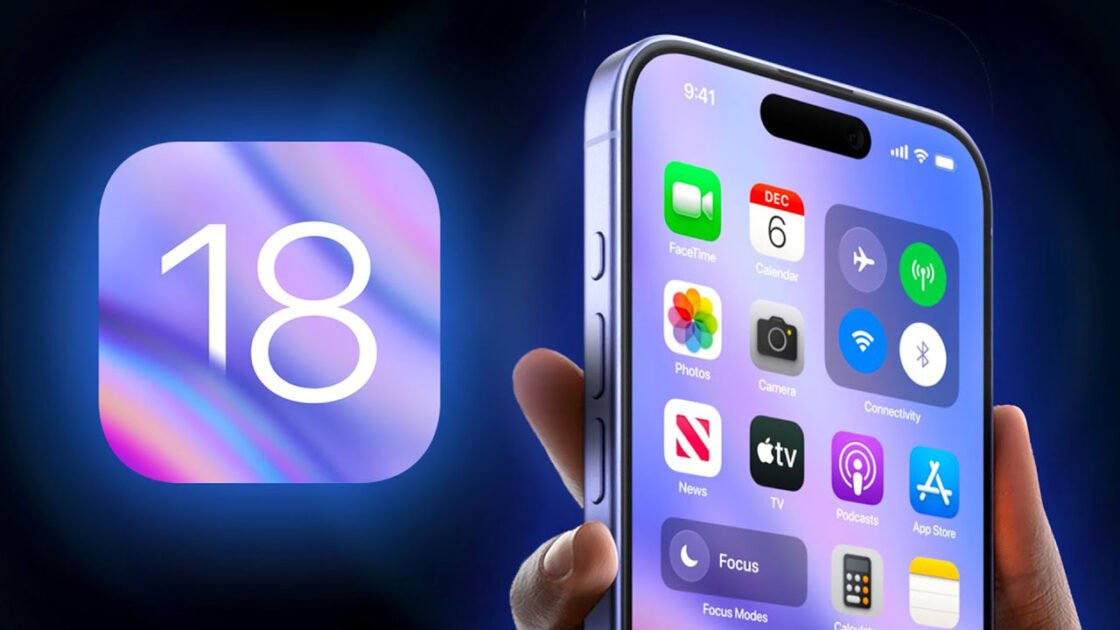
    The upcoming iOS 18 is anticipated to introduce a new security feature that allows users to lock individual apps, according to several sources familiar with the development.

    This feature is set to provide users with the ability to lock native iPhone apps such as Mail, Messages, Notes, Phone, Photos, Safari, and Settings, among others, thereby offering an additional layer of privacy and security.

    To unlock a locked app, users will need to authenticate via Face ID, and it is expected that Touch ID or an iPhone’s passcode will also be compatible with this feature.

    It remains unconfirmed whether this functionality will extend to third-party apps from the App Store.

    Currently, Apple permits certain content to be secured behind Face ID, Touch ID, or a passcode, such as notes in the Notes app and photos in the “Recently Deleted” and “Hidden” albums within the Photos app.

    The upcoming iOS 18 feature will expand this capability, allowing for entire apps to be locked, even when the iPhone itself is unlocked.

    iPhone users have previously resorted to using Screen Time or Shortcuts to lock apps, but these methods will become obsolete with the new iOS 18 functionality.

    Apple is set to unveil iOS 18 during its WWDC keynote on Monday. The initial iOS 18 beta is expected to be available to Apple Developer Program members immediately following the keynote, with a public release anticipated in September.

  • iOS 17 compatibility: Which iPhones will support the latest update?

    iOS 17 compatibility: Which iPhones will support the latest update?

    Apple has gained a reputation for its commitment to providing software and security updates for its iPhones for at least five years. The company’s annual Worldwide Developers Conference (WWDC) serves as a platform for introducing the latest iPhone operating system, and this year is no exception. On June 5, Apple is set to showcase iOS 17, which is rumored to bring a range of exciting features and user interface (UI) changes.

    One highly anticipated addition to iOS 17 is app sideloading. This feature will allow users to install applications from sources other than the official App Store. While it offers more flexibility, it also raises concerns about security and app quality. However, Apple has likely taken steps to ensure that sideloading is implemented responsibly to maintain a safe user experience.

    Alongside app sideloading, iOS 17 is expected to introduce significant UI changes. The control center will become fully customizable, empowering users to tailor it to their preferences. Additionally, customizable widgets will enable users to personalise their home screens further. These UI changes aim to enhance user satisfaction and provide a more tailored and intuitive experience.

    Now, let’s take a closer look at the iPhones that are likely to be compatible with the iOS 17 update and what users can expect from this upcoming software release.

    iPhone XS/XS Max and iPhone XR

    The iPhone XS/XS Max and iPhone XR are expected to be compatible with iOS 17. However, due to hardware limitations, these devices might receive a limited set of features. Nonetheless, users can still enjoy the benefits of the latest software improvements.

    iPhone 11, 11 Pro, and 11 Pro Max

    All models in the iPhone 11 series are likely to be eligible for the iOS 17 update. Similar to the XS/XR series, these devices might not support all the new features brought by the latest iPhone OS. Nevertheless, users can still benefit from the performance enhancements and security updates.

    iPhone 12, 12 mini, iPhone 12 Pro, and 12 Pro Max

    Owners of the iPhone 12 series can rejoice as all four models are expected to be fully compatible with iOS 17. Despite being nearly three years old, these devices will likely receive most of the new features introduced in the latest software release, showcasing Apple’s commitment to long-term support.

    iPhone 13, 13 mini, iPhone 13 Pro, and 13 Pro Max

    Just like the iPhone 12 series, the iPhone 13 lineup will also be fully compatible with iOS 17. This means that users of these devices can enjoy all the new features, even on older hardware. It’s a testament to Apple’s dedication to delivering a consistent experience across its product line.

    iPhone SE (2022)

    The Apple iPhone SE (2022) stands out as the only iPhone with Touch ID that will support the iOS 17 update. Powered by the A15 Bionic processor, the iPhone SE 3rd Gen is expected to receive most of the new features alongside the iPhone 13 series, ensuring a modern and feature-rich experience for users who prefer Touch ID.

    iPhone 14 and iPhone 14 Plus

    As the latest models in Apple’s lineup, the iPhone 14 and iPhone 14 Plus will be fully compatible with the iOS 17 update. Being at the forefront of technological advancements, these devices are likely to take full advantage of the latest iOS release, offering users the most cutting-edge features and improvements.

    iPhone 14 Pro and iPhone 14 Pro Max

    The iPhone 14 Pro and iPhone 14 Pro Max are expected to have the highest percentage of compatibility with iOS 17. Equipped with Dynamic Island and more powerful processors.

  • Apple to launch its first 15-inch MacBook Air with M2 chip at WWDC next week

    Apple to launch its first 15-inch MacBook Air with M2 chip at WWDC next week

    Apple is set to make a major announcement at this year’s Worldwide Developers Conference (WWDC), as Bloomberg’s Mark Gurman reports that the tech giant plans to introduce a new MacBook Air model with a larger 15-inch display. The highly anticipated unveiling is scheduled to take place during Apple’s event on Monday, June 5 at 10 AM Pacific Time.

    The upcoming MacBook Air will mark a significant departure from its predecessors, as it is expected to feature a 15.5-inch display, as revealed by reliable display industry analyst Ross Young.

    This represents a notable increase in screen size compared to the current MacBook Air’s 13.6-inch display. While the laptop had previously been offered in an 11-inch variant, Apple appears to be shifting towards larger displays to cater to user preferences.

    What’s new?

    According to renowned Apple supply chain analyst Ming-Chi Kuo, the new MacBook Air will be equipped with the highly acclaimed M2 chip, which has been widely praised for its enhanced performance. The M2 chip boasts an 18 per cent faster CPU, a 35 per cent faster GPU, and a 40 per cent faster Neural Engine when compared to the previous M1 chip. These improvements make the new MacBook Air an enticing option for users considering an upgrade from the 2020 MacBook Air.

    In addition to the improved performance, the larger chassis of the 15-inch MacBook Air will accommodate a bigger battery, potentially offering users a longer battery life. Apple’s current 13-inch MacBook Air with the M2 chip can last up to an impressive 18 hours per charge. With the larger form factor, it is anticipated that the 15-inch model may even approach the 20-hour mark, reaffirming Apple’s commitment to providing industry-leading performance-per-watt.

    Another anticipated upgrade in the new MacBook Air is the inclusion of Wi-Fi 6E, as seen in other recent Apple releases. While the 13-inch MacBook Air is currently limited to Wi-Fi 6, the 15-inch model is likely to benefit from the faster speeds, lower latency, and reduced signal interference provided by Wi-Fi 6E. Users will need to connect their devices to a Wi-Fi 6E router from brands like TP-Link, Asus, or Netgear to fully harness these advantages.

    Moreover, the new MacBook Air could potentially support Bluetooth 5.3, following Apple’s recent integration of the technology into its latest devices. Bluetooth 5.3 brings improvements in reliability and power efficiency compared to its predecessor, Bluetooth 5.2, enhancing the overall wireless experience for users.

    With the upcoming announcement of the 15-inch MacBook Air, Apple aims to cater to the demands of its user base by offering a larger display, superior performance with the M2 chip, extended battery life, and cutting-edge wireless connectivity. The unveiling at WWDC is eagerly anticipated by Apple enthusiasts and tech enthusiasts alike, and it further solidifies Apple’s commitment to innovation and delivering exceptional products to its customers.

  • Apple may cut off iPhone X and older iPad models from iOS 17 compatibility list

    Apple may cut off iPhone X and older iPad models from iOS 17 compatibility list

    According to French tech website iPhoneSoft, Apple’s upcoming operating system iPadOS 17 will no longer support the first-generation 9.7-inch and 12.9-inch iPad Pro models, as well as the fifth-generation iPad. This news corroborates earlier reports from a source with a reliable track record for predicting upcoming software updates. If the information is accurate, only the following devices will be compatible with iPadOS 17 when it is released in the fall: iPad Pro (2017 and later), iPad Air (third generation and later), iPad (sixth generation and later), and iPad mini (fifth generation and later).

    It’s important to note, however, that being on Apple’s compatibility list doesn’t guarantee that the device will fully support all features of the software. For instance, iOS 15 is compatible with all devices that can run iOS 14, but not all features will be available on older iPhones.

    In terms of iPhone compatibility, there are conflicting reports. The same source that leaked information about the iPad models that will be dropped from iPadOS 17 claimed that iOS 17 will also drop support for the iPhone 8, iPhone 8 Plus, and iPhone X. However, another anonymous leaker, who has shared accurate information in the past, disputed this claim. According to this second source, all iPhones that support iOS 16 will also support iOS 17, including devices powered by A11 chipsets like the iPhone X and iPhone 8/8 Plus.

    Last year, iOS 16 and iPadOS 16 discontinued support for several devices, including the iPhone 6s, iPhone 6s Plus, iPhone 7, iPhone 7 Plus, original iPhone SE, final iPod touch, second-generation iPad Air, and fourth-generation iPad mini. Apple is expected to announce iOS 17 during its WWDC keynote on June 5th.

  • Apple unveils all-new MacBook Air, powered by new M2 chip

    Apple unveils all-new MacBook Air, powered by new M2 chip

    At Apple’s Worldwide Developers Conference (WWDC), on May 6, the tech giant unveiled a new MacBook Air model.

    The MacBook Air is Apple’s most popular notebook, and the new design is expected to improve Mac sales in the coming quarters.

    As per Canalys, the Mac product line has been growing substantially in recent years, with shipments increasing by nearly 28 per cent in 2021 vs just under 15 per cent for the total market.

    Apple’s Mac lineup has witnessed increasing sales, owing to the pandemic forcing people to buy laptops to work or go to school from home, as well as Apple’s decision to using its own CPUs rather than Intel’s, which has considerably extended battery life.

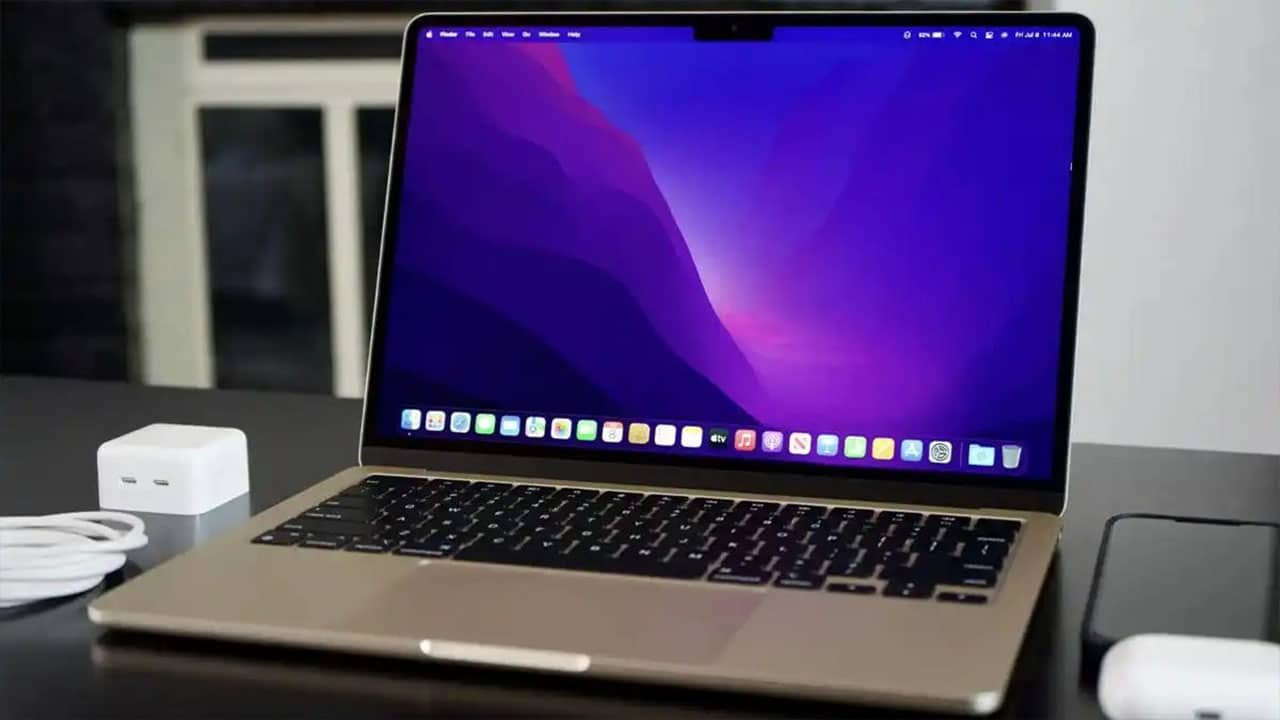
    The new MacBook Air is still a slim and light laptop, weighing in at 2.7 pounds, but it has a new style that includes a continuous thickness rather than the tapering wedge form that has been popular in recent years.

    The M2 chip, which was revealed Monday and would be quicker and more power-efficient than Apple’s previous chip, is at its heart. It comes with two USB-C Thunderbolt ports for connecting monitors and peripherals, as well as a headphone jack and a MagSafe magnetic charging connector.

    The 13.6-inch screen has been somewhat increased, but there is now a cutout around the camera, similar to the notch on iPhones. The videoconferencing camera has been improved to provide better colour and quality.

    Apple’s conventional silver, grey, and gold tones, as well as a new matte black called Midnight, are all available on the new model.

    Pricing

    The new MacBook Air costs more than the previous model, starting at Rs242,000 ($1,199) vs Rs200,000 ($999)  for the previous model, which is still on sale. The most powerful configuration costs Rs503,000 ($2,499).

    In recent weeks, the company has had difficulty maintaining Macs in stock due to substantial production disruptions caused by Covid lockdowns in Shanghai, China.

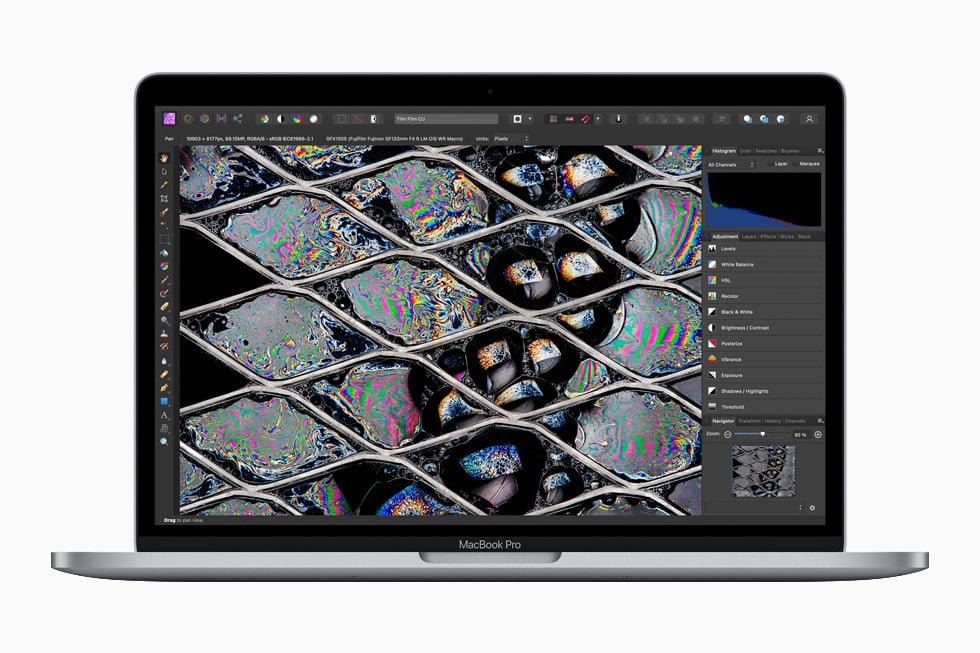
    A 13-inch MacBook Pro was also unveiled, but it was not ready for testing on Monday. Both new MacBooks will be available in July, according to Apple.