Tag: xiaomi

  • WhatsApp to introduce biometric chat locks for enhanced privacy and security

    WhatsApp to introduce biometric chat locks for enhanced privacy and security

    A number of Android OS skins from prominent brands such as Xiaomi offer app lock capabilities, whereby individual apps require authentication to gain access, sometimes by way of biometric verification.

    Stock Android can also be endowed with this feature by utilising various apps accessible on the Play Store, though their reliability can be called into question. Given the confidential nature of WhatsApp conversations, Meta’s ongoing development of a per-chat biometric lock embedded into the app is a positive move in the right direction.

    For an app that is advertised as having a strong focus on privacy and security, the absence of in-app biometric authentication options is highly noticeable. Luckily, according to WABetaInfo, the latest WhatsApp beta update available on the Play Store (v2.23.8.2) gives indications of a new feature being developed. This feature will allow users to lock individual chats using either a passcode or fingerprint, even though only the latter’s toggle is visible. It is suspected that the fingerprint unlock will require a passcode to be set up as a backup.

    Screenshots imply that it will be possible to lock sensitive group chats from the group info section. It also appears that all locked chats will be relocated to a vault-like space, separated from regular chats, hence requiring authentication only once. While it isn’t apparent from the shared screenshots, WABetaInfo reports that WhatsApp will erase the chat if users wish to unlock it by force, such as in the event of forgetting the passcode.

    There is little information available about how notifications for these chats will be displayed, what will happen to the media in the conversations, and how many chats can be locked. WhatsApp is one of the most well-known encrypted messaging apps in existence, yet it is not at the forefront of this feature. For instance, Telegram has allowed passcode or fingerprint unlocking since around 2018, but it is for the app as a whole rather than individual chats. It is somewhat perplexing why WhatsApp has not followed this path.
  • Xiaomi is gearing up to launch its first-ever Windows PC with gaming GPU

    Xiaomi is gearing up to launch its first-ever Windows PC with gaming GPU

    Xiaomi seems to be gearing up to enter yet another technological market. The Chinese juggernaut is most likely known for its smartphones, and some of you may be familiar with their line of laptops, but it now appears that at least a few Windows PCs are on the way.

    According to gsmarena, the two designs were reportedly planned to be unveiled at the Xiaomi event on December 1. Due to Jiang Zemin’s passing as the former general secretary of the Chinese Communist Party, the event has been postponed. It appears that two PC designs were still showed off to select folks a little early while we wait for a new date to be set.

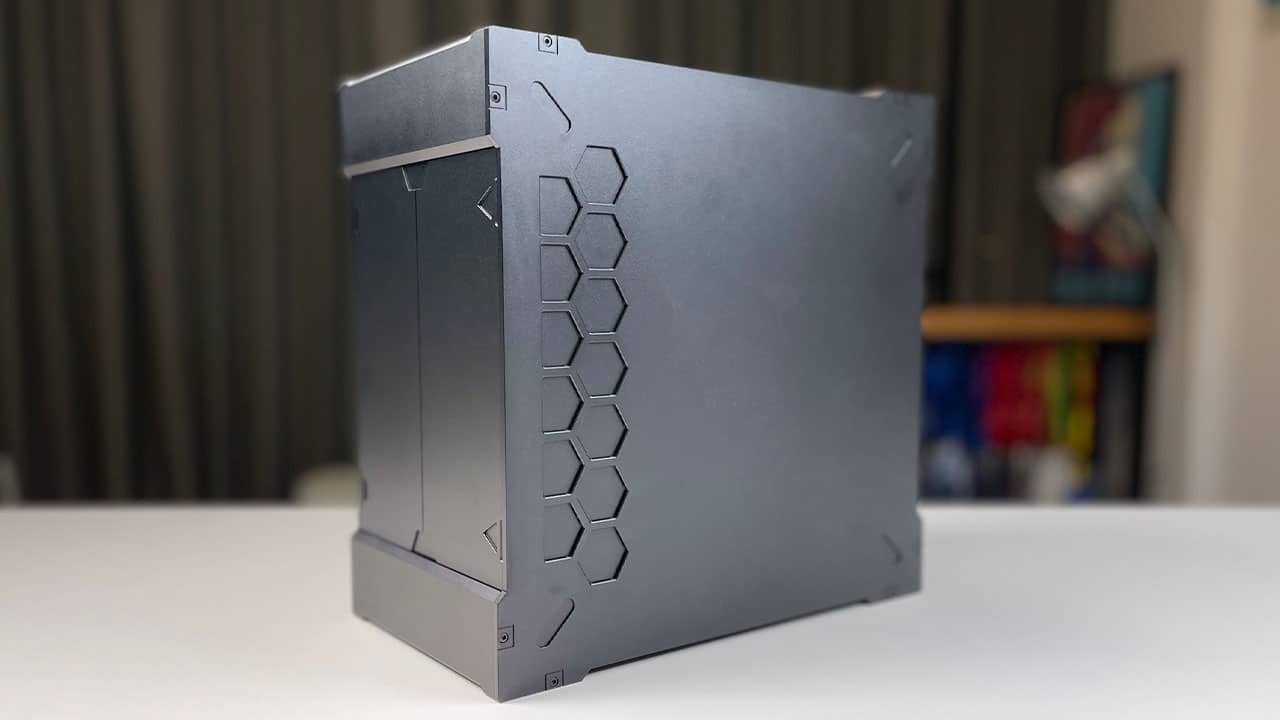
    Let’s begin with the stranger of the two. The Xiaomi Host Mini PC appears to be a small form factor (SFF) prototype that has been left in its most basic form. That is to say, the system in the image only has a 100W XM22AL5X PSU installed. The remainder of the hardware that will be included in the box hasn’t been revealed because it’s unlikely that Xiaomi will sell it as a barebones kit.

    We can infer from the images that a Mini-ITX motherboard will support low-profile, half-height, up to dual-slot dedicated GPUs. Although we are unsure of how a dedicated GPU will function with the 100W power supply, it’s possible that it isn’t the final or only component in the setup.

    The windows key and “M” key combination are illustrated on a bespoke plate that is attached to the back of the case. Perhaps Xiaomi intends to change the Windows key combination that generally dismisses all windows and replace it with a unique function. The mechanical switch that is mounted on the back of the Host Mini PC is another intriguing feature. Even though neither of us is certain what it does, the leaked Weibo images do show an accessory package that includes a keycap for the button in question, indicating that it is probably functional.

    Now let’s go on to the other system, about which we know a lot more. It is a small PC with a form factor similar to the Mac Mini or Intel NUC. It will reportedly be powered by a 45W MD Ryzen 7 6800H APU with a Radeon 680M RDNA2 iGPU, 16GB of memory, and a 512GB SSD.

  • Xiaomi launches 280,000 mAh power bank for outdoor use

    Xiaomi launches 280,000 mAh power bank for outdoor use

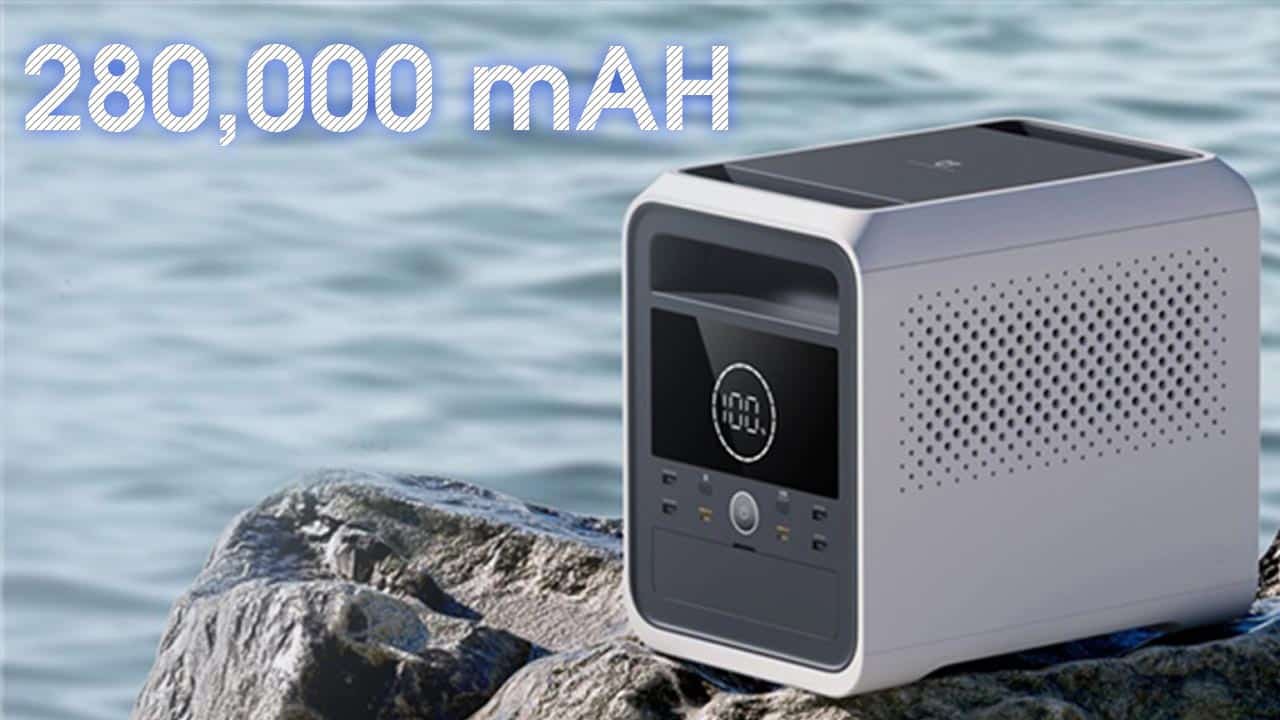
    The MIJIA Outdoor Power Supply 1000 Pro, a new outdoor power supply from Xiaomi, has been launched. This product will compete with outdoor power banks made by well-known companies like Anker and others.

    The “mixed solid-liquid electrolyte lithium battery” used by the MIJIA Outdoor Power Supply 1000 Pro has passed the acupuncture test. The internal battery pack may be recharged 1,000 times and complies with IP67 protection standards.

    With an ultra-high output rating of 220V/1800W, the power supply’s built-in 280000mAh/1022Wh super-capacity battery can handle the majority of outdoor electrical appliances and everyday items.

    The MIJIA Outdoor Power Supply 1000 Pro is capable of charging drones (28Wh) approximately 32 times, laptops (70Wh) approximately 13 times, SLR cameras (15Wh) approximately 61 times, camp lights (10W) approximately 92 hours, and car refrigerators (60W) approximately 15.3 hours, among other devices.

    Using two-way inverter flash charging technology, the MIJIA 1000 Pro can recharge 100 per cent of its power in just 1.5 hours and 80 per cent in just 50 minutes.

    The pure sine wave bidirectional inverter, which may be used as a home backup energy storage device, has a similar interface to the household mains waveform and allows for simultaneous charging of up to 13 devices.

    Additionally, the MIJIA Outdoor Power Supply 1000 Pro offers parallel charging of two solar panels at the same time, with a maximum charging power of 200W MAX, and may be used in conjunction with the MIJIA Solar Panel 100W.

  • Redmi unveils new Note 11T models with 144Hz Display, 120W charging

    Redmi unveils new Note 11T models with 144Hz Display, 120W charging

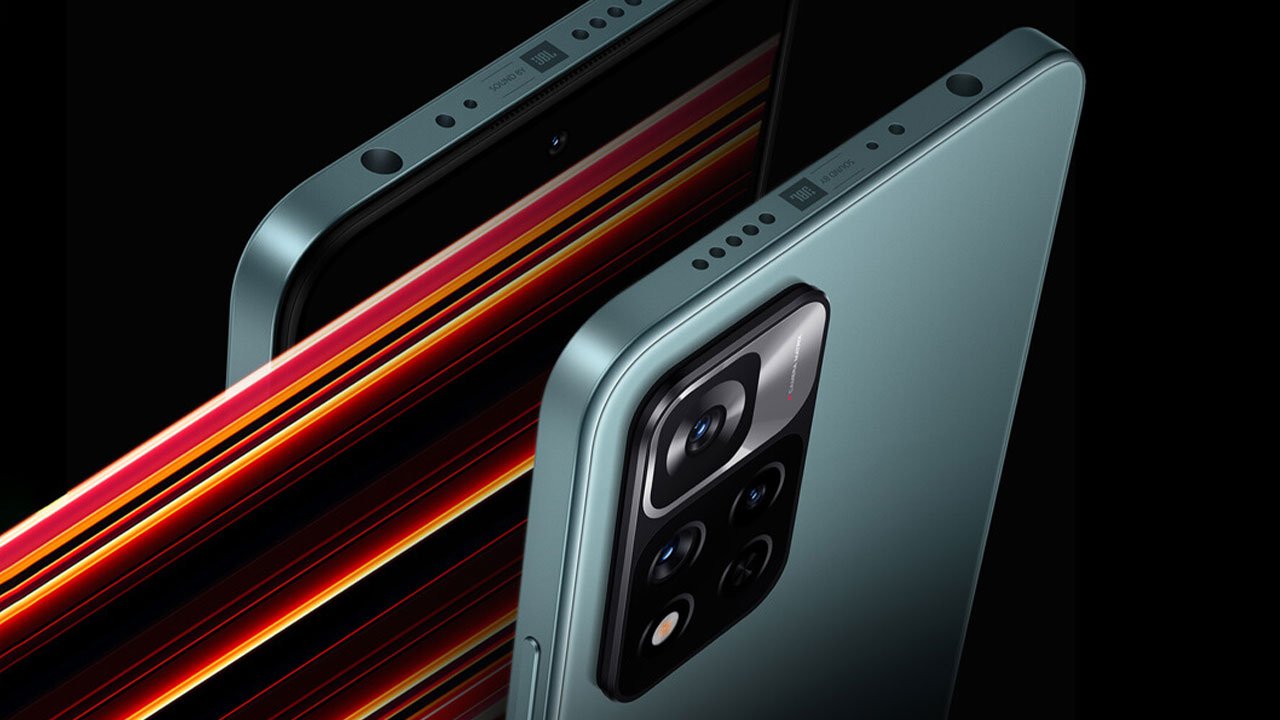
    Redmi’s President and General Manager Lu Weibing recently teased yet another future Redmi Note 11 variant. Presently, the Note 11 series offers a number of variants, still the tech giant is not done with it yet.

    The teaser graphic does not provide any features or design details, although the firm has previously hinted that the 11T phones will have a top-notch, turbo level performance. It is expected to include a number of performance-enhancing features.

    Redmi Note 11T Pro will include a 144Hz refresh rate LCD display, based on previous rumours. In China, it will be powered by MediaTek’s high-end Dimensity 8000 SoC, however, it is unclear what chipset would be used in the international or Pakistani variant. Also, the global variant will most likely have a different name.

    The Note 11T will have a 4,980 mAh battery with 67W fast charging support, while the Note 11 Pro will have a slightly smaller 4,300 mAh battery with 120W super fast charging.

    Read more: Apple may replace iPhone 14 mini with a Max model

    Redmi 11T phones will arrive in China before the worldwide market as the teasers are from China. A few months later, the Pakistani market and other countries will most certainly see an official release from the company.

  • Inauguration of Select Technologies Factory (wholly owned subsidiary of Air Link Communication Ltd.) in collaboration with Xiaomi H.K. Limited

    Inauguration of Select Technologies Factory (wholly owned subsidiary of Air Link Communication Ltd.) in collaboration with Xiaomi H.K. Limited

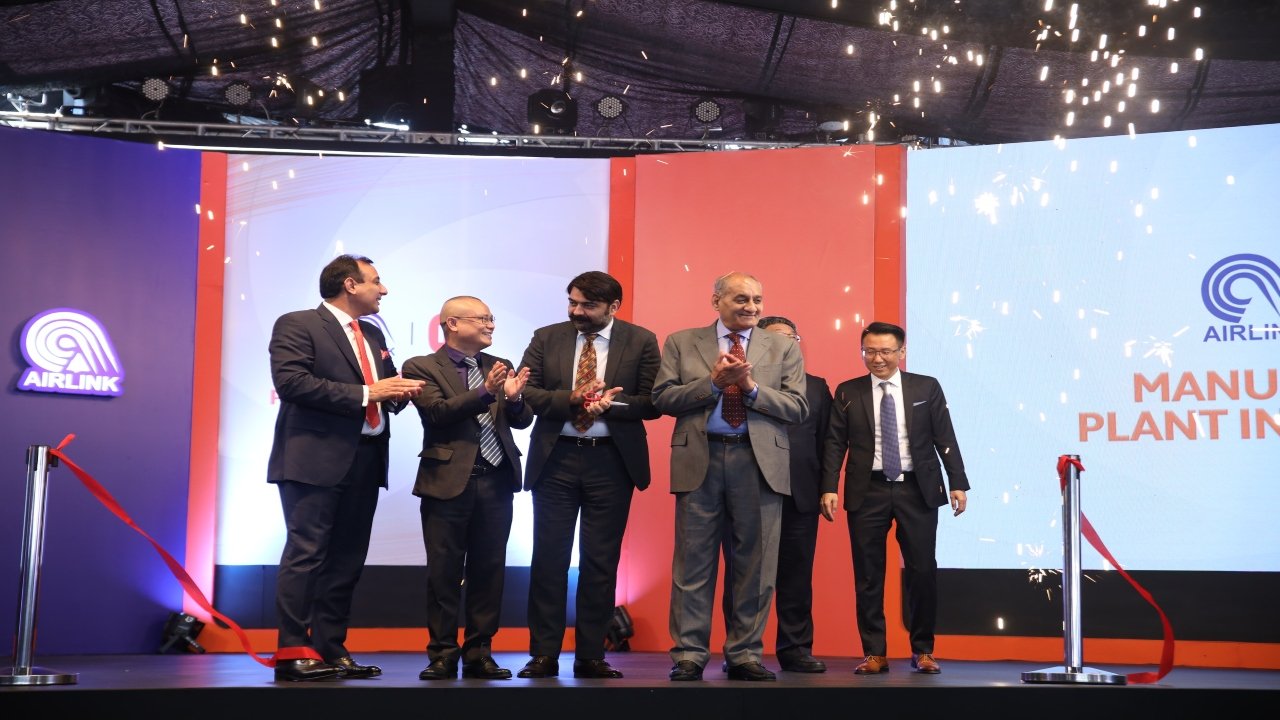
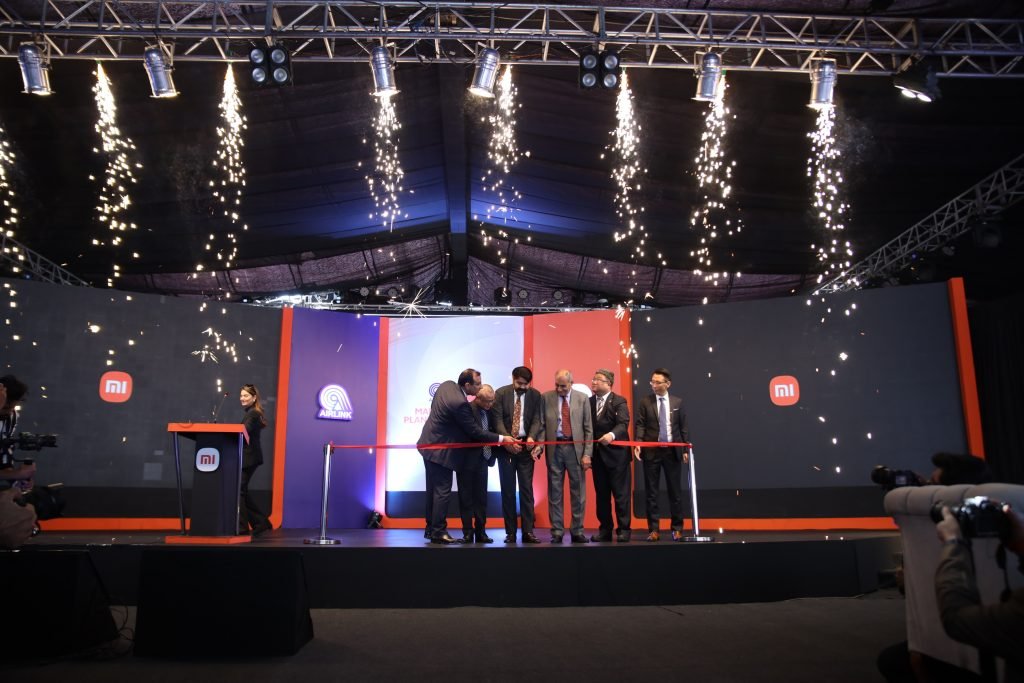
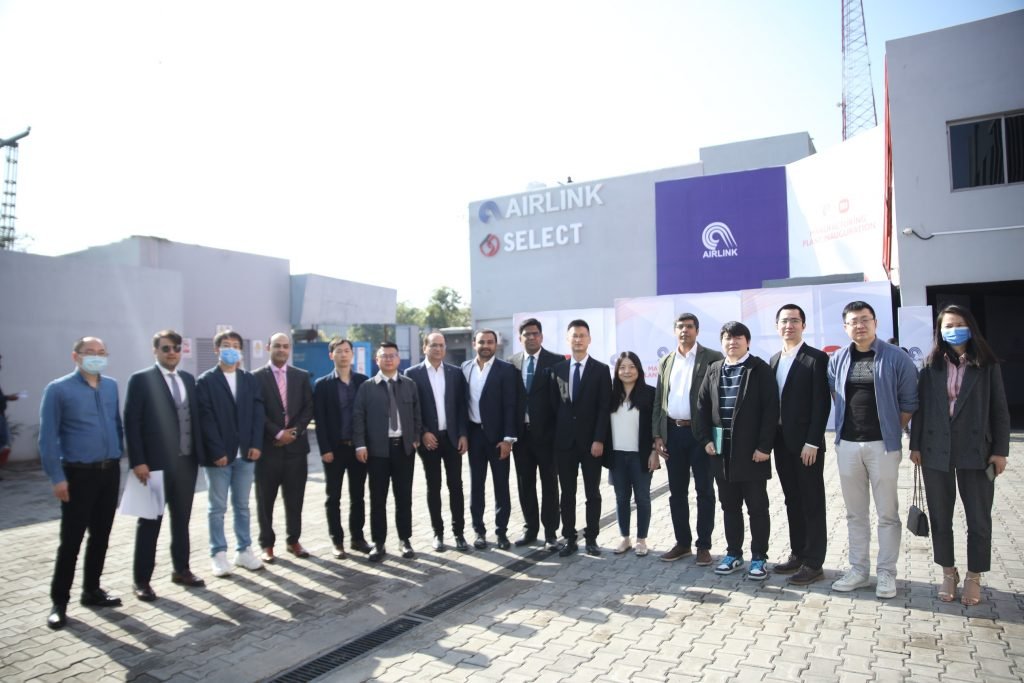
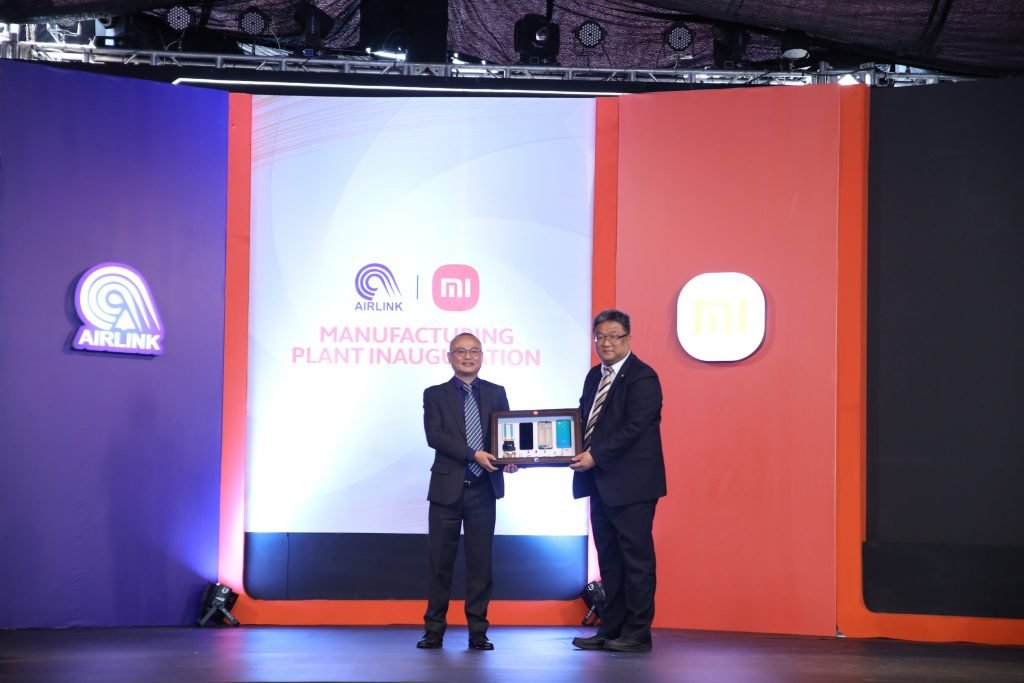
    Lahore, 4th March, 2022: Select Technologies, a wholly-owned subsidiary of Air link Communication Limited is proud to announce the inauguration of its smartphone manufacturing plant for the production of Xiaomi handsets in Pakistan.

    The event took place on the 4th of March at the factory located in Quaid-e- Azam Industrial Estate, Kot Lakhpat. Airlink group is one of the leading manufacturers, retailers and distributors of smartphones, with nearly all major global brands of the industry as their partners. The company holds approx. 20% market share in distribution and is set to enhance its footing by beginning production of Xiaomi handsets.

    Mr Muzzaffar Hayat Piracha, CEO Select Technologies, commenting on this auspicious occasion said, “Our partnership with Xiaomi is wonderful news not only for the company but also for Pakistan.

    Xiaomi is a global tech giant and market leader in innovative technology which is not only limited to smartphones. This venture will open many avenues as smartphone manufacturing is the first step towards a bigger goal. My aim is to register Pakistan on the global technological map with a vision of par excellence service delivery and product provision to every nook and corner of Pakistan. We will not only be localizing manufacturing; this will consequentially enhance exports of Pakistan and help us play our role in reducing the import bill.”

    Companies around the globe consider Pakistan’s mobile market as an emerging market with a plethora of opportunities for businesses. With the emergence of 3G/4G technology, there has been a significant increase subscriber base of mobile operators. Locking on this opportunity, mobile brands are providing consumers with a wider choice of smartphones at more affordable prices in the low tier range.

    This initiative is expected to drive a sales volume of 550 million USD in revenue. The huge production size will not only create new job opportunities for the citizens of Pakistan but will also contribute to the reduction in the country’s import bill and enable new possibilities in international business.

    This article is sponsored by Xiaomi.

  • PTA grants manufacturing license to Select Technologies for the manufacturing of Xiaomi mobile phones in Pakistan

    Pakistan Telecommunication Authority (PTA) has granted manufacturing license to Select Technologies Pvt. Ltd (a wholly owned subsidiary of Air Link Communication Ltd.) for the manufacturing of Xiaomi mobile phones in Pakistan. Air Link Communication Limited is consolidating its position as one of the leading mobile phone distributors and manufacturing company of the country.

    Air Link Group already has license to manufacture mobile phones of Transsion Holding’s major brands i.e. Tecno & iTel. This license makes Air Link Communication Ltd, the only company in Pakistan having manufacturing contracts and license for two leading mobile phone companies in the world.

    Earlier this month, Xiaomi, the global consumer electronics and smartphone giant, joined hands with Select Technologies (Pvt) Limited (SELECT), as its manufacturing partner for Xiaomi mobile phones in Pakistan targeting a production of initially around 2.5 million to 3 million handsets annually.

    This is a significant milestone for the economy as it will reduce the import bill and create jobs for the local population. This a result of Government’s policies to enhance localization and stimulate the industrial growth of the country.

  • Manufacturing Business Partnership between Xiaomi and Select Technologies (Pvt) Limited

    Xiaomi, the global consumer electronics, and smartphone giant which recently become the world’s second-largest vendor by handset shipments in the second quarter 2021, has joined hands with Select Technologies (Pvt) Limited (SELECT), a wholly-owned subsidiary of Air Link Communication Limited (AIRLINK) as its manufacturing partner for Xiaomi smartphones in Pakistan.

    Xiaomi shipped 53.1 Million units in the second quarter of 2021 that accounted for 17% of the global market. Xiaomi aims to be the world’s number one mobile phone company in the next few quarters.

    AIRLINK is one of the leading manufacturers, retailers, and distributors of smartphones in Pakistan with all the major global brands as their partners in the smartphone industry.

    AIRLINK recently executed the largest private sector IPO in the history of Pakistan and is the first company in this sector to have achieved this milestone. AIRLINK already has an established state-of-the-art mobile phone manufacturing facility working with leading global brands since the start of 2021.

    Embracing their vision of “Make friends with users and be the coolest company in the users’ hearts”, Xiaomi continuously pursues innovations, high-quality user experience, and operational efficiency. With its motto of making quality technology accessible to everyone, the company has ventured into manufacturing devices in Pakistan with SELECT. The smartphone production facility is located at Quaid-eAzam Industrial Estate, Kot Lakhpat, Lahore and will be fully functional within the month of January, 2022.

    Companies around the globe consider Pakistan’s mobile market as an emerging market with a plethora of opportunities for businesses. With the emergence of 3G/4G technology there has been a significant increase subscriber base of mobile operators. Locking on this opportunity mobile brands are providing consumers with a wider choice of smartphones at more affordable prices in the low tier range.

    This initiative will help us in the creation of jobs, development of a higher level of skills, encouragement of R&D culture and innovation in the industry.

  • Chinese phone makers: A big threat to Google Play

    China’s top smartphone makers Huawei, Oppo, Xiaomi, and Vivo have collaborated to build a shared platform to compete with Google’s Play store, latest reports have revealed. The move is believed to be a direct threat to the $1 trillion parent Alphabet company and the de-facto US dominance of Android.

    Manufacturers in China rely on Android to run their devices but they use domestic app stores inside China, where Google services are blocked. Chinese manufacturers have continued to reply to pre-installed Google Play, offering the users the most popular social apps like Facebook and WhatsApp that are not available for download in China.

    The four Chinese handset makers together shipped around 40pc of the world’s smartphones in the fourth quarter of 2019.

    They will now let foreign app developers like Facebook upload and update the software to all the respective stores, through the new platforms, with a single click.

    If this initiative materializes successfully, this will create a new universe of apps which will be in direct competition with Google Play Store.