
Tag: year-on-year increase

  • FBR collects Rs5.15 trillion in taxes in less than eight months

    FBR collects Rs5.15 trillion in taxes in less than eight months

    The Federal Board of Revenue (FBR) has revealed that it has achieved a remarkable milestone by collecting revenue amounting to Rs5.15 trillion from July 2023 to mid-February 2024.

    This represents a substantial 30 per cent increase compared to the same period in the previous fiscal year, according to an official press release.

    The report indicates that the growth in tax revenue is attributed to a comprehensive strategy employed by the FBR, with a keen focus on both domestic and import taxes.

    Tax refunds during this period witnessed a substantial 28 per cent growth, further contributing to the positive financial trajectory.

    A breakdown of the month-wise revenue collection for the period from July 2023 to January 2024 reveals that overall growth in domestic taxes reached an impressive 40 per cent. Concurrently, import duty and related taxes experienced a significant uptick of 16 per cent.

    The surge in revenue collection aligns with the revival of the Gross Domestic Product (GDP) and increased scrutiny of FBR’s collection processes.

    However, growth in import taxes faced challenges, primarily due to downward adjustments in import tariffs over the years and recent restrictions on import licences imposed by the State Bank of Pakistan to address balance of payments concerns amid foreign exchange constraints.

    The report acknowledges that revenue collection from imports incorporates the impact of improvements in import valuations, resulting in an additional Rs151 billion in collections.

    Additionally, the anti-smuggling drive witnessed a substantial 69 per cent growth in the fiscal year compared to the previous year (FY 22–23).

    Despite these achievements, concerns were raised regarding the decline in the growth of import taxes. This decline is attributed to two main factors: the gradual reduction in import tariffs and recent restrictions on import licenses.

    The need for continued efforts in anti-smuggling activities was emphasised, particularly in Baluchistan, where the customs force currently consists of only 378 personnel.

    Strengthening the enforcement efforts by increasing personnel in this region was suggested as a potential solution.

    The report concludes on a positive note, highlighting that the revenue mobilisation from domestic taxes now accounts for over 64 per cent of the total revenues collected in the current financial year.

    Simultaneously, the share of import taxes has decreased to 36 per cent, marking a significant shift from the 50 per cent share observed just three years ago. This indicates a positive trend in the diversification of revenue sources for the FBR.
  • Pakistan’s exports surpass Rs4,300 billion, up by 35.33% in six months

    Pakistan’s exports surpass Rs4,300 billion, up by 35.33% in six months

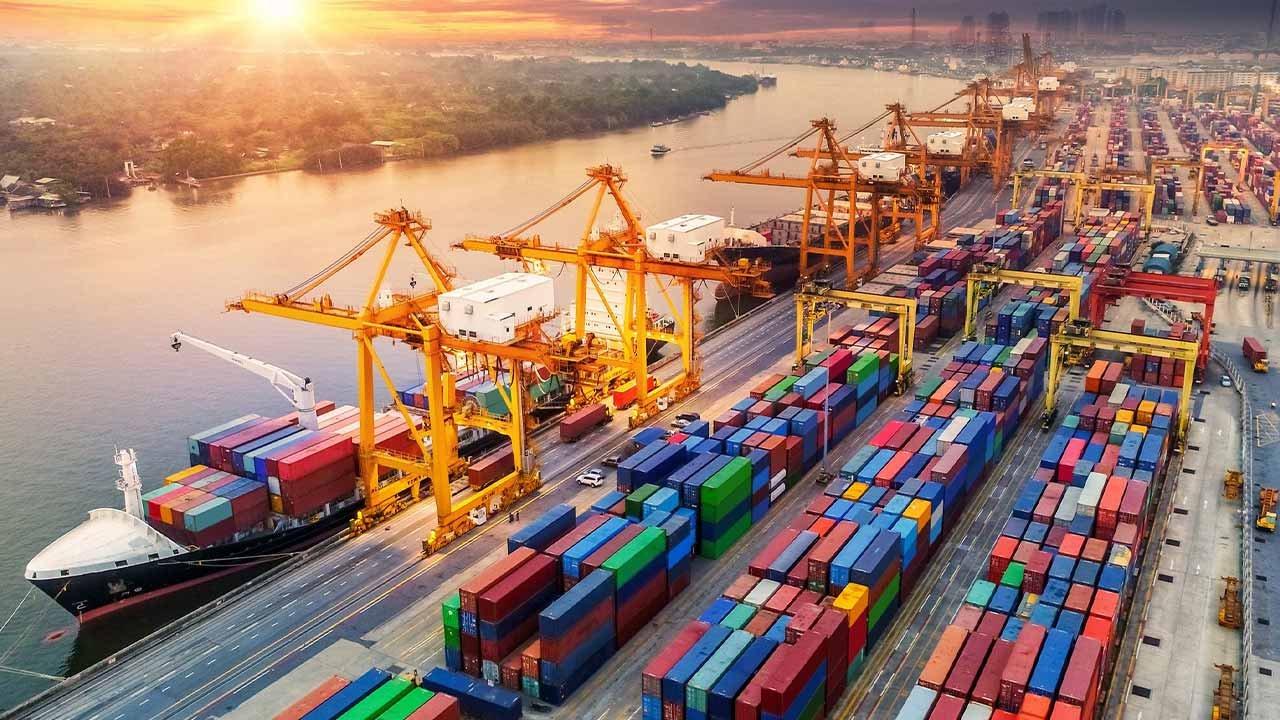
    The Pakistan Bureau of Statistics (PBS) has reported a substantial increase of 35.33 per cent in the country’s exports in rupee terms during the first half of the current fiscal year, as compared to the corresponding period of the previous year.

    According to provisional data released by PBS, exports from July to December 2023 amounted to Rs4,300,752 million, a significant rise from Rs3,177,893 million recorded during the same period last year.

    On a year-on-year basis, exports for December 2023 witnessed a remarkable surge of 54.59 per cent, reaching Rs799,588 million, compared to Rs517,240 million in October 2022.

    Additionally, on a month-on-month basis, exports increased by 8.86 per cent when compared to the figure of Rs734,541 million reported in November 2023.

    The key commodities contributing to this growth in December 2023 were rice other than basmati (Rs124,040 million), knitwear (Rs103,898 million), readymade garments (Rs84,569 million), bedwear (Rs64,119 million), cotton cloth (Rs40,678 million), cotton yarn (Rs26,984 million), towels (Rs24,814 million), rice basmati (Rs22,888 million), articles excluding towels and bedwear (Rs16,991 million), and meat and meat preparations (Rs12,472 million).

    In contrast, imports during July–December 2023–24 amounted to Rs7,533,700 million, showing an increase of 8.20 per cent compared to Rs6,962,865 million during the corresponding period last year.

    On a year-on-year basis, December 2023 imports totaled Rs1,317,463 million, reflecting a 13.94 per cent increase from December 2022. Moreover, on a month-on-month basis, imports increased by 1.66 per cent in December 2023 compared to Rs1,295,968 million in November 2023.

    The main commodities of imports during December 2023 were petroleum crude (Rs158,260 million), petroleum products (Rs150,888 million), natural gas, liquified (Rs109,516 million), electric machinery & apparatus (Rs63,667 million), palm oil (Rs60,316 million), plastic materials (Rs52,218 million), mobile phones (Rs49,887 million), iron & steel (Rs41,654 million), iron and steel scrap (Rs30,426 million), and motor cars (Rs29,543 million).

    This surge in exports, coupled with a measured rise in imports, signifies a positive trend in Pakistan’s trade balance, reflecting the resilience and competitiveness of the country’s export sector.

  • Pakistan’s inflation rate drops to 29.40% in June: Citizens’ purchasing power remains under pressure

    Pakistan’s inflation rate drops to 29.40% in June: Citizens’ purchasing power remains under pressure

    The Pakistan Bureau of Statistics (PBS) has released the latest data on the country’s inflation rate for June, indicating a slight decline compared to May. According to the report, the inflation rate for June stood at 29.40 per cent, showing an increase of 8.1 per cent compared to the same period last year.

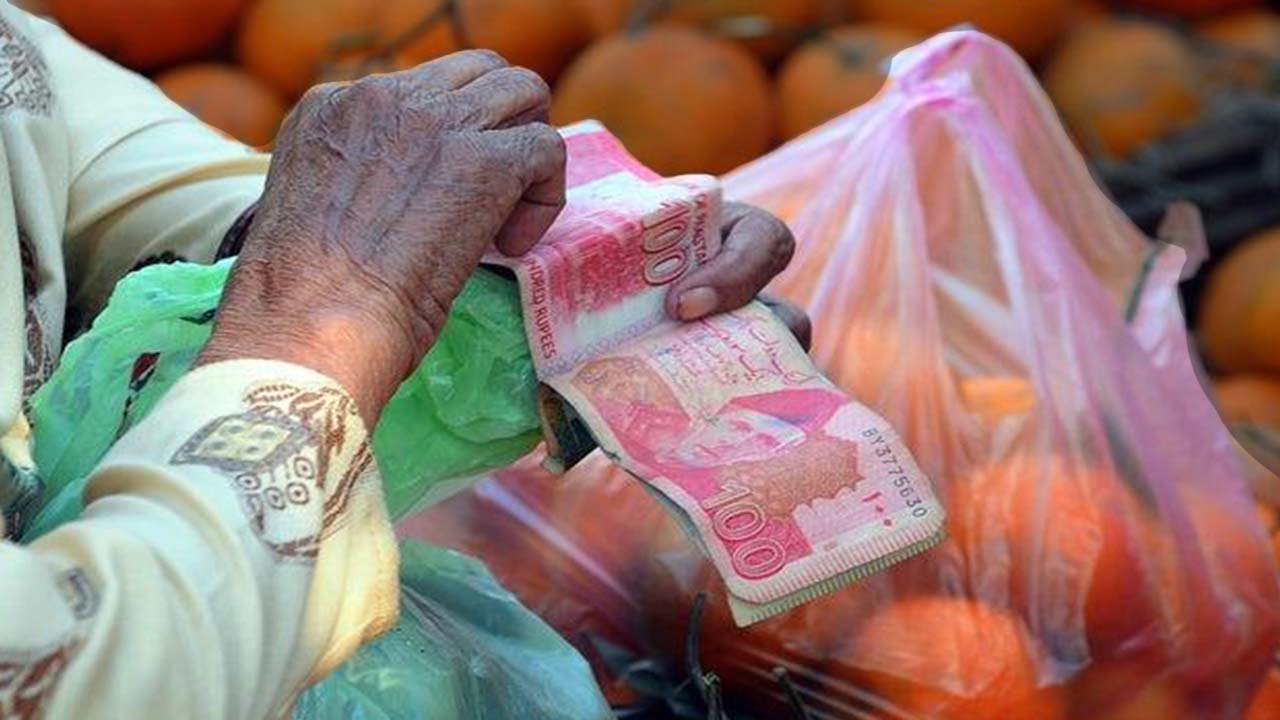
    Although there was a marginal improvement from the inflation rate of 38 per cent reported in May, the country still faces significant challenges due to high inflation. This persistent inflationary environment continues to erode the purchasing power of citizens, affecting their ability to afford basic necessities.

    Analysing the data further, the report highlights that inflation in urban areas was recorded at 27.3 per cent, while agricultural communities experienced an even higher inflation rate of 32.4 per cent. These figures emphasise the vulnerability of rural areas and the agricultural sector to the rising cost of living.

    Comparing the current situation with that of the previous year, the Bureau of Statistics reveals a substantial year-on-year increase. In June of the previous year, the inflation rate was 21.3 per cent, further underscoring the severity of the current inflationary crisis.