
Tag: yearly sales

  • Honda Pakistan records 40 per cent increase in earnings

    Honda Pakistan records 40 per cent increase in earnings

    Honda Atlas Cars Limited (HACL) concluded the financial year with a 40 per cent increase in earnings, giving investors reason to be optimistic. This is despite several challenges including an ongoing chip shortage, rising commodity prices on overseas markets, hefty freight rates, and the rupee’s depreciation.

    “The result is below our expectations, which is mainly due to higher-than-expected distribution costs and effective tax rate,” Ismail Iqbal Securities auto sector analyst Muqeet Naeem stated.

    The automaker benefited from the fact that demand for four-wheelers remained high despite the problems.

    Honda purchasers appear to be unconcerned with price changes, preferring to purchase their preferred vehicles whenever they want, regardless of how much more expensive they are now than they were only two years ago.

    Prices have continued to rise at a rapid pace. There may also be a sense that prices will continue to rise. However, in a market known for “own money” or high premiums, continued demand despite price increases should not be surprising.

    The earnings per unit sold is a great marker of how quickly prices have risen. Honda sold 57 per cent more automobiles in MY22 than the previous year, which ended in March 21.

    The introduction of a new Civic generation considerably attributed to Honda’s sales growth.

    Not only have imports become more expensive as the PKR has depreciated against the greenback, but inflationary pressures on inputs and rising fuel prices have also contributed to cost increases. Revenue and cost per unit sold have generally increased in lockstep.

    As a result, despite strong demand growth, margins have fallen to 5 per cent.

    Other income, which consists of customer advances, has significantly bolstered the company’s profitability. Other income boosted the bottom line by 47 per cent in MY22, compared to 33 per cent the previous year. This also suggests that demand will continue to rise in the coming months.

    However, as lending rates continue to skyrocket, the company may lose demand from purchasers who plan to finance their vehicles through a bank.
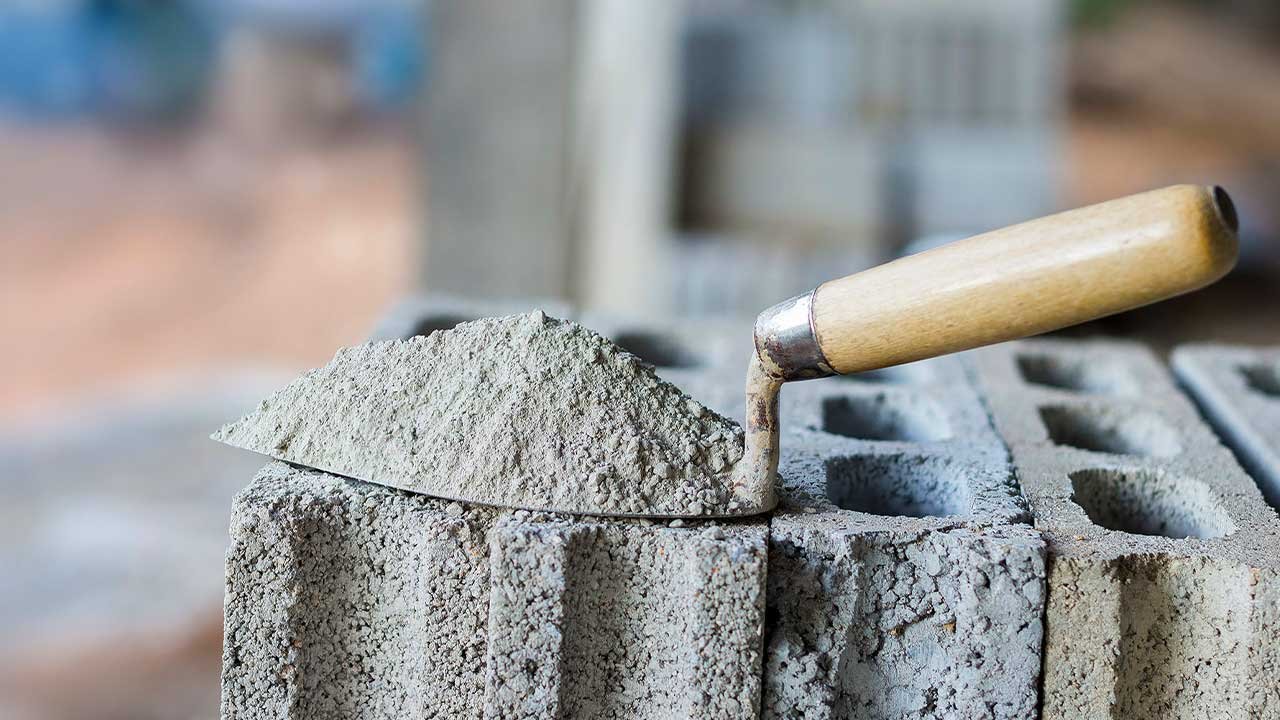
  • Pakistan’s cement exports fell  by 82.15 per cent in April 2022

    Pakistan’s cement exports fell by 82.15 per cent in April 2022

    Owing to unpredictable economic and political conditions, cement sales remained weak last month and between July and April 2021-22 (10MFY22), according to All Pakistan Cement Manufacturers Association (APCMA).

    The sector shipped 3.37 million tonnes of local cement in April 2022, down 17 per cent from 4.06 million tonnes in April 2021, while exports dropped 82.15 per cent from 877,163 tonnes in April 2021 to 156,613 tonnes in April 2022.

    As a result, overall cement sales including local and exports plummeted by 28.6 per cent in April 2022 to 3.52 million tonnes, down from 4.94 million tonnes in April 2021, as per APCMA data.

    North-based cement mills sold 2.8 million tonnes in domestic markets in April 2022, down 17 per cent from 3.3 million tonnes in April 2021. Exports from northern mills declined 75.22 per cent in April 2021, from 250,072 tonnes to 61,971 tonnes.

    According to data from the State Bank of Pakistan (SBP), banks granted Rs180 billion in housing loans in 10MFY22, with Rs57 billion disbursed over the same time. Housing loan applications of Rs409 billion had been received by banks.

    The political and economic instability of March had begun to deter investors in the construction industry, as seen by the APCMA’s domestic April sales figures.

    Read more: CNG prices pushed to Rs140 per kg for sales tax collection

    Moreover, high lending rates of 12.25 per cent effective April 7 and the risk of further rate hikes will impact construction activity, while consumers are already under pressure due to increased living costs, with the CPI for April at 13.37 per cent.

    Owing to record high prices for steel bars, cement, and other construction supplies, people are also cautious to make new investments in building new homes.