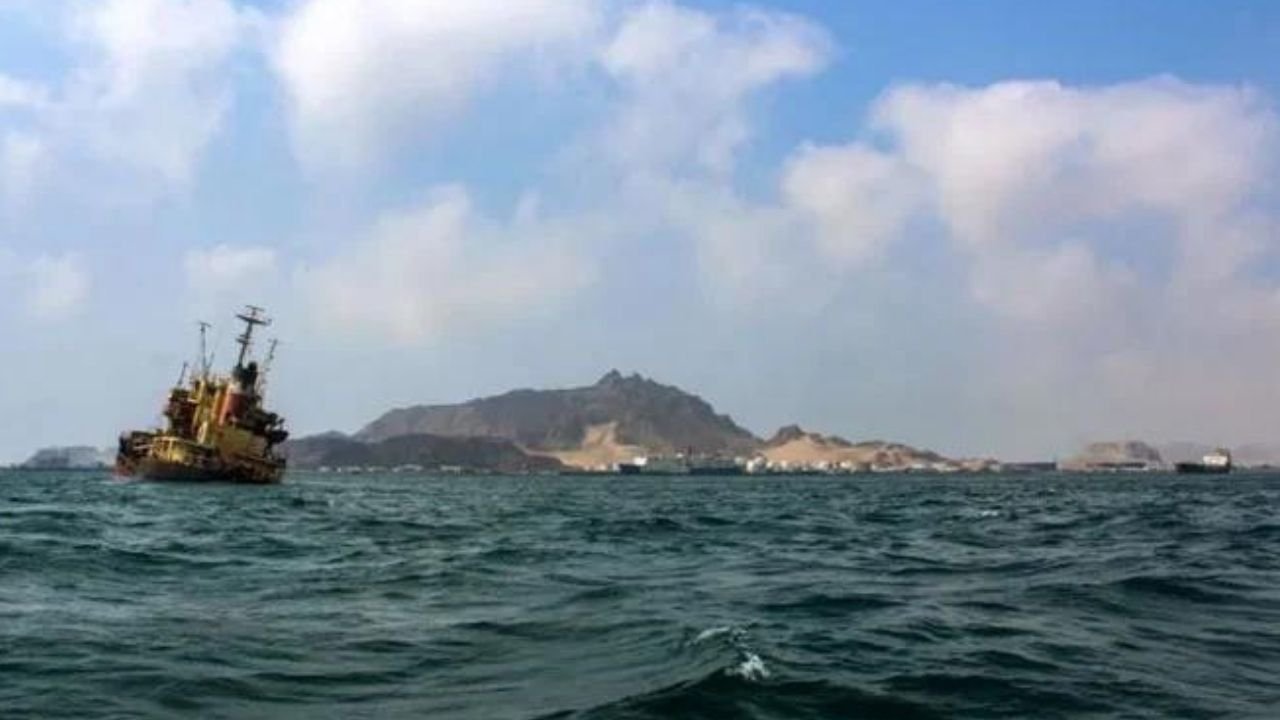
At least 38 people from Africa have died after their boat overturned near the coast of Yemen, BBC reported.
The boat, which was carrying around 250 people, sank after encountering strong winds.
Search operations continue for nearly 100 people who are still missing.
Local authorities in Yemen said that those on board were migrants, mostly from Ethiopia, who use Yemen as a transit point to reach Gulf states like UAE, Saudi Arabia, Qatar, etc.
“Fishermen and residents managed to rescue 78 of the migrants, who reported that about 100 others who were with them on the same boat are missing,” a local official told Reuters, confirming that the boat sank before it reached Yemen’s shores.
97,000 migrants arrived in Yemen from the Horn of Africa last year, as per UN.
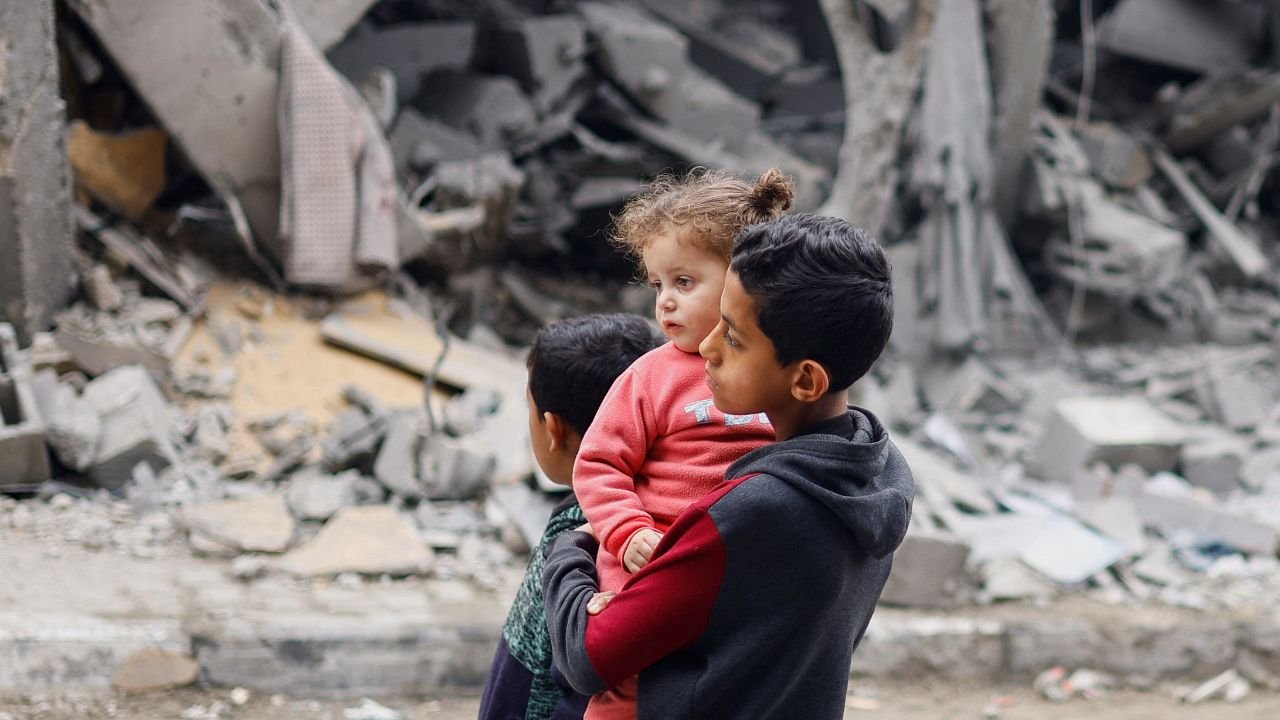
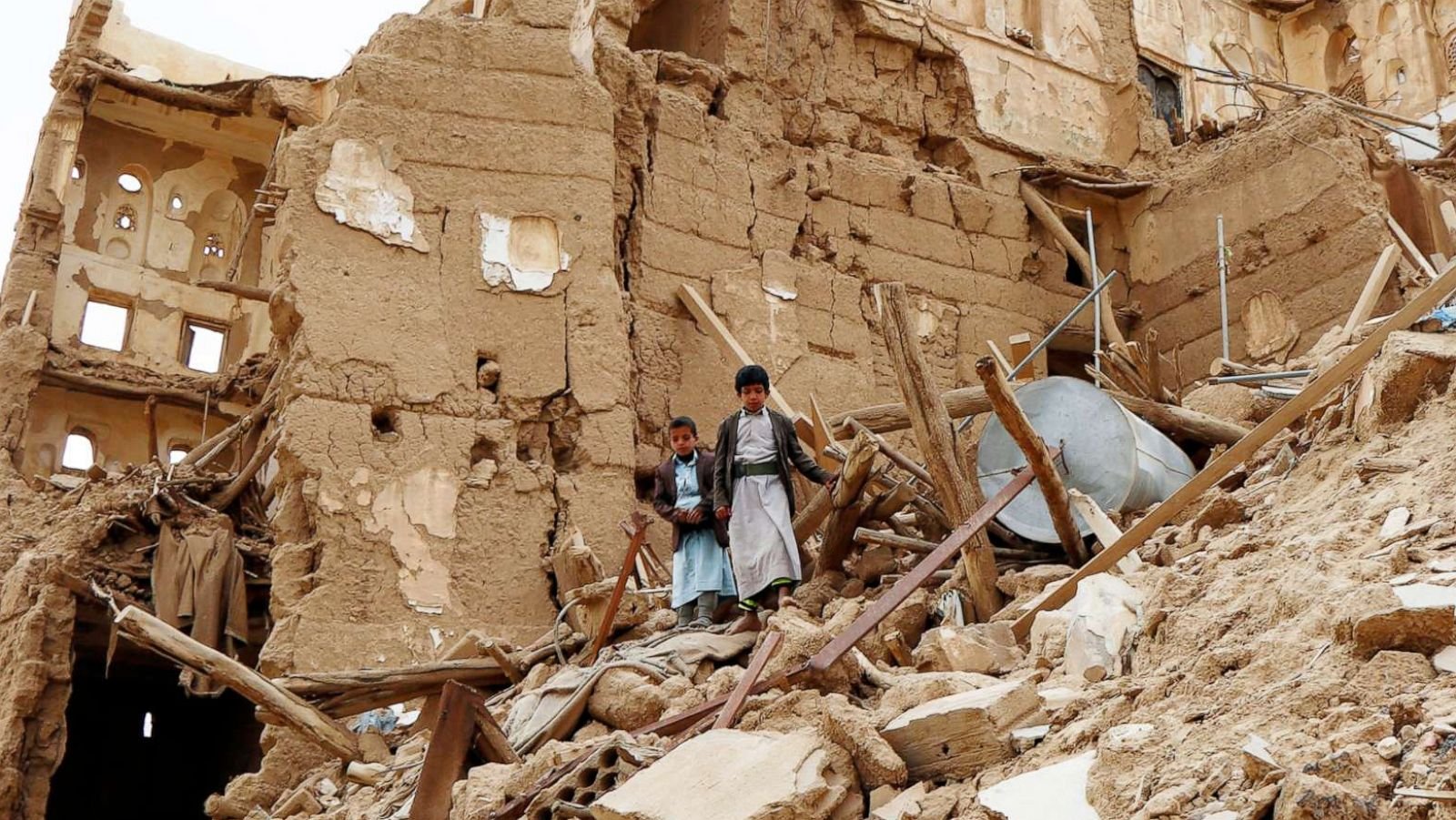
Dubai: Nearly a decade into Yemen’s brutal war, some 4.5 million of its children are not attending school, the charity Save the Children said Monday.
The figure underlines how precarious daily life remains in the Arabian Peninsula’s poorest country, despite relative calm since an April 2022 ceasefire.
“Two in five children, or 4.5 million, are out of school, with displaced children twice as likely to drop out than their peers,” the group said in a report.
“One third of families surveyed in Yemen have at least one child who has dropped out of school in the past two years despite the UN-brokered truce,” it added.
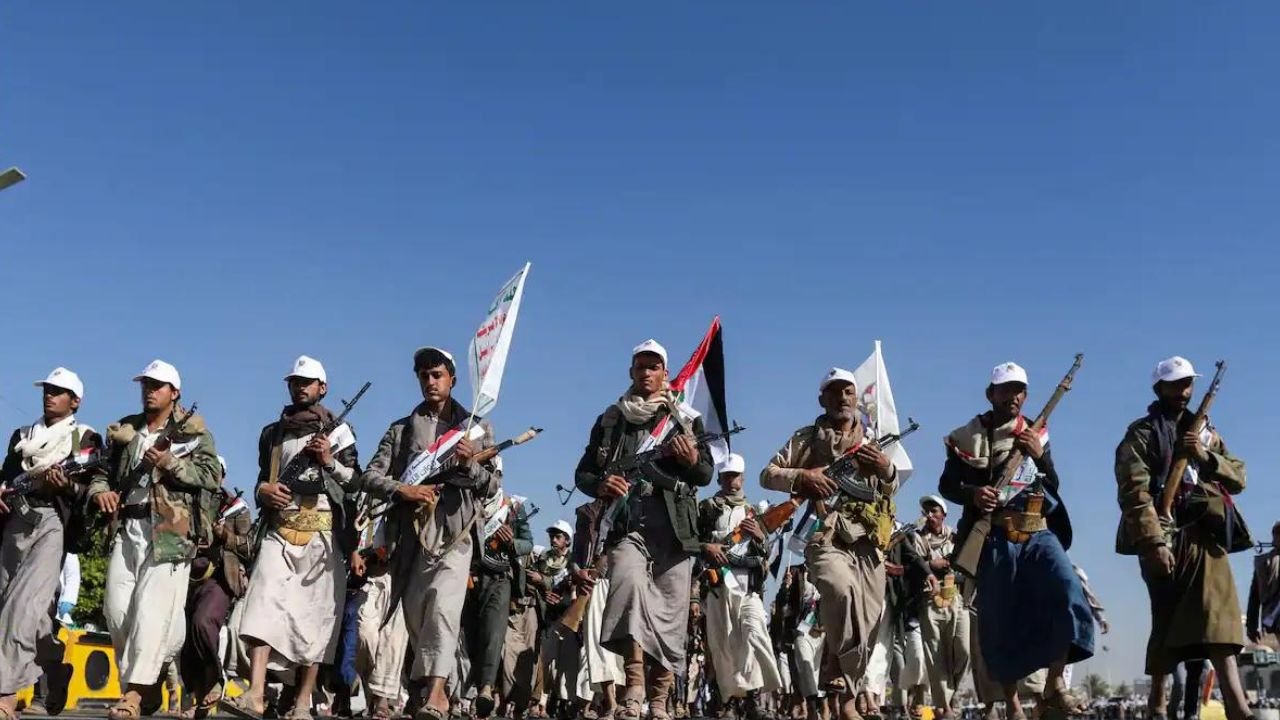
The conflict in Yemen began when Iran-backed Houthi rebels seized the capital Sanaa in September 2014, prompting Saudi Arabia to lead a coalition to prop up the internationally recognized government months later.
Economic insecurity amid the war has plunged two thirds of Yemen’s 33 million inhabitants below the poverty line, the charity said, while also displacing about 4.5 million people.
“Displaced children are twice as vulnerable to school dropouts,” Save the Children said.
“Nine years into this forgotten conflict, we are confronting an education emergency like never before,” said Mohammed Manna, Save the Children’s interim country director in Yemen.
“Our latest findings must be a wake-up call and we must act now to protect these children and their future.”
The report said 14 percent of families interviewed by the aid group pointed to insecurity as the reason behind their children dropping out.
But a larger majority — some 44 percent — pointed to economic reasons, in particular the need to support family incomes. Some 20 percent said they were unable to afford regular school costs.
“The impact of the education crisis on Yemen’s children and their future is profound,” the charity said.
“Without immediate intervention, an entire generation risks being left behind.”
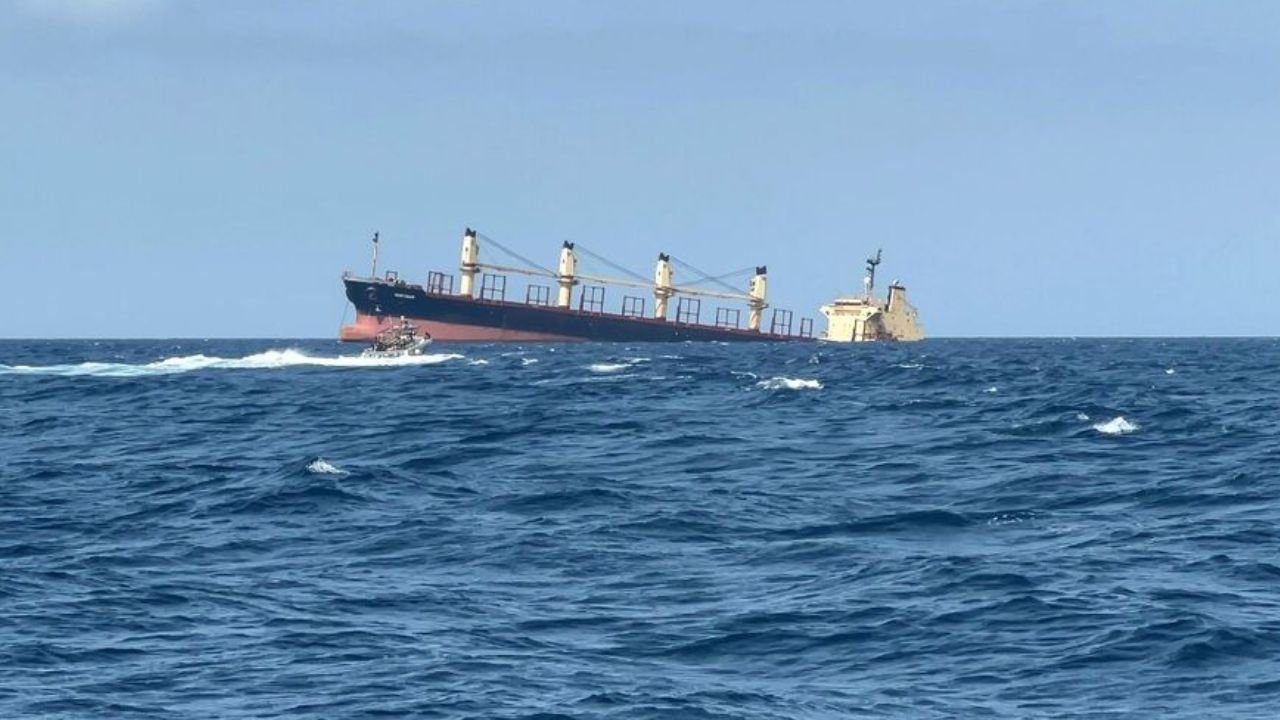
The sinking of a bulk carrier off Yemen after a Houthi missile attack poses grave environmental risks as thousands of tonnes of fertilizer threaten to spill into the Red Sea, officials and experts warn.
Leaking fuel and the chemical pollutant could harm marine life, including coral reefs, and impact coastal communities that rely on fishing for their livelihoods, they said.
The Belize-flagged, Lebanese-operated Rubymar sank on Saturday with 21,000 metric tons of ammonium phosphate sulfate fertilizer on board, according to U.S. Central Command (CENTCOM).
It had been taking in water since a Houthi missile strike on Feb. 18 damaged its hull, marking the most significant impact on a commercial ship since the rebels started targeting vessels in November.
After already leaving a slick from leaking fuel while it was still afloat, the Rubymar now poses a new set of environmental threats underwater.
Abdulsalam al-Jaabi of the Yemeni government’s environmental protection agency warned of “double pollution” that could impact 78,000 fishermen and their families — up to half a million people.
“The first pollution is oil pollution resulting from the large amount of fuel oil on board,” he said, estimating the quantity to be over 200 metric tons.
The second risk is posed by the fertilizer, which is highly soluble and could harm “fish and living organisms such as coral reefs and seaweed” if released into the sea, Jaabi added.
The overall contamination could incur “significant economic costs,” especially on coastal communities that depend on fishing for survival, the official warned.
Yemen’s Houthi rebels seized the capital Sanaa in 2014, pushing the internationally recognized government south to Aden and prompting Saudi Arabia to lead a military coalition to help prop it up the following year.
A cease-fire since April 2022 has largely held.
The Rubymar is the first ship to sink since the Houthis started their Red Sea campaign that they say is in solidarity with Palestinians in the Gaza Strip amid Israeli genocide.
Plans to tow the vessel failed after port authorities in Aden, Djibouti and Saudi Arabia refused to receive the ship, according to Roy Khoury, the chief executive of Blue Fleet Group, the ship’s Lebanese operator.
The Yemeni government’s transport minister, Abdulsalam Humaid, said Aden’s “refusal comes out of fear of an environmental disaster.”
Djibouti also refused the ship over “environmental risks,” said an official close to the country’s presidency.
Saudi authorities were not immediately available for comment.
“Without immediate action, this situation could escalate into a major environmental crisis,” warned Julien Jreissati, Middle East and North Africa program director at Greenpeace.
“The sinking of the vessel could further breach the hull, allowing water to contact with the thousands of tonnes of fertilizer,” he added.
This would “disrupt the balance of the marine ecosystems, triggering cascading effects throughout the food web,” Jreissati said.
U.N. Special Envoy Hans Grundberg said five experts from the United Nations Environment Programme were due in Yemen this week to conduct an assessment in coordination with the Yemeni environment ministry.
George Wikoff, the head of the U.S. Navy’s Bahrain-based Fifth Fleet, warned that the “tonnes of chemicals carried on the sinking vessel Rubymar presents environmental risk to the Red Sea in the form of algae blooms and damaged coral.”
Speaking during a conference in Doha on Tuesday, Wikoff said the ship also poses a threat to Red Sea navigation as it “presents a subsurface impact risk” to other ships transiting the critical waterway that normally carries around 12% of global trade.
It remains unclear who is ultimately responsible for the Rubymar, which was sailing from the United Arab Emirates to Bulgaria.
CENTCOM and maritime security firm Ambrey said the vessel was registered in Britain but its Lebanese operator said the ship was registered in the Marshall Islands.
Yemeni official Faisal al-Thalabi, a member of a crisis cell tasked with dealing with the Rubymar, said Yemen has been in contact with both the owner and operator but noted that the outreach “made no difference.”
The owner “is part of the problem … as he did not respond to official messages issued from Yemen,” Thalabi said, without disclosing the owner’s identity.
To contain a potential environmental crisis, Yemeni authorities will dispatch teams to collect water samples and survey beaches for pollution, Thalabi said.
Water sources and seawater desalination plants in coastal communities may also be affected, he cautioned.
“We have special containment booms and we are ready to place them in environmentally sensitive areas such as damaged islands” if they are contaminated, he said.
The “worst-case scenario is contamination,” Thalabi said.
Yemen’s Houthis have reported the first civilian death in US and British air strikes after the latest round of joint raids over the weekend.
One person was killed and eight wounded, the Houthi’ official news agency said late on Sunday, a day after US and British forces said they fired on 18 targets across the country.
The US-British strikes were in response to dozens of Houthi drone and missile attacks on Red Sea shipping since November, which the group says are in solidarity with Palestinians in the Gaza war.
“The American-British aggression on the district of Maqbana in the governorate of Taiz has left one civilian dead and eight wounded,” the Houthi’ Saba agency said, citing a statement from the health ministry.
The Houthi have previously reported the death of 17 of their fighters in the Western strikes targeting military facilities.
The Houthi attacks have had a significant effect on traffic through the busy Red Sea route, forcing some companies into a two-week detour around southern Africa. Last week, Egypt said Suez Canal revenues were down by up to 50 percent this year.
Washington, Israel’s vital ally, gathered an international coalition in December to protect Red Sea traffic. It has launched several rounds of strikes as well as four joint raids with Britain, which began last month.
The Houthi initially said they were targeting Israel-linked shipping in the Red Sea and adjoining Gulf of Aden, but then declared that US and British interests were also “legitimate” targets.
100 days back, on October 7, 2023, Hamas took Israel by surprise in a move that came as a consequence of more than seventy years of occupation, killings, destruction, and displacement of the Palestinians.
Israel took this instance of response as an excuse to go all out in attempts to exterminate Gazans from their land: On October 8, Israeli prime minister Benjamin Netanyahu declared war against Hamas and butchered, internally displaced, detained, and tortured thousands of Palestinians in Gaza as well as the Occupied West Bank.
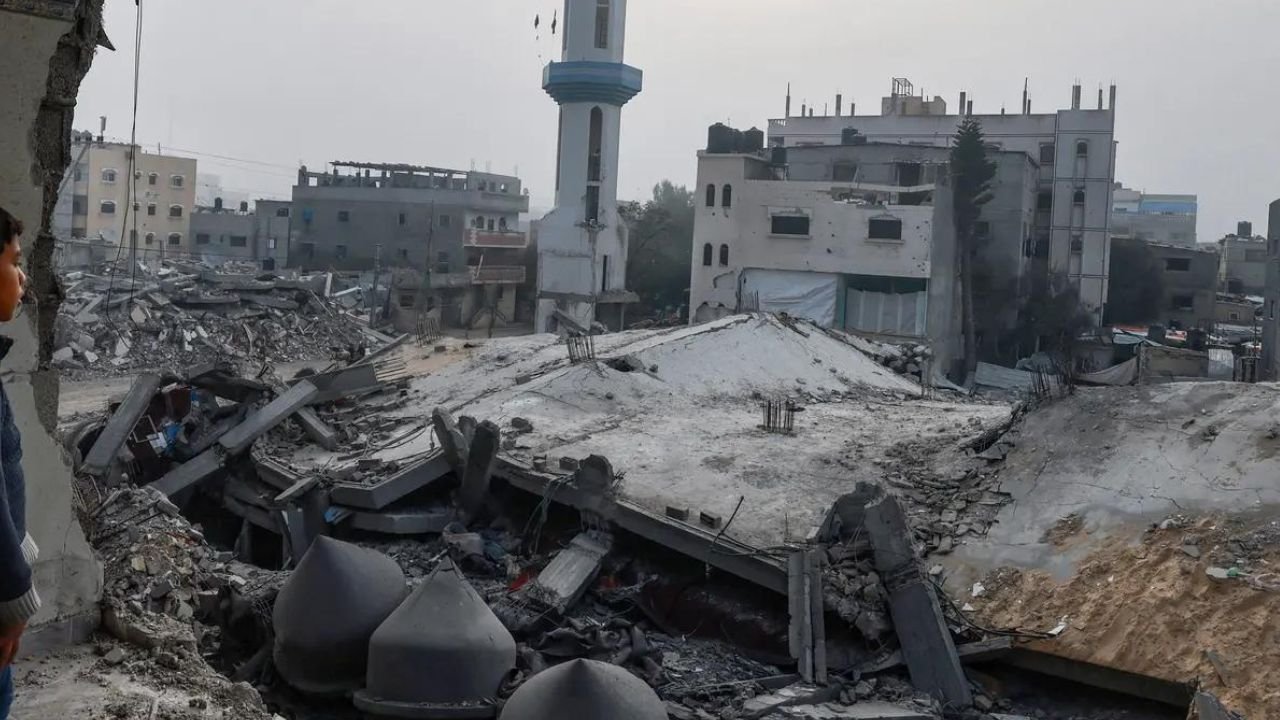
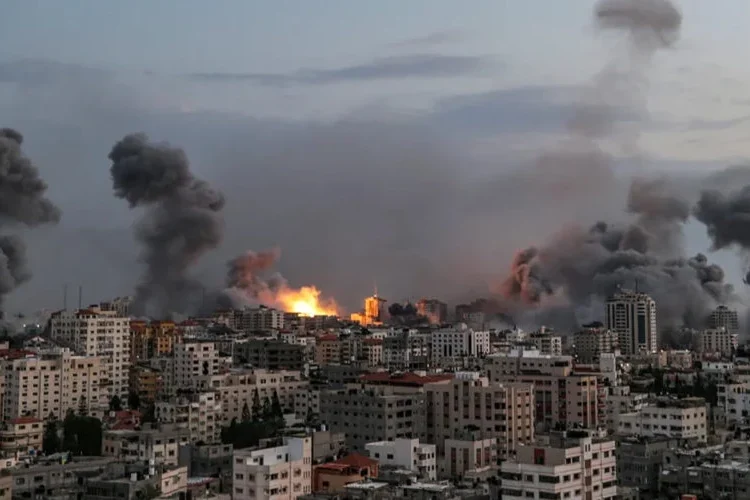
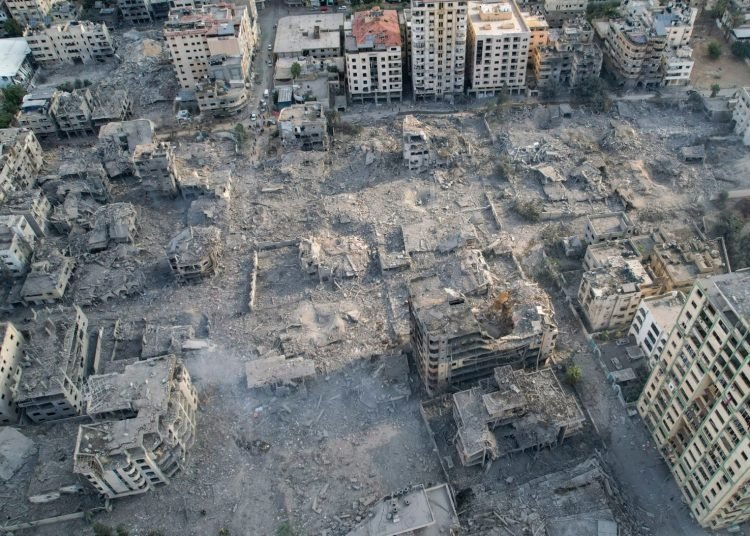
Since October 7 alone, more than 23,600 people have been killed and more than 58,000 wounded in Israeli attacks on Gaza.
Widespread use of and access to social media across the world has exposed Israeli atrocities against the Palestinians more than ever. A number of Palestinians have been reporting from the targeted strip, giving the world insights to the heights of atrocities touched by the Israeli military.
As the Irish lawyer Blinne Ní Ghrálaigh, representing South Africa in the International Court of Justice (ICJ) in The Hague on January 11 deemed it as “The first genocide in history where its victims are broadcasting their own destruction in real time in the desperate, so far vain hope that the world might do something.”
Nonetheless, the international community has collectively failed to ensure a ceasefire amidst all the loss and blatant violation of human rights..
While the breaches and enormities by Israel are innumerable and immeasurable to say the least, here are some of the most important moments and developments to have taken place the past 100 days.
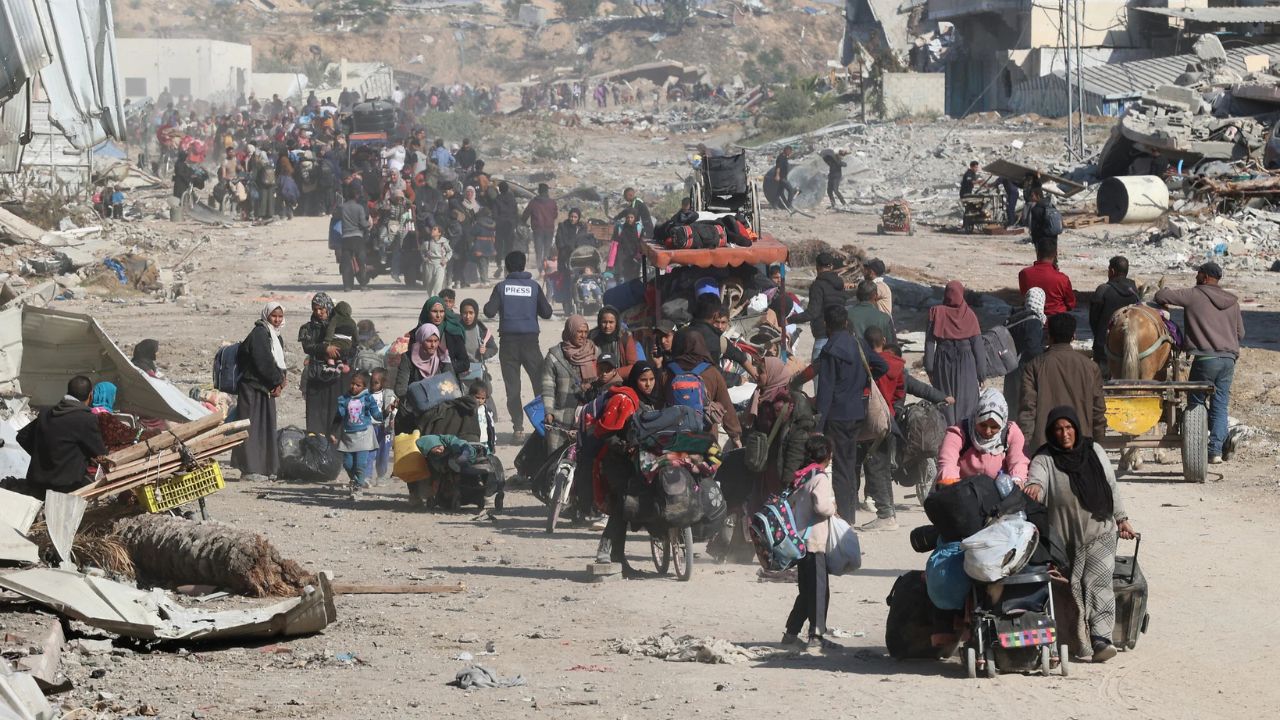
Israel had declared a “complete siege” on Gaza on October 9 2023, hindering the supply of electricity, food, water and fuel into the strip. While a few aid trucks were permitted on 21 October 2023, the aid has been inadequate, and starkly lower than the quantity sent before October 2023.
Additionally, fuel imports are “well below the minimum requirements for essential humanitarian operations”.
The UN Secretary-General has asserted that the level of destruction in Gaza is now so catastrophic that “[t]he conditions for the effective delivery of humanitarian aid no longer exist . . . But even if sufficient supplies were permitted into Gaza, intense bombardment and hostilities, Israeli restrictions on movement, fuel shortages, and interrupted communications, make it impossible for UN agencies and their partners to reach most of the people in need.”
No Facilities
The majority of Gazan hospitals are out of order due to the Israeli air raids and the blockade. According to WHO, 15 out of Gaza’s 36 hospitals are partially functional; nine in the south and six in the north.
Additionally, there is lack of electricity, desalination facilities, and bakeries to shut down and contributed to telecommunications blackouts.
Looming Fears of Famine and Diseases
Credit: Reuters
Due to lack of health facilities and access to water and sanitation, WHO has warned that Gaza is now heading towards proliferation of disease. As of January 1, nearly 200,000 respiratory infections and tens of thousands of cases of scabies, lice, skin rashes, and jaundice were reported whereas the number of diarrhoea cases among children under five has increased 20-fold since October 7.
Additionally, the World Health Organization has warned that “[a]n unprecedented 93% of the population in Gaza is facing crisis levels of hunger, with insufficient food and high levels of malnutrition” and that “[a]t least 1 in 4 households are facing ‘catastrophic conditions’:
“Israeli forces are deliberately blocking the delivery of water, food and fuel, while wilfully impeding humanitarian assistance, apparently razing agricultural areas, and depriving the civilian population of objects indispensable to their survival,” Human Rights Watch has stated.
Internally Displaced
Among the total population of 2.3 million, 1.9 million Palestinians — approximately 85 per cent of the total population — have been internally displaced. People living in Northern Gaza were initially forced to flee their homes on short notice for “safety” to the south, but they were bombed again in the so-called safe south, and were once again forced to flee to
further south or the south west, and have been to live in makeshift tents with no water, sanitation or other facilities.
This situation has thus been declared as the Second Nakba as it resembles the ethnic cleansing of Palestinians by the Israelis in 1948.
Women of Gaza
Credit: Al Jazeera
The United Nations has estimated 50,000 pregnant women presently living in Gaza, with more than 180 births taking place every day despite the lack of health facilities.
Similarly, women have also resorted to norethisterone tablets (that are usually prescribed in times of severe menstrual bleeding, endometriosis, and painful periods) as they are internally displaced, living in poor conditions among a large number of people with no privacy, and having no access to water or menstrual hygiene products like sanitary napkins and/or tampons.
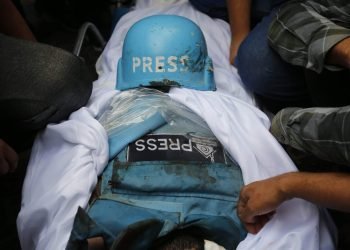
November was deemed as the deadliest month for journalists when at least 50 were killed. According to the Committee to Protect Journalists (CJP), as of January 11, 79 journalists and media workers have been killed among whom are 72 Palestinian, 4 Israeli, and 3 Lebanese whereas three journalists are reported missing and 21 arrested.
Additionally, multiple assaults, threats, cyberattacks, censorship, and killings of family members have also been recorded.
Moreover, literary figures like Heba Abu Nada and Dr Refaat Alareer, who were vocal against Israel, have also been killed in targeted attacks.
Hostages
Hamas took Israeli hostages on October 7 in order to prompt Israel to return Palestinian hostages who have been in Israeli captivity since years.
While Israel has portrayed Hamas as barbaric, Israeli hostages released have had different stories to tell. Danielle Aloni and her daughter Emilia were held hostage by Hamas for 49 days and on their release on November 24, Aloni wrote a “thank you” letter to Hamas saying, “I thank you from the bottom of my heart for your extraordinary humanity shown towards my daughter, Emilia.”
Similarly, in an interview, Hin and Ajam, another mother-daughter duo, told that they were kept together and that the militants were respectful to them, taking every precaution to make them comfortable.
On the contrary, Palestinians have returned from Israeli captivity physically and mentally tortured while some have reportedly died in detention.
Back in December, Israeli troops even “mistakenly” killed three Israeli hostages in the course of combat with Hamas in the Gaza Strip on Friday.
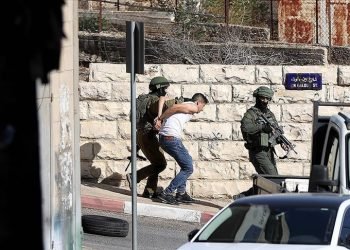
As of January 11, the arrests of Palestinians in the Occupied West Bank reached up to 5,810 since October 7.
According to figures released in December, at least 8,800 Palestinians, including 80 women, were held at Israeli prisons.
These arrests are reportedly “marked by abuse, severe beatings, and threats against detainees and their families, in addition to widespread acts of sabotage and destruction of citizens’ homes”. Many are even targeted and shot by the Israeli soldiers.
Additionally, in November 2023, it was reported that around 390,000 Palesinians jobs were lost — 182,000 in Gaza and 208,000 in the occupied West Bank.
In December, the US State Department approved the emergency sale to Israel of nearly 14,000 rounds of tank ammunition — a sale of 13,981 high-explosive 120mm tank cartridges and related equipment worth $106.5 million.
The State Department said the secretary of state had determined that “an emergency exists that requires the immediate sale to the Government of Israel” of the weaponry, thereby waiving the normal requirement of Congressional review.
Israel vs Middle East
Since the war began, Hezbollah, a close ally of the Palestinian group Hamas, and Israel have been engaged in intense fighting.
In December, The United States announced a 10-nation coalition to end Houthi attacks on ships transiting the Red Sea, with Britain, France, Bahrain and Italy among countries joining the “multinational security initiative.”
The U.S. and British Air Force, in fact, have launched airstrikes against Yemen in retaliation which the American president Joe Biden called it a success, adding that he will “not hesitate to direct further measures to protect our people and the free flow of international commerce as necessary.”
On the other hand, Israel and Hezbollah have been exchanging fires across the Lebanese border, the West Bank since 7 October.
On Day 60 since October 7, United Nations Secretary-General António Guterres, in a rare move, invoked Article 99 of the UN Charter “to bring to the attention of the Security Council a matter, which in my opinion, may aggravate existing threats to the maintenance of international peace and security.” He also reiterated his call in the letter he sent to the rotating president of the Council for a “humanitarian ceasefire” and urged the Council to “avert a humanitarian catastrophe.”
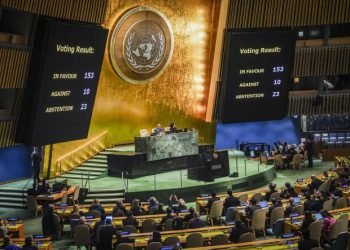
Nonetheless, like any other UN action, it was merely a political move with no legal implications — same as the UN Resolutions calling for a ceasefire in Gaza the past few months since October 7. With more than 100 countries voting in support of the ceasefire, the resolution ended in vain since the US and a couple of its allies chose to vote against it.
On the other hand, while powerful Muslim countries have sided with Palestine, their support has, however, been shallow. For instance, in November, the Saudi Minister of Investment, Khalid bin Abdulaziz al-Falih, remarked that the Kingdom was still willing to consider normalising relations with Israel, depending on a peaceful solution to the Palestinian issue. And when asked if Saudi Arabia would use economic devices like oil to push for a ceasefire in the Gaza Strip, he reportedly laughed and replied: “This is not on the table today. Saudi Arabia is trying to achieve peace through talks that seek peace.”
South Africa vs Israel
Credit: Al Jazeera
South Africa filed a case in the International Court of Justice (ICJ) in The Hague, Netherlands, asking the court to look into the genocide being committed by Israel against Palestinians.
The imposition of charges did not only pertain to the crimes perpetrated during the last few months since October 7 that have killed more than 23,000 people till now, but also the 75-year long apartheid, 56-year hostile occupation, and 16-year blockade on Gaza.
Israel was accused of committing genocidal acts during their military operations which included mass killings of Palestinians, bodily and mental harm, forced displacement and food blockade, destruction of the healthcare system, and preventing Palestinian births.
It is, however, pertinent to note, that while this case can take years, an “interim measure” intended to halt Israel’s attack in Gaza can be taken “within weeks”. If the interim measure is implemented, Israel will be legally obligated to put an end to its offences. And while the “court’s rulings are final”, it has no authority to impose them, nonetheless.
On the other hand, if the court does not implement an interim measure, “it could still decide it has jurisdiction and proceed with the case”.
Post-war Gaza Plans
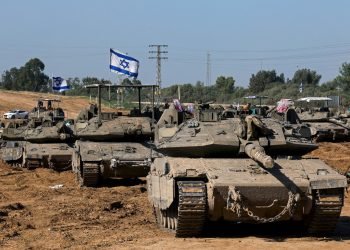
Israel’s defence minister publicly presented proposals for the post-war administration of Gaza i.e. after it has dismantled Hamas’s “military and governing capabilities” and secured the return of hostages.
According to the minister, after the objectives are achieved — for which the proposal sets no timeline — Palestinian “civil committees” will begin assuming control of the territory’s governance.
“Hamas will not govern Gaza, (and) Israel will not govern Gaza’s civilians,” the plan said, while offering little concrete detail.
“Palestinian bodies will be in charge, with the condition that there will be no hostile actions or threats against the State of Israel.”
Heavy US and British air strikes pounded targets in Yemen early on Friday after weeks of attacks on Red Sea shipping by Houthi forces acting in solidarity with Gaza.
Yemen’s Houthi, however, have vowed to continue targeting Israel-linked ships in the Red Sea despite overnight air strikes by the US and Britain, their spokesman said on Friday.
“We affirm that there is absolutely no justification for this aggression against Yemen, as there was no threat to international navigation in the Red and Arabian Seas, and the targeting was and will continue to affect Israeli ships or those heading to the ports of occupied Palestine,” Mohammed Abdulsalam posted on X, formerly Twitter.
The Houthis have carried out a growing number of attacks Israel-linked shipping in the key international trade route since the intensified attacks on Gaza since October 7.
Friday’s strikes targeted an airbase, airports and a military camp, the Houthi rebels’ Al-Masirah TV station said.
“Our country was subjected to a massive aggressive attack by American and British ships, submarines and warplanes,” Huthi Deputy Foreign Minister Hussein Al-Ezzi said, according to official media.
“America and Britain will have to prepare to pay a heavy price and bear all the dire consequences of this blatant aggression,” he said.
A joint statement by the United States, Britain, Australia, Bahrain, Canada, Denmark, Germany, the Netherlands, New Zealand and South Korea said the “aim remains to de-escalate tensions and restore stability in the Red Sea”.
“But let our message be clear: we will not hesitate to defend lives and protect the free flow of commerce in one of the world’s most critical waterways in the face of continued threats,” it said.
The Huthis said there was “no justification” for the air strikes and warned that attacks on Israel-linked shipping would continue.
Yemen’s neighbour Saudi Arabia, which is trying to end its involvement in a nine-year war with the Houthis, urged against escalation.
“The Kingdom of Saudi Arabia is following with great concern the military operations,” a foreign ministry statement said, calling for “self-restraint and avoiding escalation”.
Yemen’s Houthi movement has lately attacked and captured a number of Israeli-linked ships crossing through the Red Sea and Bab al-Mandab Strait — a pathway for the world’s oil shipment.
Among the captured ships was an Israeli-linked cargo ship known as Galaxy Leader.
Yemenis are now utilising the ship as a tourist spot for the locals.
:The Yemenis have turned the captured #Israeli ship into a tourist attraction
Visitors can be seen enjoying themselves as they dance, make videos and take pictures.
Houthis have been targeting Israeli-linked ships following the failure of the international community to ensure a ceasefire in Gaza where more than 18,000 people have been killed because of heavy Israeli attacks and blockade of humanitarian aid.
Ten years ago Yemenis rose up against corruption, economic hardship and demanded a more accountable and inclusive government. The country fractured politically and is now stuck in a war that has created what the United Nations describes as the world’s biggest humanitarian crisis.
Following is a timeline of Yemen’s slide into conflict.
After Yemen’s Huthi rebels brought the war to the UAE in a drone attack, the Saudi-led coalition struck.
The war pits the Iran-supported insurgents against Yemen government forces backed by Riyadh and Abu Dhabi.
The conflict has left about 377,000 dead, according to the UN, either through fighting or as victims of famine, sickness, and a lack of clean drinking water.
2014: Huthis take capital
The Huthi rebels from the Zaidi Shiite minority in northern Yemen seized the capital Sanaa in September 2014.
Backed by Shiite heavyweight Iran, they ally themselves with military units loyal to ex-president Ali Abdullah Saleh, who had been forced to step down after a 2011 uprising.
They also take swathes of territory including the vital Red Sea port of Hodeida.
President Abedrabbo Mansour Hadi flees in February 2015
President Abedrabbo Mansour Hadi flees in February 2015 to the second city Aden on Yemen’s south coast.
2015: Saudis step in
A coalition led by Iran’s bitter enemy Saudi Arabia that includes the United Arab Emirates entered the conflict in March 2015 with airstrikes on the rebels.
Washington says it is contributing logistics and intelligence.
As the rebels advance on Aden, Hadi flees to Saudi Arabia.
The coalition’s intervention helps pro-government forces secure Aden, and in October they announce having retaken control of the Bab al-Mandab strait, one of the world’s most strategic waterways.
2018: Battle for key port
In June 2018, government fighters, backed by Saudi and Emirati ground forces, launch an offensive to retake Hodeida, a key entry point for humanitarian aid.
UN-brokered talks between the warring parties opened in December, with a ceasefire declared in Hodeida.
But in mid-January 2021, violent clashes break out between rebels and pro-government soldiers in the south of the city.
Separatists flex muscles
The anti-Huthi camp is divided.
South Yemen was an independent state before unifying with the north in 1990, and southern separatists frequently clash with unionists loyal to Hadi’s government.
The separatists occupy the presidential palace in Aden in January 2018, before Saudi and Emirati forces intervene.
In August 2019, separatists in Aden from the UAE-trained Security Belt force clashed again with unionist troops.
Riyadh has since negotiated a power-sharing agreement and the formation of a new government.
2019: Saudi oil hint
The rebels escalate their attacks on Saudi Arabia, using drones and missiles.
A major hit on September 14, 2019, on Abqaiq processing plant and Khurais oilfield halves the kingdom’s crude output.
Riyadh and Washington accuse Iran of being behind the attack, which it denies.
2021: New escalation
On February 8, 2021, the Huthis resume an offensive to seize oil-rich Marib province, the government’s last northern stronghold.
The upsurge comes shortly after Washington ends its support for coalition military operations and removes the Huthis from a “terrorist” blacklist.
Fighting intensifies over the following months.
2022: Rebels turn on UAE
On January 3, 2022, the rebels seize an Emirati-flagged vessel in the Red Sea, which the coalition says is carrying medical supplies.
The rebels say it was “a military cargo ship with military equipment”.
A week later, pro-government forces with UAE backing claim to have retaken the northern oil province of Shabwa.
Suspected drones on January 17 set off an explosion in an oil facility in Abu Dhabi, killing two Indians and a Pakistani worker, the first deaths inside the UAE from the Yemen conflict.
The Huthis warn civilians and foreign firms in the UAE to avoid “vital installations”.
The United States vows to hold the rebels accountable for the “terrorist attack”.
Three people were killed in a suspected drone attack in Abu Dhabi, the capital city of the United Arab Emirates, which involved two Indians and one Pakistani national.
The incident happened when three petrol tanks blew up near a storage facility of an oil giant company, Abu Dhabi National Oil Company (ADNOC). A fire also erupted in a construction area at Abu Dhabi airport.
The company released the official statement, “ADNOC is deeply saddened to confirm that three colleagues have died. A further six colleagues were injured and received immediate specialist medical care.”
Police found small flying objects at both places and claimed that they have never witnessed such a huge attack in the peaceful country of the Middle East.
The Foreign Ministry of UAE said, “The UAE condemns this terrorist attack by the Houthi militia on areas and civilian facilities on Emirati soil…(It) will not go unpunished.”
It further added, “The UAE reserves the right to respond to these terrorist attacks and criminal escalation.”
A small number of flights were briefly stopped by Etihad Airways at the airport but after a few hours, normal operations were resumed.
Police said, “Preliminary investigations indicate the detection of small flying objects, possibly belonging to drones, that fell in the two areas and may have caused the explosion and fire.”
These attacks have been claimed by the Iran-backed rebel group, Houthi in Yemen.
The Deputy Minister of Information Nasraddin Amer in Houthi-controlled Sanaa, the capital of Yemen confirmed that the rebel forces had carried out an attack. This attack was launched in reaction to the “UAE’s escalation” in two contested provinces of Yemen, Shabwa and Marib.
The visit of the South Korean President, Moon Jae In to the UAE was also called off due to the current situation. The summit was planned between the South Korean President and Abu Dhabi’s crown prince.
UAE is backing Saudi Arabia in a war with Yemen that has been going on for the last seven years.
Saudi Arabia and Bahrain also condemned the attack and dubbed it as a “cowardly, terrorist” attack.
Saudi Arabia has intercepted two missiles headed for Makkah, the kingdom announced on Tuesday night.
According to an official statement, the ballistic missiles, reportedly intercepted over Taif, were fired by Yemeni Houthi rebels and were headed for the holy city as well as Jeddah, a port city on the Red Sea.
— WATCH — Air Defense system in Saudi Arabia intercepts a Houthi missile in the sky’s of Taif. pic.twitter.com/odU0WQqofV
— Saudi Embassy USA (@SaudiEmbassyUSA) May 20, 2019
PAKISTAN CONDEMNS:
Meanwhile, Islamabad has condemned the reported firing of ballistic missiles.
The Foreign Office, in a statement, issued its condemnation and also commended Saudi forces for their “vigilant” defence.
“Pakistan condemns the firing of ballistic missiles by Houthis towards Makkah province and commends the vigilant Saudi defence forces for intercepting the missiles,” read the statement.
“Pakistan reaffirms its solidarity with Saudi Arabia and reiterates its support against any threat to the security of the kingdom.”
Saudi Arabia is leading a coalition of Muslim states that intervened in Yemen in 2015 to try to restore the internationally recognised government that was ousted from power by Houthi rebels in late 2014.
The Houthis, on the other hand, denied that their missiles were targeting Makkah, roughly 70 km (40 miles) from Jeddah and 50 km (30 miles) from Taif. The group called the claim “a tactic by Saudi Arabia to rally support for its war”.