Tag: youth

  • Sarwat Gilani has marriage advice for youth

    Sarwat Gilani has marriage advice for youth

    Marriage can be a big decision, and actress Sarwat Gilani has a piece of practical advice for young people who are trying to figure life out.

    Recently, she appeared on the Rukhsat podcast and shared her thoughts on when to get married and what to consider.

    Sarwat said, “When it comes to your relationship, you’ve seen growing up, that familiarity will make her realize that she will agree to that marriage or that man if she has seen her mother be there for her father. I would say, please get married in your 30s, not in your 20s in your 20s, you are still very confused, especially in your late 20s because society changes. You need to understand that a lot of things are changing. First, see what values click with you.”

    The host Aghlab Shair asked, “How important is it for us to choose our own partner rather than arranged marriages, or do you think arranged marriages are fine?”

    “Look, I think it’s a bit of both, to be honest, I mean, I am in a marriage, but I believe in this day and age, marriage is a very failed institution. Because there is so much out there, there is so much variety, there is so much opportunity, and there is easy access.

    “So, it all boils down to understanding yourself. It’s a bit of an iffy situation in both. The only difference is in an arranged marriage, the chances are that because you don’t know the person, there is zero expectation, so you build on those expectations living together; you build on those boundaries living together”, Gilani added.

    Fahad Mirza and Sarwat Gilani tied the knot on 14 August 2014.

  • There are very few single people in Pakistan

    There are very few single people in Pakistan

    The detailed results of Pakistan’s seventh and first digital census have been released, providing insights into the marital status and demographics of the population.

    According to the Institute of Statistics report, 29.75 percent of people in Pakistan are single, while 65.97 percent are married. The report also notes that 3.78 percent of the population are widows.

    In addition, the statistics agency reports that 0.35 percent of the population is divorced and 0.15 percent are separated.

    Furthermore, the census reveals that 79 percent of Pakistan’s population is under 40 years of age. Specifically, 40.56 percent are under 15 years old, and the age group of 15 to 29 years constitutes 26 percent of the population.

    These findings underscore the youthful demographic profile of Pakistan, with a significant proportion of the population being unmarried and under the age of 40.

  • Use of alcohol and e-cigarettes among youth ‘alarming’: WHO

    Use of alcohol and e-cigarettes among youth ‘alarming’: WHO

    The widespread use of alcohol and e-cigarettes among adolescents is “alarming”, according to a report released on Thursday by the World Health Organization’s (WHO) European branch, which recommended measures to limit access.

    Based on survey data from 280,000 young people aged 11, 13 and 15 in Europe, Central Asia and Canada, the WHO said it showed a “concerning picture” of substance use among young people.

    “The long-term consequences of these trends are significant, and policy-makers cannot afford to ignore these alarming findings,” the health body said.

    The report found that 57 percent of 15-year-olds had drunk alcohol at least once, for girls the figure was 59 percent, compared to 56 percent of boys.

    The WHO noted that overall drinking had decreased for boys, while it had increased for girls.

    When it came to current use — defined as having drunk at least once in the last 30 days — eight percent of 11-year-old boys reported having done so, compared to five percent of girls.

    But by age 15, girls had overtaken boys, with 38 percent of girls saying they had drunk at least once in the last 30 days, while only 36 percent of boys had.

    “These findings highlight how available and normalised alcohol is, showing the urgent need for better policy measures to protect children and young people from harms caused by alcohol,” said WHO Europe — which gathers 53 countries including several in Central Asia.

    In addition, nine percent of teenagers reported having experienced “significant drunkenness” — having been drunk at least twice.

    The WHO said this rate climbed from five percent among 13-year-olds to 20 percent for 15-year-olds, “demonstrating an escalating trend in alcohol abuse among youth”.

    The report also highlighted the increased use of e-cigarettes — often called vapes — among teenagers.

    While smoking is declining, with 13 percent of 11-15 year-olds having smoked in 2022, two percentage points less than four years earlier, the report noted that many of them have instead adopted e-cigarettes — which have overtaken cigarettes among adolescents.

    Around 32 percent of 15-year-olds have used an e-cigarette, and 20 percent reported having used one in the last 30 days.

    “The widespread use of harmful substances among children in many countries across the European Region -– and beyond -– is a serious public health threat,” WHO Regional Director for Europe Hans Kluge said in a statement.

    Kluge called for higher taxes, restrictions in availability and advertising, as well as a ban on flavouring agents.

    “Engaging in high-risk behaviours during the adolescent years can shape adult behaviour, with substance use at an early age being linked to a higher risk of addiction,” the report said.

    “The consequences are costly for them and society,” it added.

    Cannabis use, meanwhile, was down slightly with 12 percent of 15-year-olds having ever used it, down four percentage points in as many years.

    Conducted every four years by the WHO, the HBSC (Health Behaviour in School-aged Children) survey examines the health behaviour of 11, 13 and 15-year-olds, and includes a section on substance use.

  • Jobs and rights on young voters’ minds for India polls

    Jobs and rights on young voters’ minds for India polls

    New Delhi, India – Around 130 million young adults aged 18 to 22 will be newly eligible to vote in India’s national elections when polls open Friday — more people than the entire population of Mexico.

    AFP asked four first-time voters who were too young to vote in the 2019 elections about who they would support and the issues that mattered to them:

    The student

    Mumbai university student Abhishek Dhotre, 22, said he was unhappy with “the communal discord that is seen all throughout India” as a result of the government’s muscular Hindu nationalism.

    Prime Minister Narendra Modi’s government has brought India’s majority Hindu faith to the forefront of political life.

    That has left Muslims and other minorities anxious about their futures in the nominally secular country.

    Still, with India’s economy growing at a breakneck pace, overtaking former colonial ruler Britain as the world’s fifth-largest in 2022, Dhotre wants Modi and his Bharatiya Janata Party (BJP) to win again.

    “With the flow of development, infrastructure and everything that’s going on, I would prefer the current government to stay,” he told AFP.

    The software developer

    Thrishalini Dwaraknath, 20, epitomises India’s economic changes — she is about to move from Tamil Nadu to the tech hub of Bengaluru, both of them in the south, to work as a software developer.

    “I’m excited to be part of the Indian democracy and voicing my opinion for the first time,” she told AFP. “And I’m glad that my voice matters.”

    She praised Modi’s government for its achievements in office but said it needed to do more to help millions of unemployed young Indians find work.

    India’s annual GDP growth hit 8.4 percent in the December quarter, but the International Labour Organization estimated that 29 percent of the country’s young university graduates were unemployed in 2022.

    “Addressing the skill gap between students and the job market is key,” Dwaraknath said.

    The farmer

    One first-time voter who will definitely not be backing the BJP is Gurpartap Singh, 22, a wheat farmer from the northern state of Punjab.

    Farmers in Punjab were the backbone of a yearlong protest in 2021 against the Modi government’s efforts to bring market reforms into India’s agricultural sector.

    The reforms were later shelved, marking a rare political defeat for the prime minister, but farmers say their demands have still not been met.

    “So many farmers died in the protest,” Singh said. “They have not got justice.”

    Farmers are a significant voting bloc in India — hundreds of millions of people make their living from the land.

    “The government that thinks about the farmers, youth — that is the government that should come to power,” Singh said, adding that the BJP had failed that test.

    The transgender woman

    India’s 1.4 billion people encompass a vast range of backgrounds including a transgender community estimated to be several million people strong.

    The Hindu faith has many references to a “third gender”, and a 2014 Supreme Court ruling said people could be legally recognised as such.

    They nonetheless face entrenched stigma and discrimination, and Salma, a transgender Muslim woman from the Hindu holy city of Varanasi, said she did not expect that to change under another BJP government.

    “All the time this government has stayed in power, they have done nothing good for us,” said Salma, who declined to say who she would vote for.

    “We should get equal rights.”

    burs-ash/slb-gle/lb

    © Agence France-Presse

  • Teens in Gaza hoping to be killed to end their ‘nightmare’: UN

    Teens in Gaza hoping to be killed to end their ‘nightmare’: UN

    The situation in genocide-ravaged Gaza is so desperate that teenagers are now saying they hope to be swiftly killed to escape the “nightmare”, a spokesman for the UN children’s agency said Tuesday.

    “The unspeakable is regularly said in Gaza,” said James Elder, spokesman for the United Nations children’s agency UNICEF.

    Speaking to journalists in Geneva via video message from Rafah in southern Gaza, he said the agency had on Monday held a meeting with adolescents.

    Several said they were “so desperate for this nightmare to end that they hoped to be killed”, he said.

    Israel’s intense attacks in Gaza have killed at least 32,333 people, most of them women and children, according to the health ministry.

    The UN has warned that Gaza is facing a looming famine, spurring increasingly urgent appeals for Israel to open up more border crossings and to stop hampering the movement of aid through the Palestinians territory.

    The Israelis “have a right to control. They inspect every single gram, litre, kilo of whatever goes into Gaza,” Jens Laerke, spokesman for the UN humanitarian agency, told reporters.

    “But they cannot say that once it’s inside, we leave it with you. They must create this enabling environment that allows us to move it around.”

    “We need to dispel this notion that their obligation with getting aid in somehow stops with getting a few trucks, a fraction of what is needed, across the border,” he said.

    “That is not correct.”

    Elder meanwhile pointed out that the Israelis had denied a quarter of the 40 mission requests to the north since the beginning of the month.

    “Now there is an existing old crossing point that could be used in the north 10 minutes from where those people are putting their hands to their mouth pleading for food,” he said, referring to the Erez Crossing.

    “10 minutes. Open that and we could turn this humanitarian crisis around in a matter of days. But it remains closed.”

    “Let’s be clear, life-saving aid is being obstructed, lives are being lost, dignity is being denied.”

  • Voices of the Future: Youth’s Perspective on Elections 2024

    Voices of the Future: Youth’s Perspective on Elections 2024

    by Hareem Nauman and Huba Shahid

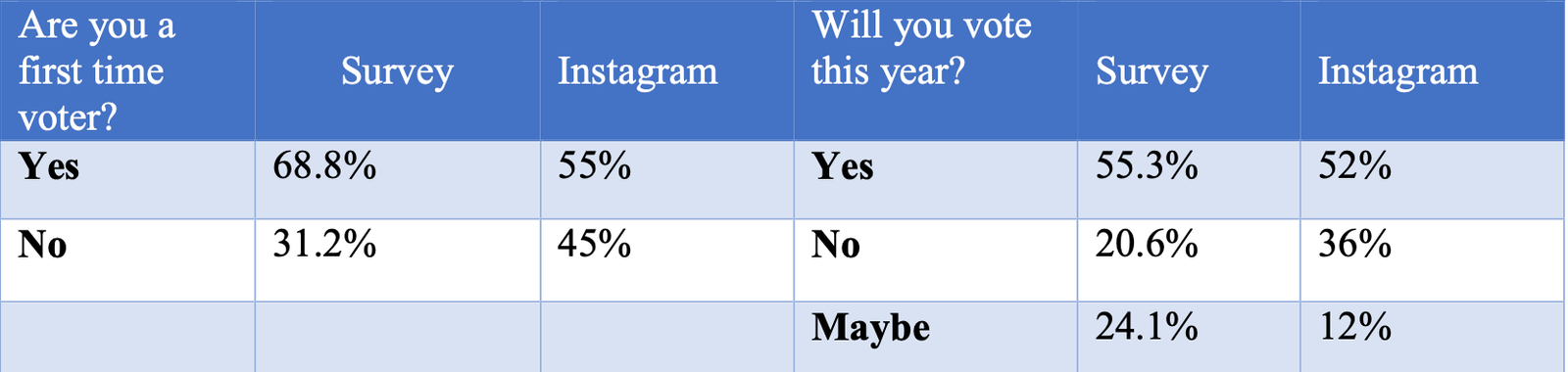
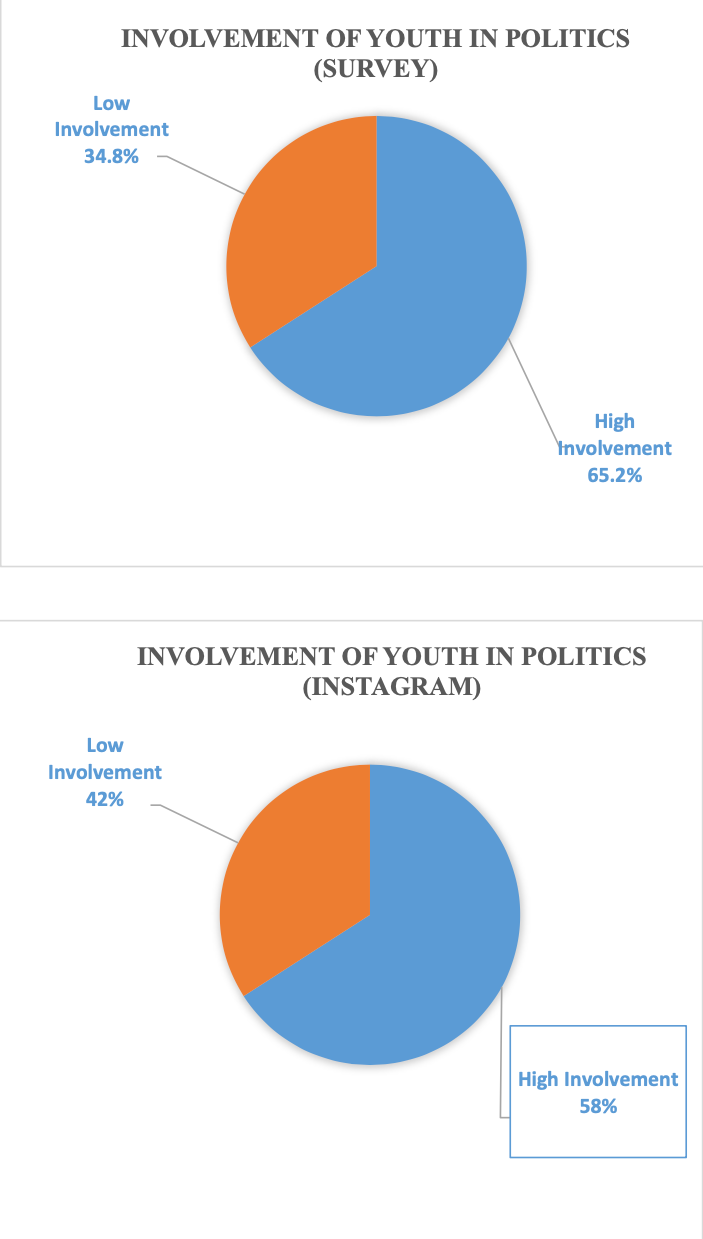
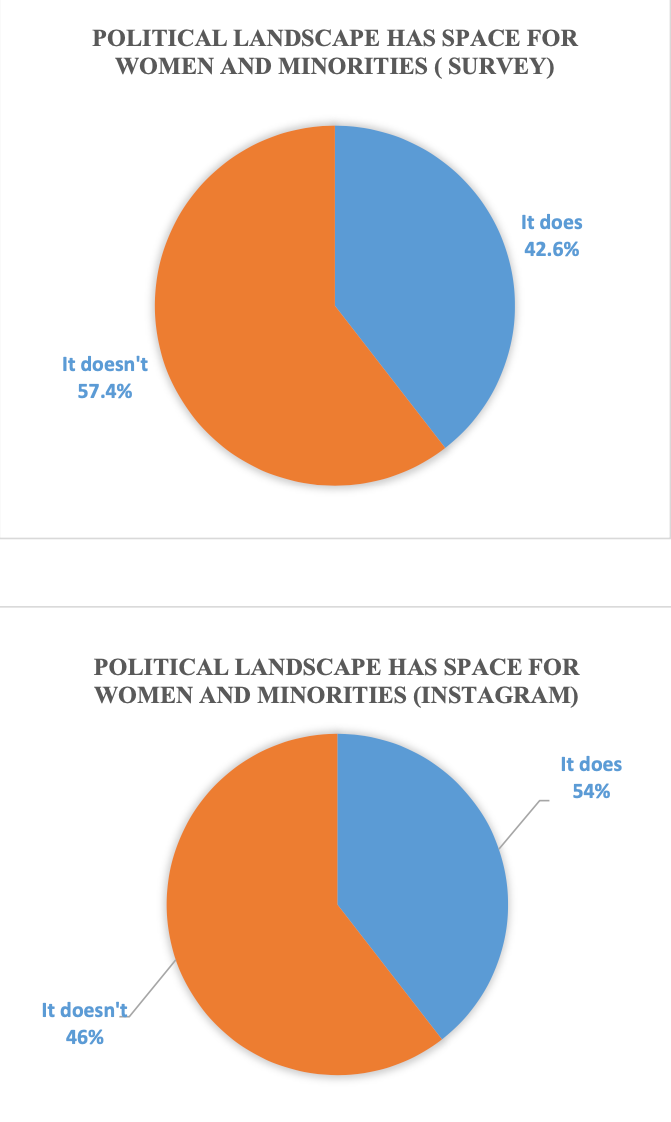
    Pakistan’s political landscape is undergoing a significant transformation as the country prepares for critical elections. The young, energetic youth, a demographic powerhouse, holds significant potential to shape the country’s political future, making their thoughts, worries, and aspirations crucial.

    Youth Voter Turnout 2018:

    According to empirical Analysis of Elections in Pakistan done by Gallup Pakistan, average Youth voter turnout estimates are a mere 31.5% compared to 40% for women voter turnout and 53% for average national voter turnout during the last two elections in 2013 and 2018.

    Youth Driven Digital Democracy:

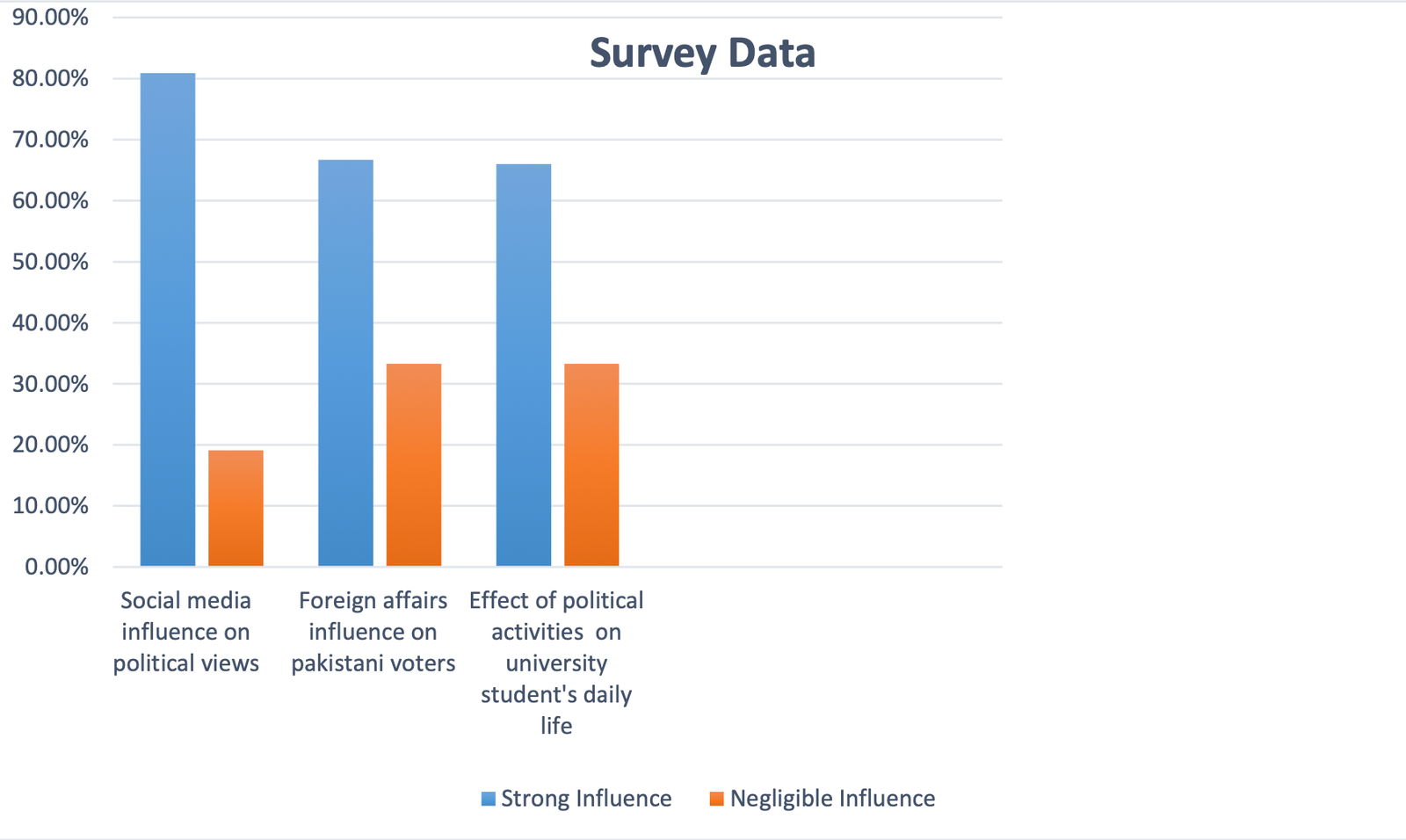
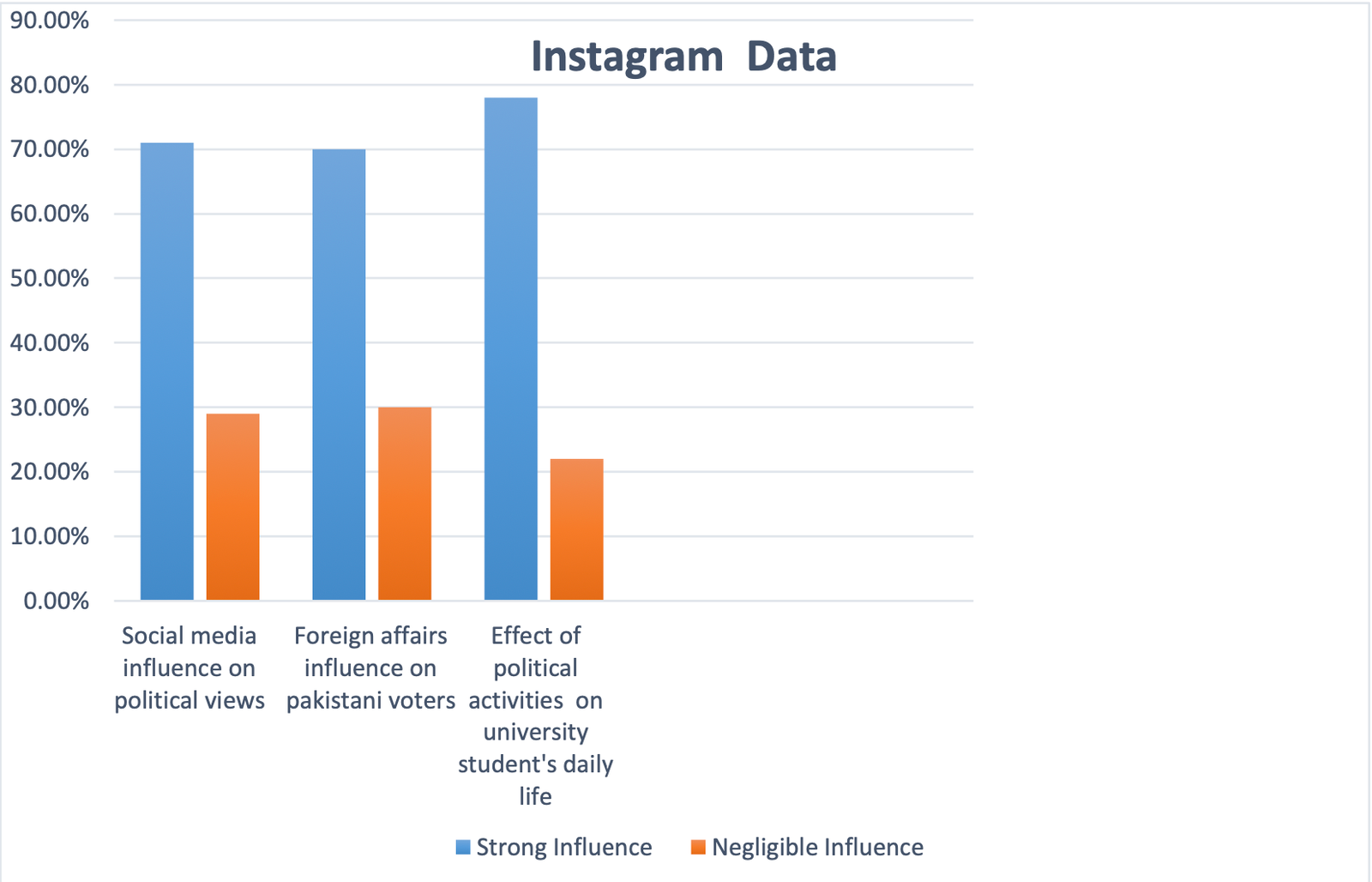
    To help the voices of the future, we also need to explore the influence of social media on political opinions and decisions driven by the youth. In the diverse society we are living in, social media is the strongest tool at the disposal of Pakistani political parties which can have a profound effect on youth’s minds and political parties and vice versa. Social media platforms enable young people to participate in conversations, express their opinions, and contribute to an active online political dialogue. Hashtags and trending topics frequently serve as vehicles for political speech, emphasizing certain concerns and establishing a virtual arena for political discourse.

    Critical issues for upcoming 2024 election:

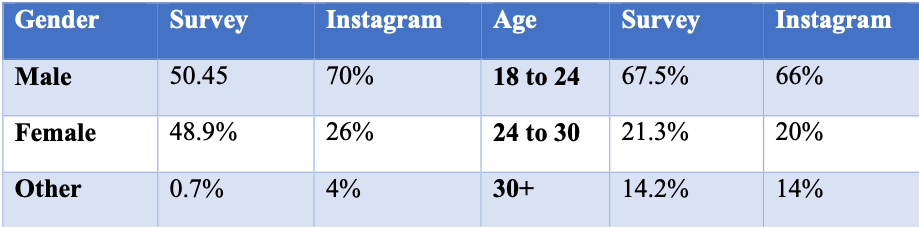
    The 2024 elections survey by The Current Forum in Pakistan raised important concerns: 51.8% prioritized economic stability, 32.6% emphasized governance and accountability, 8.5%% focused on social services such as education and healthcare, 3.5% were conscious of climate change, and 3.5% were concerned about national security. Instagram polls echoed similar sentiments: 45% prioritized governance and accountability, 42% emphasized economic stability, 11% supported education and healthcare, and 2% were concerned about climate change. These findings highlight the different electorate objectives, emphasizing the necessity for policymakers to develop comprehensive policies that meet several issues

    Request for political candidates for immediate impact on universities and student bodies:

    The Current Forum’s 2024 elections survey found a wide range of student demands: 40.4% emphasized active engagement in decision-making for inclusive governance, 32.6% requested immediate financial assistance, and 24.8% increased funding for education. Notably, 2.1% prioritized increased campus security. According to Instagram surveys, 43% priorities student assistance, 34% advocate for student involvement in decision-making, 19% demand increased education financing, and 4% emphasize enhanced campus security.

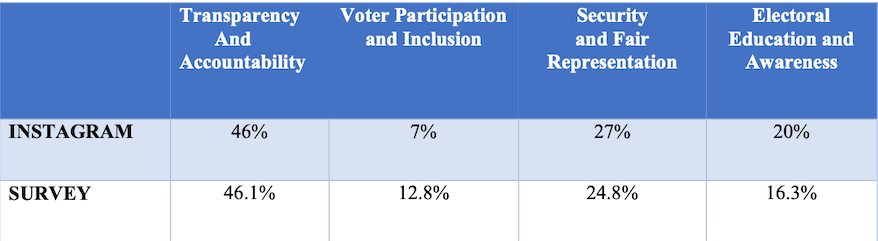
    Concerns about the electoral process in Pakistan that need attention and improvement:

    Initiatives or strategies that could encourage greater political awareness and participation among the youth in Pakistan:

    The study indicates a variety of opinions on improving political engagement among Pakistani young. Notably, 29.8% prefer youth-focused political participation events, while 30.5% support greater young representation. 18.4% favor expanding civic education programs, while 21.3% support easily available information platforms.

    According to Instagram polls, 25% prefer greater civic education, while 24% support youth-focused engagement activities. A majority (35%) advocate for expanded youth representation, while 16% support accessible information platforms.

    Immediate Priorities for Universities and Students: Requests to Political Candidates in Pakistan’s 2024 Elections

    The survey responses highlight a range of concerns and requests from students in Pakistan for political candidates to address in the 2024 elections. Key issues include the restoration of student unions, regulation of private institution fees, compulsory on-campus jobs, and student policies that positively impact the student body. The lack of governance in certain regions, particularly in Balochistan, is also a concern. Students advocate for changes in grading systems, tackling harassment issues, ensure affordable fees, and creating job opportunities post-graduation. They also advocate for free education, scholarships, and support for those unable to afford fees. The survey participants urged candidates to address the specific needs and concerns voiced by the student community, fostering a more responsive and accountable approach to policymaking.

  • Peshawar students to campaign against use of drugs in educational institutions

    Peshawar students to campaign against use of drugs in educational institutions

    The students of the University of Agriculture in Peshawar have decided on starting a mission to prevent use of drugs in educational institutions.

    According to reports, the administration has become active to protect the students of the University of Agriculture from drugs. The Anti-Drug Awareness Committee held a meeting at the campus.

    According to experts present at the meeting, drugs give temporary relief by increasing hormones, but later they cause permanent destruction; adding that the addict becomes a burden on his family and society.

    The students have decided to join hands with the government and social organisations to play an active role in the anti-drug campaign.

    According to the report of a non-governmental organisation, 7.6 million people use drugs in Pakistan, including 78% men and 22% women.

  • Kissi haal may khush nahi: why Gen Z is not happy with anything?

    Kissi haal may khush nahi: why Gen Z is not happy with anything?

    It’s unfair to generalize an entire generation as being “not happy with anything.” The experiences and attitudes of individuals within a generation can vary greatly. However, there are some potential reasons why some members of Generation Z may appear to be unhappy or dissatisfied.

    One possible reason is the current state of the world. Gen Z has grown up during a time of great social and political upheaval, including economic uncertainty, climate change and political polarization. These issues can be overwhelming and lead to feelings of anxiety and hopelessness.

    Another factor is the prevalence of social media in Gen Z’s lives. Social media can create a constant pressure to present a perfect image and compare oneself to others, leading to feelings of inadequacy and low self-esteem. Additionally, social media can expose Gen Z to a constant stream of negative news and information, which can contribute to feelings of pessimism and despair.

    Finally, there may be a perception that previous generations have left Gen Z with a world that is in worse shape than it was before. This can lead to feelings of resentment and disillusionment, as well as a belief that the current systems and structures are not working for them.

    Overall, it’s important to recognize that every generation has its own unique challenges and struggles, and it’s unfair to characterize an entire group as being uniformly unhappy or dissatisfied.

  • ‘Social media poses risk to mental health of teenagers’: expert

    US Surgeon General Dr Vivek Murthy issued an advisory on Tuesday, warning about the consequences social media usage has for women and children. He said that it is imperative now more than ever that tech companies, policymakers and parents take immediate action to ensure that children are protected.

    “For every family, it may not be feasible to stop your child from using social media or there may be benefits,” he told the Associated Press, “But drawing boundaries around the use of social media in your child’s life so there are times and spaces that are protected, that are tech-free, that can be really helpful.”

    According to The Guardian, Murthy revealed that it was terrifying that not enough research has been done to understand the harm social media has over children:

    “The bottom line is we do not have enough evidence to conclude that social media is, in fact, sufficiently safe for our kids. And that’s really important for parents to know.”

    The advisory is a part of Dr Murthy’s ongoing investigation in to the mental health crisis of American youth. The report pointed out that more than 95% of American teenagers between the ages of 13 to 17 years old are active on social media platforms, while a third said they use these apps constantly. The report also pointed out that there has been a noticeable rise of children and adults dealing with anxiety and depression due to social media usage.

    This report has arrived in the wake of Facebook whistleblower Frances Haugen revealing in 2021 that according to research conducted by Facebook, 13.5% of teen girls say Instagram makes thoughts of suicide worse, and 17% of teen girls say Instagram makes eating disorders worse.

    “And what’s super tragic is Facebook’s own research says as these young women begin to consume this eating disorder content, they get more and more depressed. It actually makes them use the app more,” Haugen revealed. “They end up in this feedback cycle where they hate their bodies more and more.”

  • Govt launches paid internship programme to support 30,000 unemployed graduates

    Govt launches paid internship programme to support 30,000 unemployed graduates

    Federal Minister for Planning and Development Ahsan Iqbal announced on Thursday that the government is initiating the “Talented Youth Internship Program” for 30,000 graduate students who are unemployed.

    The minister announced the internship would last six months and pay a monthly stipend of Rs25,000 to the youngsters while presiding over a meeting of representatives from the private sector.

    He claimed that because two-thirds of Pakistan’s population is under the age of 30, the future of the nation hinges on the youth acquiring meaningful education and skills.

    According to Ahsan Iqbal, the Ministry of Planning’s primary responsibility is to prepare for the youth’s future, and he said that the private sector and the youth’s active participation are essential for Pakistan’s growth.

    He claimed that with this scheme, 30,000 young people would have the chance to work in the industry.

    The minister emphasised the necessity of putting aside differences and cooperating to end the country’s economic problems.

    He said, “When there is a fire in the house, the first thing to do is to extinguish the fire. The economy of a country with a population of 220 million does not sink in 8 months.”

    Every Pakistani, according to him, should contribute to the effort to end the nation’s economic predicament. “Every Pakistani citizen must support the Turnaround Pakistan Campaign.”