Category: Lifestyle

The lifestyle of millennials is underreported in our mainstream media. The Current’s lifestyle news covers social events and issues that are unique.

  • Floods in Pakistan:  Should you donate sanitary pads?

    Floods in Pakistan: Should you donate sanitary pads?

    The devasting floods have killed at least 1,191 people in the country. Balochistan and Sindh are the most affected provinces of the country. Hundreds of thousands of people who were displaced by the floods since June are currently residing in camps or with host families.

    As per an estimate, 8.2 million women in flood-affected areas are of reproductive age. Menstruating women in disaster-hit areas require access to safe and clean menstruation hygine products.

    Many organisations are donating sanitary pads for women. However, a debate has been going around for days that whether sanitary pads should be donated or not. Some give the arguments that rural women do not use and do not know how to use sanitary pads, and donating them sanitary pads is a waste of already limited resources. While others give an argument that disposing of sanitary pads pollutes the environment.

    “One study has suggested that there may be an increased risk of urogenital infections, such as yeast infection, vaginosis or urinary tract infections, when women and girls are not able to bathe and/or change or clean their menstrual supplies regularly,” a report published by the United Nations Population Fund reads.

    Here is the United Nations Children’s Fund (UNICEF) Guide to Menstrual Hygiene Materials:

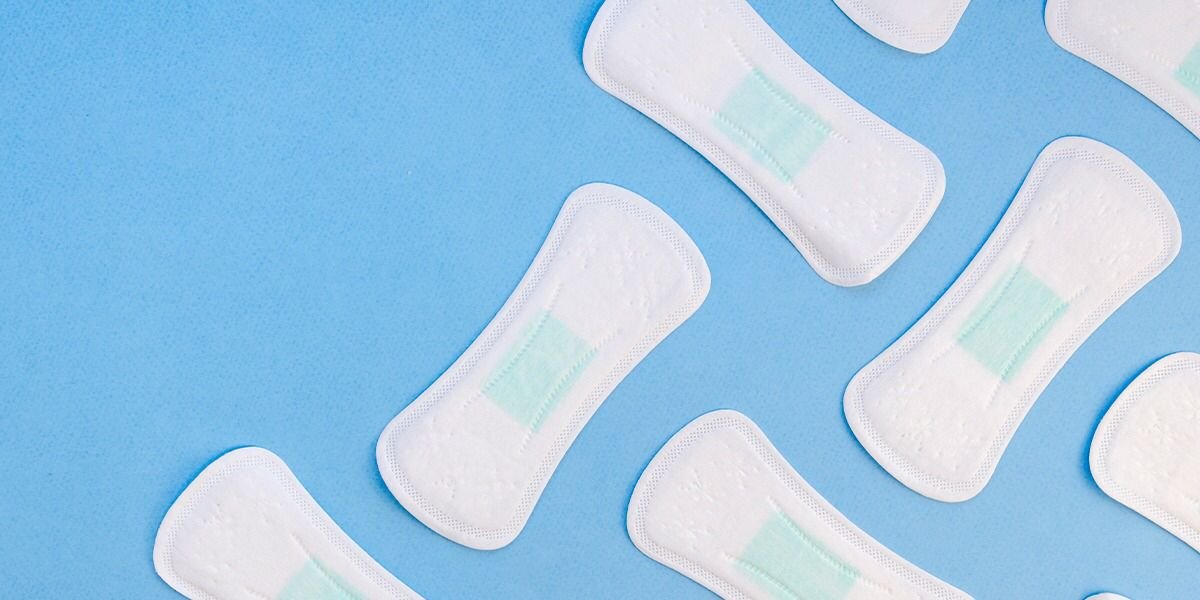
    Pads are arguably the most widely used period product the sanitary pad/napkin has been commercially available for more than a century. They are worn inside the user’s underwear and absorb menstrual blood through layers of absorbent material, often rayon, cotton, and plastic. Pad design has changed over the decades to become considerably more absorbent and pleasant, with a wide selection available to suit different flows.

    Talking about the arguments going around regarding the negative consequences of using disposable pads environment Lawyer Ahmad Rafay Alam while talking to The Current about the issues said, “Women are as entitled to their dignity as men. Screaming plastic pollution at a time like this is disingenuous at best. We can work out plastic pollution issues soon. Let’s first deal with the millions of women who menstruate.”

    Dr Alia Haider, who is working for the relief of flood victims in Khyber Pakhtunkhwa (KP), while talking to The Current said that women in flood-affected areas do not have access to sanitary pads or the clothes they would normally use, as all of their belongings were completely destroyed.

    Talking about the need of donating sanitary pads in flood-affected areas Haider said, “It would be very unfair to give women medicines but not sanitary pads,” adding that sanitary pads are not a luxury but a basic human need.

    However, she said that donating sanitary pads is not enough, a tutorial about how to use them should be sent along or people distributing them should go and teach the flood-affected women.

    “When I was working in medical camps in those areas, women came to me and said they don’t need it because they don’t know how to use them, then I used to take a group of 10 to 15 women in a room and used to teach them how to use sanitary pads. I made sure that they know that these are disposable.

    She continued by adding, “We can also find and coordinate with women from those communities and backgrounds who know how to use sanitary pads and they can teach their fellow community members” So we need to connect with them on a community level.”

    “When I was in Rajanpur, Taunsa, a woman did not know how to use sanitary pads so a guy came to me and said do get it to them. I asked the guy if he knows someone who knows how to use sanitary pads, to which the boy replied that his wife knows how to use them. Then I asked him to bring his wife, she knew how to use it and she offered that she would teach women in that community how to use sanitary pads.”

    “We can’t sit idle and say oh my God that this is not the need of the time. Not maintaining menstrual hygiene can lead to many issues including Urinary tract infection (UTI), fungal infection, and prolonged use of clothing cause menorrhagia (excessive bleeding). During my visit to flood-affected areas, almost 60 to 70 per cent of women were suffering from Menorrhagia and other infections.”

    She said that she does not think there is any other option than sanitary pads because even if they are provided with clothes, they will not have the resources to wash them or reuse them. Sanitary pads are accessible and disposable so they are the best option available according to Dr Alia’s assessment.

    Where can you donate?

    Bushra Mahnoor, who is leading a campaign called “Mahwari Justice” along with her friend Anum, while talking to The Current said that they started the campaign when the floods hit Pakistan at the end of June.

    Mahwari is an Urdu word for Menstruation and Mahwari Justice means justice for women who menstruate and who are in dire need of menstrual assistance.

    Talking about why she felt compelled to start the campaign, Bushra said,” I was a kid when the 2010 foods hit Pakistan. A lot of areas near my hometown Attock were flooded. My parents would collect goods and would take them to relief camps.”

    Once when she went along with her parents to a relief camp, she saw a girl who was a year or two older than her. The girl’s shirt and shalwar (trousers) were spotted with large blood stains.

    “My mother approached the girl and gave her a shawl to cover herself and a piece of clothing to use [as a pad]. The young girl explained to my mother that her periods started in the relief camp and she had nothing to use as a sanitary cloth. The girl was using her dupatta to manage periods but it was barely doing the job.”

    “When floods hit Pakistan this year, the image of that little girl flashed into my mind and I knew I had to do something,” said Mahnoor.
    She then contacted Anum and they both decided that they had to do something for the women in flood-affected areas.

    “Women and their needs get neglected not only by the state but by relief campaigners as well.”

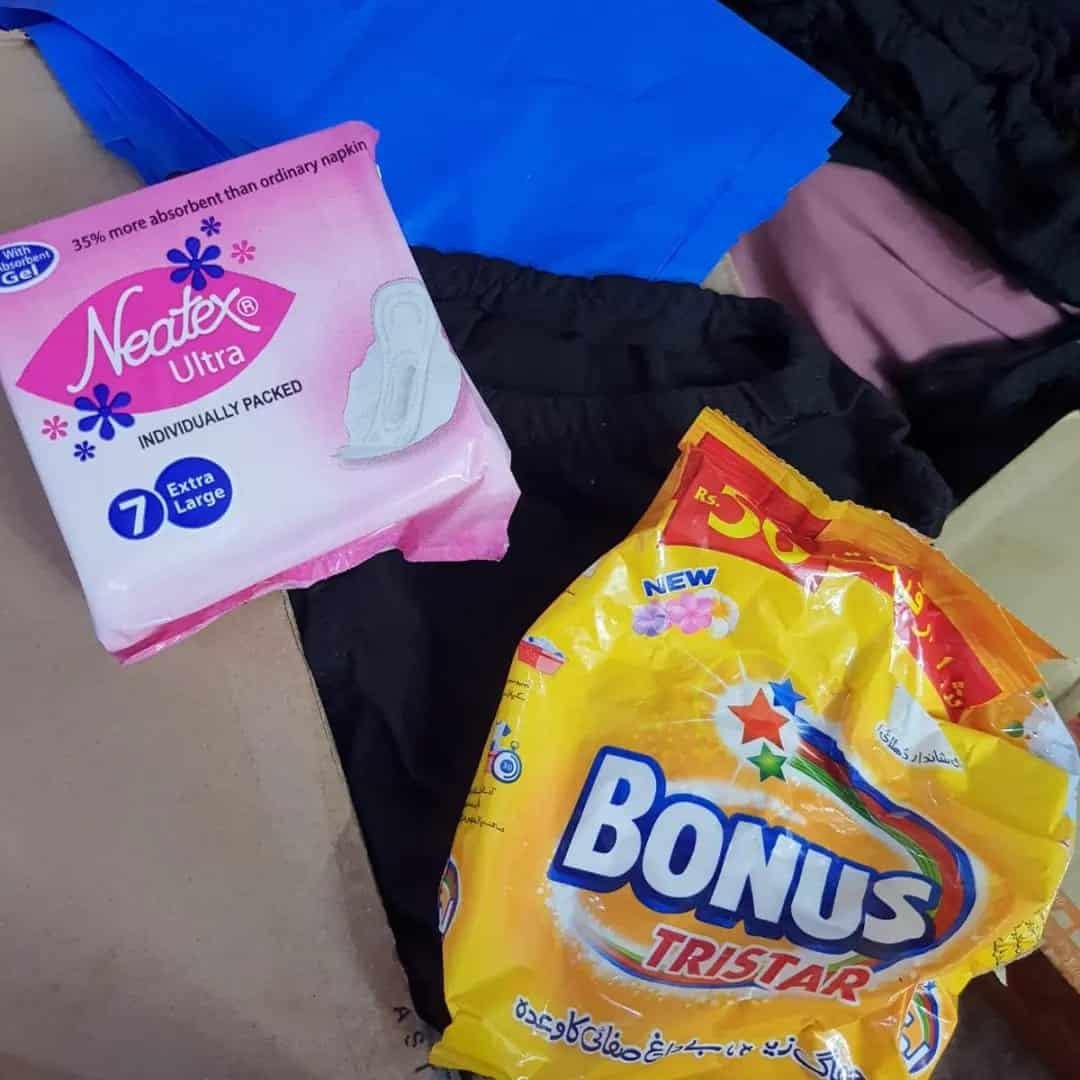
    Mahnoor told The Current that Mahwari Justice is collecting sanitary napkins, cloth pads, cotton pads, underwear and sheets which they then donate to women in disaster-hit areas.
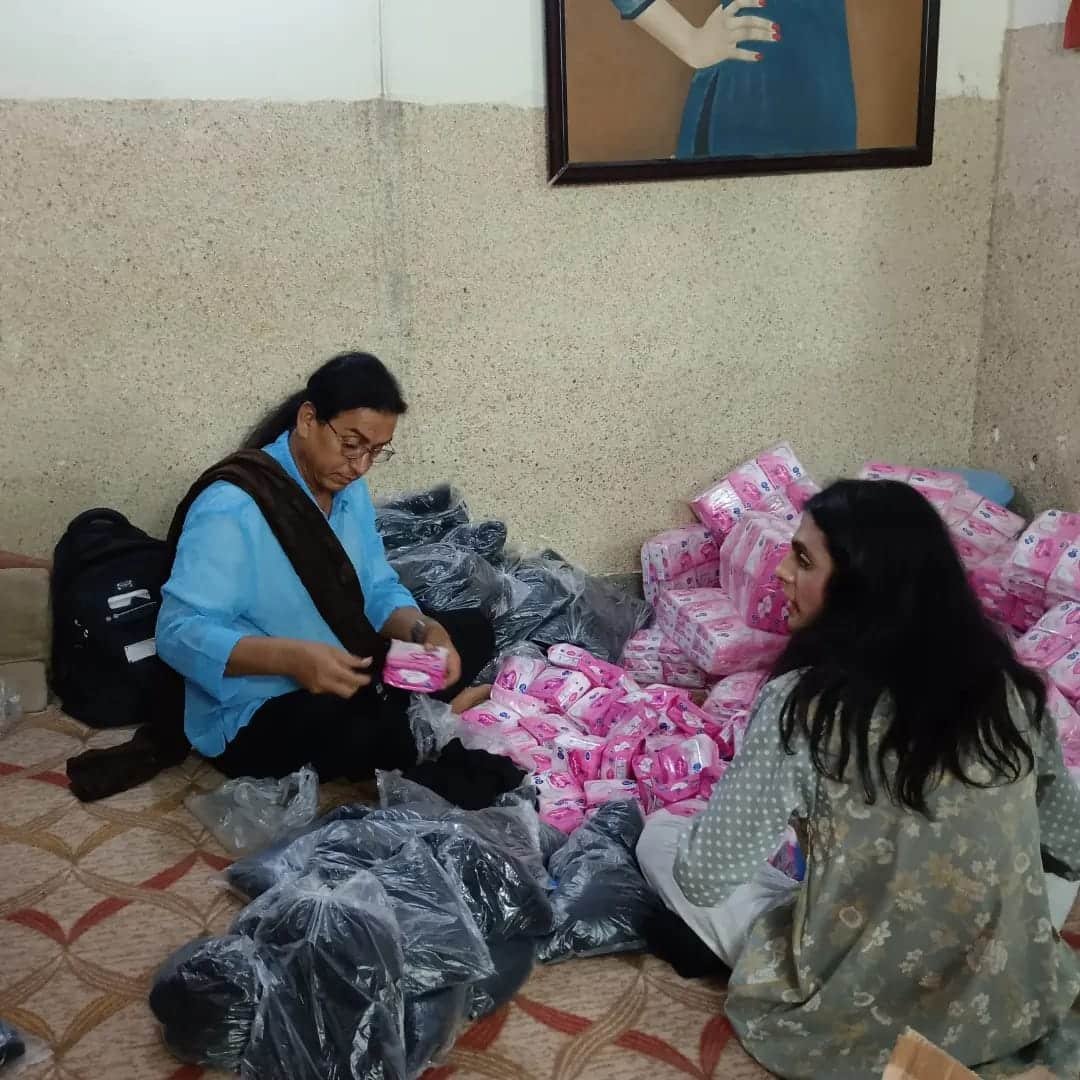
    “There are many people who are saying that women in rural areas do not use sanitary pads. Why don’t they use sanitary pads? Because they do not have access to them and the critique is mostly coming from those who maybe have never used a cloth pad in their lives,” she stated.

    Bushra comes from a lower-income background and for most of her life, she used a cloth pad.
    “Do you even realise, how uncomfortable and how unhygienic and how itchy the cloth pads are?” she wondered, adding: “I had to use cloth pads because we did not have the resources to buy sanitary napkins. It was difficult to afford sanitary napkins for six people every month.”

    Mahoor further said that she agrees that sanitary pads have many problems too, but she does not understand why people think it is okay to preach about climate impact when an urgent crisis has hit the country.

    “Pakistan is only contributing one per cent to the global carbon emission and women in rural areas do not make even a fraction of that one per cent.” She said she doesn’t understand why people are so worried about the waste that will be generated.

    Anum Khalid, who started this campaign with Mahnoor while talking to The Current said, “If a flood victim is thirsty and you are giving them water in a plastic bottle, does that not harm the environment?”.
    She continued by saying, “Bushra and I started this campaign to provide immediate relief to women or other menstruators from the issues they face from continuous bleeding.”

    United Nations (UN)’s report on Guide to Menstrual Hygiene products suggests that consultation should be done on what products women are comfortable using because different materials and products are utilised for this purpose.

    Anam said that they now send information about how to use sanitary pads along with their sanitary kits. They are also providing cloth pads for women in the areas where women ask for them because of their cultural preferences.

    She continued by adding that our volunteers are teaching women in rural areas in their own language how to correctly use sanitary napkins.

    She concluded by saying that the debate about whether something is a luxury or a basic need in times of crisis was tragic. “Our justice campaign, I believe, is helping to change the belief that sanitary pads are luxury,” she stressed.

  • Google, Suzuki donate millions to flood-affectees

    Google, Suzuki donate millions to flood-affectees

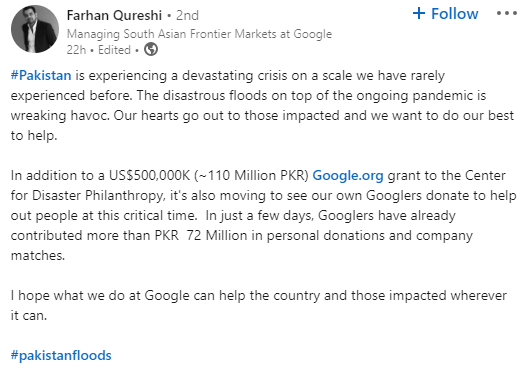
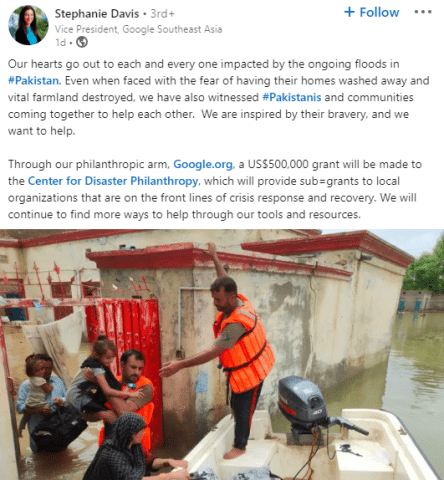
    Tech giant Google has announced that it will donate $500,000 (Rs110 million) for flood relief efforts in Pakistan.

    Google Southeast Asia Vice President Stephanie Davis posted on LinkedIn that the tech giant would donate the amount to the Centre for Disaster Philanthropy through Google.org.

    In a post, she wrote: “Our hearts go out to each and everyone impacted by the ongoing floods in Pakistan. Even when faced with the fear of having their homes washed away and vital farmland destroyed, we have also witnessed Pakistanis and communities coming together to help each other. We are inspired by their bravery, and we want to help.”

    She added that the company would find more ways to help Pakistan through its tools and resources.

    Separately, Google’s Regional Head for South Asian Frontier Markets Farhan Qureshi said Google employees have contributed over Rs72 million so far in personal donations and company matches.

    Earlier this week, Apple Chief Executive Officer Tim Cook said his company would donate to relief and recovery efforts on the ground.

    “The floods in Pakistan and surrounding areas are devastating humanitarian disasters. Our thoughts are with those that have lost loved ones, the many displaced families, and all those affected,” he tweeted.

    Suzuki has also decided to offer aid to Pakistan in support of the flood victims. According to an official notification, the company will offer a relief fund of 10 million Japanese Yen (Rs15.6 million).

    Water levels continued to rise on Friday as the overall death toll from the devastating floods has crossed 1,200.

  • Pakistan’s iconic ‘wow grape’ meme to be sold as NFT

    Pakistan’s iconic ‘wow grape’ meme to be sold as NFT

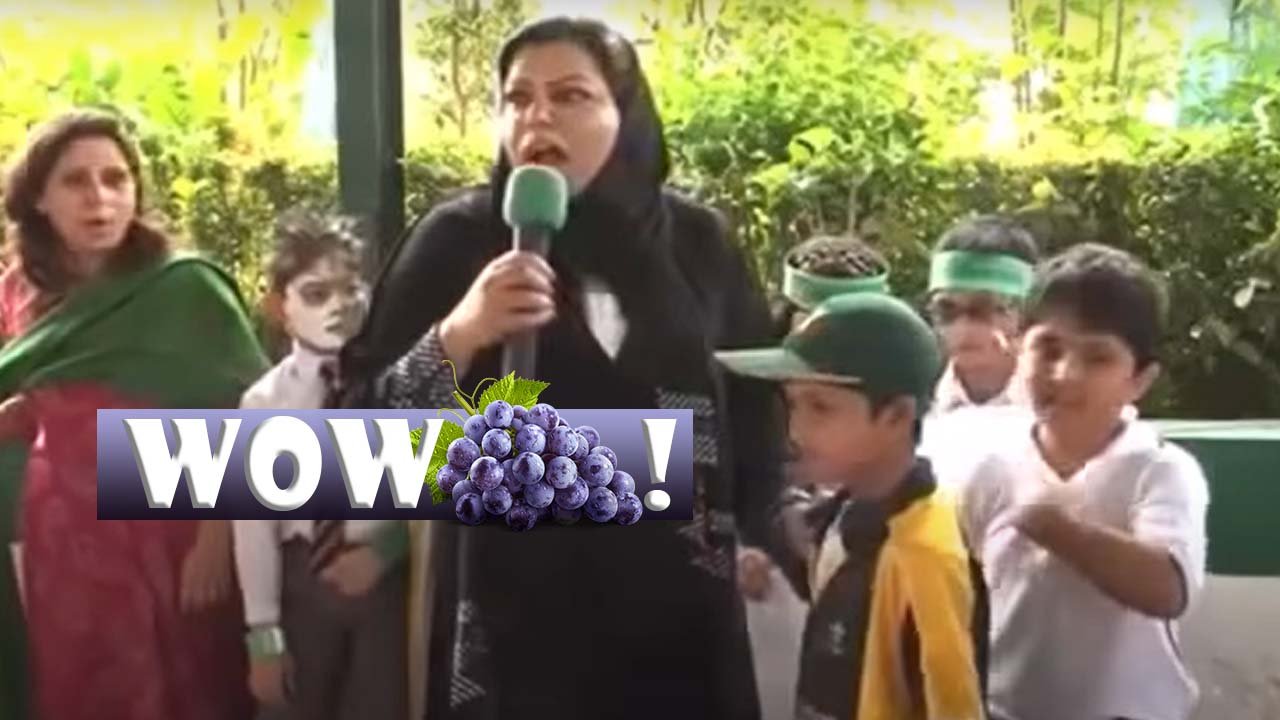
    The “wow grape” meme that won the hearts of many people across the world is due to be auctioned as a Non-Fungible Token (NFT) on September 30, 2022, on the digital art marketplace Foundation.

    When a YouTube channel posted a video of a celebration at a Pakistani school in Saudi Arabia, a school teacher, Sehar Kamran’s “wow grape” moment became meme material for netizens.

    Snippets from the video quickly went popular on the internet, becoming a frequent model for the creation of memes that inundated social media.

    The tagline “wow, great” was actually misunderstood as “wow grape” by internet users. Since then, the phrase “wow grape” has appeared regularly in texts, images, gifs, and videos on the internet.

    The auction will be held in partnership with the Sweden/Pakistan-based software business, Maqssoft, with Sehar Kamran’s permission.

    Reportedly, a percentage of the earnings from NFT sales will go toward the rehabilitation of flood victims in Pakistan.

  • Video: Young shoe polisher wins hearts by donating half of his earnings to flood victims

    Video: Young shoe polisher wins hearts by donating half of his earnings to flood victims

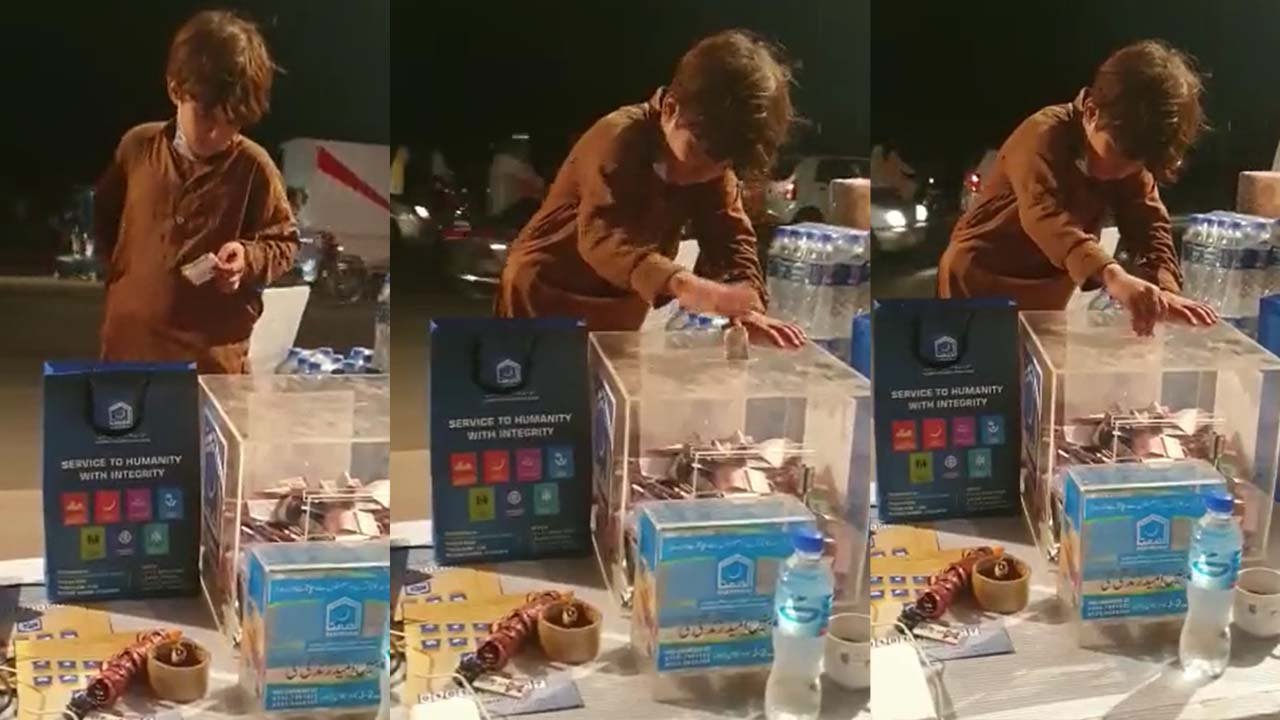
    A charity organisation, Alkhidmat Foundation Pakistan, posted a video of a young boy donating Rs30 for flood relief efforts.

    The shoe polisher has been donating to the flood relief camp at Thokar Niaz Baig in Lahore for the last five days, according to the Alkhidmat Foundation.

    It went on to say that since he did not have any money to donate the day before yesterday, he shined some shoes and donated Rs30 of the Rs60 he had earned.

    In the emotional video, the boy can be seen searching his pockets for money before putting it inside the contribution box.

    The post has been retweeted 8k times and received over 24k likes, with others applauding the noble gesture from a poor youngster. Some netizens stated that it is a lesson for people who earn a lot of money but do not contribute or have a big enough heart to donate enough money in such instances.

  • FBISE announces intermediate part II result

    FBISE announces intermediate part II result

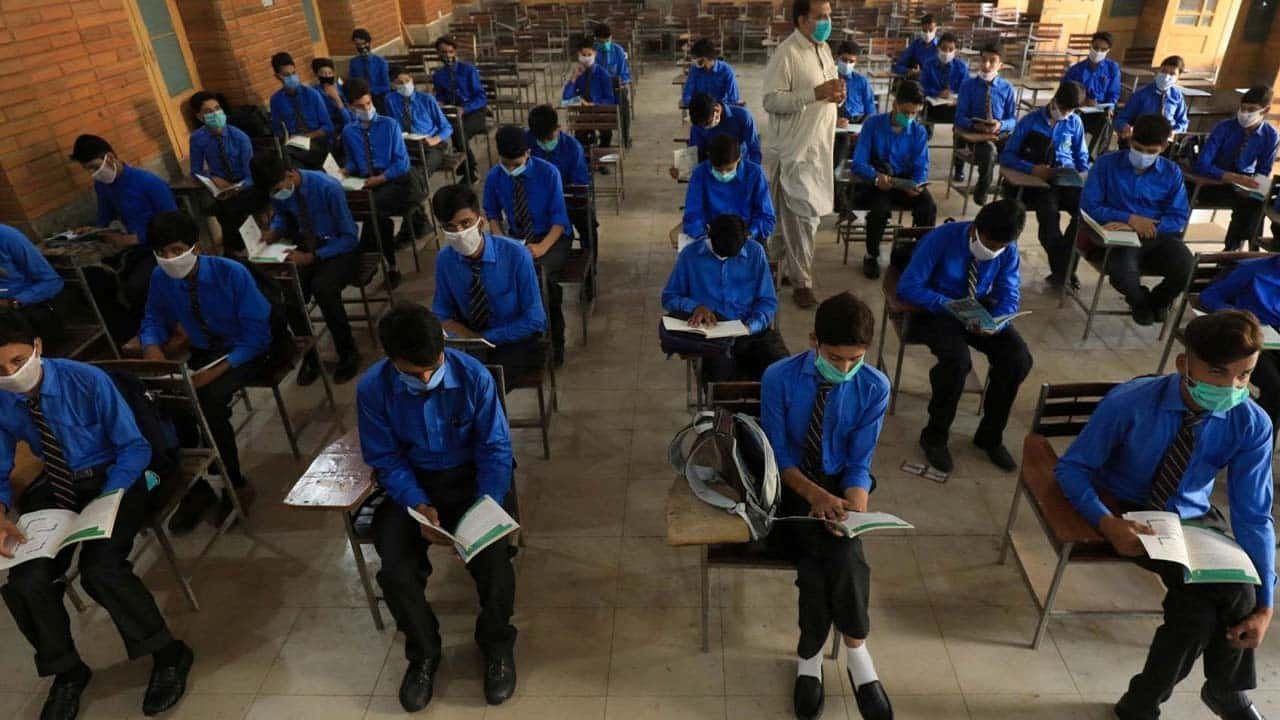
    The Higher Secondary School Certificate (HSSC) part-II yearly exam results have been announced by the Federal Board of Intermediate and Secondary Education (FBISE).

    Dr Mukhtar Ahmed, the chairman of the Higher Education Commission (HEC), was the chief guest at the official results declaration ceremony conducted earlier today at the FBISE headquarters in Islamabad.

    The highest performers from each academic group received Detailed Marks Certificates (DMCs) from the minister.

    Students can check their results through FBISE’s website or by sending an SMS to 5050 with the format: FB(Space)[Roll Number] to obtain results on mobile

    Additionally, students can phone (051) 9269555-59 to find out their scores.

    Moreover, candidates who provided their mobile numbers on the admission form will receive results from FBISE through SMS.

    The HSSC part-I yearly exam result date is expected to be released later.

  • At least 73,000 pregnant women expected to deliver next month in flood-affected areas

    At least 73,000 pregnant women expected to deliver next month in flood-affected areas

    According to the United Nations Population Fund (UNFPA), at least 650,000 pregnant women in flood-affected areas are in desperate need of maternal healthcare. As per UNFPA, 73,000 pregnant women are expected to deliver next month.

    “Up to 73,000 women expected to deliver next month will need skilled birth attendants, newborn care, and support,” the agency said, adding that pregnancies and childbirth cannot wait for emergencies or natural disasters to be over as this is when a woman and baby are vulnerable and need the most care.
    “UNFPA is on the ground, working with partners, to ensure that pregnant women and new mothers continue re­­ceiving life-saving services even under the most challenging conditions,” ac­­ting UNFPA Pakistan Repre­sen­tative Dr Bakhtior Kadirov said.

    You can donate clean delivery kits to women in need in flood-affected areas.

  • Two young sisters kidnapped, raped for four months

    Two young sisters kidnapped, raped for four months

    Two young sisters were kidnapped, kept in confinement and then raped for four months allegedly by a landlord and his employee.

    The horrifying incident took place in the Khaur police station area of Pindigheb town in Attock.

    According to the survivors’ father, who is a labourer, his 16-year-old and 18-year-old daughters were abducted by the local landlord and his personal employee four months ago.

    He said that the suspect kept his daughters in illegal confinement and raped them. Later, the girls escaped from confinement, reached their home and narrated the whole incident.

    After a medical examination by the police, it was confirmed that the teenagers were raped, which led to the registration of a case against the suspects.

    However, no arrest has been made so far.

    In Lahore, another incident took place where a 10-year-old girl was allegedly raped and then murdered. The murdered girl allegedly went swimming at a pool with her brother and five-year-old sister.

    The police are investigating the case.

  • Floods in Pakistan: Govt to establish ‘National Flood Response and Coordination Centre’

    Floods in Pakistan: Govt to establish ‘National Flood Response and Coordination Centre’

    The government has decided to establish the ‘National Flood Response and Coordination Centre’ to deal with the situation of floods in the country and the rehabilitation of flood-affected people.

    The decision was made during a meeting of allied parties on August 29 in Islamabad, which was presided over by Prime Minister (PM) Shehbaz Sharif.

    The Chairman of the National Disaster Management Authority (NDMA) updated the participants of the meeting about the country’s flood situation and relief efforts.

    The participants of the meeting decided that the estimation of the damages should be conducted in a transparent way.

    “At the national flood emergency meeting today, we approved the establishment of the National Flood Response & Coordination Center to provide an institutional response to the flood calamity. Led by PM, this Center will comprise federal ministers, reps of armed forces, CMs, & experts,” tweeted PM Shehbaz.

    According to the data issued by NDMA, at least 1,136 people have died in floods caused by heavy rains in the country.

  • Girl raped, murdered, family finds her floating in swimming pool

    Girl raped, murdered, family finds her floating in swimming pool

    A 10-year-old girl was allegedly raped and then murdered in Lahore. The murdered girl allegedly went swimming at a pool with her brother Sajjad and a five-year-old sister.

    The victim then went missing. When her brother tried to find her and contacted the swimming pool owner, Ali Raza, Raza told him she had gone home.

    When she didn’t come home, her family went to the swimming pool and found her floating in the swimming pool. She was then taken to the hospital where she was declared dead by the hospital staff.

    The murdered girl’s family, relatives, and community people organised a protest on Ring Road. They say that she was raped before the murder.
    However, there is no mention of rape in the First Information Report (FIR). The police are investigating the case.

  • Dengue cases on the rise in Punjab

    According to a statement issued by the Secretary of Health Punjab, 32 cases of dengue virus have been detected across the province in the last 24 hours.

    At least 70 cases of dengue were reported in Punjab on Sunday.

    According to the Health Department, a total of 1,034 dengue virus cases have been reported in 2022.

    441 cases of dengue were reported in Lahore alone.

    Read more- All you need to know about dengue

    Amid the increase in cases of dengue, the district administration of Rawalpindi has launched a crackdown and sealed 58 buildings for finding dengue larvae and filed cases against 41 people.

    Citizens have been advised to cooperate with the health teams and closely adhere to SOPs in order to avoid contracting the dengue virus.