The Delhi High Court ordered the e-commerce website Amazon to remove the listings after Rooh Afza’s Indian producer, Hamdard National Foundation, filed a lawsuit alleging that Pakistan-produced Rooh Afza was being sold in India through Amazon, according to The Indian Express.
Indians have been drinking Rooh Afza, a well-known beverage, for more than a century. The fact that its imported version was being sold on Amazon without the manufacturer’s information was shocking to the court.
On Wednesday, Justice Prathiba M. Singh ordered Amazon to remove the “listings of infringing ‘Rooh Afza’ products” within 48 hours.
Rooh Afza was first introduced by Hakim Hafiz Abdul Majeed in Delhi more than a century ago. After the partition, Hakim’s elder son relocated to India while the younger son chose Pakistan.
Currently, Hamdard National Foundation has the rights to the beverage in India, while Hamdard Laboratories (Waqf) makes it in Pakistan.
Last year, the Hamdard National Foundation discovered that some merchants were also listing Rooh Afza, and several of them received notifications as a result.
Later, it was discovered that the Rooh Afza bottles being sold in India on Amazon were really made in Pakistan, which is against the law.
The Taliban government of Afghanistan has closed secondary schools just days after classes began. Dozens of girls protested on Saturday in an eastern Afghan city. Photographs shared on social media show locals and business owners watching the girls march through the city’s core.
Following demands from hundreds of girls and tribal leaders, five government secondary schools in the eastern province of Patkia resumed classes last week. However, when the students showed up for class on Saturday, they were instructed to go home.
“This morning when they did not allow girls to enter schools, we held a protest,” said activist Yasmin, one of the organisers of the rally.
“The Taliban did not allow anyone to take footage of the protest. In fact, they broke some protesters’ mobile phones,” Yasmin told AFP by telephone.
“The students protested peacefully, but soon the rally was dispersed by security forces,” one Gardez resident who asked not to be named told AFP.
The Taliban administration this year in March announced that girls’ high schools in Afghanistan will be closed, and no female child above the sixth grade will be allowed to attend school. The announcement came only a few hours after they reopened for the first time in nearly seven months.
A 30-year-old woman was arrested for reportedly staging her own kidnapping four times in order to extort money from her mother.
The woman allegedly texted her mother a video of herself blindfolded and splattered with blood, a kidnapping she had staged on her own.
“Mommy. They’ve kidnapped me,” the woman sobs in the video sent to her mother. “You can’t say anything to the police. If you do, they’ll kill me.” She told her mother that the kidnappers will release her for $50,000. She also claimed that she was assaulted and denied foo
d. The girl executed the plan with the help of her boyfriend and his family.
This is not the first time that the woman tried extorting money from her mother. In the past the woman extorted at least $45,000 from her mother in three incidents.
The woman and four others were arrested on September 5 from a casino. They were discovered with the knife and fake blood from the video. All five face charges of extortion, among other offenses.
Deemed as a one-in-a-million conception, a 19-year-old Brazilian woman gave birth to twins nine months after having sex with two men on the same day.
As the first birthday of the twins approached the mother began having doubts over who the father of the twins was.
Putting an end to her curiosity, she decided to take a paternity test to confirm her suspicions, local news outlet news outlet Globoreported. The woman originally suspected only one of the two men to be the father of the twins, so she collected his DNA — but it only turned up positive for one child.
“I remembered that I had had sex with another man and called him to take the test, which was positive,” the new mom, who asked not to be identified, told the outlet. “I was surprised by the results. I didn’t know this could happen. They are very similar.”
Dr. Tulio Jorge Franco, the woman’s attending physician, told local news outlet Globo, “It is possible to happen when two eggs from the same mother are fertilized by different men. The babies share the mother’s genetic material, but they grow in different placentas.”
Dr. Franco admitted he never thought he would see a situation like this in his lifetime as it’s “one in a million” — and claims there are only about 20 other instances in the world like it.
Alam, a Hindu resident of Wahi Pindi in Sindh, jumped into a well which resulted in his death in Tando Mohammad Khan on Thursday.
The 35-year-old man reportedly jumped into the well to escape the rage of a policeman who was chasing Alam, allegedly, to beat him.
According to the victim’s family, the man took the extreme step after being subjected to violence by Qadir, a policeman.
Civil Hospital where he had a heated conversation with the policeman who was on duty there. The family said that Alam had a fever that’s why he had been visiting the hospital for two days.
Moreover, his family claimed that the policeman had beaten him, with a video of the alleged beating having been recorded. Alam then ran away from the hospital in an attempt to hide from the cop and jumped into the well, losing his life.
The family has demanded the registration of a First Information Report (FIR) against the policeman.
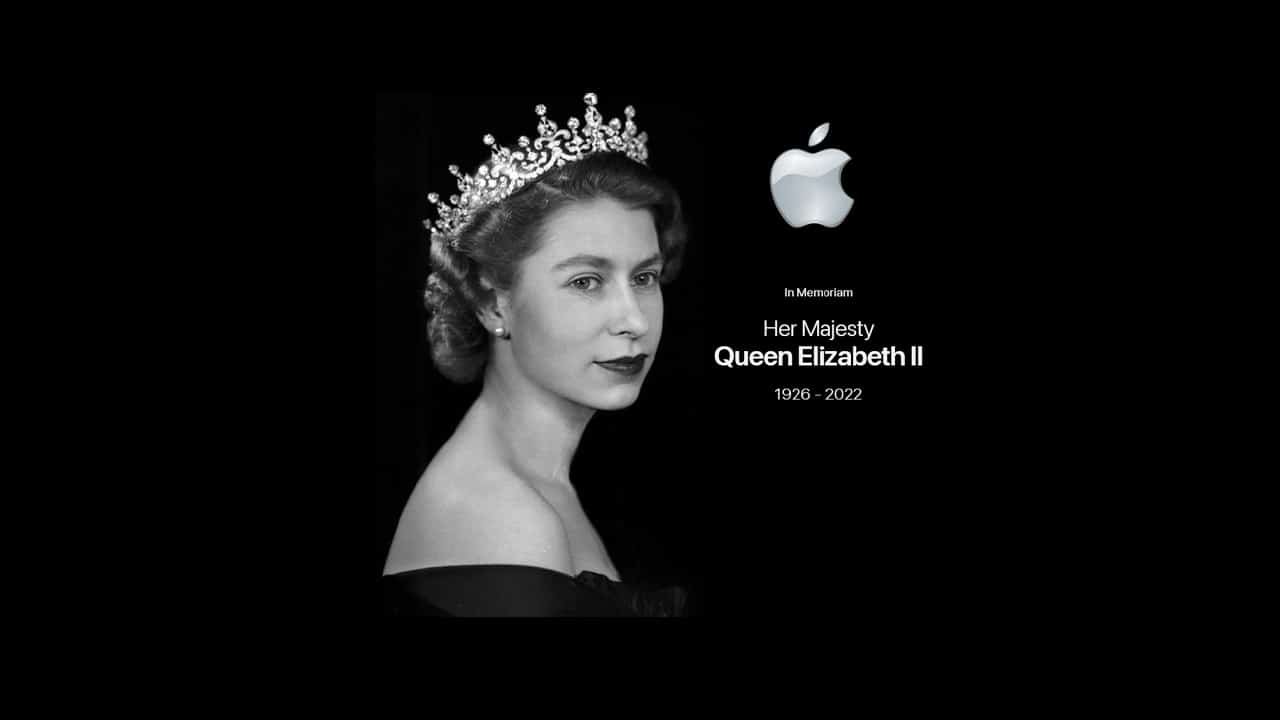
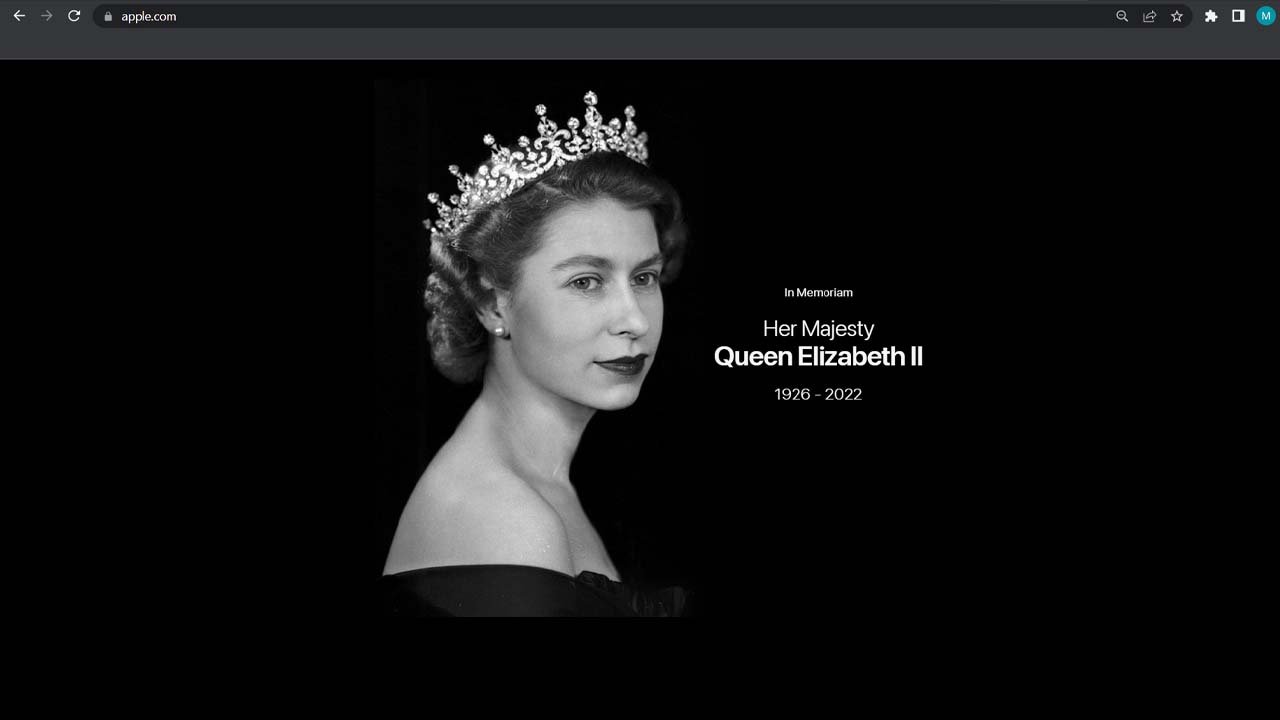
On Thursday, Apple changed the homepage in memory of Queen Elizabeth II. The Cupertino-based tech giant has added her photo and a tribute statement to its homepage in memory of her.
Tim Cook, the CEO of Apple, also offered his condolences to the citizens of the UK and the Commonwealth.
There is nothing more noble than to devote your life to the service of others. We stand with the people of the UK and Commonwealth in honoring the life and dedication to duty of her Majesty Queen Elizabeth II. May she rest in peace. pic.twitter.com/GkLpqyovlh
The longest reign of any British monarch was that of Queen Elizabeth II, who ruled for 70 years. She passed away at the age of 96.
Here’s how Apple’s landing page currently appears:
Apple.com landing page
Importantly, Apple just announced the iPhone 14 series one day before Queen Elizabeth II passed away, and all of the new products were displayed on the landing page of the company’s website. However, the Cupertino-based technology company immediately updated the home page and included a photo of Queen Elizabeth II.
Apple is one of the few tech behemoths to have changed its website, surprisingly at this key moment when the company is promoting its recently announced products, including the iPhone 14, iPhone 14 Max, iPhone 14 Pro, iPhone 14 Pro Max, Apple Watch Series 8 and AirPods Pro 2.
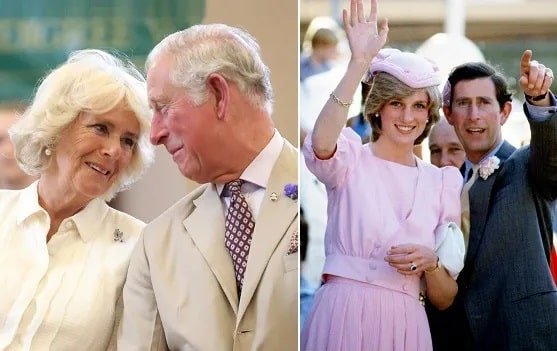
Camilla, Duchess of Cornwall, becomes King Charles’s Queen Consort, in a remarkable journey to public acceptance after she became a hate figure for her perceived role in the break-up of his marriage to princess Diana.
For years, Camilla was vilified as the marriage-wrecker who shattered Britain’s fairy-tale royal love story.
Diana famously complained in a bombshell BBC television interview in 1995 that “there were three of us in this marriage” — her, Charles and Camilla, his long-time lover.
She even reportedly called her love rival a “rottweiler”.
After Diana died in a Paris car crash in 1997, Charles and Camilla gradually began to appear together in public and in time became accepted as a couple.
They married in 2005 and she, over time, won plaudits as the future king’s loyal wife.
The couple were seen side-by-side as they looked at flowers left by mourners for Charles’ father Prince Philip.
The popular Netflix series “The Crown”, charting the lives of Britain’s most famous family, albeit with a heavy dose of artistic licence, rekindled interest in their affair.
Charles was portrayed as very much in the driver’s seat, pursuing the older Camilla, played by Oscar-winning writer, director and actress Emerald Fennell.
In real life Camilla has carved out her own role, participating in the Booker literary prize ceremony and even the final of television ballroom dancing talent contest “Strictly Come Dancing”.
She campaigns to raise awareness of osteoporosis a condition from which her mother, Rosalind, suffered — and has an Instagram book club.
Marking 70 years on the throne earlier this year, the queen announced she hoped Camilla would be known as Queen Consort when Charles becomes king, resolving a long debate over her future title.
A YouGov poll in May 2022 found only 20 percent would like to see her become “queen”, while 39 percent favoured the title of “Princess Consort”.
YouGov ranked Camilla as the eighth most popular royal in the second three months of 2022, with 40 percent viewing her positively.
Born Camilla Rosemary Shand in London on July 17, 1947, Camilla had a traditional upbringing among Britain’s monied upper classes.
The granddaughter of the 3rd Baron Ashcombe, Roland Cubitt, she was educated in London, went to finishing schools in Switzerland and France, and spent her home life on a country estate in Sussex, in southern England.#photo1
Self-confident and attractive, she first met Prince Charles as a young woman at a polo match in the early 1970s, and they later became close.
However, believing Charles would never propose, she married British Army officer Andrew Parker Bowles in 1973. Royal guests included the queen’s sister, princess Margaret, and the monarch’s daughter, princess Anne.
The couple had two children: Tom Parker Bowles, whose godfather is Charles, is now a food writer, while Laura Lopes is an art curator.
Mutual feelings with the prince remained, nonetheless, with Charles allegedly continuing to see Camilla even after his high-profile marriage to Diana at St. Paul’s Cathedral in 1981.
The romance was fully rekindled later that decade as the royal marriage crumbled, which was luridly chronicled in leaked recorded phone conversations to the tabloid press.
Camilla and Andrew Parker Bowles divorced in 1995, a year before Charles and Diana.
After Diana’s death, Charles and Camilla kept their relationship discreet, but it gradually became apparent they were effectively living together as husband and wife.
Following months of careful planning, the couple made their first public appearance together in 1999 and after that became increasingly open about their relationship.
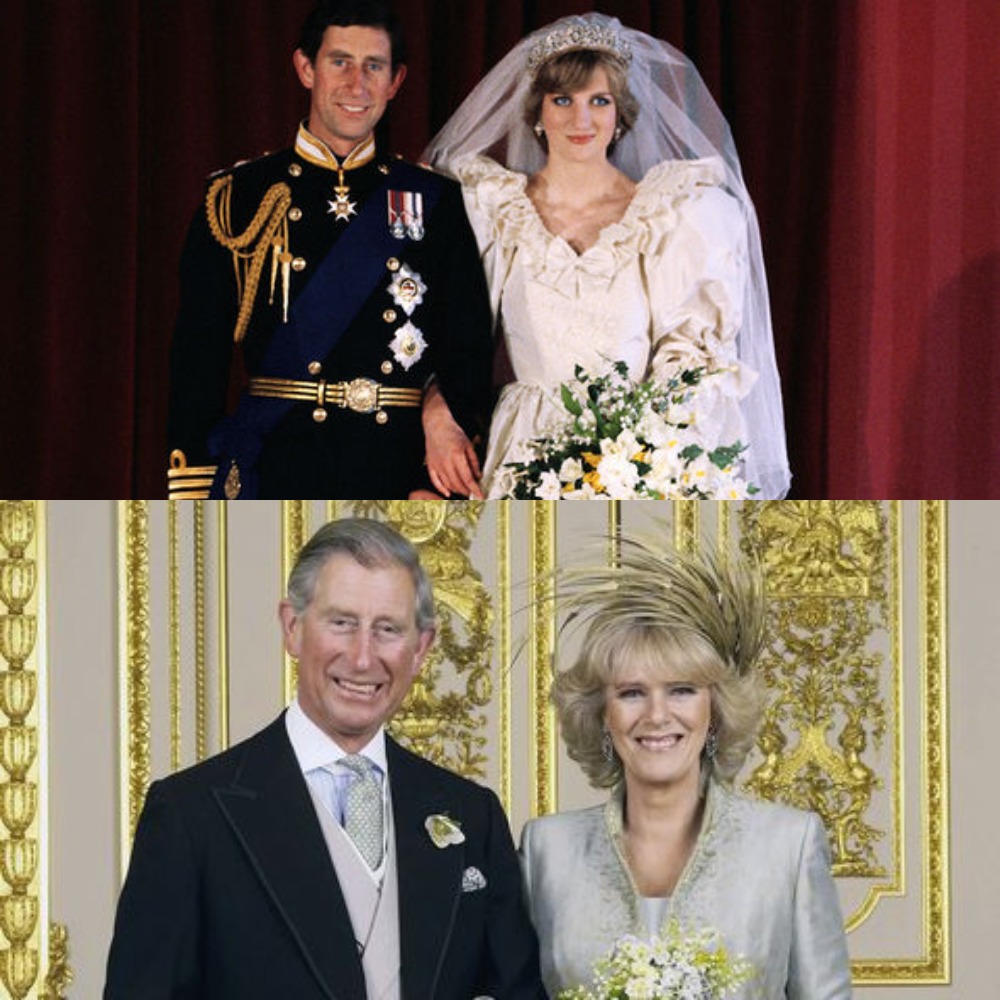
They were married in the royal town of Windsor on April 9, 2005, in a civil ceremony followed by a religious blessing at St. George’s Chapel, with Queen Elizabeth II present.
Both divorced, there was controversy over whether they could have a church wedding, especially given Charles’ future role as supreme governor of the Church of England.#photo2
But the wedding — delayed by a day to allow the prince to attend pope John Paul II’s funeral — drew a cheering crowd of 20,000 into the streets leading to Windsor Castle.
As a married couple, they settled into a life of royal duties, overseas tours and holidays at Balmoral, the royal estate in northeast Scotland.
Camilla — known as the Duchess of Rothesay in Scotland — remained the archetype of the tweed-wearing, horse-loving British country aristocrat.
She has two Jack Russell terriers, rescue dogs Beth and Bluebell, and is a keen flower arranger.
Over time, Camilla has also been widely accepted by the royal family, including Charles and Diana’s two sons, princes William and Harry.
In 2005, Harry rejected the image of her as a “wicked stepmother”, describing her as a “wonderful woman and she’s made our father very, very happy, which is the most important thing.
“William and I love her to bits.”
Prince Charles’s behaviour with the two
Prince Charles’ relationship with Princess Diana when out in public was noted to be different in comparison to his behaviour with Camilla.
When the Prince of Wales is joined by the Duchess of Cornwall, he is snapped smiling and laughing with her, something which body language expert Inbaal Honigman shared was different when he was with Princess Diana.
Speaking to Express about Charles’ interaction with Camilla verses with Diana she said: “Prince Charles is regularly seen embracing his wife Camilla.
“The pair are often observed with their arms interlocking, looking each other in the eye, smiling full into each other’s faces, and generally seeking each other’s closeness, that the collective consciousness sees him as this guy.
“The warm, tactile, even romantic husband who is devoted to the lady beside him.
“Often photographed facing the same way as each other, or indeed facing one another, the married couple are clearly in love, and feel comfortable in each other’s presence, as they share royal duties, and the odd private moment.”
“A glance back at his photos with his first wife, the late Princess Diana, reveal a very different Prince.
“Official images and some personal press shots from the early years of the young couple’s married life, show a blushing Diana and an often discontent Charles in absolute disarray towards one another.
“There’s always a good few feet of social distancing between them, and they rarely face the same way.
“In the starkest of photographs, they’re facing squarely away from one another, both standing stiff with their arms by their sides.
“But even on the occasions when they’re not searching for something to look at on opposite ends of the room, they are not in harmony – if they both look ahead, it’s never in the same direction.
“Their facial expressions don’t match. They both look like they wished they were elsewhere, with somebody else.
“Partly, this disparity between 80s Prince Charles and his military stance, and modern era granddad Charles, all warm and loving, may be down to social protocols around the royals changing.
“It could be that back in his first marriage, the Prince was under clear instructions to not hold hands, to not look too happy – and during those days, there was no room for flexibility even with his young wife.
“These days now, the royals are accepted as people in their own right, and the Prince shows his spontaneity and natural wit without any negative repercussions.”
Inbaal continued: “Another consideration is maturity – many people only develop their romantic sides as they age.
“There is every chance that the apparent antipathy between Prince Charles and Princess Diana in the early days, expressed in their body language of opposites, was a result of social reasons, not emotional incompatibility,” she added.
Pakistan is in the throes of devastating floods that have wreaked havoc across all four provinces. The scale of devastation has been estimated to be more than $10 billion. Midwife, public health practitioner and founder of Mama Baby Funds (MBF), Neha Mankani, visited the flood-affected area of Dadu, located in Sindh, which is through and through inundated with floods.
Neha Mankani, who was in the area for two days shared her experience of what she calls a devastation she has never seen in her career. Dadu is strategically located in an area where it gets water from Manchar, Hamal Lakes and hill flows from Gorak Hills.
Talking about the wreckage, Mankani said, “It’s safe to say I have never seen this level of devastation in my entire career.”
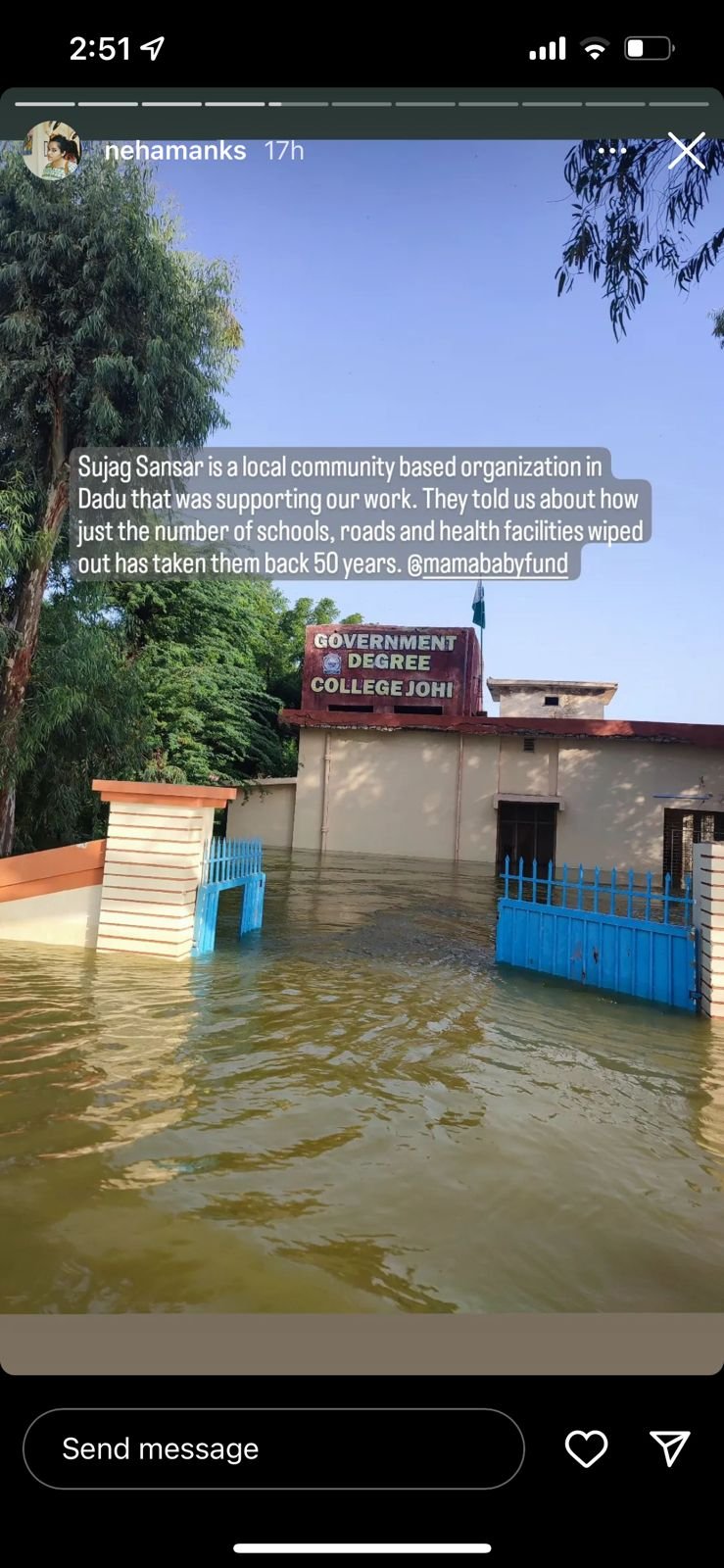
Sharing pictures from the site on her Instagram story, Mankani wrote, “The next few images are of the water separating Dadu city and Juhi- which now has many many villages under it.”
“There are IDP’s on the embankments of cities in makeshifts tents. The boat ride was an hour long and cost Rs 600 per person, a simple equation of demand and supply. We encountered two maternal deaths and 25 pregnant women in the first hour of our arrival. Both women died because they couldn’t get care on time.”
“I wore a lifejacket for the first time. We heard many incidents of boast tipping over because they got stuck in trees or electric poles under the water. A flood water lake that’s swallowed 100’s of homes felt a lot more untrustworthy than the sea I’m used to.”
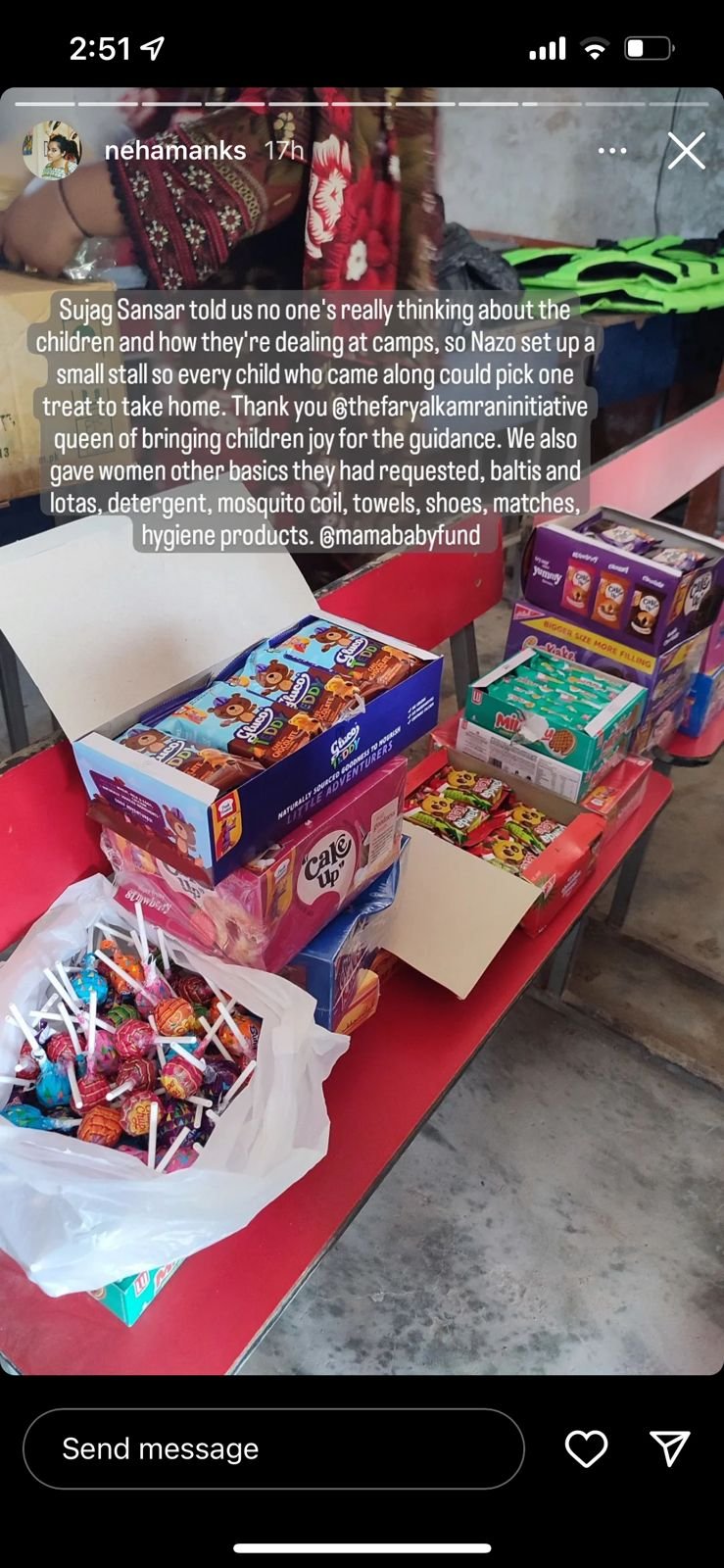
Mankani explaining the aftermath and the toll the devastation has caused said, “Sujag Sansar [a right-based development organization working for the marginalized in most backward areas] told us that no one is really thinking about the children and how they are dealing at camps.” She further explained that women were given basic things like baltis, lotas, detergent, mosquito coil, towels, shoes, matches, and hygiene products. Sujag Sansar also informed them about how floods had taken them 50 years back, as everything was drowned under water.
Mankani along with the volunteers who had accompanied her said that women their were told how to use medicals kits, make ORS and how will they be able to manage basic health challenges at their camps. Mankani also conducted an antenatal clinic both for women and some babies in a school.
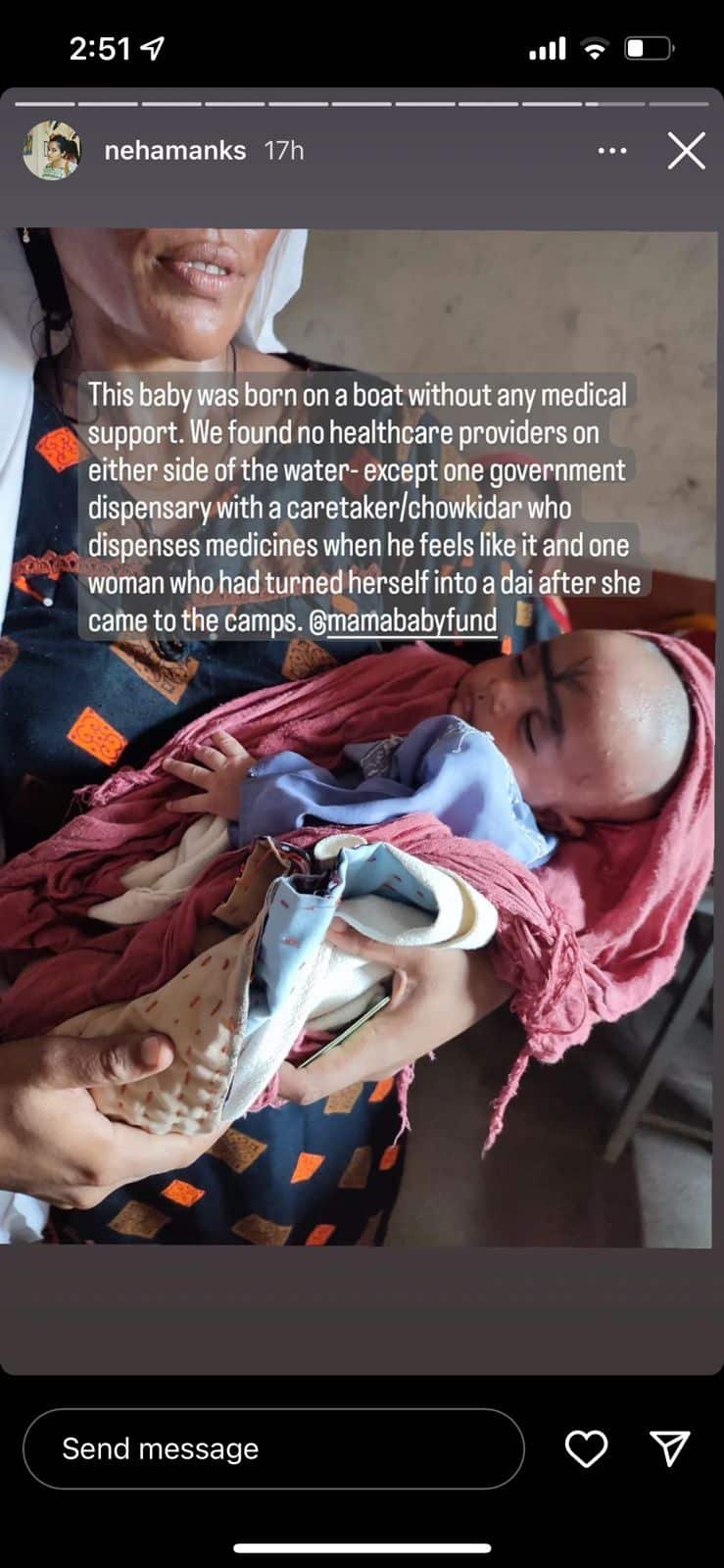
Explaining the conditions of health care, Mankani said that a baby was born on a boat without any medical support. She said that they found no health care providers on either side of the water- except for one government dispensary with a caretaker who dispenses medicines when he felt like and one woman who had turned herself into a dai after she reached the camps.
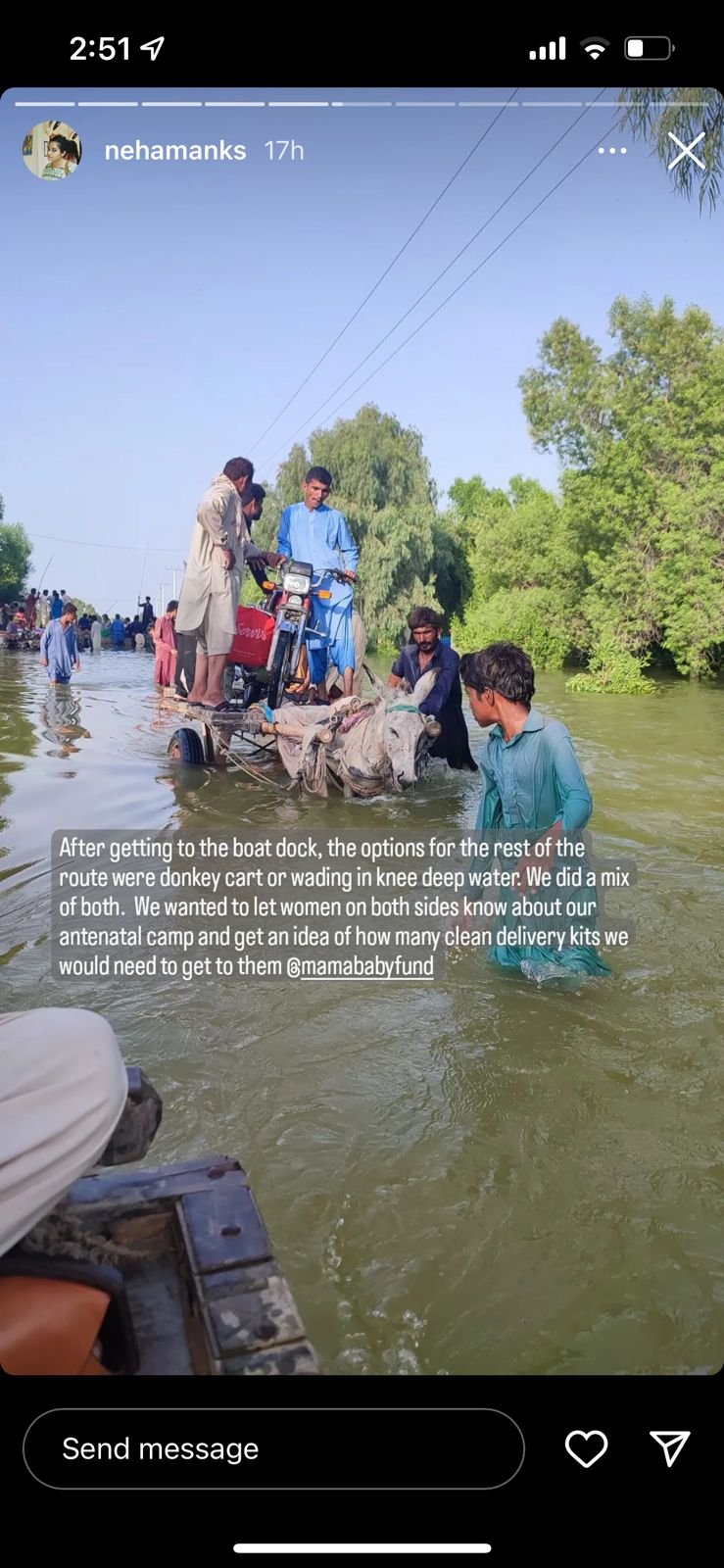
The MBF founder further said that once they reached the boat dock, the only option for them was a donkey cart or wading through knee deep water. Adamant on spreading the message of the antenatal camp, Mankani said that they wanted to give women on both sides of the water the idea of the camp. And on how many clean delivery kits were needed to get to them.
The Australian government has passed its first major climate legislation. The legislation will need royal assent before it officially becomes law. The Labor government’s climate bill cleared the Senate by 37 votes to 30 after accepting minor amendments. It also enshrines net zero emissions by 2050.
The recently passed bill includes the national targets of cutting carbon dioxide emissions by at least 43 per cent by 2030 (compared with 2005) and reaching net zero by 2050.
The country is one of the highest emitters per capita in the world, and the bill brings it in line with other developed countries such as Canada, South Korea, and Japan.
Minister for climate change and energy, Chris Bowen, said the legislation sends a message to the world.”The passage of the climate change legislation sends a message to the world that Australia is serious about driving down emissions and serious about reaping the economic opportunities from affordable renewable energy,” Minister Bowen said, adding that “Legislating these targets gives certainty to investors and participants in the energy market and will help stabilise our energy system.” “It also strengthens transparency and accountability through the annual climate change statement and will ensure public debate informs government decisions,” he concluded.
A missing five-year-old Afghan boy was found murdered on Monday in Karachi. The boy was also raped before being murdered, police have confirmed.
The minor went missing on Sunday, however, at the time the deceased’s father didn’t register any report. The father has told the police that he had no enmity with anyone.
Later, the area Station House Officer (SHO) said that an First Information Report (FIR) was lodged on the complaint of the child’s father, who is an Afghan.
Police Surgeon Summaiya Syed said that after the autopsy it was found that the boy was sexually assaulted, reports Dawn.
“The face was covered with a plastic bag. His hands were tied behind his back with nylon wire and he was strangled to death,” she said.
Taking notice of the incident, Karachi police chief formed an investigation team and directed it to submit a progress report within three days.