Category: Uncategorized

  • Are we allergic to joy?

    Are we allergic to joy?

    There is a poignant moment in the documentary ‘The Romantics’ where filmmaker Aditya Chopra reflects back on the 26/11 Mumbai attacks that shook the entire country. At the time, his production company had been gearing up for the release of his upcoming romantic comedy film ‘Rab Ne Banadi Jodi’. Many of his colleagues had urged him to push forward the dates to prevent an uproar. Chopra said in the documentary that he knew that more than ever, that was the time people needed a reminder of joy and happiness in their lives, so he decided to stick with the original date. When the film released in cinemas across India, it became a hit.

    Currently in the state ‘Bannistan’ is in, with our economy struggling, inflation rising and more women finding it difficult to access public spaces without the fear of sexual assault or harassment, we have now developed an allergy to joy. Anything that prompts laughter or makes people happy. Solution: ban it. We ban our films, we call for festivals to be stopped because of fears like “western sazish” or “anti-Islamic” and then we wonder why our upcoming generation has no creative skills or any motivation to find work.

    Art is not just a prop to promote state policies, but a way to encourage members of society to find joy and reflect on the way they are living their life. We need art because it encourages us to express our inner selves and also because it is a powerful way to spread messages on social issues to the masses. Perhaps this is why art terrifies our public officials so much, and why it is censored more than any other industry in this country. We label the art we don’t like as ‘immoral’ because it is the only medium that can reflect the tabooed topics we are so afraid to speak about. Consider dramas in the past like “Dil Na Umeed to Nahi” which got several notices from PEMRA because it discussed the issue of child sex trafficking, and the difficulties survivors face in rehabilitating themselves. Another notice was sent to ban hugs or caressing, because God forbid any marriage is seen as being happy or affectionate. But we refuse to think about the numerous domestic violence and abuse scenes we watch on our screens every day.

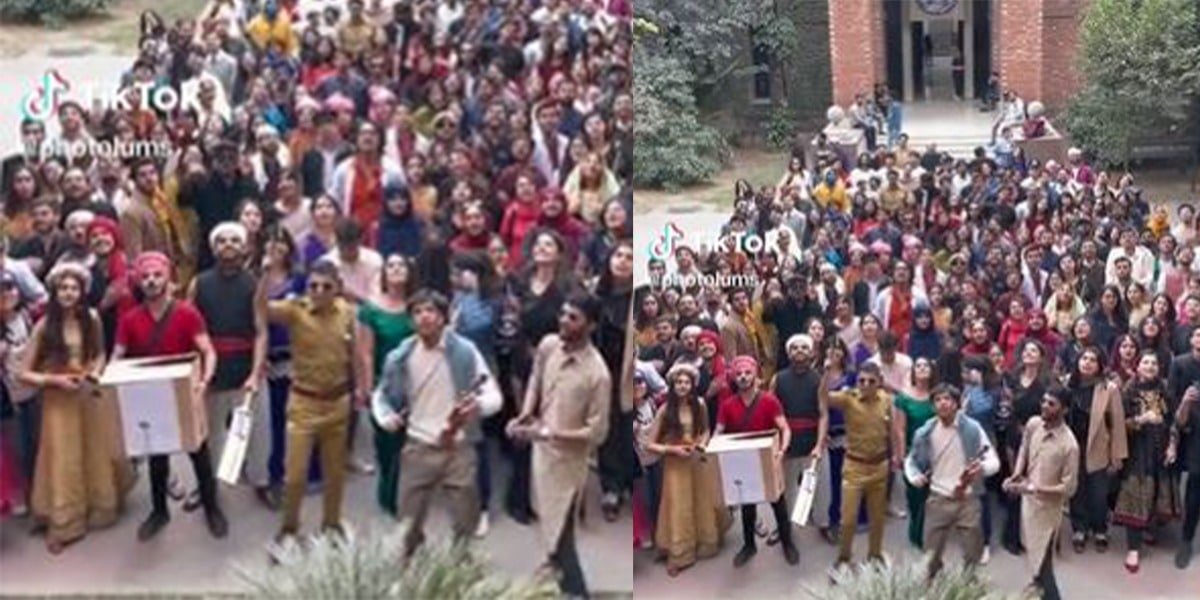
    A few days ago, a video began trending online featuring Bollywood day at LUMS, where students showed up dressed as their favorite characters from movies and dramas. But in response, social media users began criticizing the university for promoting vulgarity, and called the participants “kanjarkhana”

    Slur words are labels that we put on people who do not conform to the idea that it is shameful to seek celebration and joy in our lives, and words like these can be traced to our colonial roots. The British had demoralized the kunjar community in the sub-continent, a nomadic community of folk entertainers. As Jasir Shahbaz writes for Samaa, under the British rule, the kanjar community had been socially outcasted and under the Criminal Tribes Act, 1871, they were listed as “addicted to the systematic commission of non-bailable offences.”

    These terms are thriving under the ongoing reign of Bannistan: shame anyone who works in entertainment as a ‘kanjari’. We criticize female actors for performing on screens, deem women who seek their independence or protest for equal rights as loose and immoral, when in reality anything that challenges our misogynist and regressive mindset is improving our lives.

    In defense of the students who celebrated the end of their University days and any other woman out there trying to live her life, kanjari is an empowering term because it means we’re celebrating life. In times of repression and censorship, celebrating art can be the greatest form of living because it allows us to represent ourselves on screen. And gives space to every individual in society, regardless of caste or background. So instead of shaming these children for celebrating Bollywood day or just protesting in the streets, hold back your thoughts and just go about your own day if you’re not interested in what they have to say. Because now more than ever, we need joy in our lives. We need a reason to keep moving and find solace in the countless stories we see in films or read.
  • ‘Biased’; Rana Sanaullah calls out two Supreme Court judges for conduct towards PML-N

    ‘Biased’; Rana Sanaullah calls out two Supreme Court judges for conduct towards PML-N

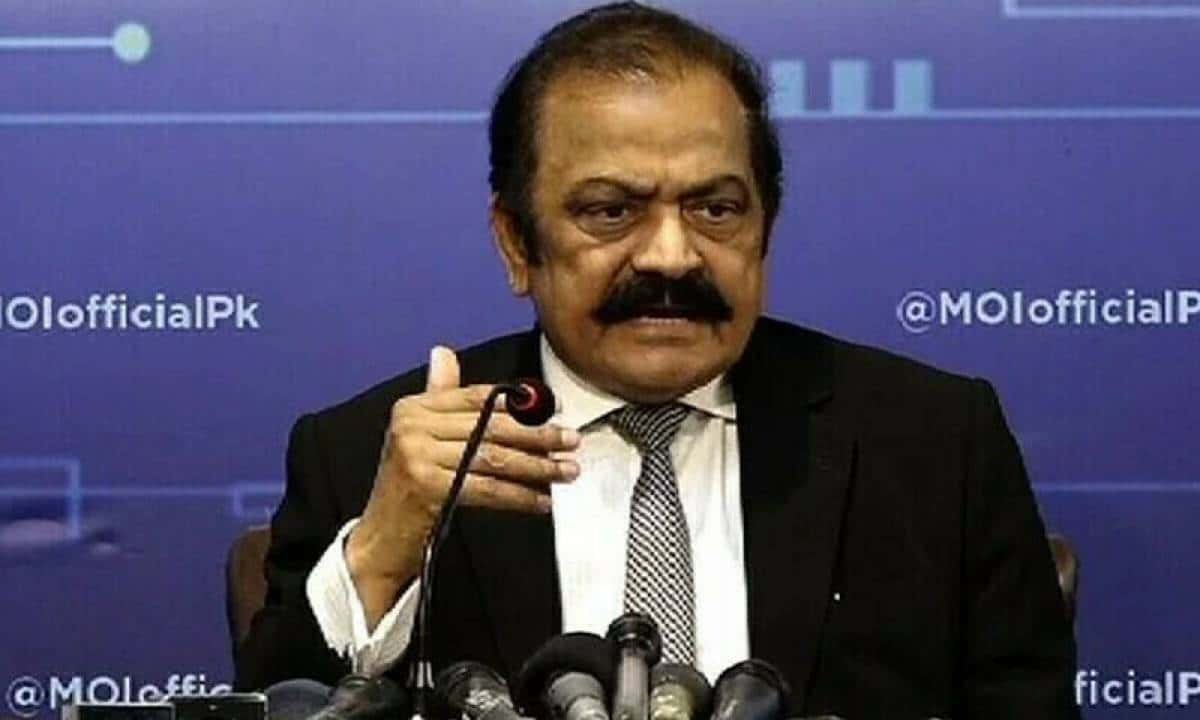
    Interior Minister Rana Sanaullah on Wednesday objected to the impartiality of two Supreme Court judges, terming their conduct “biased” towards Pakistan Muslim League-Nawaz (PML-N).

    In a series of tweets, Sanaullah naming Justice Ejaz ul Hassan and Justice Mazahir Ali Akbar Naqvi, alleged that they “have a biased attitude towards the PML-N”.

    The minister, while naming both the justices, said one was a supervising judge in the case against Nawaz Sharif and the party doesn’t expect justice.

    He also mentioned a purported audio leak related to the second judge, saying that it had raised questions on his impartiality.

    “Both judges have given verdicts in dozens of cases against Nawaz Sharif and Shehbaz Sharif. Panama, party leadership, Pakpattan allotment case, Ramzan sugar mills cases are included in the list,” the minister added.

    “The legal team of PML-N will ask the two judges to recuse themselves from the benches hearing the cases of Nawaz Sharif and other leaders of the party,” Sanaullah stated, adding that the two judges will be asked not to hear cases of the PML-N.

  • Fact check: No one clapped after his Mumbai comment as claimed by Indian media, Akhtar

    Fact check: No one clapped after his Mumbai comment as claimed by Indian media, Akhtar

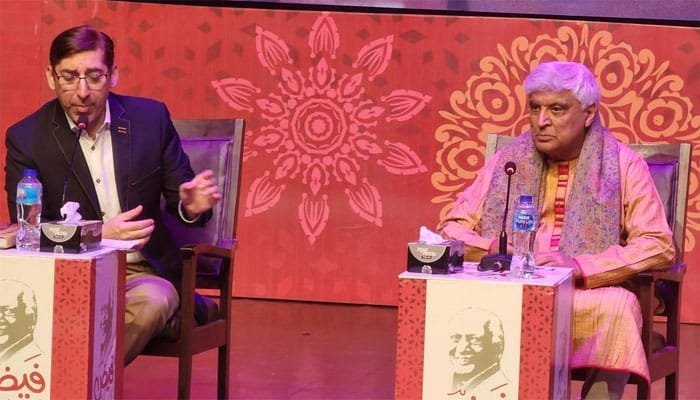
    Javed Akhtar and the Indian media are congratulating themselves for “dushman kay ghar mein ja kar usko marna” after his comments criticizing Pakistan for not taking strict action against the terrorists responsible for 26/11 Mumbai attacks went viral.
    In an interview with NDTV channel, Akhtar claimed that Pakistanis had clapped when he had made the remark, and agreed with him.
    “They all clapped. They agreed with me. There are many people who admire India, want to have a relationship with us. We tend to think of countries as monolith. That is not the case. How do we connect with millions of people, who want to connect with India,” he stated.

    However, the statement is incorrect as according to the complete video of Javed Akhtar’s response to a question from an audience member, there was complete silence during his Mumbai comments.

    Only after the host, Adeel Hashmi, asked another question can scattered applause be heard, signaling that the audience was applauding the end of a guest’s response to a question and not a specific comment like they had done before after Akhtar’s comment on Lata.

    The audience did appreciate another comment by the Indian poet. Javed Akhtar had said that Indian musicians were not celebrated in Pakistan:
    “We [India] have held concerts for people like Nusrat Fateh Ali Khan and Mehdi Hassan, but your country has not held a concert for Lata.”
    This statement is also incorrect as Indian musicians and actors have been honored with some of the highest awards given by the Pakistani government and especially have been invited to talks in Pakistani cities.
    Journalist Yusra Askari shared pictures of the Bollywood actors and singers who had received accolades in Pakistan.

  • Will summon Faiz Hameed in Parliament, says Khawaja Asif

    Defence Minister Khawaja Asif has said that he will demand in the parliament that former Inter-Services Intelligence (ISI) Director-General (DG) Lieutenant General (retd) Faiz Hameed should be summoned to the floor.

    Speaking on Mohammad Malick’s show “Breaking News” on 92 News, he alleged that Hameed brought Tehreek-e-Taliban Pakistan (TTP) back to the country. Referencing to Hameed’s visit to Kabul in 2022 asked why Hameed gave out assurances that everything would be okay.

    It is pertinent to mention here that the former spy chief went to Kabul following the withdrawal of United States (US) troops from Afghanistan.

    He was expected to discuss border management and the overall security issue — to ensure that spoilers and terrorist organisations do not take advantage of the situation — with the Taliban.

    Further lashing out at Hameed, the federal minister said that hundreds of thousands of Afghanis are still in Pakistan and put the blame for the recent extreme episodes of terrorism on the former spy chief’s head.

    He also pointed out that terrorism incidents in the country did not increase just within six to eight months.

    Since government talks with the TTP broke down in November, the militant group has intensified its attacks across Pakistan including attacks on the police.

    According to statistics released by the Pakistan Institute for Conflict and Security Studies (PICSS), January 2023 remained one of the deadliest months since July 2018.

    In January, more than 100 people lost their lives in a suicide attack at a mosque in Peshawar’s Police Lines. The TTP initially claimed responsibility for the attack, however, it later backtracked and claimed that it did not perpetrate the bombing.

    TTP is also responsible for the recent attack on Karachi police chief’s office which took place on February 17.

  • PTI’s ‘Jail Bharo Tehreek’ begins today

    PTI’s ‘Jail Bharo Tehreek’ begins today

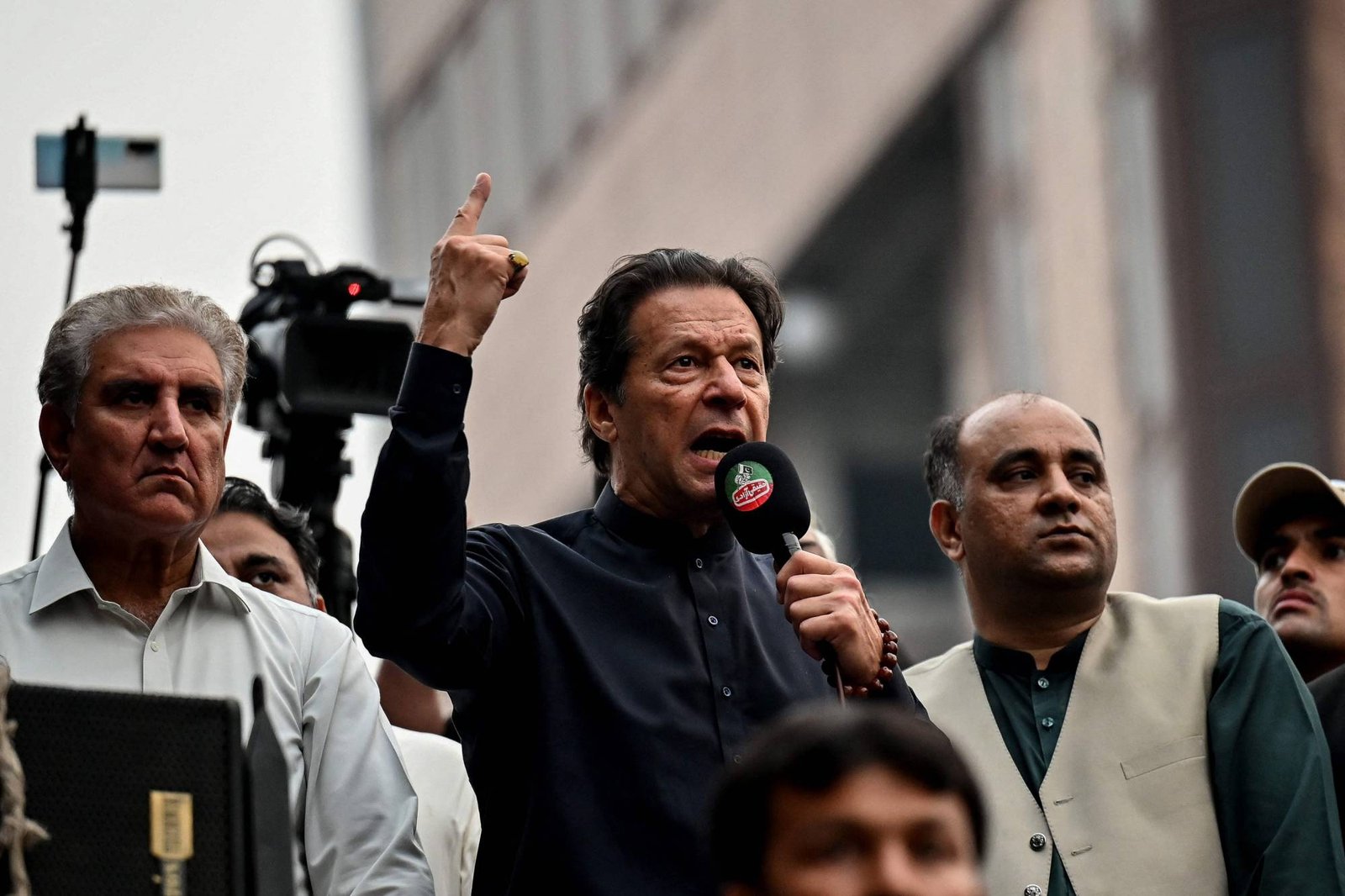
    Pakistan Tehreek-e-Insaf (PTI) Chairman Imran Khan has announced that the party’s ‘Jail Bharo Tehreek (court arrest movement)’ is set to start today.

    Taking to Twitter, Khan shared two main reasons behind starting the Jail Bharo Tehreek.

    “One, it is a peaceful, non-violent protest against the attack on our constitutionally-guaranteed fundamental rights. We are facing sham FIRs and NAB cases, custodial torture, attacks on journalists and social media people,” wrote Khan.

    Khan went on to say that the second reason is the economic meltdown brought on by a “cabal of crooks who have money laundered billions in looted wealth and gotten NROs for themselves while crushing the people, especially, the poor and the middle class, under the burden of spiralling inflation and rising unemployment.” 

    The former prime minister also released a video message, urging his followers to “fill up prisons and shatter the idols of fear”.

    In the first phase of the movement, the party’s senior leaders — Shah Mahmood Qureshi and Asad Umar — will voluntarily surrender themselves to the authorities on Tuesday.

    It is unclear what offense party leaders and followers are expected to commit to initiate arrest proceedings.

  • JIT formed to probe incident of three dead bodies in Balochistan minister’s alleged private jail

    JIT formed to probe incident of three dead bodies in Balochistan minister’s alleged private jail

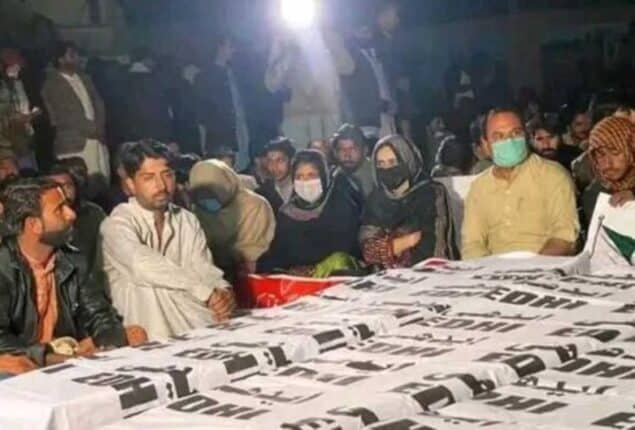
    In order to investigate the discovery of three bodies riddled with bullet wounds in a well at the Haji Kot area of Barkhan district in Balochistan, the provincial Home Department on Tuesday established a joint investigation team (JIT) under the direction of DIG Loralai Division.

    “A press release issued by the police said the bodies, which were in sacks, were found on February 20 at around 8pm. The station house officer (SHO) of Barkhan Police Station was informed about the corpses in the well,” Dawn has reported.

    Police identified the victims as Giran Naz, the wife of Khan Muhammad Marri, who was 40–45 years old, and her two sons, Mohammad Nawaz, 20–25 years old, and Abdul Qadir, 15–17 years old.

    What is the back story?

    Sardar Abdur Rehman Khethran, 64, head of the Khethran tribe in Balochistan’s Barkhan, allegedly runs a private jail in the province, and the three bodies recovered in Haji Koat were imprisoned in the same private jail. Khethran wanted Mohammad Marri, who worked as a guard for him, to testify against his son Inaam Shah in a fake police case about a property clash. Marri refused to testify against Inaam after which Khethran imprisoned eight members of his family in his private jail including his wife Giran Naz Bibi, six sons Mohamad Nawaz, Abdul Majid, Abdul Qadir, Abdul Sattar, Abdul Ghaffar, Mohammad Imran and a teenage daughter Farzana.
    Khethran also had Marri arrested, however, he was released after spending three and a half years in jail. After getting released, he started to look for ways to release his family from the private jail.

    Marri, with the help of Inaam Shah, smuggled a cellphone inside the private jail where his wife and kids were being detained.
    A video of Giran Naz Bibi was recorded while she was carrying a Holy Quran. She claims in the video that Sardar Khethran is holding them captive.

    Senator Mushtaq Khan of the Jamaat-e-Islami brought up the subject in the Senate in January. The chief secretary of Balochistan was required to produce a report, and the senator urged that Minister Khethran be called before the Senate

  • Kiran Ashfaque talks about her divorce with Imran Ashraf in a Q&A session on Instagram

    Kiran Ashfaque talks about her divorce with Imran Ashraf in a Q&A session on Instagram

    Actor Imran Ashraf announced last year that he and his wife Kiran Ashfaque had chosen to part ways after four years of marriage. Both had not addressed the reason why they had decided to end their marriage, until now Ashfaque held a Q&A session with her fans on her Instagram stories, where she spoke out about why she had chosen to get a divorce.

    When a fan had asked Ashfaque about why she chose to end her marriage to Ashraf, she had responded:

    “Not all that glitters is gold.”

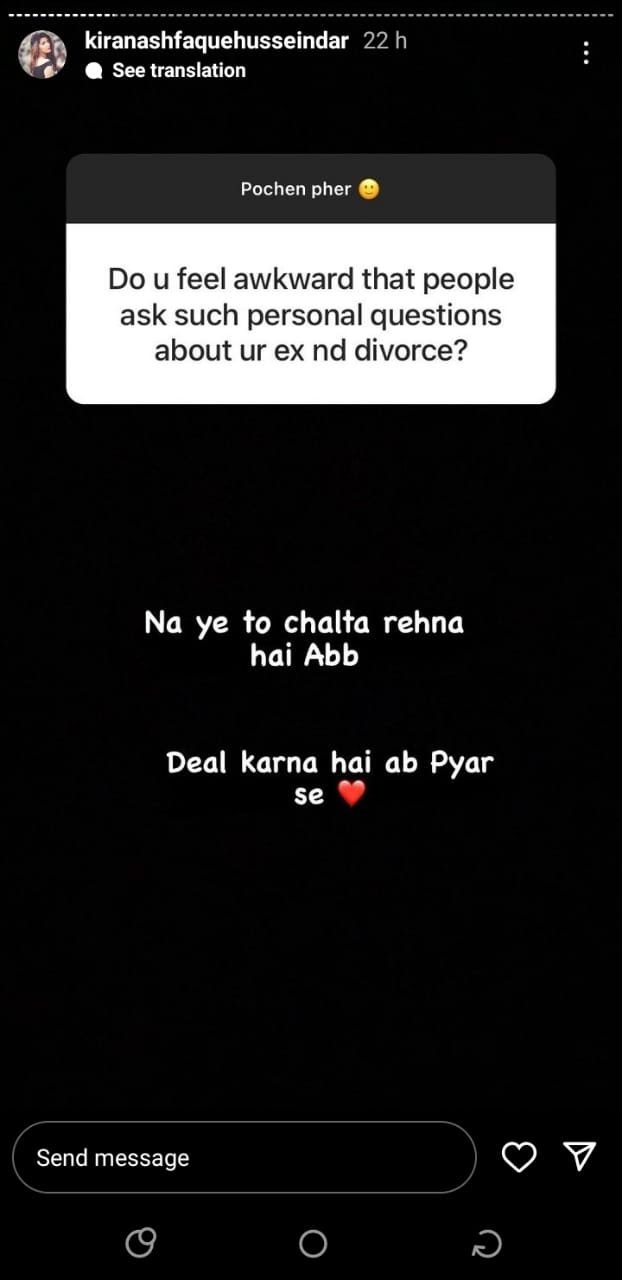
    Among the other questions, Ashfaque was also asked about whether she had felt insecure and awkward when other people asked her a lot of questions about her divorce, to which she proudly let other women who followed her know that becoming a divorcee isn’t a stain on your identity, and it was empowering to escape a situation that wasn’t helping you grow.

    “This will not go on for long. We will keep dealing with it with a smile.”

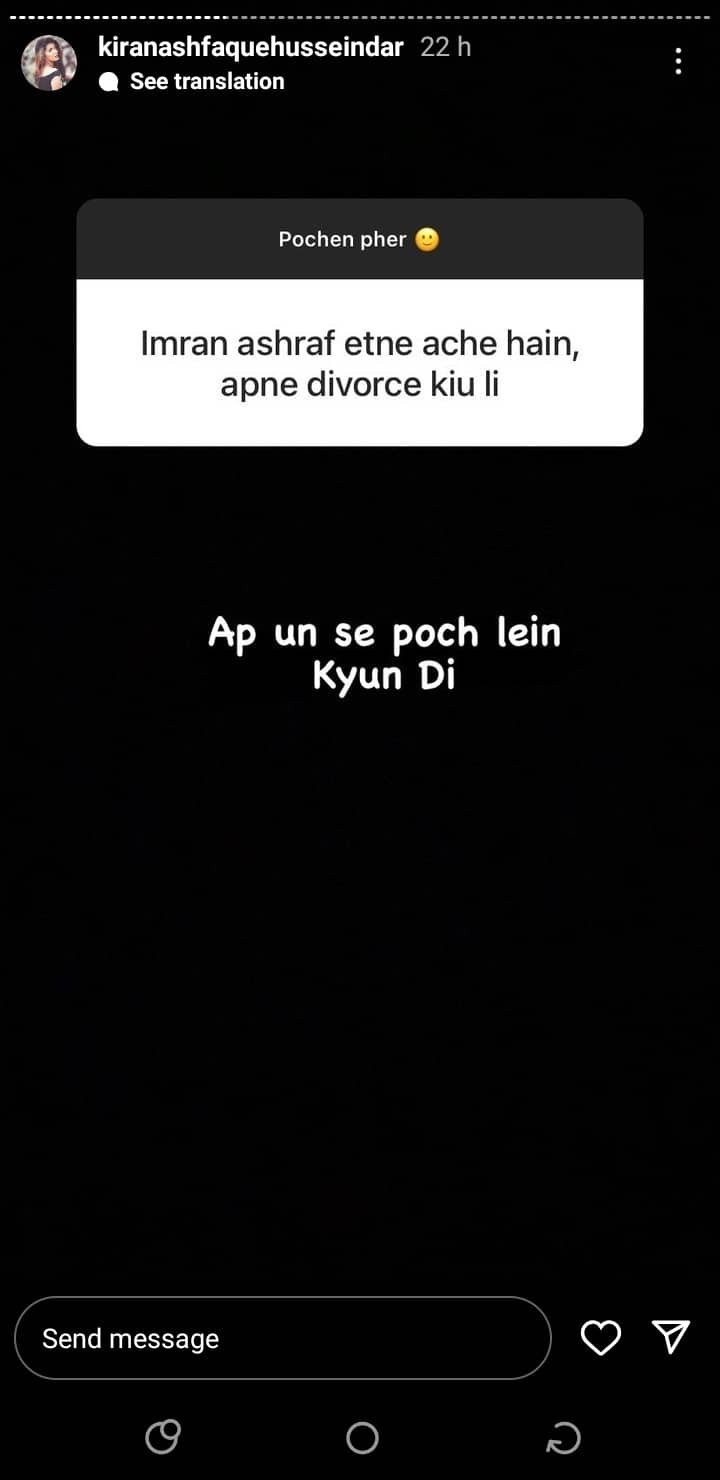
    Other followers also asked her why she had chosen to leave Ashraf to which she had said

    “Why don’t you go and ask him yourself.”

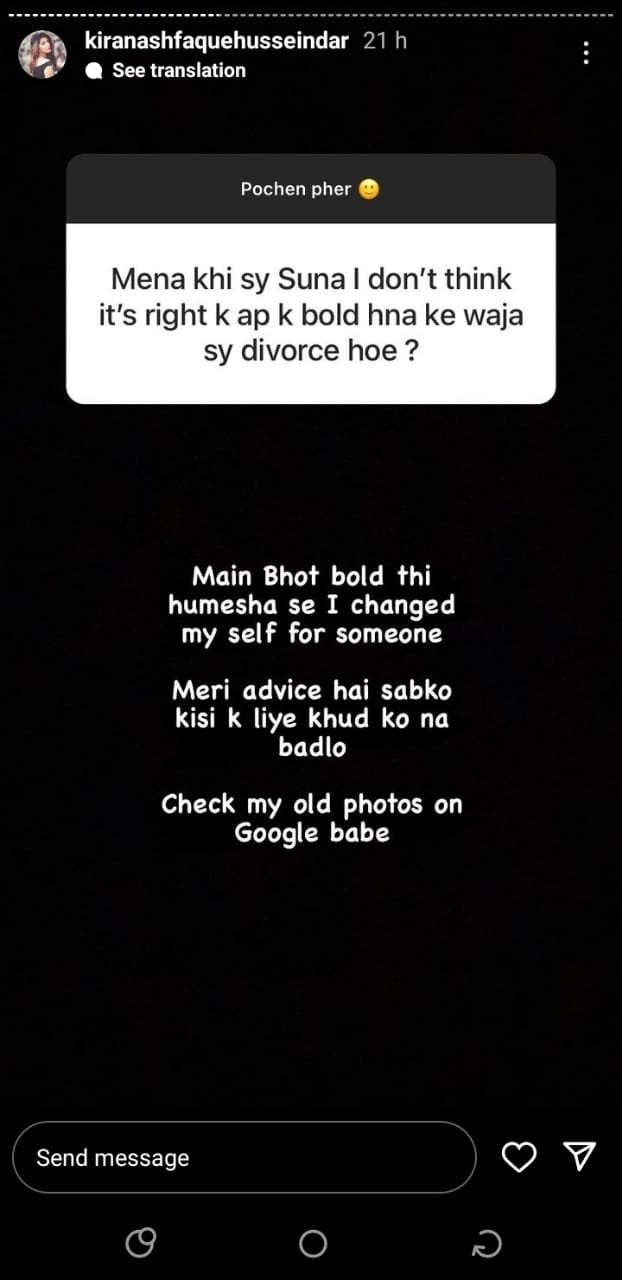
    One of the common ways society shames women for seeking their independence or for escaping repressive situations is by labelling them as ‘bold’ a term associated with women who refuse to break themselves down for the sake of keeping others happy. When a fan asked Ashfaque about other people calling her bold for choosing to get a divorce, she addressed it in the most badass way.

    “I was always a very bold person but I changed myself for someone else. My advise to anyone out there is that they should never change themselves for anyone else.”

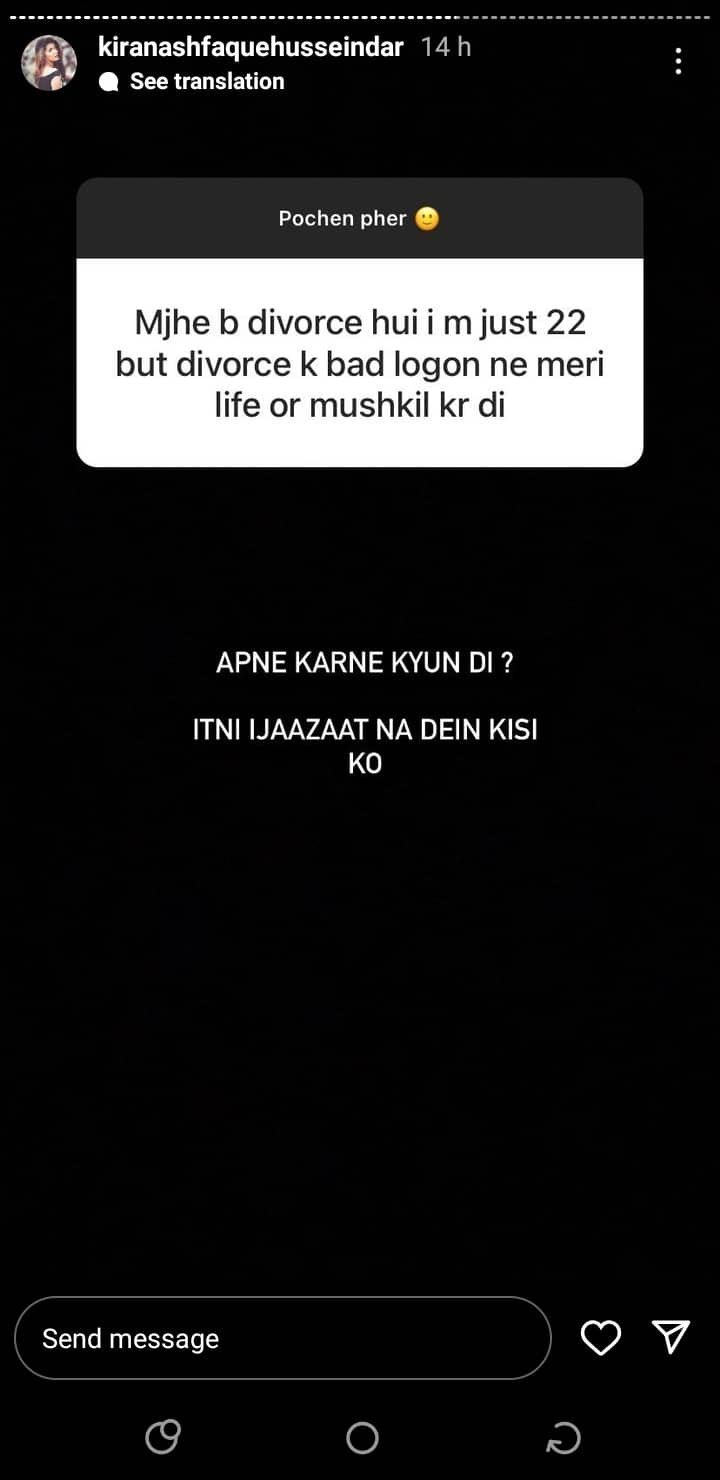
    Ashfaque also had advice for another woman who asked her how to deal with society’s taunts, after she got divorced when she was 22. Ashfaque replied by telling her that she should never allow other people to dictate her life choices.
    “Why did you allow them to do that? Never give anyone permission to disrespect you.”

  • Gold prices rise on weaker Pakistani rupee and economic outlook

    Gold prices rise on weaker Pakistani rupee and economic outlook

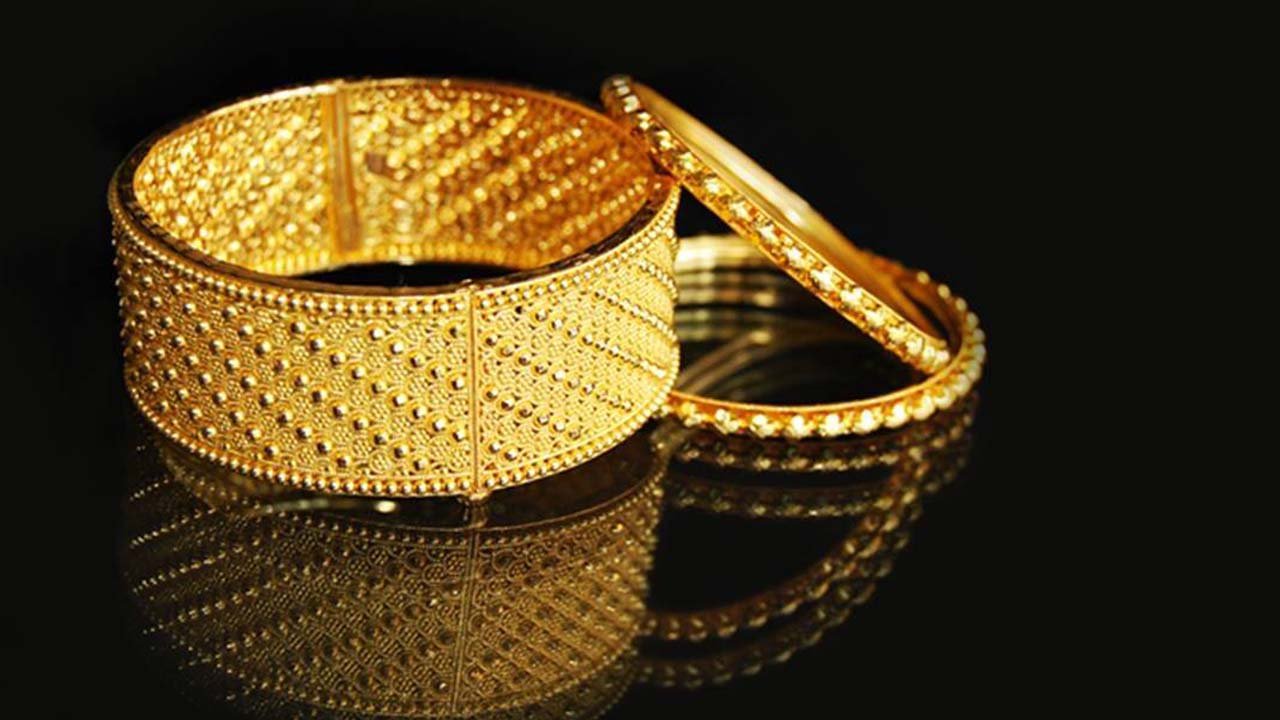
    On Tuesday, gold prices rose further to reach a one-week peak achieved last week, supported by a weaker Pakistani rupee. Investors were keeping an eye on upcoming economic developments that could impact the market’s direction. The All-Pakistan Sarafa Gems and Jewellers Association (APSGJA) reported that the price of gold (24 carats) rose by Rs500 per tola and Rs429 per 10 grammes to settle at Rs197,000 and Rs168,896, respectively.

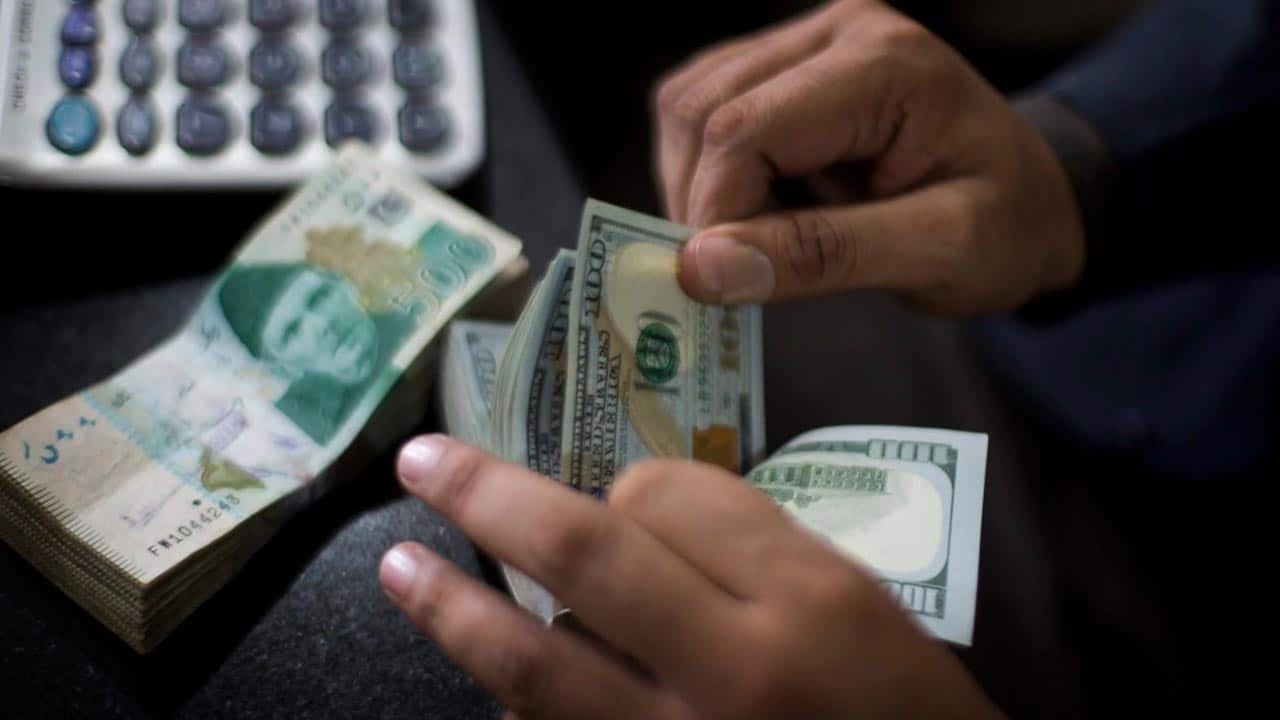
    The decline of the Pakistani rupee against the US dollar in the interbank market by 0.24 per cent to Rs262.51 boosted the appeal of the precious metal. However, the outlook for gold remained uncertain as the prospects of the rupee’s recovery against the dollar increased, driven by optimism surrounding the revival of the International Monetary Fund (IMF) programme.

    The yellow metal gained Rs3,800 per tola over the last three sessions. Silver prices in the domestic market also increased by Rs20 per tola and Rs17.14 per 10 grams to settle at Rs2,150 per tola and Rs1,843.27 per 10 grammes, respectively.

    Meanwhile, in the international market, gold prices dropped by $12 per ounce to settle at $1,832 due to the rise of the dollar, while investors awaited US economic data to determine the Federal Reserve’s interest rate strategy. The dollar index remained high, making dollar-priced gold more expensive for buyers with other currencies.

    Han Tan, chief market analyst at Exinity, said that gold’s primary driver remains the changing expectations surrounding the Fed’s policy moves, and the upcoming release of the FOMC minutes could provide more clues. If the US economy continues to defy the Fed’s rate hikes, it could lead to a higher peak for US rates, which would disappoint bullion bulls.

    The market focus this week is on the release of the Federal Open Market Committee’s January meeting minutes on Wednesday, followed by US gross domestic product data on Thursday and Friday’s core PCE price index. Although gold prices reached their highest level since April 2022 earlier this month at $1,959.60, they have dropped by approximately $130 after US data indicated a robust economy.

  • Pakistani rupee breaks winning streak, closes at Rs262.51 against dollar

    Pakistani rupee breaks winning streak, closes at Rs262.51 against dollar

    During Tuesday’s interbank trading, the Pakistani rupee (PKR) declined and experienced losses against the dollar, reaching a low of Rs265 versus the dollar.
    The rupee lost 63 paisas versus the dollar by the time markets closed, depreciating by 0.24 per cent.

    The local currency commenced trading at Rs261.50 versus the US dollar with full red value. By lunchtime, the dollar had risen to about Rs264 versus the rupee. Before the interbank closure, the local currency was mostly bearish versus the top foreign currency after 1 PM.

    The National Assembly passed the Finance (Supplementary) Bill, 2023, on Monday, proposing extra taxes and tariffs of Rs170 billion, ending the rupee’s five-day winning streak against the dollar and clearing the way for the staff-level deal with the International Monetary Fund (IMF).

    After its record-breaking single-day plunge of Rs25 in the latter week of January, when the rupee was finally “freed” versus the US dollar in the inter-bank market, the rupee has lost more than Rs27. The PKR has decreased by 62.99 paisas today based on observable market trends and fiscal developments.

    Money exchangers claim that a further delay in the staff-level agreement with the IMF might increase pressure on the PKR as investors and exporters alike track exchange rate movements to calculate profit yields in the face of constrained revenue estimates and related import restrictions.

    The rupee may appreciate until the conclusion of the current fiscal year, 2022–2023, in the event that the rescue is successful.

    After obtaining a $2.5 billion loan, the IMF’s current loan programme will end on June 30, 2023. Pakistan will have to reapply for the new loan programme if necessary in the next fiscal year.

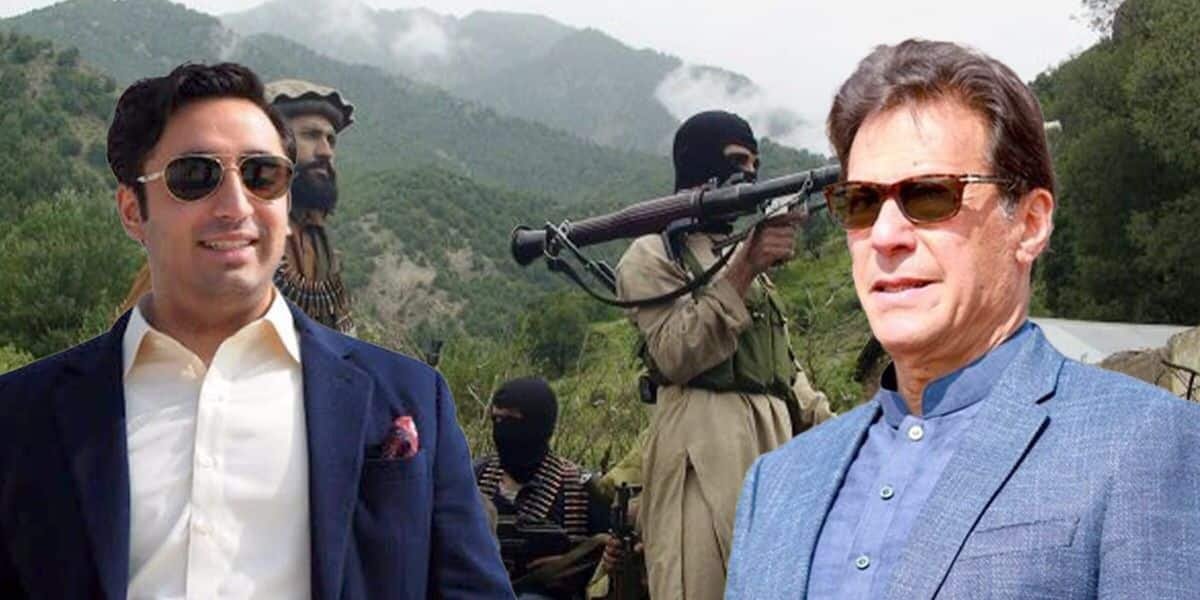
  • Military, civilian leadership has put full stop on Khan’s appeasement policy on terrorists: Bilawal

    Military, civilian leadership has put full stop on Khan’s appeasement policy on terrorists: Bilawal

    Foreign Minister Bilawal Bhutto-Zardari has said that negotiating with those people who don’t accept Pakistan and its constitution is not in favour of the country or it’s people.

    In an interview with German broadcaster DW Urdu, the foreign minister said that the previous government was asking the interim Afghan government to facilitate reconciliation with the Tehreek-e-Taliban Pakistan (TTP) and had plans to resettle the militants in Pakistan.

    “Every Pakistani was saying that terrorists who were involved in heinous attacks such as the Army Public School massacre could never be our friends”, said Bilawal.

    Earlier in an interview with CNBC, Bilawal said, “Unfortunately, following the fall of Kabul, the government that preceded ours started negotiating with these very same terrorist groups and without preconditions such as disarming.”

    The foreign minister said that the Pakistan Democratic Movement (PDM) coalition government and military leadership have “put a full stop to the policy of appeasement”.

    Citing the porous border with Afghanistan, the Foreign Minister said that the new government doesn’t have the capacity to man it.

    “We are confident that we’ll be able to take on the terrorist groups that are functioning within Pakistan,” he said.

    Discussing Pakistan Tehreek-e-Insaf (PTI) Chairman Imran Khan, Bilawal said that if he strives to pursue a democratic path and commits to play a constitutional role, he can have a future, adding that Khan’s ouster through a vote of no-confidence motion was the first time parliament removed a prime minister in a democratic way.

    However, since his ouster, Khan has been asking the army for help in getting back to power, the foreign minister alleged.

     “If the military says it wants to change its controversial conduct constitutionally, it should be welcomed.”

    While responding to a question regarding the statement about Pakistan’s bankruptcy made by Defence Minister Khawaja Asif, Bilawal said: “He was talking in a political context at a political gathering and he was referring to the harsh economic times rather than speaking technically. He was talking in the overall context of the country.”