Blog

  • Urgent passport renewal fee increases to Rs6,000 for both online and offline applications

    Urgent passport renewal fee increases to Rs6,000 for both online and offline applications

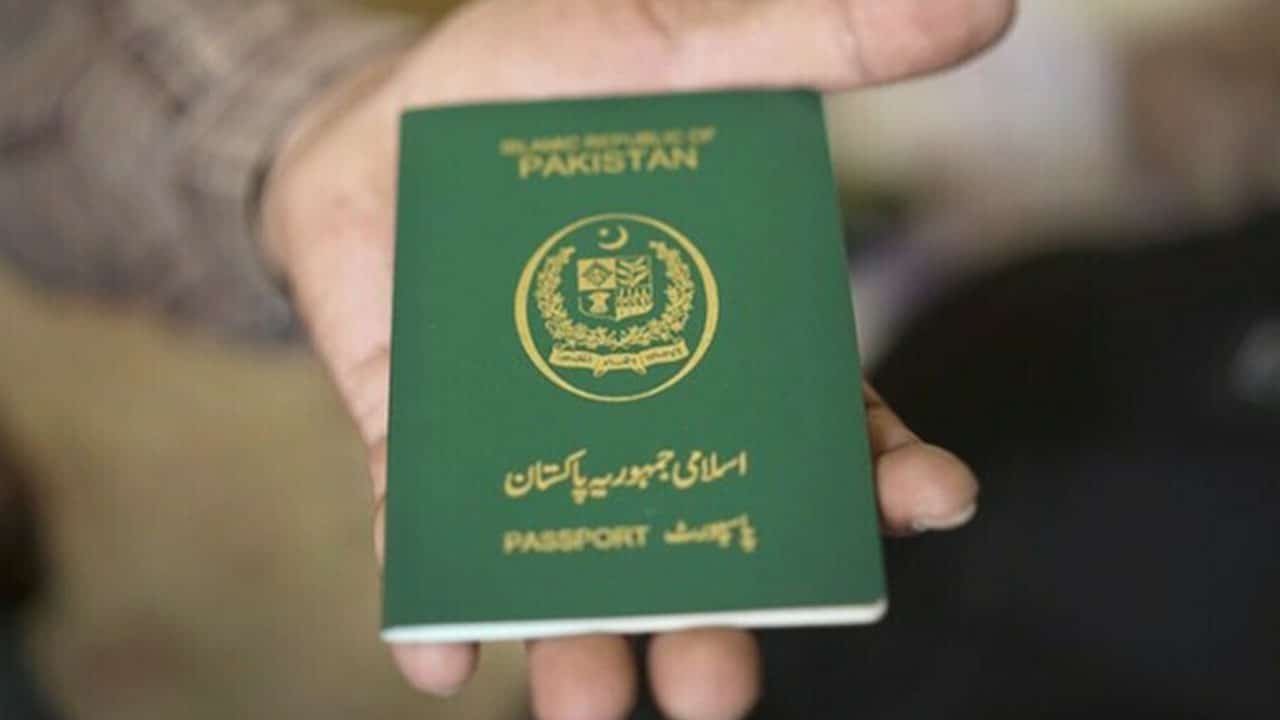
    The fee for renewing a passport online has recently undergone an upward revision, resulting in an additional cost of Rs1,000. Consequently, the new fee for online passport renewal has been set at Rs4,000, marking an increase from the previous Rs3,000.

    Furthermore, the urgent fee for passport renewal, applicable to both online and offline applications, has also been subject to a revision. It now stands at Rs6,000, representing an increase from the earlier amount of Rs5,000.

    The rationale behind these fee adjustments is attributed to the added service of home delivery of the passport via courier. Applicants can now receive their renewed passport conveniently at their doorstep.

    To apply for an online passport renewal, applicants must fulfill certain requirements. These include attaching a copy of their national identity card and passport as part of the application process. Additionally, the application fee must be paid securely online.

  • WHO applauds four countries for full adoption of anti-tobacco measures

    WHO applauds four countries for full adoption of anti-tobacco measures

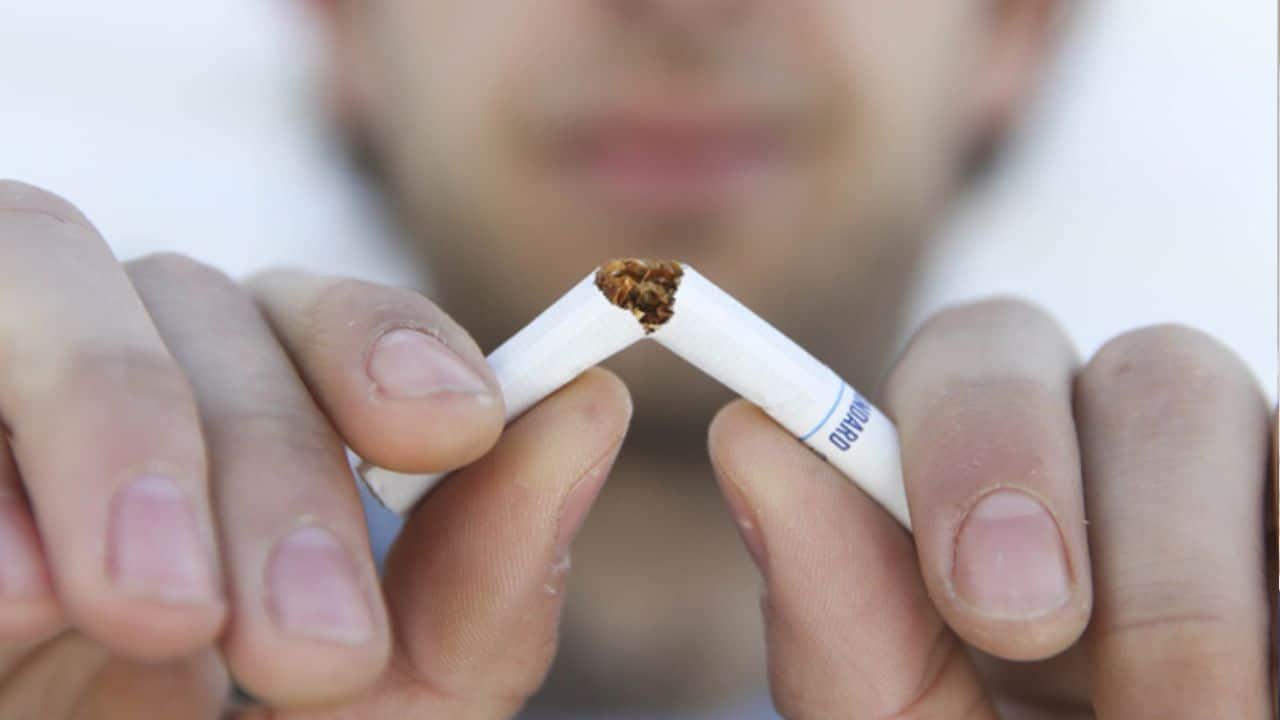
    The World Health Organization (WHO) has commended Brazil, Mauritius, the Netherlands, and Turkey for wholly implementing recommended measures against tobacco usage.

    The recent announcement was made in a report released by the global health body, which is advocating for a broader implementation of known strategies that have proven effective against smoking.

    These measures include bans on tobacco advertising, placing conspicuous health warnings on cigarette packaging, increasing tobacco taxation, and offering support to help smokers quit the habit. As part of the recently endorsed full measures, Mauritius and the Netherlands join Brazil and Turkey as leaders in the anti-tobacco initiative.

    The report confirms that as of now, 71% of the world’s population, or around 5.6 billion people, are safeguarded by at least one of these tobacco control measures. This represents a significant upturn from the figures recorded in 2007.

    The global prevalence of smoking has seen a decline from 22.8% in 2007 to 17% in 2021, averting an estimated 300 million additional smokers.

    Despite these efforts, smoking continues to be the leading cause of preventable death, annually accounting for 8.7 million fatalities, which include 1.3 million deaths resulting from second-hand smoke inhalation.

  • Constable’s rampage on Jaipur-Mumbai train leaves officer and three Muslim passengers dead

    Constable’s rampage on Jaipur-Mumbai train leaves officer and three Muslim passengers dead

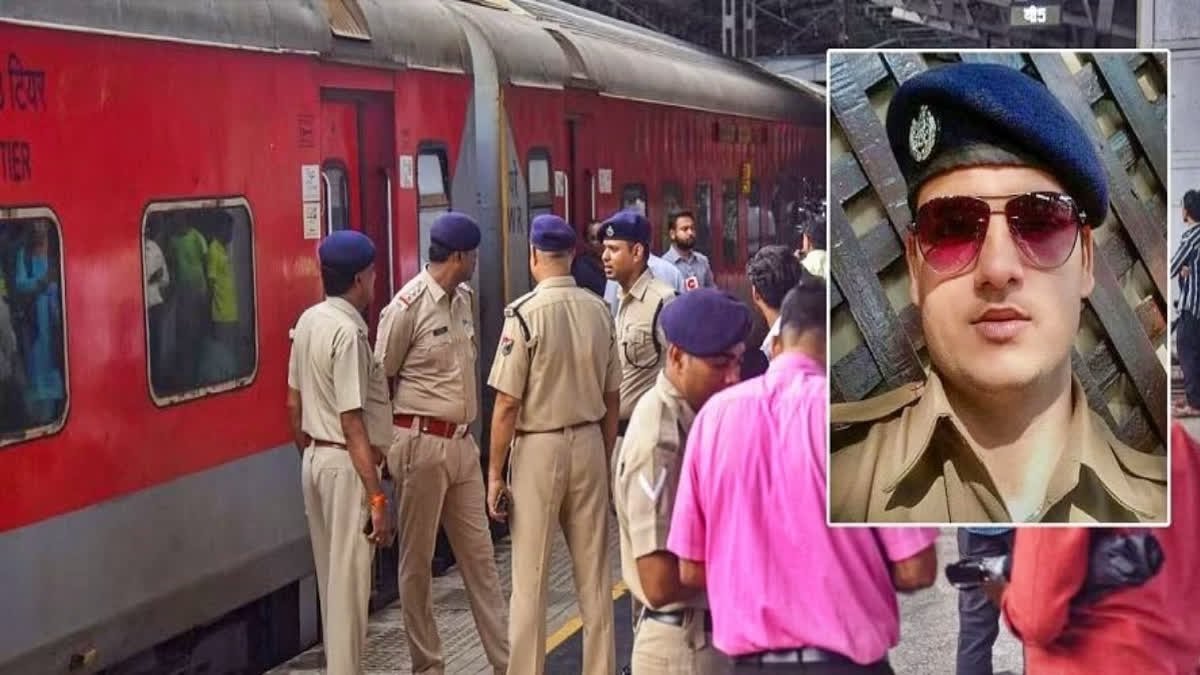
    In a shocking incident onboard the Jaipur-Mumbai Central Superfast Express, an RPF constable allegedly fired shots resulting in the demise of his superior officer and three other passengers. The incident took place on Monday morning and the accused has since surrendered to the police.

    The alleged perpetrator, identified as Chetan Singh, is reported to have triggered the train’s alarm chain and disembarked at Borivali station in a bid to evade capture. The victims of the shooting spree have been identified as Assistant Sub-Inspector (ASI) Tikaram Meena, Abdul Qadir(48), Akhtar Abbas Ali(48), and Sadar Mohammed Hussain.

    Sources from Western Railway suggest that the altercation leading to the shootings had escalated from an argument that assumed a communal dimension. P C Sinha, Inspector General cum Principal Chief Security Commissioner of Western Railway, attributed Singh’s actions to his mental health issues. “Constable Chetan Singh had just returned from leave and shot his superior first and then those who were in his path,” stated Sinha.

    After shooting a Muslim man Singh said “If you wish to stay in India, then just Modi and Yogi”.

    Authorities have apprehended Singh and handed him over to the railway police for further investigations. The motive behind the tragic incident is still being investigated. This unsettling incident has shaken the railway community and raised questions about mental health checks and firearm access for railway personnel.

  • Designer Maheen Khan reveals how she crafted the late Benazir Bhutto’s iconic look

    Designer Maheen Khan reveals how she crafted the late Benazir Bhutto’s iconic look

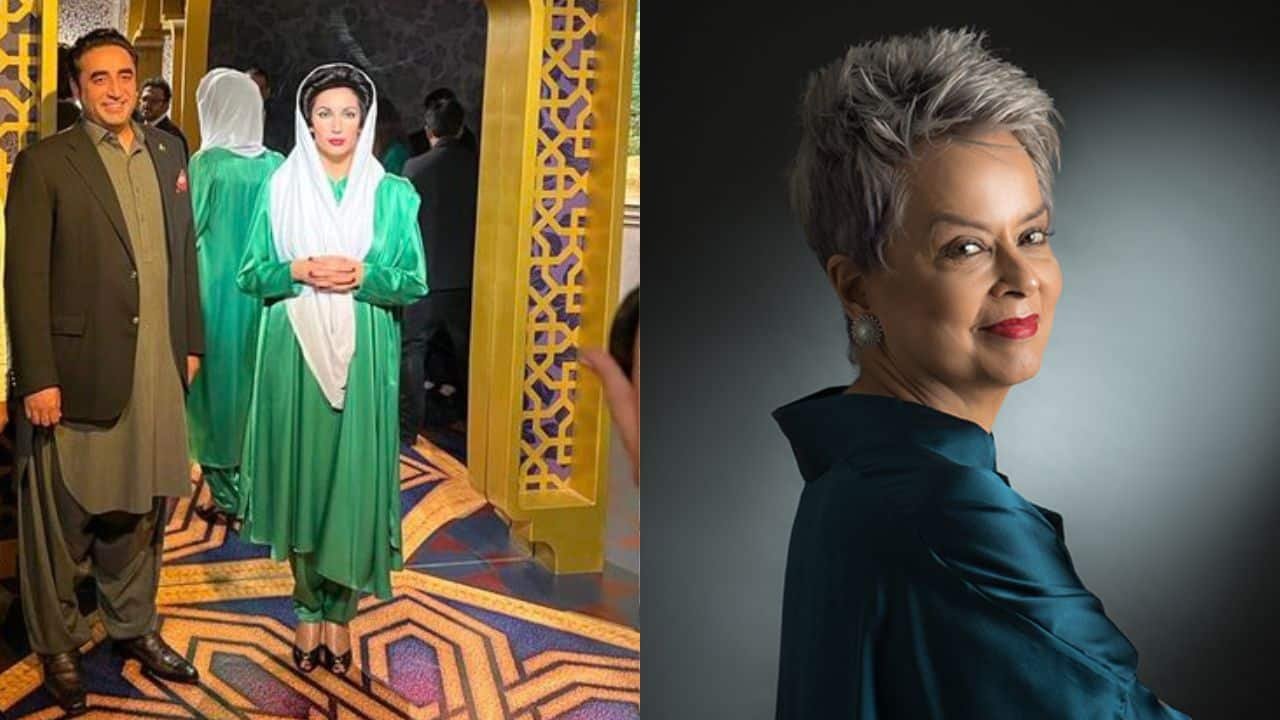
    On Sunday, Madam Tussaud’s unveiled the wax statue of the first female prime minister of Pakistan and the Muslim world, Benazir Bhutto, in Dubai. Her son, Foreign Minister Bilawal Bhutto was present at the occasion.

    Fashion designer Maheen Khan, who crafted the iconic look Benazir Bhutto wore when she was sworn in as the first woman prime minister of the country in November 1988, has shared a heart warming story on her Instagram page about how she and Bhutto crafted the look together.

    Maheen received a call from the Benazir Bhutto in November 1998, after she had won the elections and needed to design a look in green to wear for the swearing-in ceremony.

    “It was some time In November 1988 that I got a call from Benazir Bhutto. She had just had Bilawal and she had won the elections!
    She was to be Pakistans first Prime minister.
    I immediately rushed to Bilawal House .
    She needed something green to wear to her swearing in ceremony.
    I convinced her to wear a white dupatta , which I got her .
    I decided immediately that chiffon wouldn’t do so I got her a soft muslin which would drape well .
    Years later she rang to say she had given the outfit to Madame Toussards .”The Maheen label is still on it ” she said
    The white dupatta has since become the signature of every female politician.
    Magical memories of an amazing ,warm , affectionate woman .
    Rest in peace dear BB
    Innalillahe wainnaillaihe rajeoon.”

  • Pak Suzuki halts motorcycle production amidst ongoing inventory shortage

    The Pak Suzuki Motor Company (PSMC) is once again grappling with the repercussions of the ongoing raw material shortage, which has forced the company to halt production at its motorcycle plant for at least 15 days. The decision, announced in a statement released to the Pakistan Stock Exchange (PSX), comes as the company struggles to maintain adequate inventory levels due to the scarcity of essential components.

    The company secretary revealed that the motorcycle plant will remain non-operational from July 31, 2023, to August 15, 2023. This recent shutdown follows a previous closure earlier in July when both the motorcycle and automobile plants were shut down until July 19, which was subsequently extended. The persistent lack of raw materials has been plaguing Pak Suzuki since July of the previous year, primarily due to difficulties in importing these crucial components caused by a reduction in the nation’s foreign exchange reserves.

    Unfortunately, Pak Suzuki is not the only automaker facing such challenges. Honda Atlas Cars and Indus Motor Company, responsible for manufacturing Toyota cars in Pakistan, have also experienced several shutdowns due to the shortage of essential raw materials. Furthermore, automotive parts manufacturers have been compelled to temporarily halt their production lines, exacerbating the crisis across the entire automotive industry.

    The repercussions of these closures extend beyond the affected businesses, as the entire automotive industry faces unproductive days due to interrupted raw material imports arising from postponed credit letter openings. This situation has led to reduced operational capacities and an overall decrease in productivity across multiple sectors of the economy.

    The recent shutdown of Pak Suzuki’s motorcycle manufacturing plant has raised concerns among employees, stakeholders, and the general public alike. The motorcycle plant is a significant division within the company and serves as a major employer in the country. As a result, the closure is expected to have a considerable impact on both the company’s workforce and the overall economy.

    An analyst specialising in Pakistan’s automotive sector highlighted that the closure of the motorcycle plant serves as a stark reminder of the larger problems plaguing the industry. Addressing the underlying causes of the raw material scarcity requires a collaborative effort from stakeholders and the government to implement permanent solutions and avert further disruptions.

  • Ocean gate co-founder now wants to build a colony on Venus, Twitter told him to sit down

    Ocean gate co-founder now wants to build a colony on Venus, Twitter told him to sit down

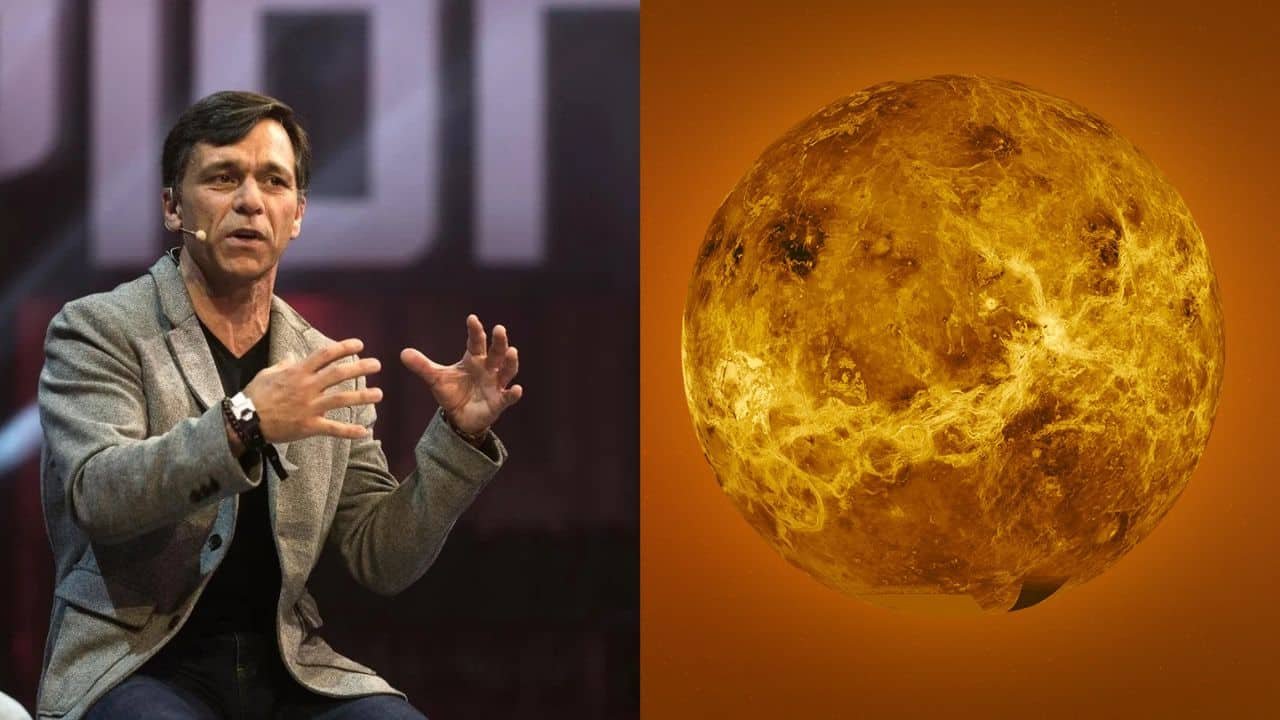
    After the tragic spectacle that was Titangate, now the new co-founder of Ocean Gate Expeditions, Guillermo Söhnlein, has announced a proposal to take 10,000 people on a floating colony to Venus by 2050. Keeping in mind that Venus, also known as “The Morning Star”, is the planet with the warmest atmosphere with a surface hot enough to melt lead.

    The company has previously been slammed online for the Titan submersible which imploded during a journey to the wreck of the Titanic, killing all five occupants on the board, including the co-founder Stockton Rush.

    When the news went viral on social media, Twitter couldn’t hold back the roasts because seriously after one catastrophe, you can’t seem to sit down?

  • SC reserves verdict on new plea for full court on civilians in military courts case

    SC reserves verdict on new plea for full court on civilians in military courts case

    A six-member bench of the Supreme Court of Pakistan on Tuesday reserved its verdict on a new plea seeking formation of a full bench to decide the fate of the case pertaining to military trials of civilians.

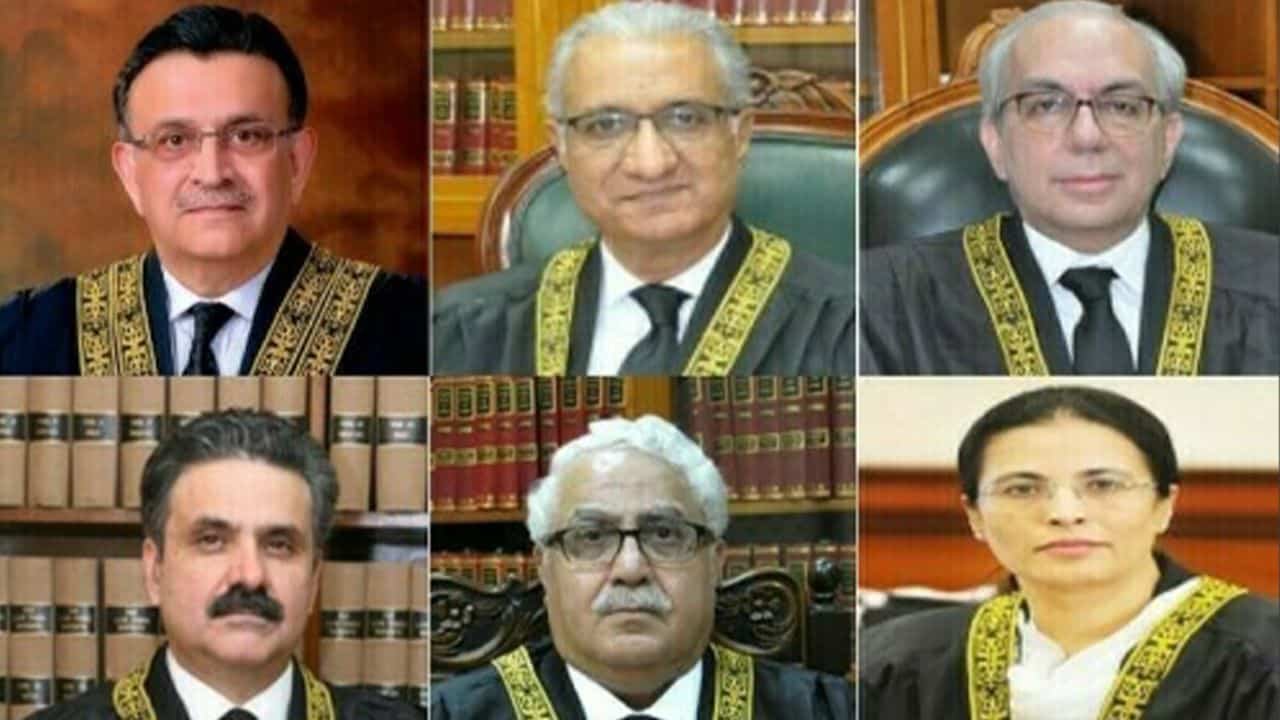
    Chief Justice of Pakistan (CJP) Umar Ata Bandial, Justice Ijazul Ahsan, Justice Munib Akhtar, Justice Yahya Afridi, Justice Sayyed Mazahar Ali Akbar Naqvi and Justice Ayesha A. Malik were part of the bench.

    Senior Counsel Faisal Siddiqi had submitted the fresh plea on Monday at the behest of civil society members, asking that “all judges willing and available” be included in the bench.

    The Supreme Court reserved its verdict after discussing the matter during the hearing with other petitioners.

    During the hearing, Justice Naqvi said the law did not give permission to “pick and choose”, asking why the inquiry against civilians was not brought on record. Justice Bandial asked if Faisal Siddiqi was “hiding”, upon which he was told that the lawyer had stepped outside for some work and would be back soon.

    The apex court has already once disposed of the government’s plea to formulate a full bench.

    The reserved verdict will most likely be announced tomorrow.

  • Violent extremism bill; Law Minister shifts blame after outrage, says it was drafted by PTI

    Violent extremism bill; Law Minister shifts blame after outrage, says it was drafted by PTI

    Federal Minister for Law and Justice, Azam Nazeer Tarrar, has confirmed that the government will not pursue the Violent Extremism Bill, shifting the blame for the legislation on Pakistan Tehreek-e-Insaf (PTI), The News has reported.

    Seeking to distance his government from the bill, which seeks to ban any organisation which resorts to violence from contesting elections, Tarrar said that the bill was drafted by the PTI government including every full stop and comma.

    However, the current government has decided against introducing the bill,” he said, speaking in Geo News programme ‘Aaj Shahzeb Khanzada Kay Saath’, adding that Prime Minister Shehbaz Sharif had advised them against drafting such legislation in haste.

    On Sunday, the bill was dropped by Senate Chairman Sadiq Sanjrani, who halted further proceedings following opposition by senators. Sanjrani said that the government should reconsider the bill.

    The bill was termed “dangerous for democracy” by senators, including those from the treasury benches.

  • Swift approval of 24 universities without proper discussion sparks debate

    Swift approval of 24 universities without proper discussion sparks debate

    In an unusual move that contradicts customary legislative protocol, the National Assembly of Pakistan has sanctioned the establishment of twenty-four new universities across various cities within a single session. These approvals, though hailed as a massive boost to the nation’s educational infrastructure, have ignited debates over the abruptness of the process.

    The approval of the bills occurred in an unusually sparse session, without the traditional discourse within respective Standing Committees, raising questions about the abrupt nature of the process.

    Critics are questioning the urgency that bypassed the usual deliberations associated with such significant decisions.

    The newly approved institutions include Metropolitan International Institute of Science and Technology, Askari Institute of Higher Education, Federal Ziauddin University, The Indus University of Science and Technology, The Institute of Management and Technology, and Pak China Gwadar University.

    Other notable approvals were for Lahore, University of Shaheed Benazir Bhutto, Institute of Health and Professional Studies, Sheikhupura Institute of Advanced Studies, Cosmic Institute of Science and Technologies, Balhe Shah International University, The Ravi Institute, and The International Islamic Institute for Peace.

    Also given the green light were Shah Bano Institute Jardanwala, International Memon University, Umm Abiha Institute of Health Sciences, Mufti Azam Islamic University, Islamabad International University, Islamabad Institute of Modern Sciences, Al Biruni International University, National University of Health Emerging Sciences and Technologies, National Institute of Technology, Pakistan Institute of Management Sciences and Technology, and The Horizon University.

    As the debate continues, it remains to be seen how these newly approved universities will contribute to the country’s higher education landscape.
  • ‘War not an option’; PM says he’s willing to talk to India

    ‘War not an option’; PM says he’s willing to talk to India

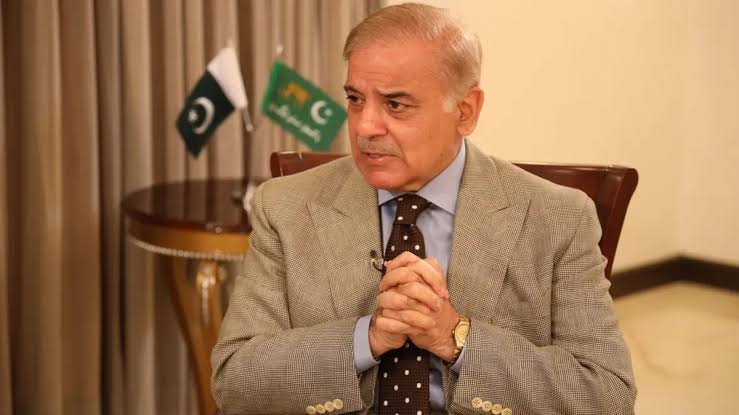
    Prime Minister Shehbaz Sharif has said on Tuesday that Pakistan has “nothing against anybody” and he is willing to talk to India for regional development.

    We are prepared to talk with everyone, even with our neighbour, provided that the neighbour is serious to talk serious matters on the table because war is no more an option,” the prime minister said, addressing the inaugural session of the Pakistan Minerals Summit in Islamabad.

    Ties between the two arch-rivals have been suspended since the annexation of Jammu and Kashmir by the Bharatiya Janata Party (BJP) government in 2019.

    Mentioning the three major wars between the two countries, Shehbaz Sharif said that Pakistan is a nuclear power but only for its defence.

    “If there is any nuclear flashpoint, who will live to tell what happened? So (war) is not an option,” he said, stressing that India should understand the same.

    Shehbaz Sharif also said that the two countries cannot become “normal neighbours” unless abnormalities are removed and unless our serious issues are understood and addressed through peaceful and meaningful discussions.