Blog

  • Booming demand for Samsung Galaxy S24 leads to shortage in Pakistan

    Booming demand for Samsung Galaxy S24 leads to shortage in Pakistan

    Samsung Electronics Co. is experiencing a shortage of its Galaxy S24 smartphones in Pakistan due to overwhelming demand for the flagship device, according to Bloomberg.

    Since the device’s launch earlier this year, demand has surged, leading to limited availability across the country.

    The Galaxy S24 series, which is assembled in Pakistan, has garnered considerable interest, particularly for its premium models like the Galaxy S24 Ultra.

    This surge in demand suggests a growing market for high-end smartphones among Pakistan’s more affluent consumers.

    With 192 million mobile phone users, Pakistan is the world’s fifth-most populous nation, representing a significant market for smartphone manufacturers.

    Samsung Electronics acknowledged the shortage in an email statement, stating that the company is working to meet customer demand and expects sales to resume shortly.

    The Pakistani government has introduced financial incentives that have transformed the country’s smartphone industry.

    In 2017, Pakistan primarily imported smartphones, but the majority of handsets are now assembled domestically. This shift has contributed to a growing mobile phone manufacturing sector.

    According to the Pakistan Telecommunication Authority, mobile companies in Pakistan produced about 21 million units last year, with local and Chinese brands such as VGOTEL, Infinix, and Itel leading production. An additional 1.7 million units were imported.

    Despite the shortage, the Galaxy S24 models are crucial for Samsung’s position in the global smartphone market.

    The company lost its top ranking to Apple Inc. last year, marking the first time since 2010 that Samsung was not the world’s leading smartphone maker, according to industry tracker IDC.

  • Pakistan’s forex reserves fall by $73.5 million in one week

    Pakistan’s forex reserves fall by $73.5 million in one week

    The State Bank of Pakistan (SBP) reported a significant decline in its foreign exchange reserves for the week ending April 19, 2024, attributing the drop to external debt repayments.

    The central bank’s reserves fell by $73.5 million, a 0.91 per cent week-on-week reduction, bringing the total to $7.98 billion.

    This decrease reflects Pakistan’s ongoing struggles to maintain a stable foreign exchange reserve position amid mounting economic pressures.

    The SBP issued a statement explaining the decline, citing debt repayments as the primary reason for the dip. “During the week ended on April 19, 2024, SBP’s reserves decreased by $74 million to $7.98 billion due to external debt repayments,” the statement read.

    Concurrently, the total reserves of Pakistan, which include those held by commercial banks, also fell. The country’s total reserves dropped by $93.2 million, a 0.7 per cent week-on-week decrease, to $13.28 billion.

    Commercial banks’ reserves diminished by $19.7 million, or 0.37 per cent week-on-week, bringing their total to $5.3 billion.

    Last week, the SBP reported a slight increase in its reserves, up by $14.4 million despite a $1 billion Eurobond repayment. However, this week’s decline indicates continued pressure on the country’s foreign exchange reserves.

    In a recent development, the International Monetary Fund’s (IMF) executive board is set to meet on April 29 to discuss the approval of a $1.1 billion funding tranche for Pakistan.

    This funding represents the second and final installment of a $3 billion standby arrangement with the IMF, which was agreed upon last summer to avert a sovereign default.

    The current arrangement with the IMF is due to expire at the end of this month, prompting Pakistan to seek a new long-term and larger loan from the IMF.

    Finance Minister Muhammad Aurangzeb expressed optimism about the country’s foreign exchange reserves, stating that he expects the reserves held by the SBP to rise to around $9–10 billion by the end of the current fiscal year.

    Despite the recent decline, the total liquid foreign reserves have increased by $4.12 billion, or 44.98 per cent, since the beginning of the fiscal year.

    Additionally, the current calendar year has seen an increase of $0.61 billion, or 4.79 per cent.

    The fluctuations in Pakistan’s foreign exchange reserves underscore the country’s ongoing economic challenges and the critical importance of securing international funding to maintain financial stability.

  • Palestinian stories shine at Arab film festival in Berlin

    Palestinian stories shine at Arab film festival in Berlin

    The ALFILM festival in Berlin is standing strong in its promise to highlight Palestinian stories, even when faced with tough opposition. Despite the difficulties and tensions around discussing Palestine in Germany, the festival organizers are determined to give these important stories a platform.

    Pascale Fakhry, the director of ALFILM, knows it’s harder now, but she’s still committed to the festival’s mission. She says, “It feels like an impossible task right now. It doesn’t even feel like an act of courage. It feels like a suicide somehow, honestly.”

    But the festival keeps going, knowing how important it is as a big part of Arab culture in Germany. Fakhry says it’s crucial to keep talking and sharing stories, even when things seem tough.

    Even though there have been some tough moments, like questions from authorities about the festival’s venues, the organizers stay strong in their goal of creating a diverse and welcoming cultural space.

    In a time when antisemitism is growing and tensions are high, the festival is a symbol of strength and unity. Filmmakers from around the world are encouraged to speak out, even on sensitive topics.

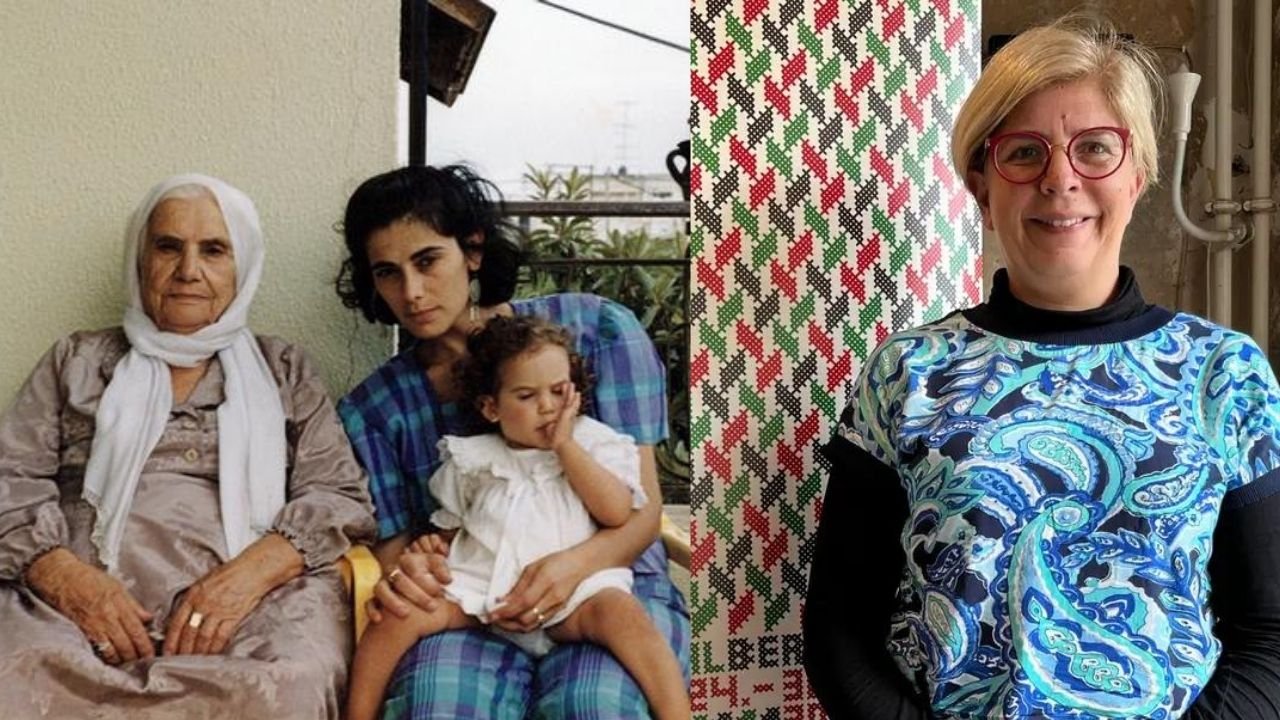
    This year, the festival is focusing on Palestinian cinema with a special section called “Here is Elsewhere: Palestine in Arab Cinema and Beyond.” One documentary, ‘Bye Bye Tiberias’ by Lina Soualem, tells stories of Palestinian women and their strength through generations, showing how history still affects them today.

    Stories like Soualem’s are important because they challenge stereotypes and make sure Palestinian voices are heard. Even when it’s hard, the ALFILM festival keeps fighting to share these stories and promote understanding through art and cinema.

  • Bushra Ansari connection with husband’s children is so wholesome

    Bushra Ansari connection with husband’s children is so wholesome

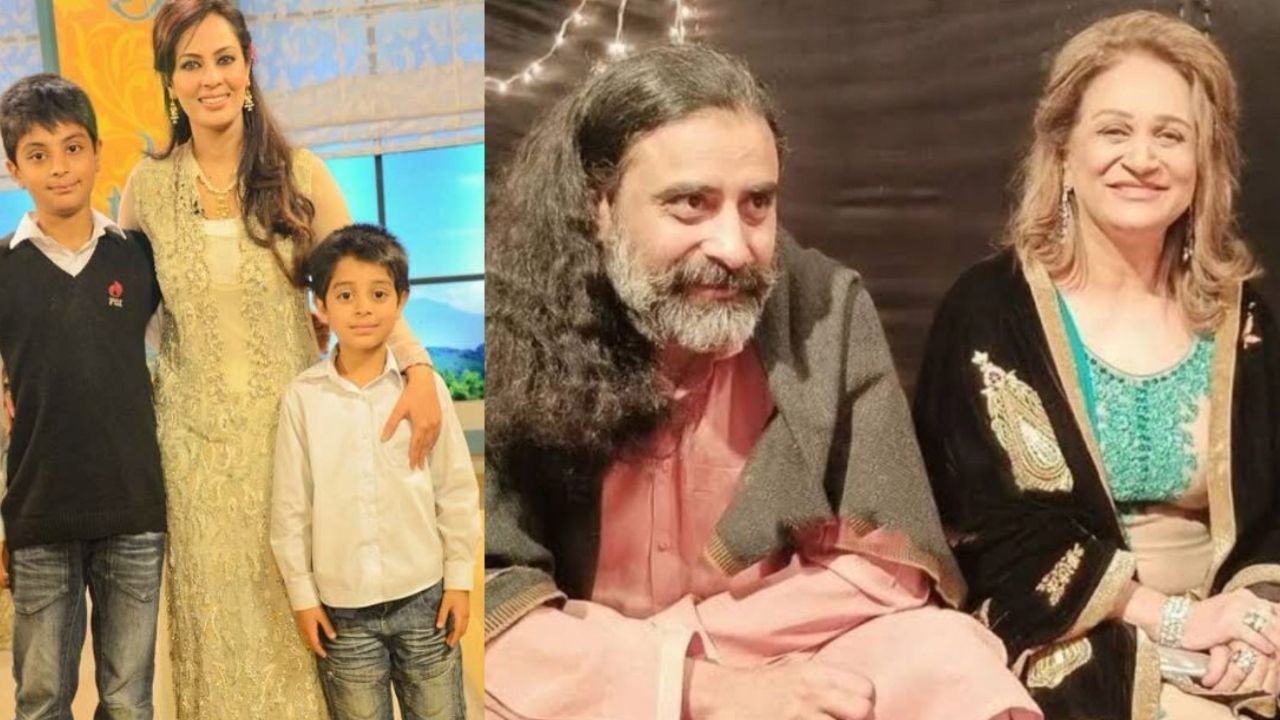
    Renowned actress Bushra Ansari recently shared a heartfelt revelation in her latest vlog, announcing her marriage to Iqbal Hussain. Despite being married for a few years, Ansari had kept her marriage private to avoid societal judgment. However, she felt it was time to introduce her husband to her fans.

    In her vlog, Ansari discussed the importance of transcending age differences, praising her husband’s maturity. She emphasized that a strong marriage requires mutual understanding and the ability to overcome past challenges, which both she and Iqbal have faced in their previous relationships.

    Ansari also spoke warmly about her relationship with her husband’s sons, who are now studying in Canada. She shared the close bond they have developed with her own daughter, who resides in the same neighborhood. Ansari highlighted how their shared experiences, including having a grandson around the same age, have strengthened their family ties.

    Furthermore, Ansari candidly addressed the sensitive topic of divorce, acknowledging that sometimes relationships simply do not work out despite efforts to make them succeed. She emphasized the emotional toll of divorce, stressing that “no one enters marriage with the intention of ending it.”

  • Friend kills 17-year-old for eating his girlfriend’s burger

    Friend kills 17-year-old for eating his girlfriend’s burger

    A 17-year-old young man was allegedly killed by his close friend for eating a zinger burger the suspect had ordered for his ‘girlfriend’, the police investigation has concluded in Karachi.

    The victim was identified as Ali Kerio, son of Javed Kerio, a Karachi District South sessions judge, while the suspect shooter, Daniyal Nazeer Mir Bahar, is the son of Nazir Ahmed Mir Bahar, a retired Senior Superintendent of Police (SSP), reports Danial Syed of Geo News.

    As per initial investigations, Daniyal invited his girlfriend, Shazia, to his house — located in Karachi’s Defence Housing Authority (DHA) Phase V — where his friend Ali Kerio and his brother Ahmar Kerio were also present. The suspect ordered two zinger burgers for himself and Shazia, but Ali purportedly consumed half of one burger, which enraged Daniyal so much that he seized his security guard’s assault rifle and opened fire on Ali, who later succumbed to gunshot injuries on the way to the hospital.

    The unfortunate incident happened on Feburary 8.

    The investigating officer (IO) has submitted the report to higher authorities, implicating the police officer’s son in the crime. Daniyal is currently in jail as the legal proceedings of the case continue.

  • Nawazuddin Siddiqui’s daughter joins acting school

    Nawazuddin Siddiqui’s daughter joins acting school

    Bollywood actor Bollywood thespian Nawazuddin Siddiqui’s daughter has enrolled in an acting school.
    Despite not having a film background himself, Nawazuddin made a name for himself in the industry as one of its most talented actors. Now, he wants his daughter, Shora Siddiqui, to join the film world too.

    In an interview, he said he wished for her to follow his footsteps. Nawazuddin and his wife have resolved their differences for the sake of their children.
    “I want for Shora to achieve her dreams. At 13-years-old, she’s ready to excel in the performing arts.”

    He added, “I’ve enrolled her in an acting school. If she chooses to pursue acting as a profession, I want her to be a skilled actress.”
    Nawazuddin also said that acting is an art, and he will always support her in every possible way.

  • Pakistan horror zoo is reborn as rehab centre

    Pakistan horror zoo is reborn as rehab centre

    Islamabad, Pakistan – Before it was forced to close over its “intolerable” treatment of animals, the Islamabad Zoo was home to neglected elephants and underfed lions pacing back and forth behind the bars of their enclosures.

    Now, four years later, it is a rehabilitation centre for Pakistani wildlife, providing a refuge for motherless leopard cubs, tigers seized from owners who kept them as status symbols, and bears forced to dance — or fight — for the amusement of crowds.

    “The whole energy of the place has changed ever since the zoo was emptied… The care shows, look around,” Rina Saeed, the head of Islamabad Wildlife Management Board (IWMB), told AFP.

    The zoo found international notoriety in 2016, when the singer Cher launched a campaign to remove its shackled Asian elephant Kaavan, the last in the country and dubbed the world’s loneliest elephant.

    But Kaavan’s treatment wasn’t an isolated incident — two lions died at the facility when zookeepers attempted to force them from their pen by setting fire to piles of hay. And over the years, hundreds of animals listed on the zoo’s inventory simply vanished.

    Pakistan’s climate change ministry said it was “seriously concerned” about the “intolerable and inhumane” treatment of animals at the zoo in 2020 — the same year the courts ordered it shut and Kaavan was moved to Cambodia.

    Within months of its closure, a small rescue centre began to take root at the facility, and now evidence of its past as a tourist attraction is fading — silence hangs over the empty, overgrown parking lot and the shabby ticket stand sits idle next to a swing set.

    “Now it is a proper rehabilitation centre with over 50 animals,” Saeed said, adding that the team had rescued more than 380 animals.

    ‘Unrecognisable’

    The IWMB team rescues animals from across the country, recently taking in two indigenous leopard cubs poached from their mother, bears once forced to fight dogs in underground competitions and monkeys made to dance for tips.

    Amir Khalil, a veterinarian who directs the global animal welfare organisation Four Paws, which oversaw Kaavan’s relocation, recently made an emotional return to the zoo, saying it “now holds hope”.

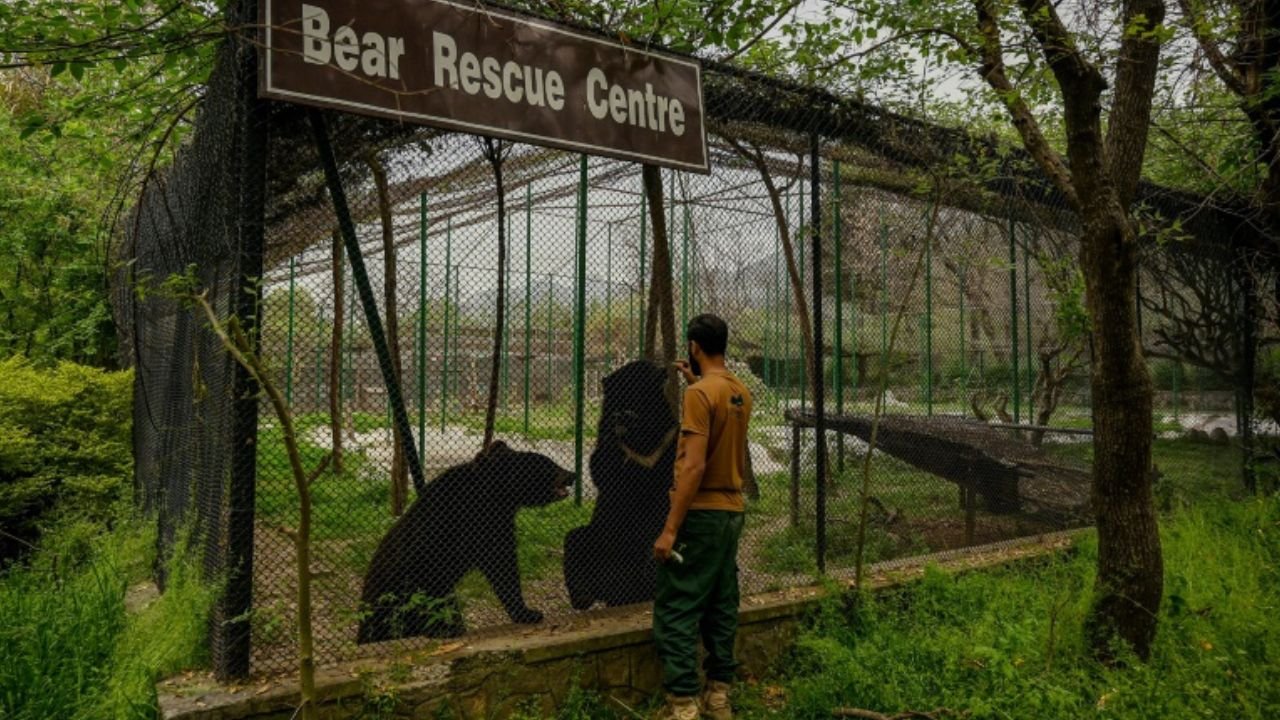
    Vets from the Austria-based NGO had come to the centre to see after three black bears whose claws had been removed by their previous owners, treating them in the shadow of an abandoned Ferris wheel in the zoo’s former cafe — now a makeshift clinic.

    “This place is unrecognisable,” Khalil told AFP while inspecting one of the animals, an overweight former dancing bear called Anila.

    Anila was also suffering from a nose infection from a ring pierced through her snout to help keep her under control.

    “We hope this place turns out to be a place for animals with a better future,” Khalil said.

    Last year the IWMB seized a tiger cub with broken bones from a vet clinic in an upscale neighbourhood in the capital, later relocating the animal to South Africa.

    Owning a wild cat is a symbol of wealth in Pakistan even though it is illegal in some parts of the country.

    “We think animals are toys,” said Ali Sakhawat, deputy director of research and planning at the IWMB.

    The animals brought to the centre are not only physically injured but also mentally traumatised.

    “We keep them occupied to help them erase the memories of the trauma inflicted by poachers,” Aneis Hussan, a wildlife ranger, told AFP as he played with Daboo, one of the rescued black bears.

    “The bears you’ve observed here exhibit signs of joy — roaming freely, climbing trees — a stark contrast to the captivity that deprived them of happiness,” Hussan added.

    Bumpy quest for survival

    Wildlife authorities are pushing for new laws targeting poachers and bear baiters who regularly trap and traffic wild animals.

    A new Islamabad Nature and Wildlife Management Act would strengthen animal protections, but Saeed says it still “needs the president’s signature”.

    The last presidential order on animal welfare — restricting bear baiting — was passed over 20 years ago by President Pervez Musharraf.

    “No one in the government listens, I have gotten old trying to make them understand how important this is,” Safwan Ahmad, vice chairman of the non-profit Pakistan Wildlife Foundation, told AFP.

    IWMB wants to establish a permanent sanctuary at the site of the rehabilitation centre, but the local authority that owns the land intends to reopen the facility as a public zoo.

    “There is one (zoo) in almost every city worldwide,” said Irfan Khan Niazi of the environmental department of the Capital Development Authority, which oversees planning and development in Islamabad.

    “Just because rules were not followed once does not mean it would happen again”, he added.

    “No matter how many zoos we make for kids, this won’t teach them that animals are to be taken care of,” said IWMB’s Sakhawat.

    “Wild animals are to be kept in the wild, not cages”, he added.

    stm/ecl/smw/tym

    © Agence France-Presse

  • Use of alcohol and e-cigarettes among youth ‘alarming’: WHO

    Use of alcohol and e-cigarettes among youth ‘alarming’: WHO

    The widespread use of alcohol and e-cigarettes among adolescents is “alarming”, according to a report released on Thursday by the World Health Organization’s (WHO) European branch, which recommended measures to limit access.

    Based on survey data from 280,000 young people aged 11, 13 and 15 in Europe, Central Asia and Canada, the WHO said it showed a “concerning picture” of substance use among young people.

    “The long-term consequences of these trends are significant, and policy-makers cannot afford to ignore these alarming findings,” the health body said.

    The report found that 57 percent of 15-year-olds had drunk alcohol at least once, for girls the figure was 59 percent, compared to 56 percent of boys.

    The WHO noted that overall drinking had decreased for boys, while it had increased for girls.

    When it came to current use — defined as having drunk at least once in the last 30 days — eight percent of 11-year-old boys reported having done so, compared to five percent of girls.

    But by age 15, girls had overtaken boys, with 38 percent of girls saying they had drunk at least once in the last 30 days, while only 36 percent of boys had.

    “These findings highlight how available and normalised alcohol is, showing the urgent need for better policy measures to protect children and young people from harms caused by alcohol,” said WHO Europe — which gathers 53 countries including several in Central Asia.

    In addition, nine percent of teenagers reported having experienced “significant drunkenness” — having been drunk at least twice.

    The WHO said this rate climbed from five percent among 13-year-olds to 20 percent for 15-year-olds, “demonstrating an escalating trend in alcohol abuse among youth”.

    The report also highlighted the increased use of e-cigarettes — often called vapes — among teenagers.

    While smoking is declining, with 13 percent of 11-15 year-olds having smoked in 2022, two percentage points less than four years earlier, the report noted that many of them have instead adopted e-cigarettes — which have overtaken cigarettes among adolescents.

    Around 32 percent of 15-year-olds have used an e-cigarette, and 20 percent reported having used one in the last 30 days.

    “The widespread use of harmful substances among children in many countries across the European Region -– and beyond -– is a serious public health threat,” WHO Regional Director for Europe Hans Kluge said in a statement.

    Kluge called for higher taxes, restrictions in availability and advertising, as well as a ban on flavouring agents.

    “Engaging in high-risk behaviours during the adolescent years can shape adult behaviour, with substance use at an early age being linked to a higher risk of addiction,” the report said.

    “The consequences are costly for them and society,” it added.

    Cannabis use, meanwhile, was down slightly with 12 percent of 15-year-olds having ever used it, down four percentage points in as many years.

    Conducted every four years by the WHO, the HBSC (Health Behaviour in School-aged Children) survey examines the health behaviour of 11, 13 and 15-year-olds, and includes a section on substance use.

  • Bella Hadid’s sweet birthday message for sister Gigi

    Bella Hadid’s sweet birthday message for sister Gigi

    Supermodel Bella Hadid has a strong presence on social media, where she shares glimpses of her glamorous life and personal interests.
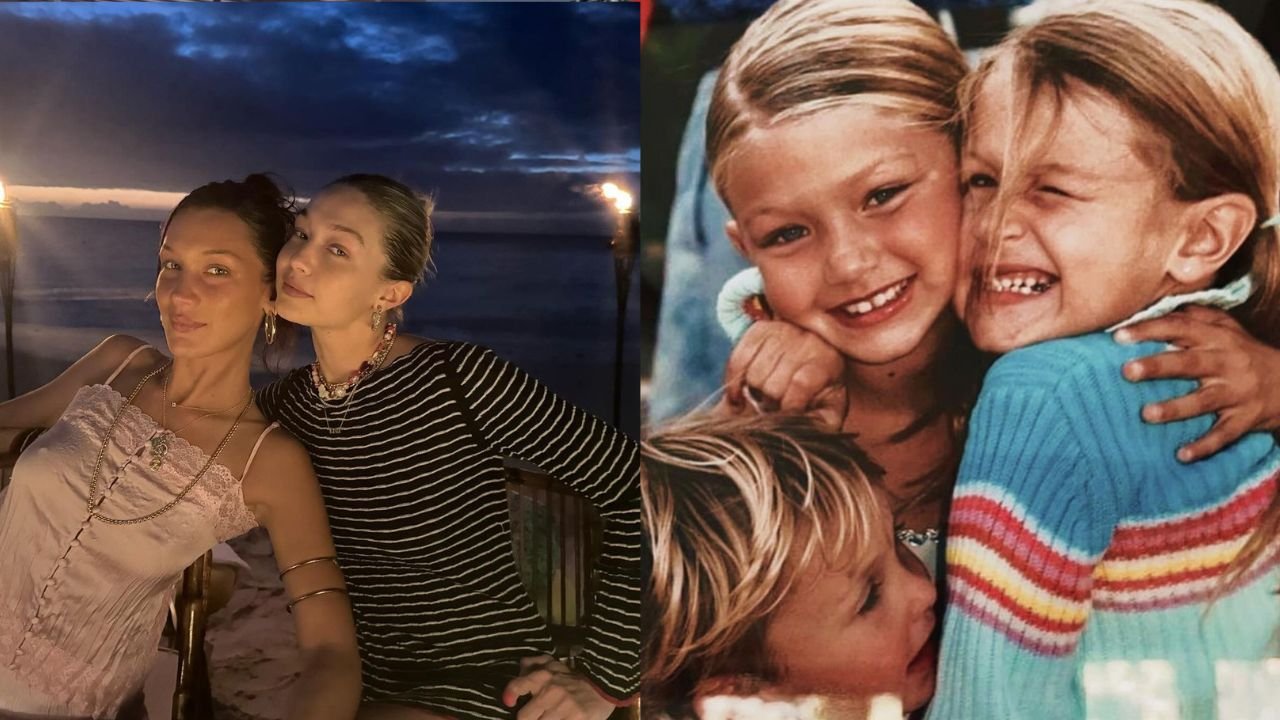
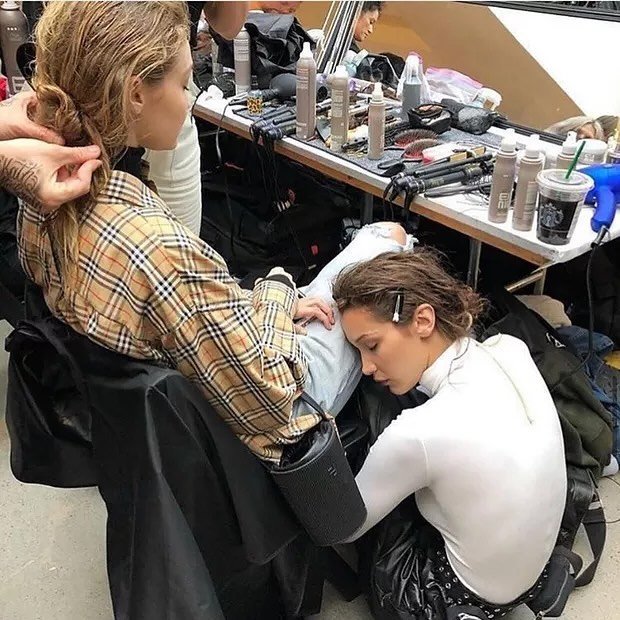
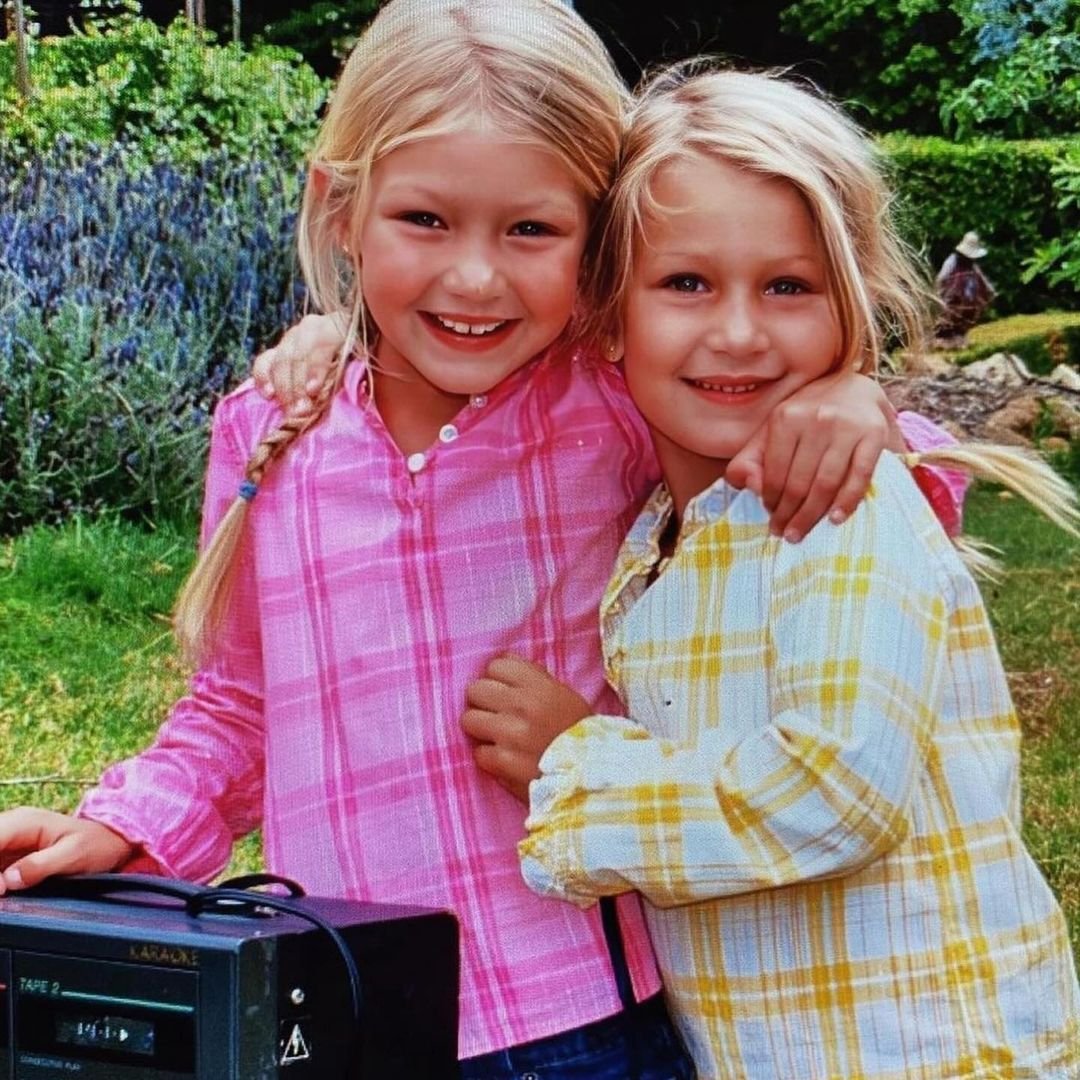
    Earlier this week, on April 23, Bella Hadid took to Instagram to share birthday wishes for her sister Gigi Hadid on her 29th birthday, accompanied by childhood photos of the two together.

    “Happy birthday, princess of Genovia! I love you so much,” Bella wrote. “Life without you would be nothing; I would be nothing! You inspire me and make me feel strong. Watching you give birth and then raise the most perfect angel is the most magical gift a sister could ask for. I feel so lucky. You are the best & coolest mama, best sister, best daughter, and best friend.”

    She continued “Anyone who has the privilege to be in your orbit is lucky, indeed! I love you sissy, you make me feel proud to be your sister. I’m obsessed with you in every single way! @gigihadid my jelly, giggles, sissy pantelones for life,”
    In this collection of nostalgic snapshots from their childhood and teenage years, Bella lovingly describes Gigi as her ‘built-in best friend’.

  • Maryam Nawaz wants more women in police department

    Maryam Nawaz wants more women in police department

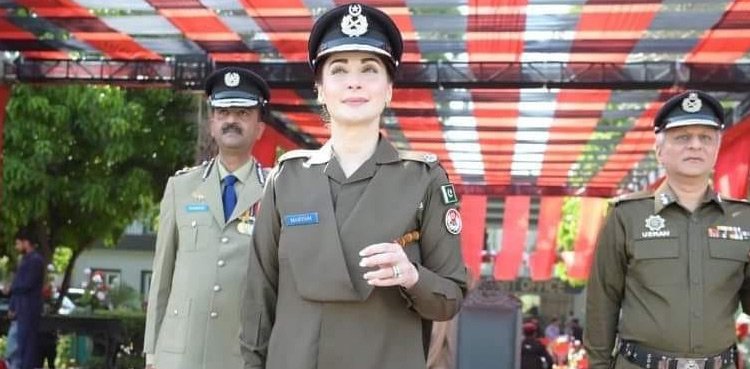
    Chief Minister (CM) of Punjab Maryam Nawaz addressed the passing-out parade ceremony at Chuhng Police Training College, giving in a speech in which she said that the government wants more women in the police department.

    “I salute you all. I am happy the first sword of honour has been awarded to a woman police officer. I am proud of you. I was waiting for this event since taking the oath as chief minister,” she remarked.

    She stated that she is happy to see 530 women passing out, adding that “When I wore the police uniform for the first time, I realised it is a big responsibility.”

    The newly elected chief minister also said that right now, 7,000 women police officials are performing their duties in Punjab.

    “I want to increase women’s participation in Punjab police. Lady cops are superhuman. Women are softhearted, so they forgive,” she added.