Blog

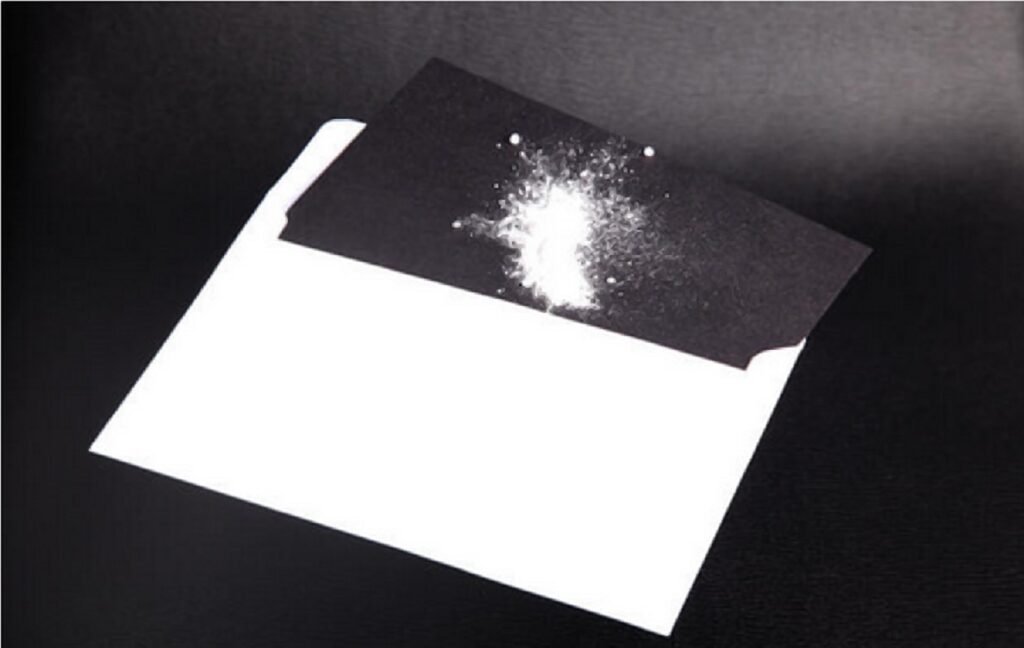
  • Arsenic found in suspicious letters sent to judges

    Arsenic found in suspicious letters sent to judges

    The Counter Terrorism department (CTD) has obtained a forensic report of the powder found in the suspicious letters sent to judges of the High Court and Supreme Court (SC).

    At least four SC judges and judges of the high court—eight of the Islamabad High Court and six of the Lahore High Court—received the letters, creating fear among the judiciary.

    Justice Ali Baqar Najfi of Lahore High Court (LHC) was the last judge to receive a letter filled with white powder.

    The CTD registered two FIRs against unknown people and initiated an investigation into the matter.

    The report revealed that arsenic was mixed in powder found in the letters. The sources of GEO also uncovered that 10 percent arsenic was mixed in the powder, as a higher amount of arsenic could be “very poisonous” and harmful to the human body.

    The investigators have obtained videos of the CCTV cameras installed near the letterboxes in the sub-divisional post office in Satellite Town, Rawalpindi.

  • UN Rights Council considers call for halt to arms sales to Israel

    UN Rights Council considers call for halt to arms sales to Israel

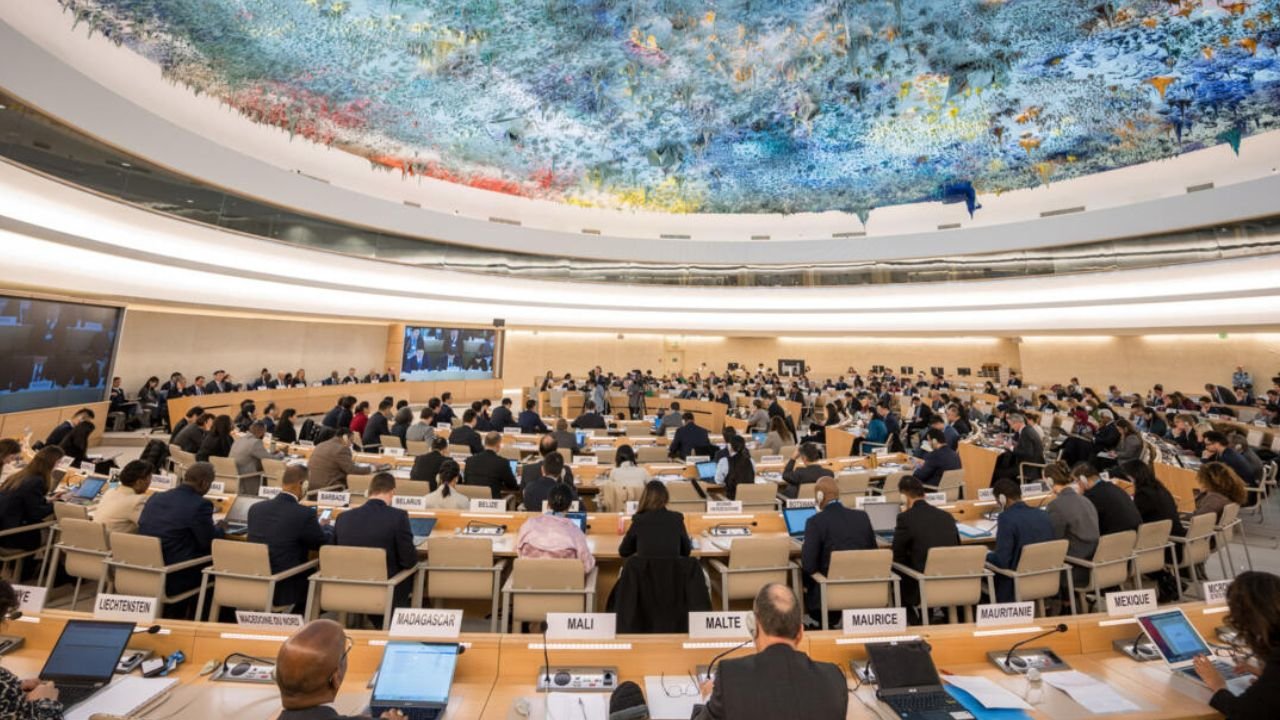
    The UN Human Rights Council was on Friday debating whether to demand a halt in arms sales to Israel, whose genocide in Gaza has killed more than 33,000 people.

    If the text is adopted, it would mark the first time that the United Nations’ top rights body has taken a position on the bloodiest-ever genocide to beset the besieged Palestinian territory.

    The draft text calls on countries to “cease the sale, transfer and diversion of arms, munitions and other military equipment to Israel”.

    This, it said, is needed among other things “to prevent further violations of international humanitarian law and violations and abuses of human rights”.

    It stresses that the International Court of Justice ruled in January “that there is a plausible risk of genocide” in Gaza.

    Friday’s draft resolution, which was brought forward by Pakistan on behalf of all Organisation of Islamic Cooperation (OIC) member states except Albania, calls for “an immediate ceasefire” and “for immediate emergency humanitarian access and assistance”.

    It comes after the UN Security Council in New York last week also finally passed a resolution calling for a ceasefire — thanks to an abstention from Washington, Israel’s closest ally and largest arms supplier.

    However, the ceasefire demand has had no impact on the ground.

    Palestinian militants also took more than 250 hostages on October 7, and 130 remain in Gaza, including 34 who the army says are dead.

    Israel’s retaliatory campaign has killed at least 33,037 people, mostly women and children, according to the health ministry in Gaza.

    The rights council draft resolution does not name Hamas but it does condemn the firing of rockets at Israeli civilian areas and demands “the immediate release of all remaining hostages”.

    The strongly worded text repeatedly names Israel, stressing it is “the occupying Power”.

    It demands that Israel end its occupation of all Palestinian territories and “immediately lift its blockade on the Gaza Strip and all other forms of collective punishment”.

    The text, which was revised late on Thursday removing several references to genocide, continues to express “grave concern at statements by Israeli officials amounting to incitement to genocide”.

    And it urges countries to “prevent the continued forcible transfer of Palestinians within and from Gaza”.

    It warns in particular “against any large-scale military operations in the city of Rafah” in the south of the densely populated Gaza Strip, where well over one million civilians are sheltering, warning of “devastating humanitarian consequences”.

    The draft resolution also condemns “the use of starvation of civilians as a method of warfare in Gaza”, where the UN has warned that famine is looming.

    And it slammed “the unlawful denial of humanitarian access, wilful impediment to relief supplies and deprivation of objects indispensable to the survival of civilians, including food, water, electricity, fuel and telecommunications, by Israel”.

    The text also condemns Israel’s “use of explosive weapons with wide area effects by Israel in populated areas in Gaza”.

    Friday’s draft resolution deplores the fact that Israel has persistently refused to cooperate with numerous investigations ordered by the UN rights council.

    And it insists on the “imperative of credible, timely and comprehensive accountability for all violations of international law” in Gaza.

    It calls on the Commission of Inquiry on the rights situation in the occupied Palestinian territories — the highest-level UN investigation launched prior to October 7 — to probe all “direct and indirect transfer or sale of arms, munitions, parts, components and dual use items to Israel, the occupying Power”.

    The team, it said, should identify the weapons used since October 7 and “analyse the legal consequences of these transfers”.

    The investigators should present their findings to the council at its 59th session, which will be held in mid-2025, it said.
  • Pakistani tailor’s heartwarming acts of charity inspires netizens

    Pakistani tailor’s heartwarming acts of charity inspires netizens

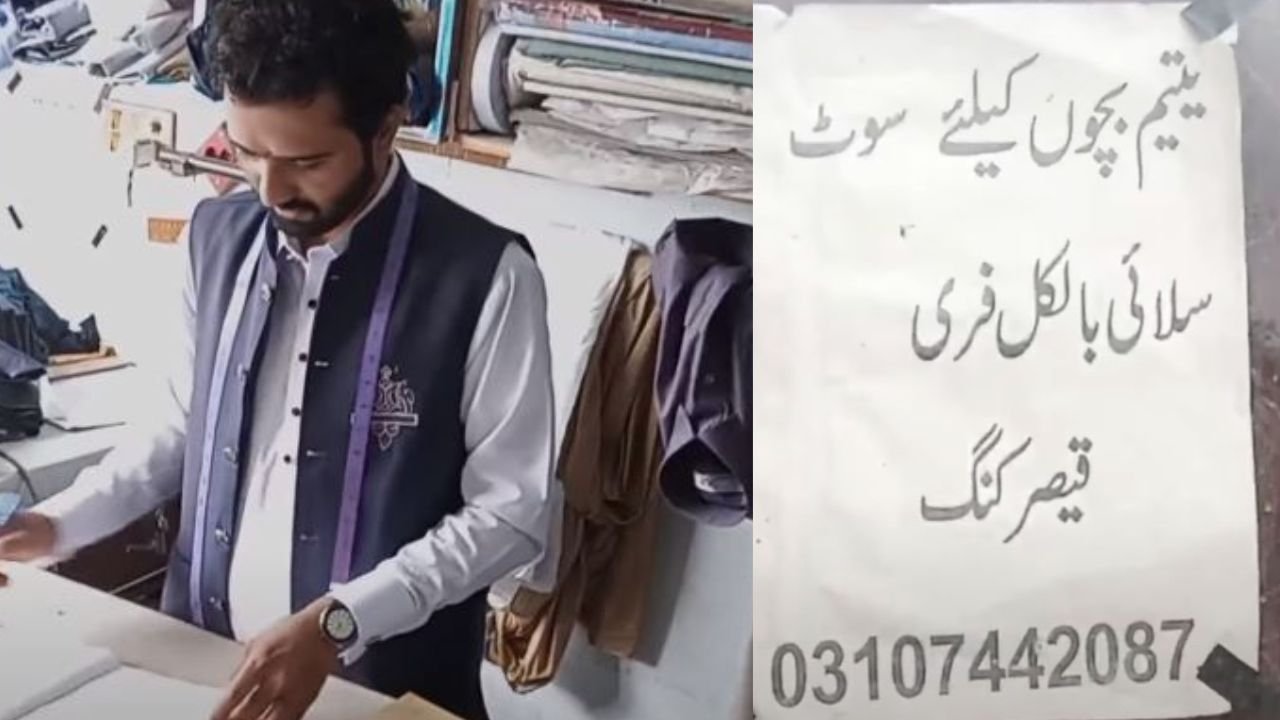
    The spirit of charity among Pakistanis has been a constant source of strength amidst the country’s numerous challenges. Organizations like the Edhi Foundation and Shaukat Khanum Hospitals, along with various other initiatives, have demonstrated the generosity of the people. This spirit of giving has consistently lifted Pakistan from its lowest points.

    A heartwarming story recently emerged about Qaiser Hassan, a 26-year-old tailor from Mianwali District. For the past six years, Qaiser has been sewing clothes for orphaned children in his area every Eid, free of charge. He explained that he does this because he is unable to support these children financially, so he contributes in this way instead.

  • Indian actress Hina Khan performs Umrah

    Indian actress Hina Khan performs Umrah

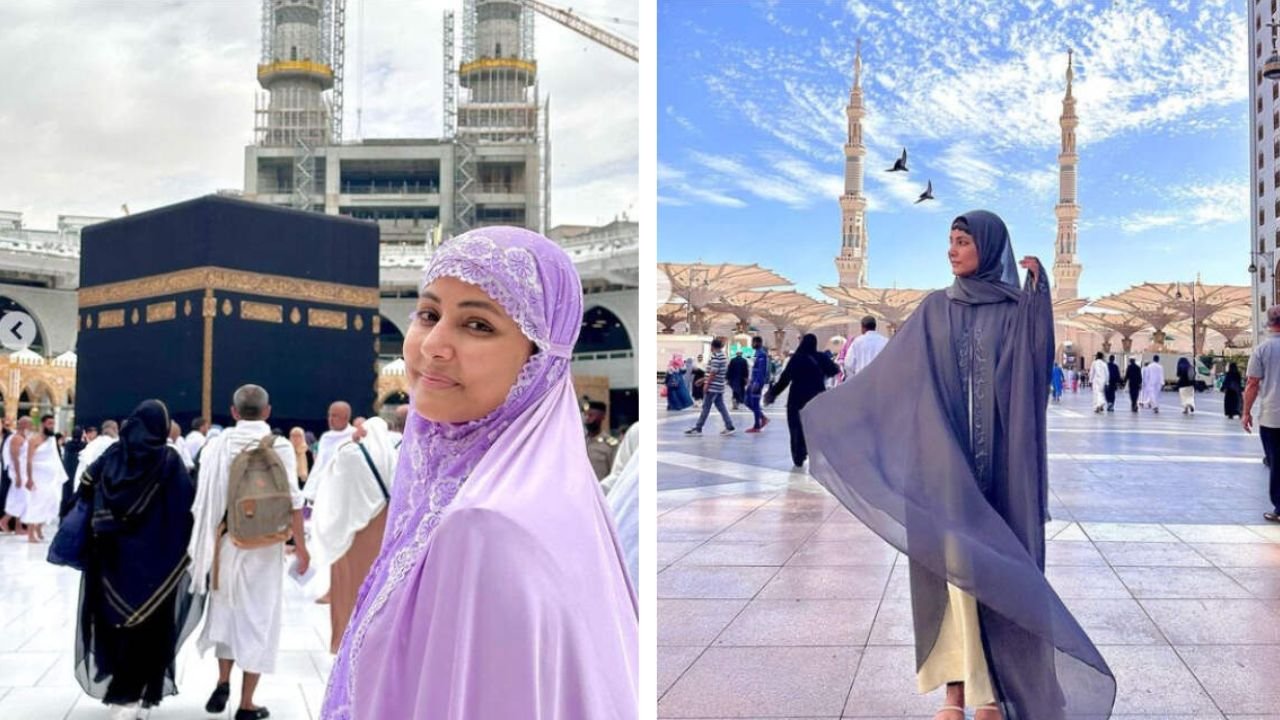
    Indian actor Hina Khan, known for her roles in TV hits like ‘Yeh Rishta Kya Kehlata Hai,’ is currently in Madina. She’s on a spiritual journey to Saudi Arabia to spend the remaining days of Ramadan in devotion.

    On Instagram, Hina Khan posted pictures of her visit to Masjid-e-Nabawi and shared her experience of Iftar there. Expressing gratitude, she wrote, “Alhamdullilah. Ramazan 2024 I won’t say much, bus bulaawa tha Aur Kuch nahi..Mere Nabi (peace be upon him) ki Mohabbat Alhamdullilah..”

    To keep things positive, Hina turned off the comments under her post. She also shared several pictures on her Instagram stories, giving fans a glimpse into her spiritual journey.

  • PCB Director Media and Communication Aliya Rashid resigns from her post

    PCB Director Media and Communication Aliya Rashid resigns from her post

    Pakistan Cricket Board (PCB) Director Media and Communication Aliya Rashid has resigned from her post on Friday.

    Aliya was hired under the tenure of interim PCB chairman Zaka Ashraf in October 2023 as the director of media and communication. She had already worked with the board for a short period in 2009 under Umar Farooq Kalson.

    She was the first woman director to work as media head at PCB.

    PCB has announced the appointment of Sami ul Hasan Burney as the new Director of Media and Communication.

  • Sonya Hussyn talks about embarrassing outfit mishap at awards ceremony

    Sonya Hussyn talks about embarrassing outfit mishap at awards ceremony

    Popular actress Sonya Hussyn recently shared a funny story about a wardrobe malfunction she experienced at an awards ceremony. She, along with her sisters Sana and Saima, was chatting with host Nida Yasir on ARY Digital’s Ramadan show ‘Shan e Suhoor’. They talked about their bond as sisters, their careers, and some embarrassing moments.

    Sonya recalled the incident when she wore a pink sari and had a wardrobe malfunction at an awards ceremony abroad.

    “It happened to me just recently at an awards ceremony in Canada,” Hussyn started. One of the designers made this really nice, pink sequin saree for me. It had a halter neck blouse decorated with jeweled lace.”

    Remembering the embarrassing moment, the actor said, “I was sitting at the event when another actor called me from behind, saying ‘Hi Sonya.’ I turned back to respond to her, and suddenly, the halter neck of my blouse broke.”

    “At that moment, Ali Rehman Khan and Yasir Hussain, who were hosting the event, came towards me to sing a song for Pakistan,” she recalled.
    The celebrity revealed that in a quick decision, she decided to wrap the sari around her arms to deal with the situation. She tried to make a fashion statement in a moment of panic before eventually singing the patriotic anthem ‘Dil Dil Pakistan’ with the famous singer Atif Aslam.

    “No one knew about the wardrobe malfunction, but it was a terrible moment for me,” Hussyn concluded.

    Hussyn recently played the main character Noor in the TV drama ‘Tere Bina Mein Nahi’, with Shehzad Sheikh and Aiza Awan.

  • Sonam Kapoor shares sweet ‘Khoobsurat’ memories with Fawad Khan

    Sonam Kapoor shares sweet ‘Khoobsurat’ memories with Fawad Khan

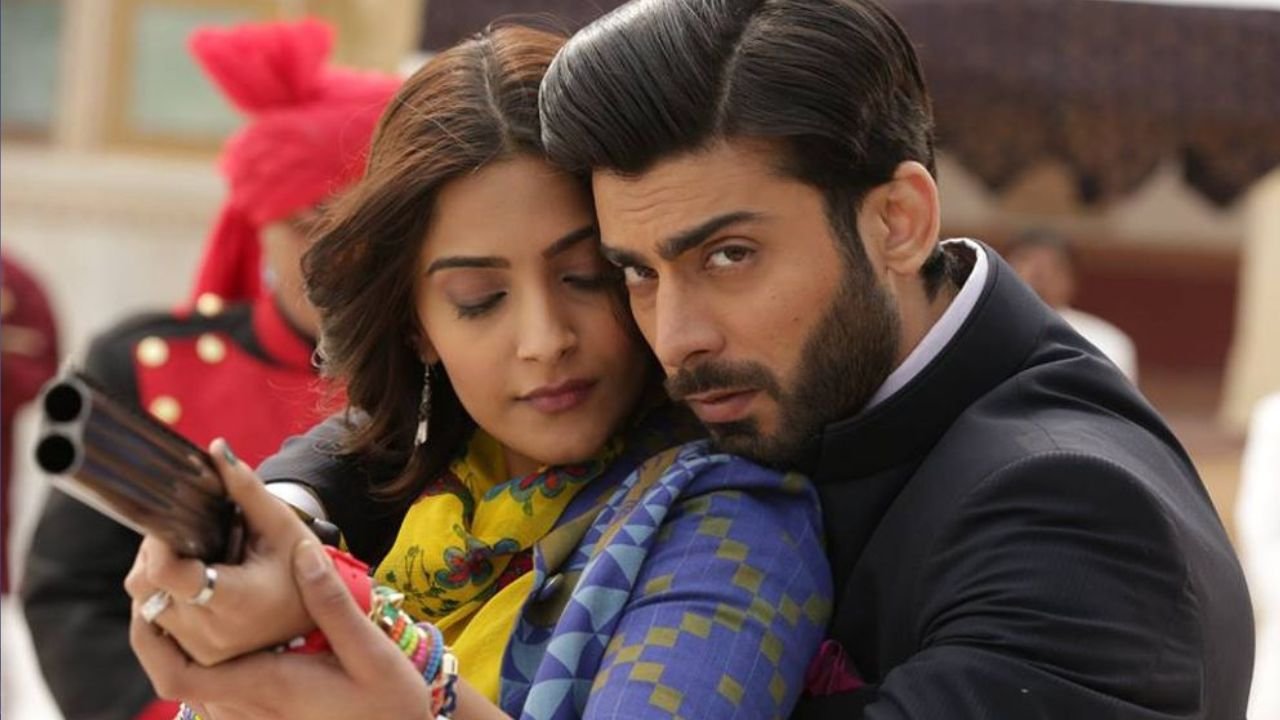
    Bollywood star Sonam Kapoor often reminisces about the 2014 movie ‘Khoobsurat’, as do we. The actress took a trip down memory lane and shared some fond memories from their time on set with her co-star, Pakistani heart throb Fawad Khan.

    She posted a bunch of pictures, showing scenes from the movie and some behind-the-scenes moments on Facebook. Fans loved this nostalgic post, as it brought back wonderful memories of the film and the special bond between Sonam and Fawad.

    Sonam played Mili in the film, a lively physiotherapist, while Fawad portrayed Vikram, the charming prince. Their performances left a lasting mark on viewers, immersing them in a romantic and enchanting world.

    Fans rushed to the comments section to share their own thoughts. One fan wrote enthusiastically, “Sonam Kapoor, you are lucky that you are with Fawad Khan, the great.” Another fan confessed, “I loved this movie and your pairing with Fawad Khan… both of you rocked.”

    The star of ‘Veere Di Wedding’ has talked before about how Fawad was cast in the role in the 2014 movie. In an interview with Filmfare, Sonam said, “Do you know how much effort it took to make Khoobsurat? No hero wanted to work with me because it was called Khoobsurat. I had to get Fawad Khan from Pakistan. And look what happened. Fawad became a huge star. He had the confidence.”

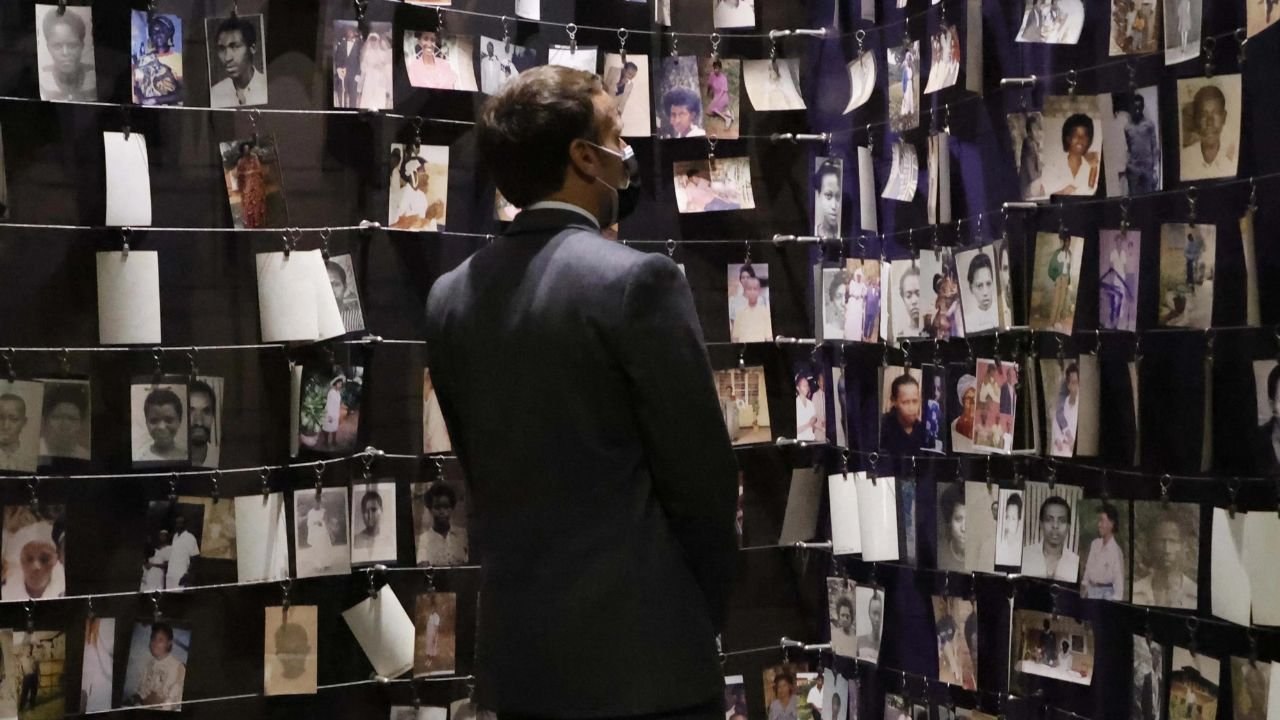
  • Macron believes France, allies ‘could have stopped’ 1994 Rwanda genocide

    Macron believes France, allies ‘could have stopped’ 1994 Rwanda genocide

    President Emmanuel Macron believes France and its Western and African allies “could have stopped” Rwanda’s 1994 genocide but did not have the will to halt the slaughter of an estimated 800,000 people, mostly ethnic Tutsis, the presidency said on Thursday.

    In a video message to be published on Sunday to mark the 30th anniversary of the genocide, Macron will emphasise that “when the phase of total extermination against the Tutsis began, the international community had the means to know and act”, a French presidential official said, asking not to be named.

    The president believes that at the time, the international community already had historical experience of witnessing genocide with the Holocaust in World War II and the mass killings of Armenians in Ottoman Turkey during World War I.

    Macron will say that “France, which could have stopped the genocide with its Western and African allies, did not have the will” to do so, the official added.

    The president will not be heading to Kigali to attend commemorations of the genocide this Sunday alongside Rwandan President Paul Kagame, and France will instead be represented by Foreign Minister Stephane Sejourne.

    Macron, during a visit to Rwanda in 2021, recognised France’s “responsibilities” in the genocide and said only the survivors could grant “the gift of forgiveness”.

    But he stopped short of an apology and Kagame, who led the Tutsi rebellion that ended the genocide, has long insisted on the need for a stronger statement.

    A historical commission set up by Macron and led by historian Vincent Duclert also concluded in 2021 that there had been a “failure” on the part of France under former leader Francois Mitterrand, while adding that there was no evidence Paris was complicit in the killings.

    Marcel Kabanda, president of the Ibuka France genocide survivor association, welcomed Macron’s new message reported on Thursday.

    “It goes even further than the Duclert report or his message in Kigali” in 2021, he said.

    “I’m overjoyed he is giving France this positive image of a country that recognises its faults and grows through recognising its history,” he said.

    In his video message, Macron is to “reiterate the importance of the duty of remembrance, but also of developing and disseminating reference knowledge, in particular through the education of younger generations in France,” the presidency said.

  • PM vows to uphold 18th Amendment

    PM vows to uphold 18th Amendment

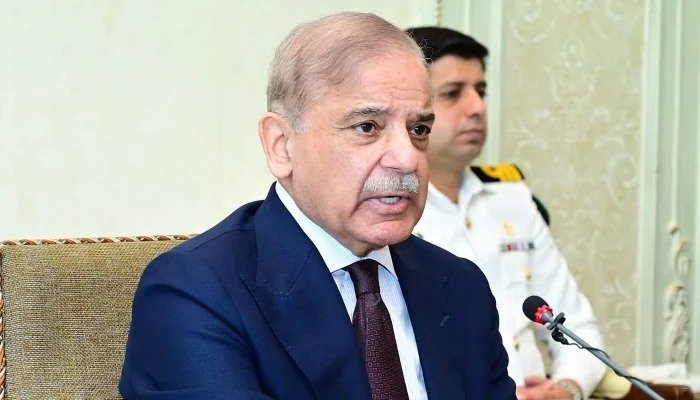
    Agreeing with Pakistan Peoples Party (PPP) Chairman Bilawal Bhutto-Zardari’s remarks, Prime Minister Shehbaz Sharif vowed to transfer all relevant ministries and departments back to provinces – which are constitutionally under the purview of provinces.

    The Prime Minister stated that the federation will strengthen the provinces by devolving all relevant ministries under the 18th Amendment and national expenditures will be minimized to cut loss.

    During the campaign for the general elections, Bilawal suggested that if his party were elected, then the federation would eliminate 17 federal ministries to save the taxpayers’ Rs.300 billion.

    Similarly, the former foreign minister has suggested that 17 federal ministries should be devolved to provincial authorities.

    The 18th Amendment, passed on April 8, 2010, was a landmark bill that gave provinces autonomy. It devolved multiple federal ministries and powers to provinces. It divested the president of all his executive authority and made him a ceremonial head of the state.

  • Pakistan says no to talks with Taliban

    Pakistan says no to talks with Taliban

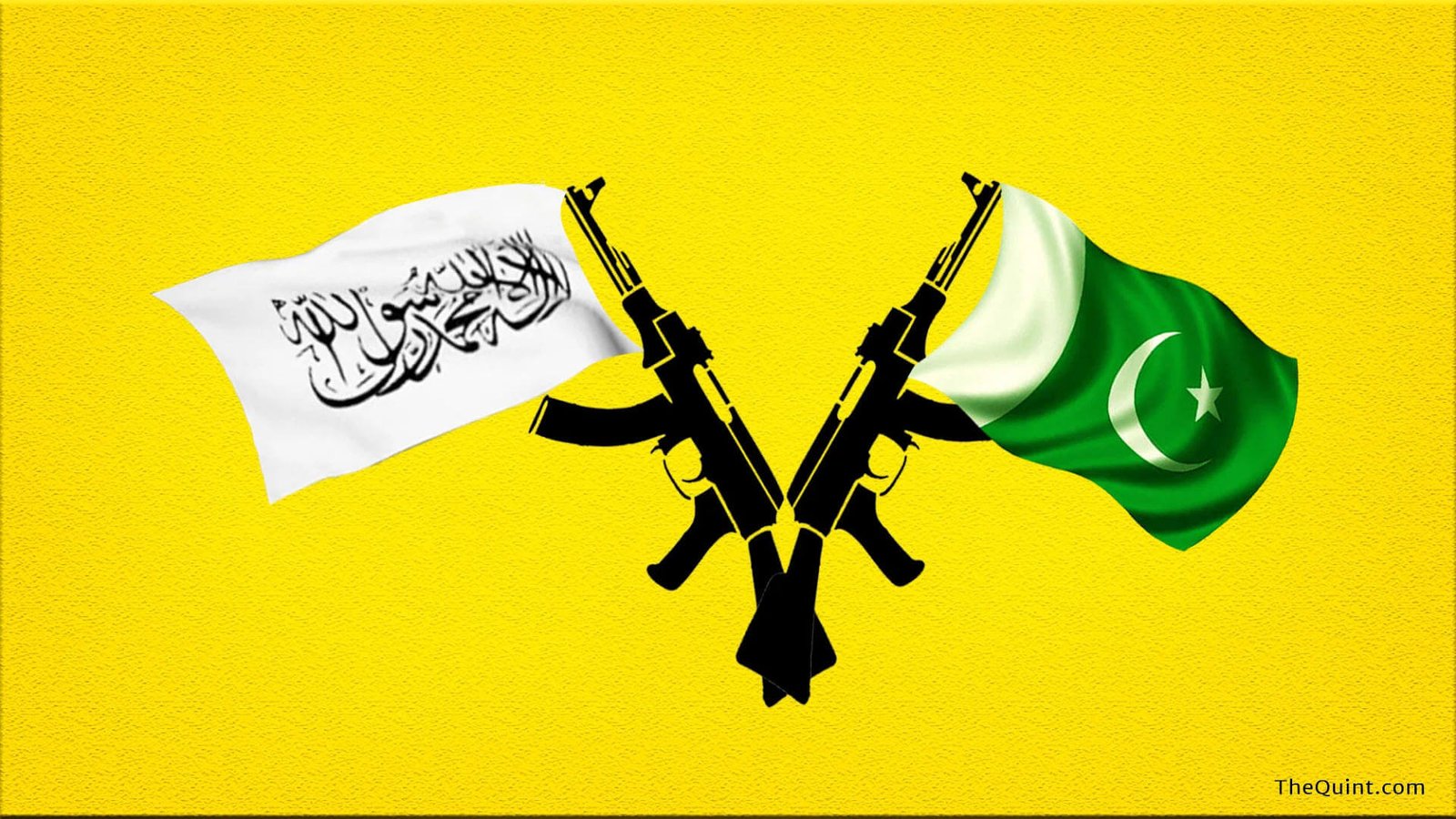
    Foreign Ministry spokesperson Mumtaz Zahra Baloch has said that Pakistan is not engaged in peace talks with the proscribed group Tehreek-e-Taliban Pakistan (TTP), emphasising that neither does it plan to hold such talks in future.

    She remarked in a press briefing, “I will reiterate what we have said in the past. Pakistan is not holding any talks with the terrorist organisation, the TTP. We have no plans to hold these talks with TTP.”

    Recently, a video gained traction on social media showing the Afghan deputy interior minister advising Pakistan to resolve issues with TTP through talks because Pakistani military could not win this war. He also underscored that TTP does not enjoy public support at all that is why they should mediate with Pakistani authorities too.

    When asked about the Afghan minister’s comments, Baloch replied, “Islamabad expects the Afghan authorities to take action against these terror groups and their leadership for the crimes they are committing and terrorist attacks for which they are responsible in Pakistan.”

    The strong statement came after a terror attack in Shangla targeted Chinese nationals. CTD’s investigation hints that the attack was planned in Afghanistan.