Chief of Army Staff (COAS) General Asim Munir will host an iftar party for the Pakistan cricket team in Rawalpindi on April 7. The national team is currently participating in a fitness camp in Kakul, Abbottabad.
According to sources, the fitness camp, which was supposed to end on April 8, may wrap up a day earlier. Players will travel from Abbottabad to Rawalpindi on April 7 for iftar after which they will go back to their homes before Eid-ul-Fitr.
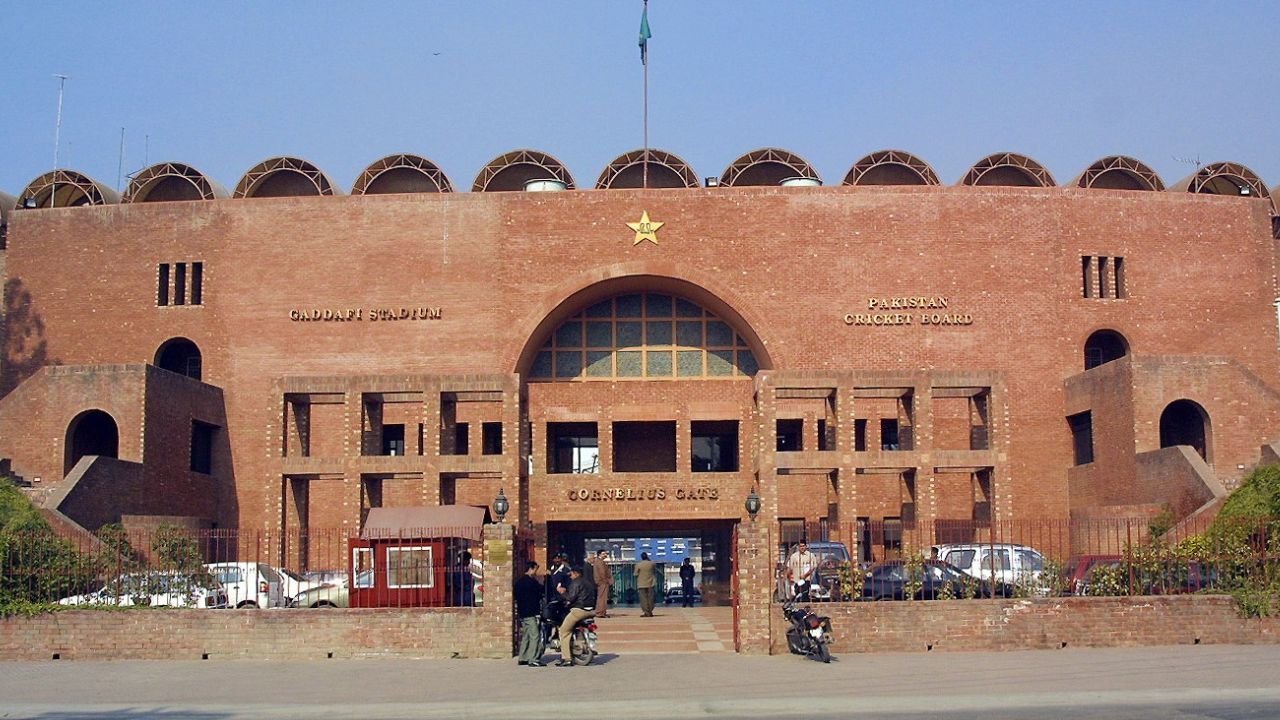
New Zealand is coming for a five-match T20 series in Pakistan on April 14. Both the teams will play three T20 matches at Pindi Cricket Stadium, Rawalpindi on April 18, 20 and 21. The teams will then travel to Lahore where they will play the remaining two T20Is of the series on April 25 and 27 respectively.
All five matches of the T20 series will start at 7:00 PM (PST).
New Zealand has announced their squad while Pakistan’s squad is going to be announced in a couple of days.
Taipei, Taiwan – The earthquake that hit Taiwan’s east on Wednesday morning was “the strongest in 25 years”, said the director of Taipei’s Seismology Centre.
“The earthquake is close to land and it’s shallow. It’s felt all over Taiwan and offshore islands… it’s the strongest in 25 years since the (1999) earthquake,” Wu Chien-fu told reporters, referring to a September 1999 quake with 7.6-magnitude that killed 2,400 people.
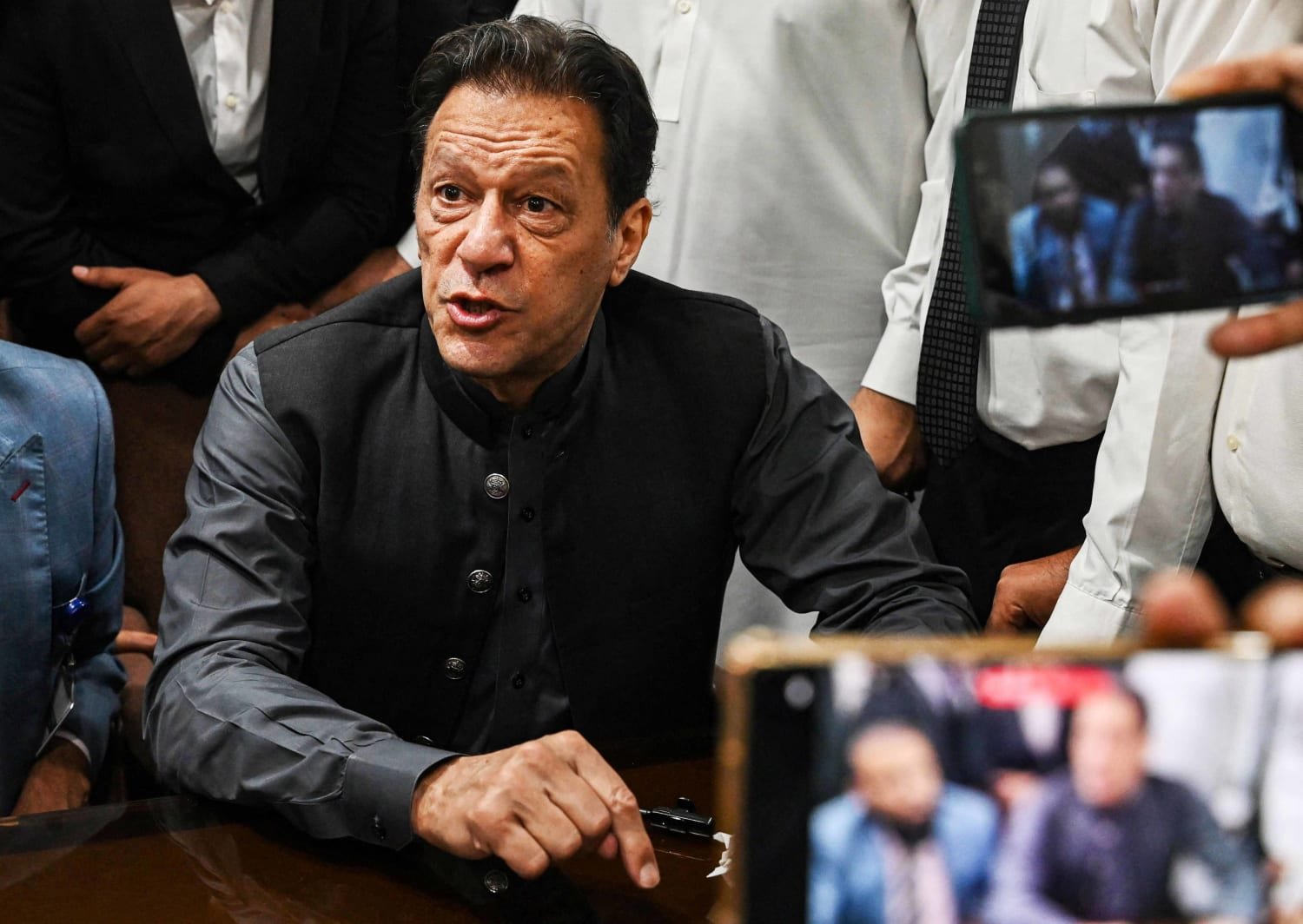
During an interaction with journalists in Adiala Jail today, former Prime Minister Imran Khan lauded the Islamabad High Court (IHC) judges for exposing alleged interference in judicial matters and claiming judges would send him “messages of helplessness” in his cases.
Khan’s statement came after the Supreme Court of Pakistan took a Suo Moto notice of the IHC Judges’ letter to the Supreme Judicial Council urging the body to probe the serious matter.
A one-member inquiry commission was made by the federal cabinet however ex-CJP Tassaduq Hussain Jillani refused to head the said commission after he was chosen to lead it.
Khan remarked, “I salute the judges for raising their voice and hope they will save the country.” He reiterated that everyone knew about the “regime change operation” in 2022 when he was ousted from the government through a no-confidence motion.
The PTI founder gave his views about the Suo Moto notice by the SC and said, “It is a serious matter and should be heard by full court.” However, he remarked that a seven-member bench is better than the commission.
Pakistan Cricket Board (PCB) has decided to revamp several departments, a process that will likely involve appointments and transfers.
According to Geo news sources, many officials will also be relieved after restructuring of the departments. Director Coordination Sajid Hameed is being removed from the post and will be replaced by a new appointment.
Sources say that Chairman Mohsin Naqvi is not happy with recent mismanagement in the board and he has conveyed the message of zero tolerance on mismanagement to everyone.
Pakistan Tehreek-e-Insaf (PTI) founder Imran Khan has removed maverick leader Sher Afzal Marwat from main party roles, ARY News reported on Tuesday.
An internal party source claimed that removing Marwat from key party roles was the decision of the party’s core committee.
Marwat’s name is not on the list of individuals who can meet Imran Khan in Adiala jail anymore. The new focal persons are Umar Ayub, Barrister Ali Zafar, Shibli Faraz, and Barrister Gohar Ali Khan.
Adiala jail authorities are also aware of the development.
After Eid-ul-Fitr, PTI and other opposition parties are going to form an alliance to start an anti-government movement in the country.
Sunni Ittehad Council (SIC), Pakhtunkhwa Milli Awami Party (PkMAP), Majlis-e-Wadhat-e-Muslimeen (MWM), and Balochistan National Party (BNP) will also be part of the opposition alliance.
The local bullion market saw a downturn in its rally on Tuesday, with the price of 24-karat gold dropping by Rs500 per tola to Rs237,100.
This decline comes after a significant increase of Rs19,100 in March, aligning with the upward trend in international gold prices.
According to the Karachi Sarafa Association, the price of 24-karat gold stood at Rs203,275 per 10-gramme, marking a decrease of Rs429 compared to the previous session. Similarly, the price of 22-karat gold was quoted lower at Rs186,335 per 10-gramme.
Meanwhile, silver prices remained steady, with 24-karat silver being sold at Rs2,600 per tola and Rs2,211.93 per 10-gramme.
In the global market, international spot gold continued its upward trajectory, reaching a new peak amid moderated US inflation data.
Gold prices surged to $2,261.03 an ounce on Tuesday, reflecting a 0.42 per cent increase from the previous day’s close.
The US core personal consumption expenditures (PCE) index showed a cooling trend in February, with a month-on-month increase of 0.3 per cent and a year-on-year increase of 2.8 per cent.
Federal Reserve Chair Jerome Powell, addressing concerns about inflation, stated that the recent data did not alter the central bank’s fundamental outlook.
However, he stressed that with the economy showing strength, there was no rush to adjust monetary policy.
Looking ahead, traders are keeping a close watch on Friday’s release of the US nonfarm payrolls report. Another robust jobs report could potentially trigger a pullback in gold prices, as highlighted by Waterer.
Pakistan’s export sector has shown a notable surge, with an 8.93 per cent increase recorded in the initial nine months of the current fiscal year (2023–24) compared to the corresponding period in the previous year.
Data released by the Pakistan Bureau of Statistics (PBS) indicates that exports soared to $22.914 billion from July to March (2023–24), marking a significant rise from the $21.036 billion recorded during the same timeframe in 2022–2023.
Conversely, imports experienced a decline of 8.65 per cent, dropping to $39.944 billion from $43.724 billion in the previous year.
This resulted in a notable improvement in the trade deficit, which amounted to $17.030 billion for the first nine months of the current fiscal year, showcasing a substantial decrease of 24.94 per cent from the $22.688 billion recorded during the corresponding period last year.
Analyzing the performance for March 2024 against March 2023, exports registered a notable uptick of 7.99 per cent on an annual basis, climbing from $2.366 billion to $2.555 billion.
Conversely, imports surged by 25.86 per cent, reaching $4.726 billion compared to $3.755 billion in March 2023.
In terms of month-to-month performance, while exports in March 2024 experienced a marginal decline of 1.08 per cent from February 2024’s $2.583 billion, imports demonstrated a noteworthy increase of 9.25 per cent from the $4.326 billion recorded in February 2024, as per PBS data.
Pakistan, exports, trade deficit, fiscal year 2023–24, economic growth, Pakistan Bureau of Statistics, imports, March 2024, global trade, commerce, trade statistics,
The World Bank’s latest Pakistan Development Update has shed light on the country’s ongoing battle with poverty.
Despite efforts, the poverty headcount rate, measured at the lower-middle-income country poverty line of $3.65/day in 2017 purchasing power parity (PPP), is anticipated to hover around 40 per cent from FY24 to FY26.
The report highlights several key factors contributing to this stagnation in poverty reduction. Weak economic growth, stagnant real labor incomes, and persistently high inflation are cited as primary culprits.
Importantly, the continuation of import management measures and potential cuts in public spending on social sectors are expected to exacerbate the situation.
This could disproportionately affect poorer households, already struggling with depleted savings and reduced incomes.
The combination of chronic inflation and policy uncertainty poses additional challenges, potentially leading to social unrest and negative welfare impacts.
To mitigate these risks, increased targeted transfers are identified as crucial to safeguarding the most vulnerable segments of society.
Moreover, the report warns of potential consequences on education and healthcare. The escalating cost of living, coupled with rising transportation expenses, may result in an increase in out-of-school children and delayed medical treatments, particularly among disadvantaged families.
Food security remains a pressing issue, particularly in rural areas affected by natural disasters such as the 2022 floods.
In 43 rural districts across Khyber Pakhtunkhwa, Sindh, and Balochistan, acute food insecurity is projected to rise from 29 per cent to 32 per cent in the second and third quarters of FY24.
Lastly, the report underscores the persistent challenge of poor air quality and smog during autumn and winter months.
With 71 per cent of the population affected nationwide, these environmental hazards continue to pose significant public health risks.
At least 29 people have been killed in a fire in a nightclub in Turkey, reports the BBC.
The club was in the basement of a high-rise building in Istanbul. It was closed and undergoing renovations during the day.
Speaking to the media, Istanbul governor Davut Gül said the cause of the fire was not yet clear. Gül also said that the victims of the fire were employees, but it is not clear whether they were contractors or employees of the nightclub.
The investigation is underway. Several people have been arrested in connection with the fire as investigations continue. They include the nightclub manager and the manager of the renovations.
The Mayor of İstanbul, Ekrem Imamoglu, offered his condolences on social media.
“May God have mercy on our citizens who lost their lives, and I wish a speedy recovery to our injured,” he said in a post on X, formerly Twitter.
Turkey’s President, Recep Tayyip Erdogan, is aware of the tragedy following a phone call with interior minister Ali Yerlikaya.
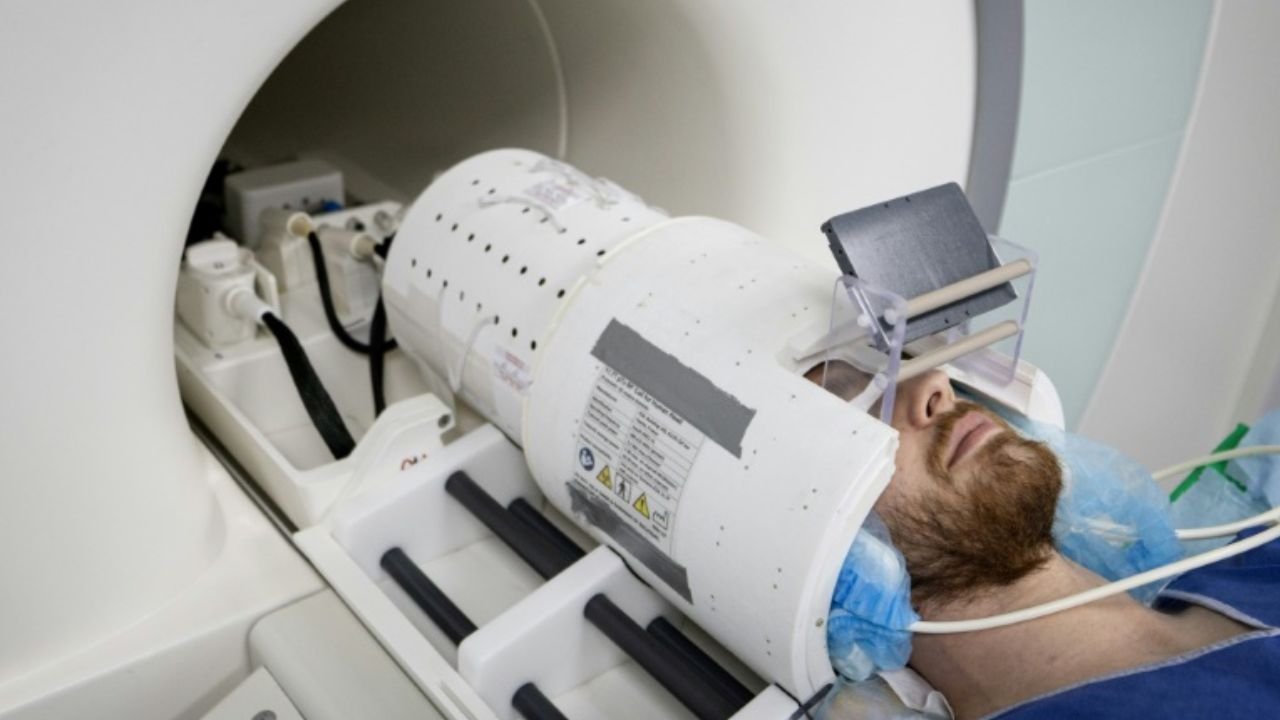
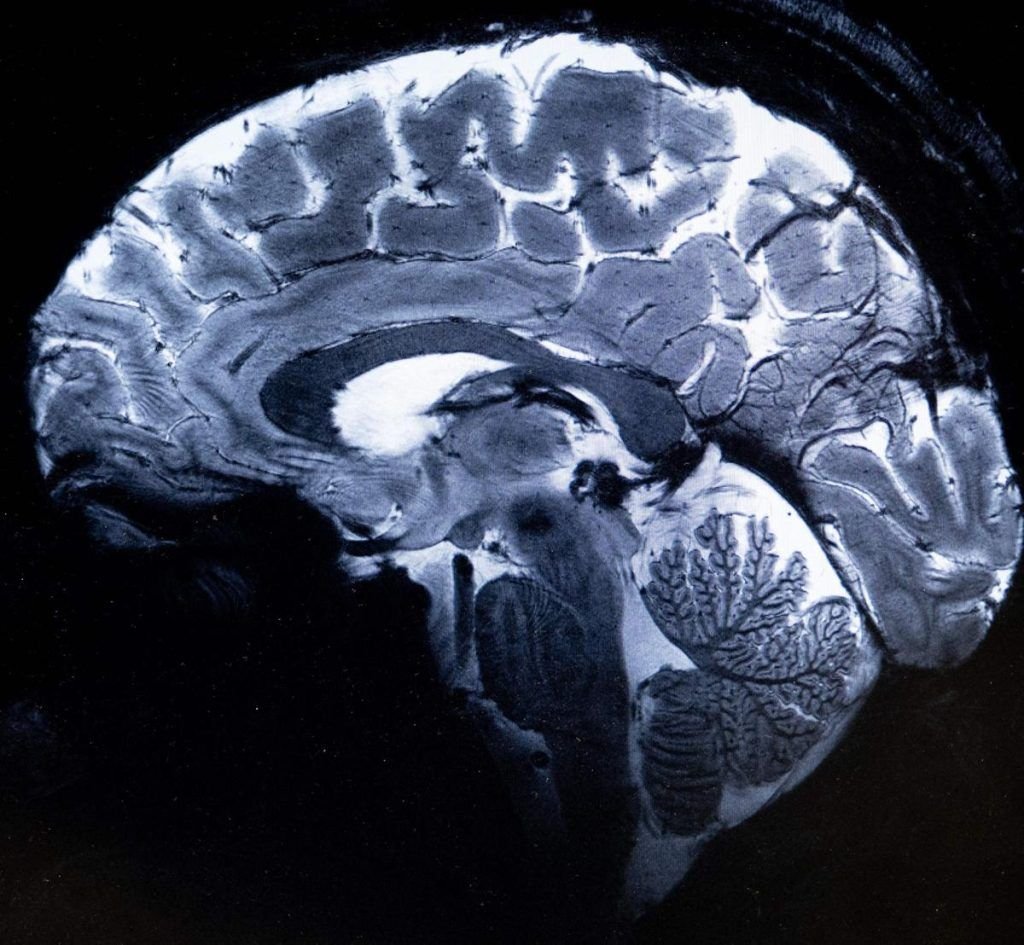
The world’s most powerful MRI scanner has delivered its first images of human brains, reaching a new level of precision that is hoped will shed more light on our mysterious minds — and the illnesses that haunt them.
Researchers at France’s Atomic Energy Commission (CEA) first used the machine to scan a pumpkin back in 2021. But health authorities recently gave them the green light to scan humans.
Over the past few months, around 20 healthy volunteers have become the first to enter the maw of the magnetic resonance imaging (MRI) machine, which is located in the Plateau de Saclay area south of Paris, home to many technology companies and universities.
“We have seen a level of precision never reached before at CEA,” said Alexandre Vignaud, a physicist working on the project.
The magnetic field created by the scanner is a whopping 11.7 teslas, a unit of measurement named after inventor Nikola Tesla.
This power allows the machine to scan images with 10 times more precision than the MRIs commonly used in hospitals, whose power does not normally exceed three teslas.
On a computer screen, Vignaud compared images taken by this mighty scanner, dubbed Iseult, with those from a normal MRI.
“With this machine, we can see the tiny vessels which feed the cerebral cortex, or details of the cerebellum which were almost invisible until now,” he said.
France’s research minister Sylvie Retailleau, herself a physicist, said “the precision is hardly believable!”
“This world-first will allow better detection and treatment for pathologies of the brain,” she said in a statement to AFP.
Lighting up the brain’s regions
Inside a cylinder that is fives metres (16 feet) long and tall, the machine houses a 132-tonne magnet powered by a coil carrying a current of 1,500 amps.
There is a 90-centimetre (three-foot) opening for humans to slide into.
The design is the result of two decades of research by a partnership between French and German engineers.
The United States and South Korea are working on similarly powerful MRI machines, but have not yet started scanning images of humans.
One of the main goals of such a powerful scanner is to refine our understanding of the anatomy of the brain and which areas are activated when it carries out particular tasks.
Scientists have already used MRIs to show that when the brain recognises particular things — such as faces, places or words — distinct regions of the cerebral cortex kick into gear.
Harnessing the power of 11.7 teslas will help Iseult to “better understand the relationship between the brain’s structure and cognitive functions, for example when we read a book or carry out a mental calculation,” said Nicolas Boulant, the project’s scientific director.
On the trail of Alzheimer’s
The researchers hope that the scanner’s power could also shed light on the elusive mechanisms behind neurodegenerative diseases such as Parkinson’s or Alzheimer’s — or psychological conditions like depression or schizophrenia.
“For example, we know that a particular area of the brain — the hippocampus — is implicated in Alzheimer’s disease, so we hope to be able to find out how the cells work in this part of the cerebral cortex,” said CEA researcher Anne-Isabelle Etienvre.
The scientists also hope to map out how certain drugs used to treat bipolar disorder, such as lithium, distribute through the brain.
The strong magnetic field created by the MRI will give a clearer image of which parts of the brain are targeted by lithium. This could help identify which patients will respond better or worse to the drug.
“If we can better understand these very harmful diseases, we should be able to diagnose them earlier — and therefore treat them better,” Etienvre said.
For the foreseeable future, regular patients will not be able to use Iseult’s mighty power to see inside their own brains.
Boulant said the machine “is not intended to become a clinical diagnostic tool, but we hope the knowledge learned can then be used in hospitals”.
In the coming months, a new crop of healthy patients will be recruited to get their brains scanned.
The machine will not be used on patients with conditions for several years.