Blog

  • Indian father welcomes back divorced daughter with a ‘Baraat’

    Indian father welcomes back divorced daughter with a ‘Baraat’

    The father of a divorced daughter in Jharkhand, India, Prem Gupta broke away from all the norms and welcomed back his daughter with a grand procession similar to that of a ‘baraat’. In a viral video of the event, women can be seen chanting and welcoming the daughter with open arms. The beat of a drum follows her as she greets everyone.

    Mr. Gupta posted the video himself with a caption that stated, “When your daughter’s marriage is done with great pomp and show and if the spouse and family turns out to be wrong or does wrong things then you should bring your daughter back to your home with respect and honour because daughters are very precious.”

    As per the details, Sakshi Gupta got married to Sachin Kumar in April. A few days into the marriage she found out that the man was already married twice and that there allegations of harassment were filed against him. Divorce was filed with an alimony of INR 17 lakh that Gupta gave to her in-laws at the time of wedding is to be paid back to her. Sakshi is happy to have such supportive parents and Mr.Gupta has set an example to shatter the stigma around divorce.
  • Kazakhstan puts ban on Hijab in schools

    Kazakhstan puts ban on Hijab in schools

    Kazakhstan government, home to a population with 70 per cent Muslims, has announced a ban on head-scarves for students and teachers in schools and educational institutions.

    “Requirements for the school uniform prohibit the wearing of the hijab, since any attribute, symbol, element in one way or another implies propaganda of the dogma to which they relate. Ensuring the equality of all religions before the law, the principles of secularism do not allow the advantage of any religion,” the Kazakh Government’s website stated on October 16.

    The ban has initiated a fierce debate on different levels of the populace. The Government, however, has maintained that Kazakhstan is a secular country. The opposing group consider the ban a violation of the freedom of expression and conscience.

    Consequently, many students have dropped out of the school. Education Minister Gani Beisembayev confirmed that a total of 150 girls dropped out of school in the Atyarau region, whereas in Turkestan, two men reportedly beat a school director for not allowing the girls wearing hijab to attend lectures.

    As a sign of protest, many are posting videos of burning down their books or pictures of them wearing a hijab stating that they will not trade anything for their right to wearing the head covering.
    A member of Almaty Social Council in Qojaly believes that “First of all, you have to know that the hijab is actually a headscarf with which girls in Kazakhstan were covered from puberty, that is, from the age of 13.There is no religious connotation here. Second, the law enshrines the right to education, and the ban that has been enacted is an artificial barrier to exercising that right. Why do headscarves suddenly prevent Muslim girls from joining secular life? No one is banning the wearing of Christian crosses or tubeteika caps. In fact, we are talking about a certain form of segregation.”

    The Grand Mufti of Kazakhstan, Nauryzbay Kazhy Taganuly, has proposed that the girls who want to wear hijab should join Madrassas or any Muslim Educational institution from grade 10 onwards. So far nobody has objected to this.

    Amidst all this, President Kassym-Jomart has expressed his determination to ensure “freedom of religion” as per the law of his secular state.

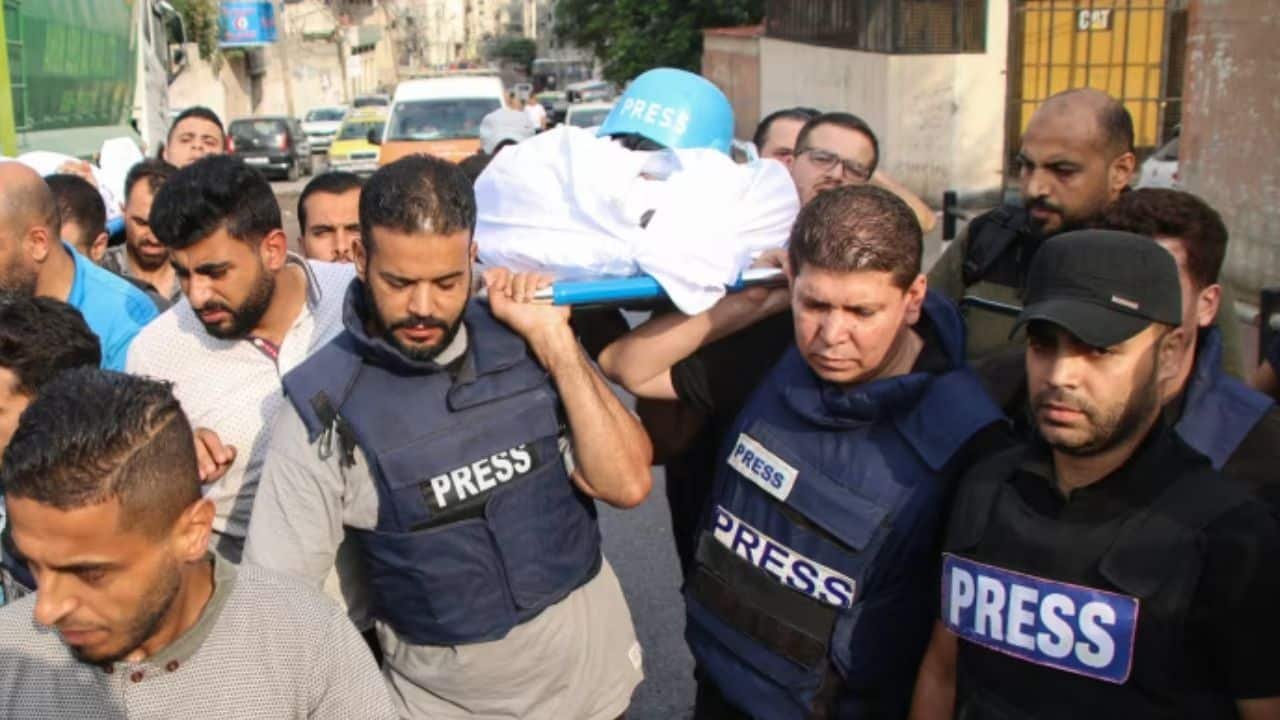
  • 23 journalists killed in Israeli airstrikes since October 7

    23 journalists killed in Israeli airstrikes since October 7

    The Israel-Gaza escalation has resulted in the killings of more than 4,700 people in Gaza —mainly Palestinians — as increasingly heavy Israeli air raids continue following October 7 Hamas attacks on Israel.

    Committee to Protect Journalists (CPJ) has been keeping a track of journalists who have been killed, injured, detained, or missing in the Israeli-declared war.

    Amidst Israeli airstrikes, disrupted communications, and extensive power outages, journalists are at risk at all times as they cover the situation in Gaza.

    As of yesterday, 23 journalists have reportedly been killed, including 19 Palestinians, three Israelis, and one Lebanese.

    The victims are identified as Khalil Abu Aathra, Sameeh Al-Nady, Mohammad Balousha, Issam Bhar, Abdulhadi Habib, Yousef Maher Dawas, Salam Mema, Husam Mubarak, Issam Abdallah, Ahmed Shehab, Mohamed Fayez Abu Matar, Saeed al-Taweel, Mohammed Sobh, Hisham Alnwajha, Assaad Shamlakh, Shai Regev, Ayelet Arnin, Yaniv Zohar, Mohammad Al-Salhi, Mohammad Jarghoun, and Ibrahim Mohammad Lafi.

    Additionally, eight journalists are reported injured and three are missing or detained.

    CPJ has also claimed to have been investigating a number of unconfirmed reports of other journalists being “killed, missing, detained, hurt or threatened, and of damage to media offices and journalists’ home.”

    According to CPJ’s Middle East and North Africa program coordinator, Sherif Mansour, “CPJ emphasises that journalists are civilians doing important work during times of crisis and must not be targeted by warring parties,

    “Journalists across the region are making great sacrifices to cover this heartbreaking conflict. All parties must take steps to ensure their safety.”

  • 62,079 undocumented Afghans repatriated so far

    62,079 undocumented Afghans repatriated so far

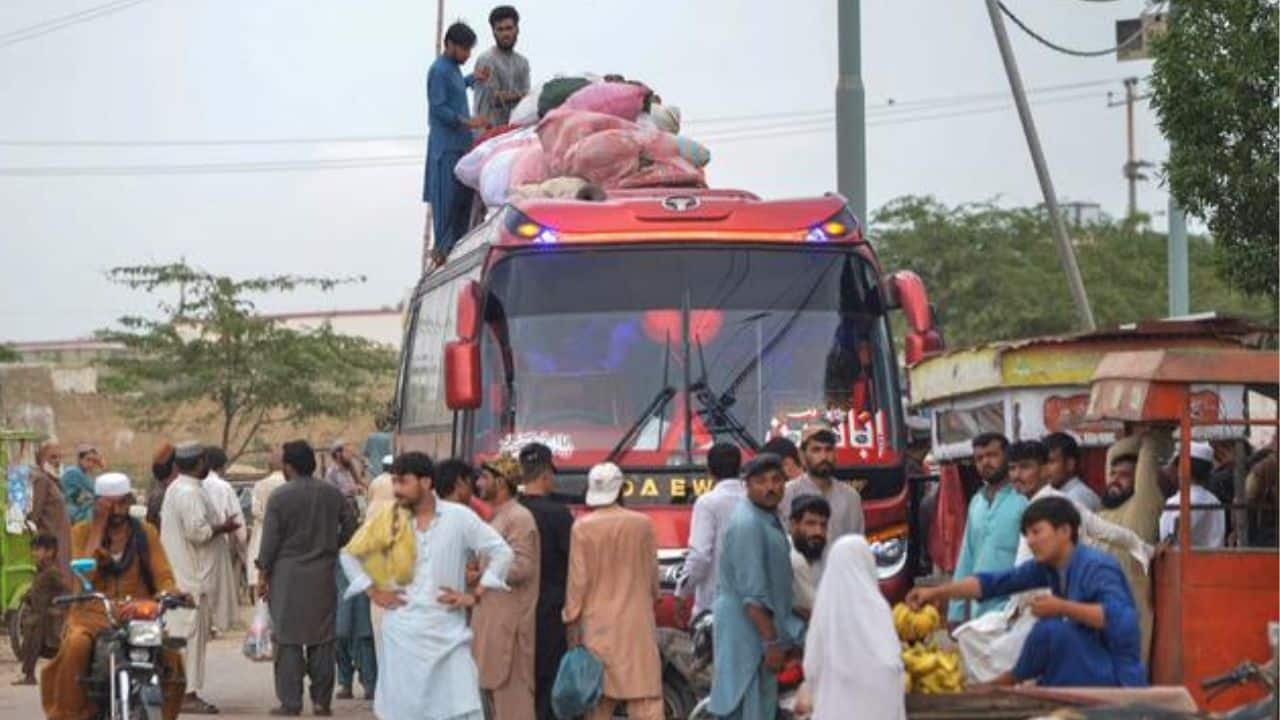
    Many illegal Afghan citizens living in Pakistan are heading back to their homeland by October 31.

    So far, 62,079 undocumented Afghans have been repatriated.

    On October 22 alone, 2518 Afghans went back to Afghanistan.

    Among these 2518 Afghan citizens were 522 men, 218 women and 1778 children.

    Pakistan has accelerated the process of sending back illegal Afghans. As per reports, Afghans in Peshawar, Khyber and other areas have started selling their properties.

    Operations to arrest and deport illegal citizens have been under way.

    On October 4, the caretaker government set November 1 as the deadline for illegal immigrants residing in Pakistan, warning that action will be taken against them after the deadline. The decision was taken during an apex committee meeting on the National Action Plan (NAP) at the Prime Minister’s House.

    “We have given them [foreigners residing in Pakistan unlawfully] a deadline of November 1 to willingly return to their countries and if they don’t, all law enforcement agencies (LEAs) of the state and provinces will deport them,” Interim Interior Minister Sarfraz Bugti had stated at a press conference.

  • Gaza journalist Roshdie Sarraj martyred after Israel airstrike hits his home

    Gaza journalist Roshdie Sarraj martyred after Israel airstrike hits his home

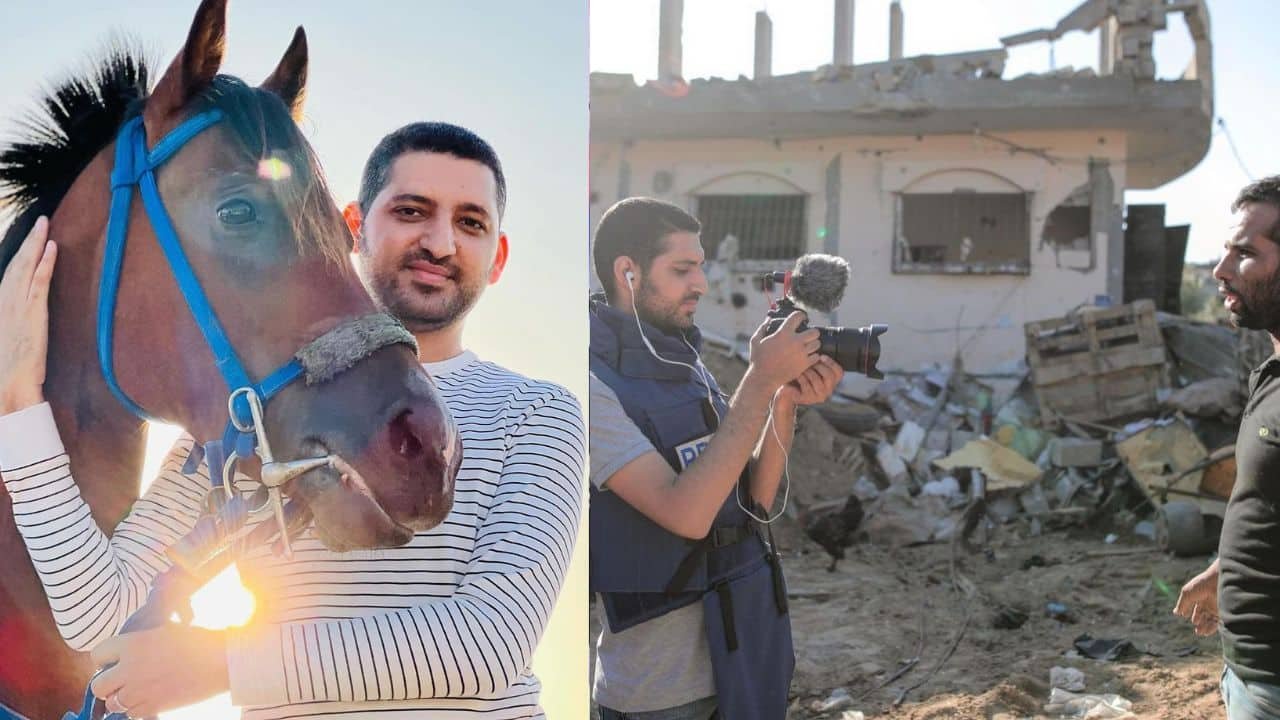
    Palestinian journalist Roshdie Sarraj was martyred on Sunday after Israaeli air strikes bombed his home in Gaza, taking the total number of journalists killed since the beginning of Israel’s war on Gaza to 23.

    In his last Twitter post, Sarraj appealed to the international community to urgently call upon their leaders after another hospital in Gaza Al-Quds received a warning from Israel to evacuate before it is bombed. Currently, the hospital is housing more than 12,000 refugees.

    Putlitzer Prize nominated journalist Wissam Nassar confirmed Sarraj’s death on his Instagram account by writing: “My close friend, Rushdi Sarraj, was killed in Israeli bombardment on his home. He was a talented photojournalist and director creatively telling the stories of Gazans under war and siege. May you rest in peace, Roshdi. Please remember me to all journalists in the heaven, whom Israel killed.”

    Sarraj had actively used his Instagram account to spread awareness of the on-going genocide in Gaza. A recent picture showed how Israel had laid destruction over civilian homes.

    May he rest under Allah’s shade.

  • ‘Last year took away my life’, Arshad Sharif remembered on first death anniversary 

    ‘Last year took away my life’, Arshad Sharif remembered on first death anniversary 

    It’s been a year since the demise of senior journalist Arshad Sharif who was killed in Kenya. The culprits, however, are still at large and the family awaits justice.

    The investigation so far has been futile. According to a Kenyan investigative journalist Nyaboga Kiage, five policemen involved in the case were initially suspended and have now resumed their duties without facing any liability. Two of them have been promoted. 

    Sharif’s death made headlines across the globe. On his first death anniversary, his family and colleagues are remembering him and pressing hard for justice. Journalism organisations are holding prayer ceremonies in his honour, where well-wishers are paying their respects and reflecting on the impact he had on the field.

    Sharif’s wife Javeria Siddique remembers the last twelve months as “last year took away my life”. She stated the struggles she is going through to get justice.

    Sharif’s former boss Salman Iqbal recalled his last conversation with the late journalist, saying, “bhai we are here to make this world a better place and we shall do what we were created for.”

    Fellow journalist Murtaza Ali Shah tweeted, “One year after assassination in Kenya, no justice for Arshad Sharif. Cops involved in firing bullets at him are back to their work.”

    Journalist Jameel Farouqi remembered him as a “big brother” and appreciated Sharif for his “sense of humour”

    His friend Tahir Malik misses him for ‘all the colours in life are lost after him.’

    Arshad’s colleague Kashif Abbasi still “can’t believe” he has lost his friend. It’s beyond ‘heart-breaking” for him. 

    Caretaker PM Kakar, in his meeting with Kenyan President Dr. William Ruto, when Kakar was in China last week, also asked for the process of investigation to be expedited.

    Sharif’s wife has already registered a case against the Kenyan Police in a Nairobi court.

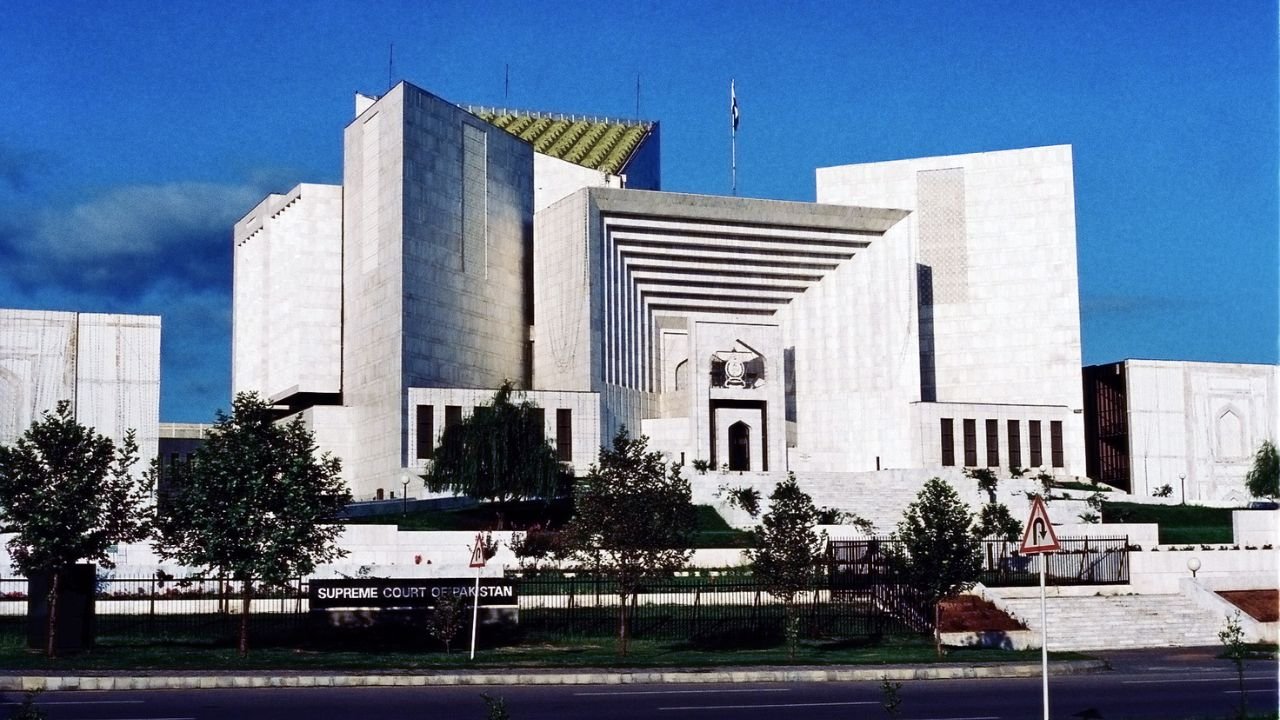
  • Supreme Court declares trial of civilians in military courts null and void

    Supreme Court declares trial of civilians in military courts null and void

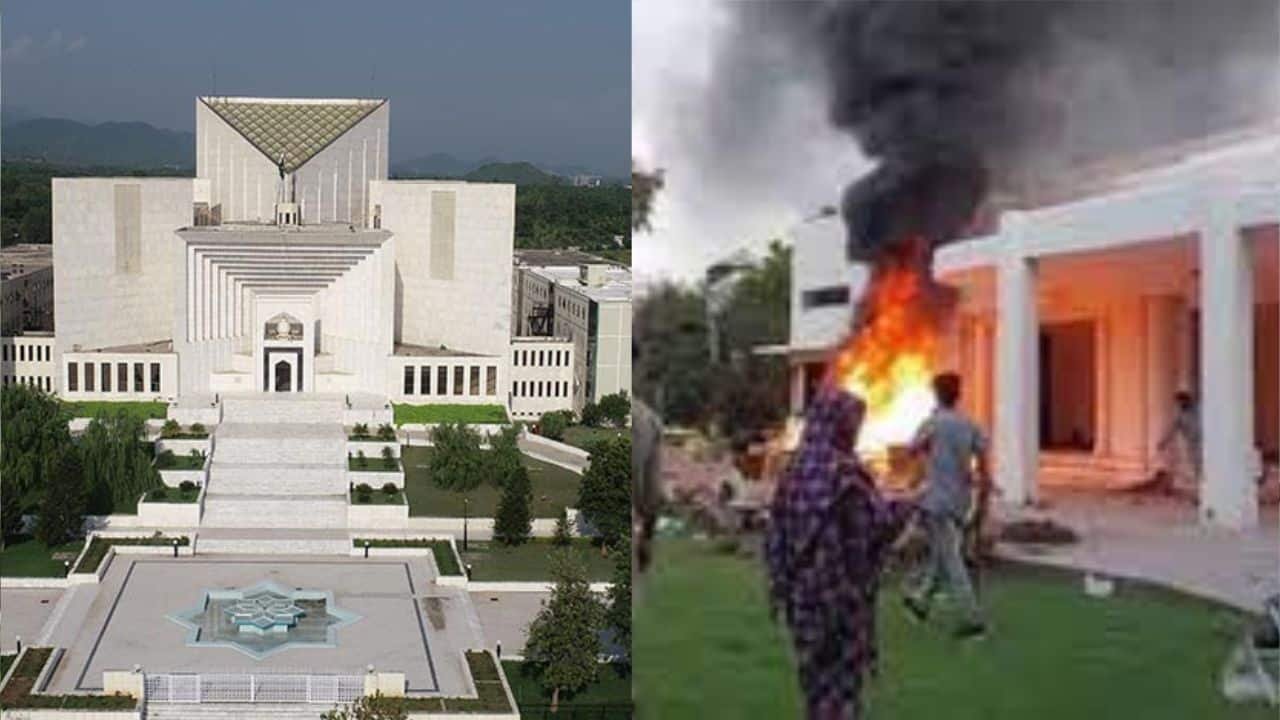
    The Supreme Court (SC) on Monday has declared trials of civilians in military courts null and void.

    A five-member bench of the Supreme Court has announced its decision on applications challenging the military trial of civilians involved in the May 9 riots.

    In the short verdict, the court ordered that 102 individuals detained under the Army Act should face trial in civilian courts. It additionally dictated that any trial of a civilian in a military court is considered invalid.

    The apex court’s bench — headed by Justice Ijaz Ul Ahsan, and comprising of Justice Munib Akhtar, Justice Yahya Afridi, Justice Sayyed Mazahar Ali Akbar Naqvi and Justice Ayesha Malik — heard petitions filed by PTI chief Imran Khan and others on Monday.

    The Attorney General of Pakistan (AGP), Mansoor Usman Awan, completed his arguments and he had focused on jurisdiction of military courts to try civilians under the Army Act.

    The day before, the federal government had notified the top court that military trials of civilians had already begun.

  • Atif Aslam donates Rs1.5 crores for Gaza

    Atif Aslam donates Rs1.5 crores for Gaza

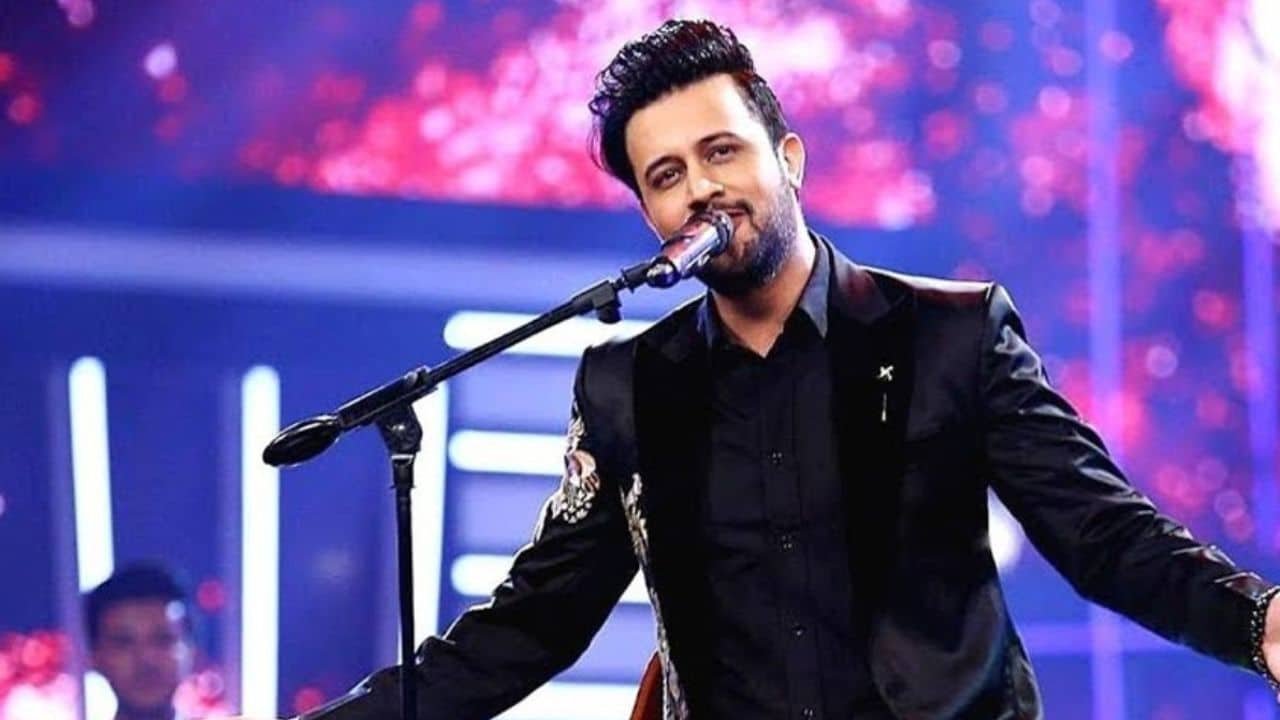
    Atif Aslam continues to prove he’s a hero whether on the stage or behind the scenes.

    The ‘Doori’ singer has won the hearts of Pakistanis with the astounding Rs 1.5 crore donation he made to Al-Khidmat Foundation to provide necessary food and medical aid to the suffering civilians of Gaza living under Israel’s brutal occupation.

    Al-Khidmat Foundation’s post read: “Deep gratitude to the esteemed Atif Aslam for his generous contribution of 15 million PKR towards essential medical and food aid in Gaza, Palestine during these trying times. We humbly request your support for the Alkhidmat Gaza Fund.”

    Fans of the singer expressed their gratitude in the comments section.

    The catastrophe in Gaza is growing with recent reports saying October 23rd was the longest bloodiest nights for the civilians after Israel bombarded several residential areas which included the densely populated Jabalia refugee camp, and areas close to Al-Shifa and Al-Quds hospital, leaving more than 400 dead. This brings the total death toll of Palestinian civilians murdered to 4,651.

  • Indian High Court rejects plea asking for ban on Pakistani artists

    Indian High Court rejects plea asking for ban on Pakistani artists

    In a significant move, the Bombay High Court in India has dismissed a petition that sought to ban Pakistani artists from working in India. According to details, the petitioner in question was cine worker Faaiz Anwar Qureshi, who said that Pakistani artists working in India during the World Cup could reduce job opportunities for Indian artists.

    In his complaint, Faaiz demanded that artists from Pakistan like actors, singers, lyricists or technicians who are being invited by Indian citizens and companies are banned.u

    The bench comprised of Justice Sunil Shukre and Firdosh Pooniwalla rejected the plea, stating that such a move would be a step back in creating cultural harmony and unity between India and Pakistan.

    “One must understand that in order to be a patriot, one need not be inimical to those from abroad especially, from the neighbouring country,” the court responded.

    Previously, Bollywood films involving Pakistani artists were met with extensive fanfare. Khoobsurat released in 2014 starred Sonam Kapoor and Pakistani actor Fawad Khan, was met with praises. Fawad Khan also won ‘Best Male Debut’ at the Filmfare Awards. While Sajal Aly and Adnan Siddiqui’s collaboration with Sri Devi for the 2017 ‘Mom’ received six nominations at the Filmfare awards.

  • 51 per cent people think that Nawaz’s return will help PML-N win next election

    51 per cent people think that Nawaz’s return will help PML-N win next election

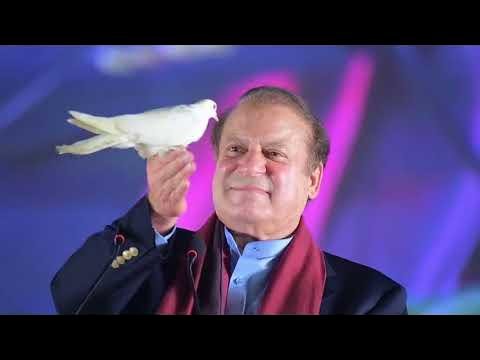
    The political fortunes of Pakistan Muslim League- Nawaz (PML-N) got uplifted after the return of three-time former prime minister and party head Nawaz Sharif, revealed a snap poll conducted by Gallup Pakistan.

    As per a report in The News, a sample of 1000 men and women were selected scientifically from 100 different district across the country.
    The survey included total eight key findings.

    According to the survey, 75 per cent adults of the country said that they have heard about Nawaz Sharif’s return.

    One in three adults said that they have heard the speech of the PML-N supremo, accounting for an audience of 40 million people across Pakistan.

    Thirdly, 80 per cent of the people who heard the speech said that they liked it. On the other hand, 12 per cent said that they didn’t like the speech and eight per cent have mix feelings.

    A total of 50 per cent respondents believed that Nawaz’s comeback to Pakistan would be beneficial for the nation and its people. In contrast, 14 per cent expressed concerns that his return would have a negative impact on Pakistan. Additionally, 18 per cent remained neutral, stating that his return would not affect the lives of the ordinary citizens.

    A key figure of 51 per cent people think that the former prime minister’s return to Pakistan will be helpful for PML-N to win the upcoming general election. On the other hand, 26 per cent people said that Nawaz Sharif’s return will harm PML-N.

    A total of 70 per cent people agreed that Nawaz Sharif should work with other political parties as well, including arch rivals PTI.
    Almost four in 10 respondents believed that Nawaz Sharif’s return to Pakistan was part of a certain deal.

    Lastly, 30 per cent people think that Nawaz Sharif has the ability to take the country out of its current economic situation. Meanwhile, 22 per cent were of the opinion that Imran Khan possessed the capability to alleviate the ongoing crisis in the country.