Tag: Pakistan

  • Blasphemy: what happened to the man who falsely accused 14-year-old Rimsha?

    In August 2012, Rimsha Masih was arrested on blasphemy charges. At the time, Masih was only 14 years old. She had allegedly desecrated the pages of Holy Quran by burning them.

    But what really went down?

    A local Muslim boy, Hammad, had asked Rimsha Masih to hand over the trash bag she was carrying. He inspected it and took the bag to the cleric of the local mosque named Hafiz Mohammed Khalid Chishti. As evidence against the girl, Chishti showed a few burned pages of the Holy Scripture to the police. As this incident came to light, there was a collective outrage from the local Muslims. And as narrated by Mohammad Hanif in an article for The Guardian, 300 local Christian families were forced to escape their residence and seek refuge in a forest in Islamabad.

    Chishti told AFP News that he thought Rimsha had ‘“deliberately” burnt the pages as part of a Christian “conspiracy” to insult Muslims and that action against such activities should have been taken “sooner”.

    Resultantly, minor Rimshah Masih was arrested. She spent more than three weeks on remand in an adult jail. During her trial, her age was evaluated through medical reports that concluded it to be 14 but with a “mental age younger than that”. This supported the claims of Masih being a child with Down’s Syndrome that the accuser’s lawyer rejected stating that the doctors are “favouring the victim and the state is also supporting her”.

    Rimsha was released on bail the following month of September after the police clarified in court that she was not guilty of the accusations made against her and that it was, in fact, the cleric himself who allegedly conspired against the young girl.

    But did Rimsha Masih get justice in the face of a false blasphemy case?

    Following Rimsha Masih’s acquittal, Hafiz Mohammed Khalid Chishti was arrested. Several witnesses against him were taken into record. It was claimed that Chishti had included the Holy Scriptures in the trash bag himself in order to portray Rimsha as the desecrator. The witnesses also claimed that Chishti believed that this was the only way to drive out Christians from their community.

    This meant that Chishti himself was now guilty of desecrating the Holy Scripture. The-then Investigation Officer (IO) Munir Jafferi, while talking to The Express Tribune, said that Chishti could be sentenced to life imprisonment if convicted of desecrating the Holy Book.

    He was sent on 14-day judicial remand under Section 295-B of the Pakistan Penal Code.

    By 2013, Rimsha Masih and her family escaped to Canada because even in her innocence, she was not safe in Pakistan. They were given permanent Canadian residency on “humanitarian and compassionate grounds”.

    All the while, that same year, all witnesses against Chishti withdrew their claims, and thus, the court dismissed all charges against him.

    History of Blasphemy Laws in Pakistan

    In 1860, the British colonisers introduced the Indian Penal Code. It consisted of a chapter that criminalised offences relating to religion in order to counter Muslim-Hindu-Sikh conflict in the Indian Subcontinent:
    Section 295, Injuring or defiling place of worship, with intent to insult the religion of any class
    Section 296, Disturbing religious assembly
    Section 297, Trespassing on burial places, etc.–Whoever, with the intention of wounding the feelings of any person (Section 297)
    Section 298, Uttering words, etc., with deliberate intent to wound religious feelings

    But in 1927, the laws buoyed out as vague clauses were added in the Penal Code, further deregulating the conflicts. As per 295 A, “Deliberate and malicious acts intended to outrage religious feelings of any class by insulting its religion or religious beliefs” was also a punishable offence.

    It is to note that the maximum punishment under these laws was from one year to a maximum of 10 years in jail, with or without a fine.

    In some instances, people took the law into their own hands. A case often recounted from the pre-partitioned India is of an objectionable book on Islam. It was written by a man named Pandat Chamupatt but anonymously published. The publisher was a journalist, Mahashe Rajpal, who owned a publishing house called ‘Rajpal & Sons’.

    The book was deemed as blasphemous by Muslims. Lawsuit against the publisher was filed under section 153 A: “Promoting enmity between different groups on ground of religion, race, place of birth, residence, language, etc.” Punjab High Court in Lahore, however, acquitted the publisher of the charges on “technical grounds” since the law did not highlight ‘adverse discussions of the life and character of a deceased religious leader’.

    The British Raj then made amendments to the law and included section 295-A to punish “deliberate acts intended to outrage religious feelings of any community… by words, either spoken or written”.

    The acquittal, nonetheless, led to protests, criticism, and threats; and after several failed attempts, the editor of the publishing house was assassinated in 1929.

    The next reported case was in Karachi in 1934. Nathu Ram, an active member of Arya Samaj, too, had allegedly written an objectionable book on the history of Islam.

    This, once again, prompted an angry reaction by the Muslims. After a trial, he was imprisoned for a year and fined for his offence. Ram had filed an appeal in the court but during one of his hearings in March 1936, he was attacked and killed.

    His killer was a man named Abdul Qayum from Hazara from the North West Frontier Province (now Khyber Pakhtunkhwa). Muslims back then gave him the status of Ghazi and a shrine was built after his death.

    Even then, however, killings over blasphemy were comparatively a rarity.

    Post-1947, with Muslims and Hindus officially divided, the anti-blasphemy laws remained intact in Pakistan.

    These laws were cemented under the dictatorship of General Zia-ul-Haq.

    General Zia made changes to the Penal Code and added five new clauses between 1980 to 1986, including:
    295 B, which criminalises the desecration of the Quran.
    295 C, which criminalises with life imprisonment or the death penalty any direct or indirect desecration of Prophet Muhammad (PBUH).
    298 A, which criminalises direct or indirect desecration of wives and relatives of Prophet Muhammad (PBUH).

    At first, section 295-C only contained life imprisonment as the punishment for blasphemy but it was replaced with death penalty as the parliamentarians pushed it on the basis of ijma (consensus of Islamic scholars). The Federal Shariat Court (FSC), too, defended the death penalty for blasphemy even though four out of seven ulemas that were consulted by the FSC opposed the ruling. The opponents of the death penalty included Jamaat-e-Islami’s founder, Maulana Maududi; head of the Barelvi sect, Ahmad Raza Khan; and the head of the Deobandi sect, Mahmood Deobandi.

    They all agreed that blasphemy was a pardonable offence and that “death penalty cannot be given for single offences”.

    In 2010, Dawn published an article tracing the qualitative results of the anti-blasphemy laws. While less than 10 cases of blasphemy were reported between 1927 and 1986; post-1986, as many as 4,000 cases were recorded. Then, between 1988 and 2005, 647 people were charged out of which 50 percent were non-Muslim. More than 20 people have been murdered for alleged blasphemy.

    49 per cent of 361 cases of blasphemy offences registered between 1986 and 2007 were against non-Muslims even though non-Muslims make less than four per cent of the total population.

    The situation began to worsen in 2011 with the murder of former governor of Punjab, Salmaan Taseer, who was vocal against the anti-blasphemy laws and supported Asia Bibi who was then given death penalty for committing blasphemy (but acquitted in 2019). Taseer’s killer, Mumtaz Qadri, was arrested and was later hanged but he became a hero to many who hailed him for his deed. More than 100,000 people attended his funeral and his shrine is still visited by hundreds.

    Lawyer Asad Jamal recalls the day after Salmaan Taseer’s death. He was on Mall Road, Lahore, where he spoke with sepoys regarding Taseer’s murder. “No one wanted to condemn the act”, he still remembers. “It was very telling of the direction the country was heading towards.”

    Since 2011, the number in cases, accusations, and killings have increased. In a report by Centre for Research and Security Studies (CRSS), as of 2021, 43 people have been extrajudicially killed since 2011 and 1,185 accused.

    When it comes to the role of lawyers and judges in blasphemy cases, Jamal believes that it is simply reflective of the socio-political situation of Pakistan. The state of affairs have worsened over the past 20 years. Apart from frail economy and political rifts, there is a major element of fundamentalism that comes in the shape of parties like TLP and their massive support.

    “Such an environment doesn’t encourage a lot of lawyers to take up blasphemy cases.”

    He also adds that very few lawyers have “worthwhile legal skills” to take up blasphemy cases. Many simply do not want to deal with these issues. People like Asma Jahangir and Abid Hasan Minto were not mainstream but exceptions. Apart from being courageous, they were competent. “But now, the times have changed,” he adds.

    Peter Jacob, a human rights activist and the director of Centre for Social Justice (CSJ), says that while some politicians condemn violence against the minorities like the recent Jaranwala case, it, nonetheless, always has a cost one has to bear due to the sensitivity of the matter.

    While talking about the youth belonging to religious minorities, Jacob has noticed a segment within Christians and Hindus who are actively participating in political discussions on- and offline. The examples are the recent protests held in various cities across Pakistan, including Karachi, Lahore, Swat, Kurram district, and Rawalpindi against the Jaranwala incident.

    “I am quite impressed by their sense of belonging and their affiliation with the case of a better Pakistan, their respect for human rights and democracy. Civil liberty will play a role of a natural healer — healing of the society and articulation of the way forward out of these troubled times,” he added.

    Jacob, however, believes that there has to be resolve at the national level by powerful quarters to understand the height of radicalisation that has taken place in order to control the lethality of the problem. “While there is political fragmentation, a free and fair atmosphere must be created where political forces can play their role and come up with people-centric solutions that will entail the process of self-healing and accountability.”
  • Tuesday 11AM to decide Khan’s fate as court to announce the Toshakhana appeal verdict

    The Islamabad High Court (IHC) will resume hearing today of former Prime Minister Imran Khan’s petition seeking suspension of sentence by the trial court in the Toshakhana case.

    A two-member bench, comprising Chief Justice Aamer Farooq and Justice Tariq Mehmood Jahangiri, is hearing the case, and in today’s hearing, the Election Commission of Pakistan’s (ECP) lawyer Amjad Parvez will give his arguments, as he was not present in the last hearing on Friday because of health reasons.

    On the request of his assistant lawyer, the court postponed the hearing until today (Monday). Due to the lawyer’s unavailability, the court also instructed the electoral authorities to make other arrangements.

    Pakistan Tehreek-e-Insaf (PTI) attorney, Latif Khosa, finished his arguments in the last hearing.

    The IHC will announce the verdict tomorrow (Tuesday) at 11am.

    Earlier, Judge Humayun Dilawar sentenced Imran Khan to three years imprisonment and fined him one lakh rupees. According to the judgement, “Charges of misdeclaration of assets have been proven against the PTI chairman.”

  • ‘Bijli k mehngay bills ki handi PDM hakoomat ny pakai’, says Saira Bano

    ‘Bijli k mehngay bills ki handi PDM hakoomat ny pakai’, says Saira Bano

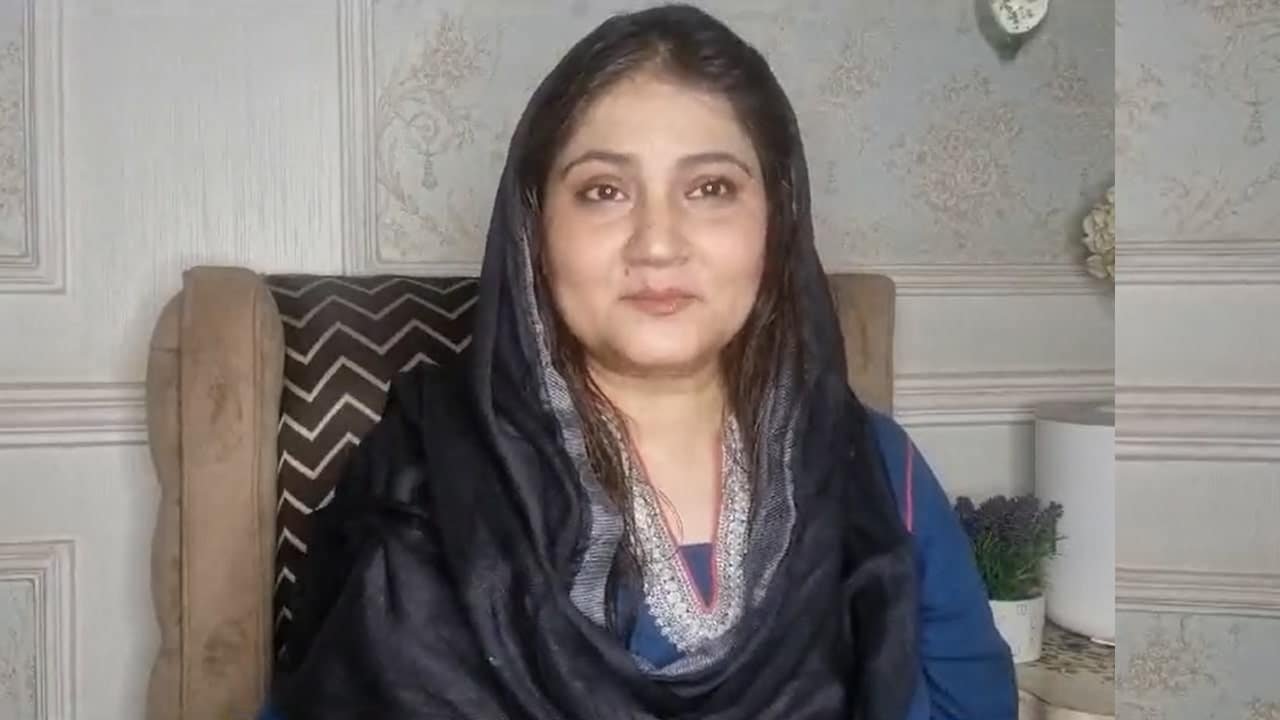
    Senior leader of the Grand Democratic Alliance (GDA), Saira Bano, has asked in her video why parties who have been in government for the past 16 months, are calling for protests against high electricity bills, terming the action “incomprehensible”.

    The Pakistan Democratic Movement (PDM) government is responsible for inflation as well as the “handi” of high electricity bills, Bano stated.

    She further said in her video that every citizen is facing difficulty paying their electricity bill, stressing that the situation is the same for rich and poor in Pakistan due to inflation.

    On the other hand, Pakistan Peoples Party (PPP) has directed party workers to take part in the protests against exorbitant electricity bills and become the “people’s voice,” Geo News has reported.

    Secretary General (SG) of PPP, Syed Nayyer Hussain Bokhari, instructed workers on Sunday to protest at the union council and tehsil levels.

    According to Nayyer Bokhari, every citizen of the country is worried about the electricity bill. He further added, ” PPP workers should become the voice of the people and start protesting against inflated electricity tariffs”.

    The protests started across the country because of exorbitant electricity bills, with protesters demanding a reduction in their electricity bills as well as the removal of extra taxes on utility bills. The protesters also mentioned that they would not pay their bills if their demands were not met.

    Earlier, the Jamaat-e-Islami (JI) announced on Saturday that it would stage a protest against the exorbitant electricity bills.

    Read More: PM Kakar sets 48-hour deadline for relief plan amid electricity bill protests

    Addressing a seminar in Lahore, JI Ameer Sirajul Haq lashed out at political opponents and the caretaker government, saying, “The caretaker government is following the footsteps of the previous governments in terms of taking wrong decisions for the sake of the country.”

  • ‘No one was available’: Ali Rehman on why transgender actors weren’t hired for Guru

    ‘No one was available’: Ali Rehman on why transgender actors weren’t hired for Guru

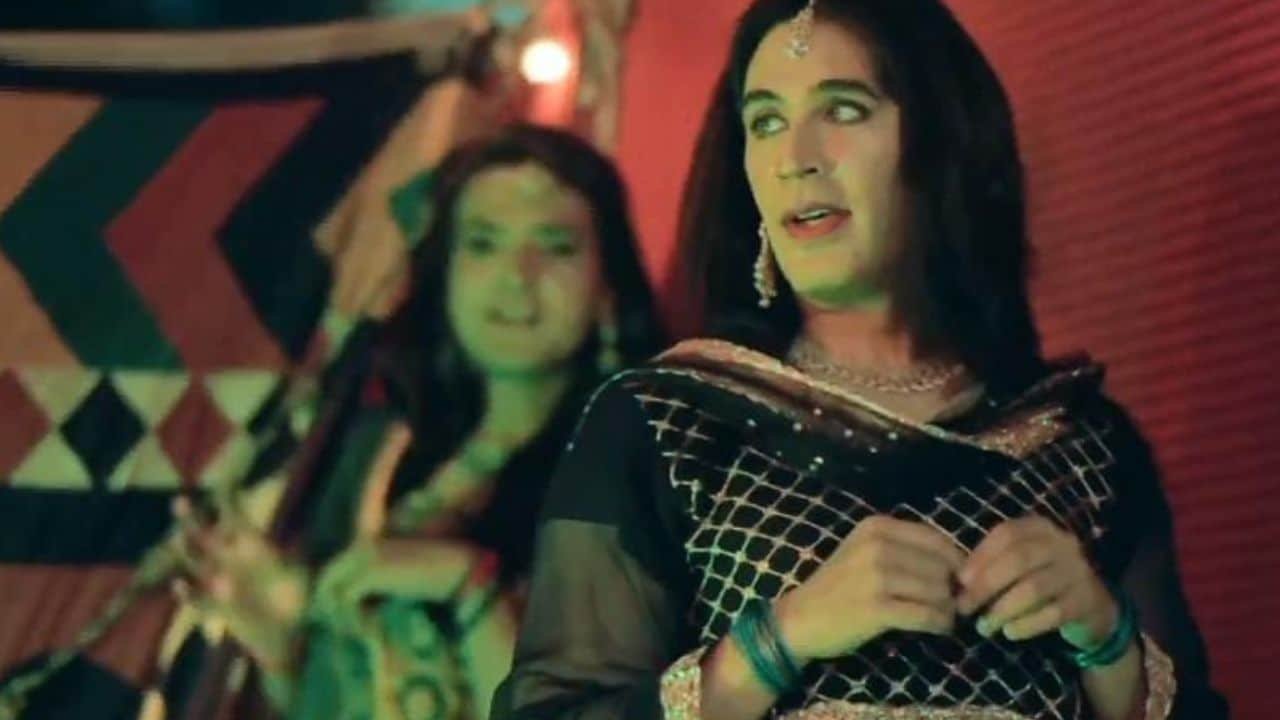
    Actor Ali Rehman Khan is currently playing the role of a transgender woman in the Express Entertainment drama ‘Guru’. The drama is facing intense backlash from social media users, especially transgender activists like Shahzadi Rai, who condemned the limited spaces allowed to members of the transgender community within the entertainment industry to be able to tell their own stories.

    Speaking to The Current, the activist expressed her dismay at how cis men were constantly taking up roles about people belonging to the third gender, and used the incorrect term used to describe the community like ‘intersex’.

    “People who do not want to declare themselves as intersex, why are you pushing the label on them? And roles that are about the third gender, you should give them to people who identify under it. A man’s role would be played by a man, while a woman’s role would be played by a woman.”

    READ MORE: Transgender activist Shehzadi Rai, Twitter users criticise ‘Guru’ for hiring cis man to play intersex character

    Several social media users also pointed out that films like ‘Joyland’ which starred transgender actress Alina Khan were met with intense backlash and banned in the country, but it was dramas like ‘Guru’ which were not met with the same scrutiny since members of the transgender community aren’t involved in production.

    Speaking to BBC Urdu, the actor has come forward to address these allegations, saying that despite the studio’s best efforts, they couldn’t find transgender actors to take on the role, and encouraged more members of the community to come into the field.

    “We were planning that one or two of the chelas in the show should be members of the transgender community. But we did a lot of auditions and couldn’t find any actors. And with a huge production there is a lot at stake, since you have to shoot for 40-50 days. You can’t just rely on one actor: you have to have a cohesive list.”

    The actor went on to express his desire to see more transgender people coming into acting, who can play these kinds of roles even more efficiently than he has.

    The actor also elaborated on how he had prepared for the leading role, revealing the process involved. He spoke with members of the transgender community, along with watching documentaries and movies related to the topic.

  • New dengue cases reported across Punjab

    New dengue cases reported across Punjab

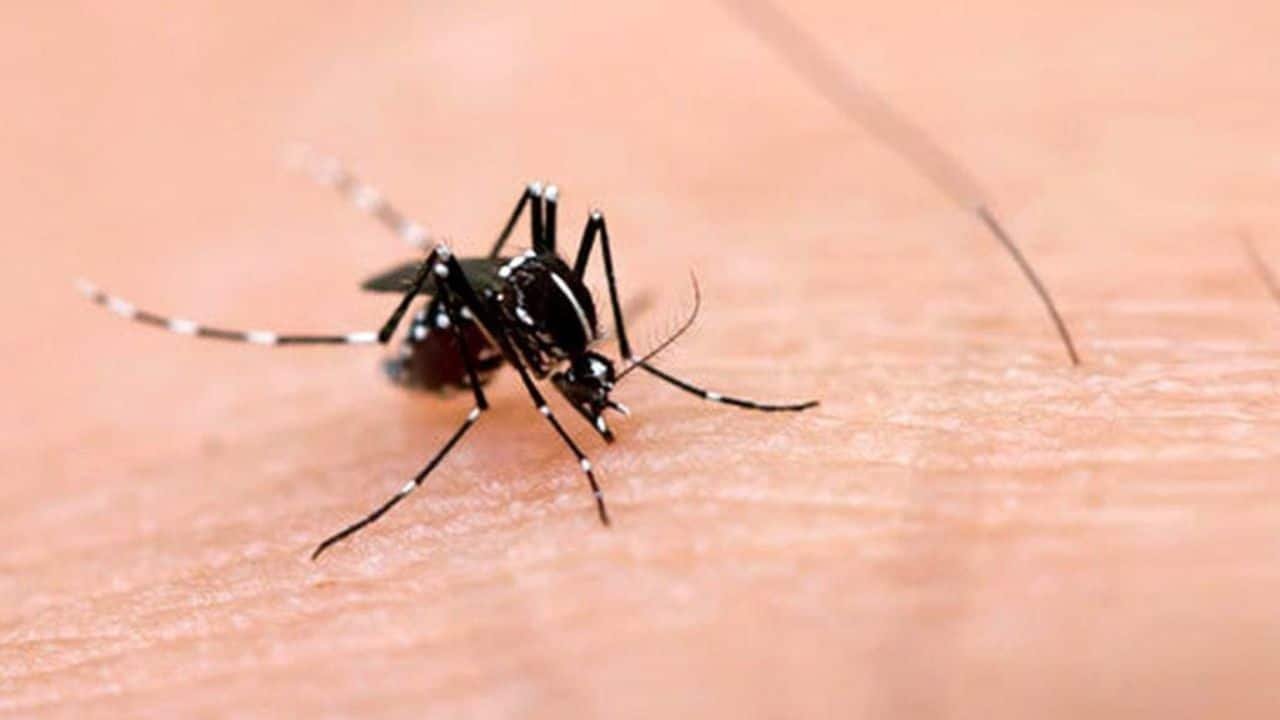
    New cases of dengue are being reported across Punjab. In Lahore alone, 18 confirmed cases have been reported in the past 24 hours while 83 confirmed cases were reported in less than a week.

    According to Dunya News, more than 30,000 dengue hotspots were found in the city by the government officials. Doctors are advising people to strictly follow standard operating procedures (SOPs).

    Similarly, dengue cases in Rawalpindi crossed 100 last week with at least 13 more patients diagnosed in the last 24 hours while 63 FIRs registered, 18 tickets issued, and 28 premises were sealed.

    District Coordinator Epidemics Prevention and Control Dr Sajjad Mehmood said the Rawalpindi administration registered as many as 1,802 FIRs on violations of anti-dengue SOPs from January 1 to date in various areas of the district.

    The Express Tribune has reported that the district administration, in collaboration with allied departments, had sealed 438 premises, issued tickets to 646 and a fine of Rs31,33,000 was imposed on violations of dengue SOPs in 2023.

    On August 23, Business Recorder reported that up till now, since January 1, 2023, a total of 678 confirmed dengue cases had been recorded in all the 36 districts of Punjab but fortunately there have been no deaths.

    Punjab Minister for Primary and Secondary Healthcare Dr Jamal Nasir has stated that on directions of caretaker Chief Minister Punjab Mohsin Naqvi, special dengue centres have been established in district and tehsil headquarters hospitals, which will provide free treatment to dengue patients.

    Dr Nasir has also claimed that larva monitoring has been increased throughout Punjab and strict legal action will be taken against the violators.

  • India appoints first-ever female chargé d’affaires in Pakistan

    India appoints first-ever female chargé d’affaires in Pakistan

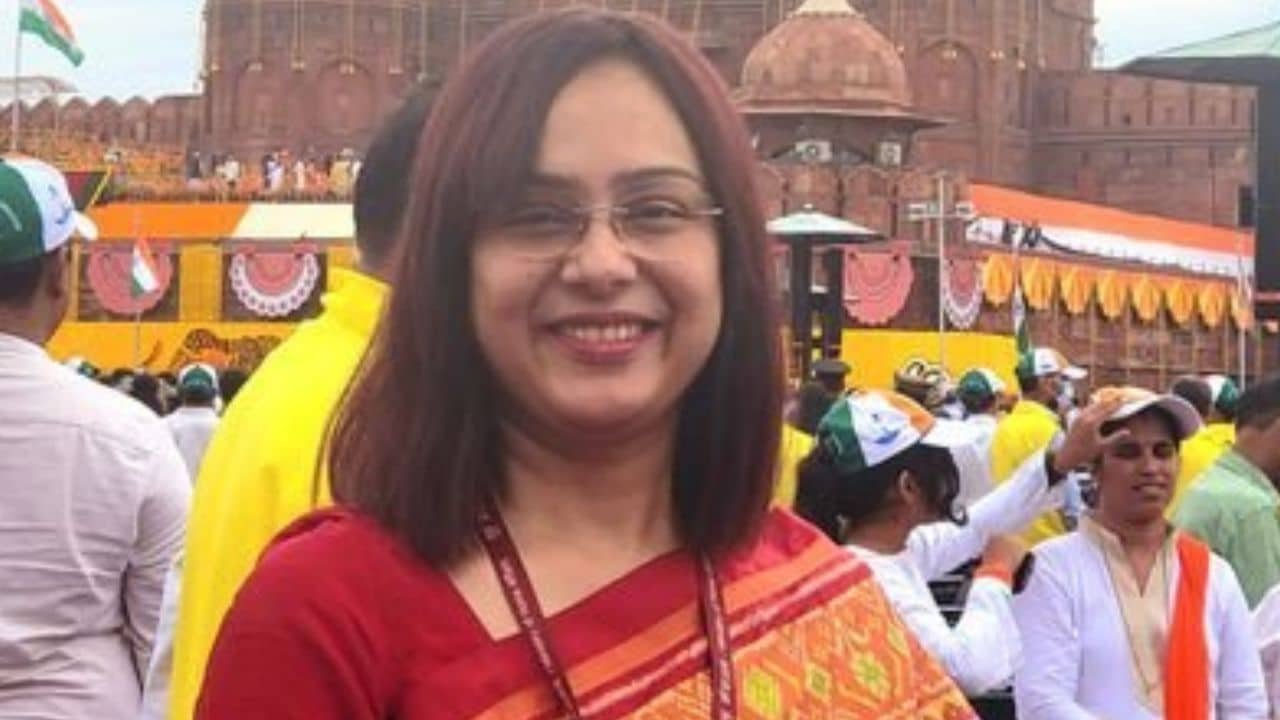
    Geetika Srivastava will be the first-ever female chargé d’affaires (an ambassador’s deputy) appointed by the Indian High Commission in Islamabad, reports The News.

    She was appointed soon after the designation of the United Kingdom’s first female high commissioner to Pakistan.

    Following the friction in the bilateral relations between Pakistan and India in 2019, no full-time high commissioner has been posted in Islamabad or New Delhi, and instead, junior diplomats are posted as chargé d’affaires.

    The last Indian High Commissioner in Islamabad, Ajay Bisaria, was removed in 2019 after Pakistan decided to downgrade diplomatic ties over India’s revocation of the special status of Indian Illegally Occupied Jammu and Kashmir (IIOJK).

    Some of the qualified Indian high commissioners serving in Islamabad departed and were promoted as foreign secretaries in India.

    Who is Geetika Srivastava?

    Geetika Srivastava is from the 2005 batch of the Indian Foreign Service (IFS).

    She speaks Chinese (Mandarin) fluently and has previously been appointed in China for an assignment. Originally from Uttar Pradesh, she has also served as Regional Passport Officer in Kolkata and Director in the IOR Division of the Ministry of External Affairs.

    She is currently a Joint Secretary in charge of the Indo-Pacific Division in the Ministry of External Affairs, New Delhi. The Indo-Pacific Division of the Ministry of External Affairs (MEA) looks after India’s multilateral diplomacy with ASEAN, IORA, FIPIC, and other entities in the Indo-Pacific region.

  • ‘Nawaz Sharif’s health is not good, he might not come’: PPP’s Khursheed Shah

    ‘Nawaz Sharif’s health is not good, he might not come’: PPP’s Khursheed Shah

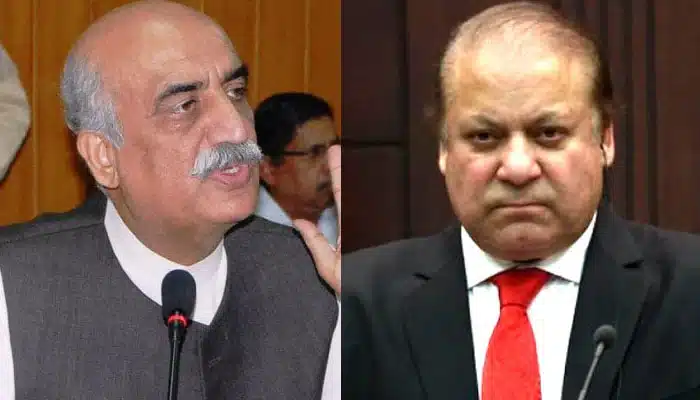
    Pakistan People’s Party (PPP) senior leader Khursheed Shah said on Sunday that the health of Pakistan Muslim League-Nawaz (PML-N) supremo Nawaz Sharif is not good, and he doesn’t think that Nawaz Sharif is coming to Pakistan in October, Geo News has reported.

    Nawaz went to London in November 2019 for medical treatment, and has been living there since then.

    Khursheed Shah said that Nawaz Sharif has no plan to return to the country soon, as his health cab deteriorate at the last moment. It seemed that he was being sarcastic about Sharif.

    Earlier, former Prime Minister Shehbaz Sharif said that his elder brother, Nawaz Sharif, will return to Pakistan next month and face the law. It will be a major development if Nawaz Sharif comes back, as the upcoming elections are going to be held very soon.

  • Medicine shortage in Lahore; which ones are being hoarded?

    According to Dawn.com, Lahore is experiencing a severe shortage of life-saving medicines with more than 120 drugs unavailable at the local pharmacies and medical stores. The shortage has resulted in stress among patients and attendants.

    These include medicines like Glucophage (for diabetics) that are prescribed at a large scale. In fact, an alternative to Glucophage for type 2 diabetes to control sugar levels, is also in short supply in local stores.

    Others include blood thinning medicines used by cardiac patients; Hepa-Merz used as a supportive therapy for liver diseases like jaundice, hepatitis (infection of the liver), hepatic cirrhosis (scarring/fibrosis of the liver).

    According to medical practitioners, medicines for diarrhea treatment are also in short supply even though the demand is high following rain spells. Severe stomach-related ailments can lead to complications and even death.

    Moreover, as per medical practitioners, widely-used drugs prescribed to children and adults for coughs are being sold in the black market and that pharmacy owners are hoarding commonly used medicines like Pyodine and Polyfax skin ointment etc to earn unjustified profits.

    Pharmaceutical companies are also struggling with drug manufacturing and supplying them against the approved rates due to the frequent dollar rate hike. This has also resulted in increased prices of raw material being imported from other countries.

    Additionally, medicines for Parkinson’s disease, epilepsy, and gynae-related complications are also short.

  • Bara Kahu police rearrest Imaan Mazari outside Adiala Jail

    Bara Kahu police rearrest Imaan Mazari outside Adiala Jail

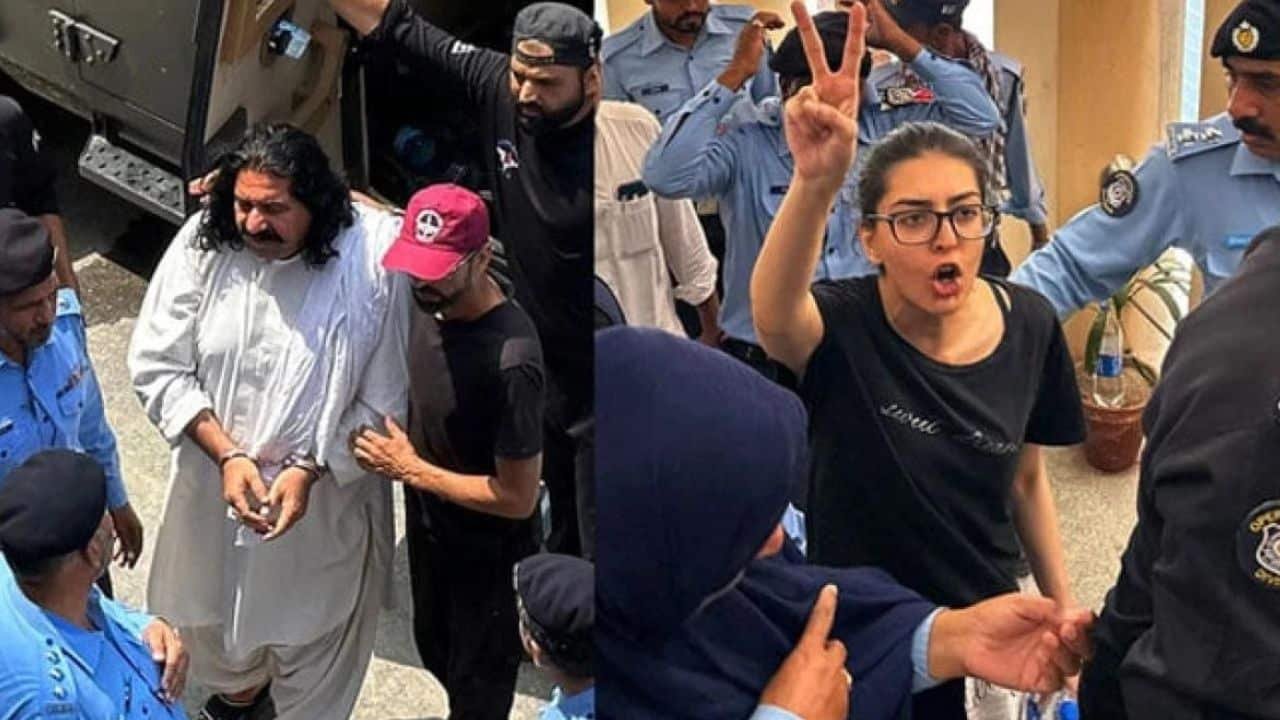
    Human rights lawyer Imaan Mazari has been arrested by the Bara Kahu police Islamabad outside Adiala Jail after getting bail from ATC this morning. According to her lawyer, no new FIR or arrest warrant has been shared with them.

    On Monday morning, an Islamabad Anti-Terrorism Court (ATC) has granted bail to human rights lawyer Imaan Zainab Mazari-Hazir and Pashtun Tahafuz Movement (PTM) leader Ali Wazir in a sedition case related to controversial speeches allegedly made against state institutions at PTM’s public rally.

    The two were arrested on August 20 and sent on physical remand after they were accused of delivering a controversial speech.
    ATC Judge Abual Hasnat Zulqarnain heard the plea and approved post-arrest bail of Imaan and Wazir against surety bonds of Rs30,000 each.

    On August 19, two first information reports (FIR) were registered against Imaan and Wazir at the Tarnol police station and Counter-Terrorism Department police station.
    Both were booked on the charges of sedition, preventing government officials from carrying out their duties and damaging public property.

    The cases so far

    Two first information reports (FIR) have been registered against Wazir and Imaan.

    The first FIR was registered on the complaint of Tarnol Station House Officer (SHO) Mian Mohammad Imran who was present at Tarnol Phatak chowk to ensure peace during a rally led by PTM. According to the complainant, the rallly devaited from the allocated area violating no-objection certificate

    The FIR was filed under Sections 148 (rioting armed with a deadly weapon), 149 (unlawful assembly), 186 (obstructing public servant in discharge of public functions), 188 (disobedience to order duly promulgated by public servant), 341 (punishment for wrongful restraint), 353 (assault or criminal force to deter public servant from discharge of his duty), 395 (punishment for dacoity), 440 (mischief committed after preparation made for causing death or hurt) and 506ii (criminal intimidation) of the Pakistan Penal Code (PPC).

    The SHO has claimed that the participants, numbering about 700-800, were armed with sticks and attacked the police, official vehicles, and shut down shops when asked to restore access to GT road that they had blocked.

    The second FIR was registered under the complaint of Inspector Mohammad Ashraf who was present when about 950 PTM supporters blocked GT road. He said that people including Manzoor Pashteen and Iman Mazari spoke against the state, inciting hatred and revolt. The second FIR was registered under PPC Sections 124A (sedition), 148 (rioting, armed with deadly weapon), 149 (every member of unlawful assembly guilty of offence committed in prosecution of common object) among others.

  • Pakistani doctor jailed in US for attempting to aid ISIS

    Pakistani doctor jailed in US for attempting to aid ISIS

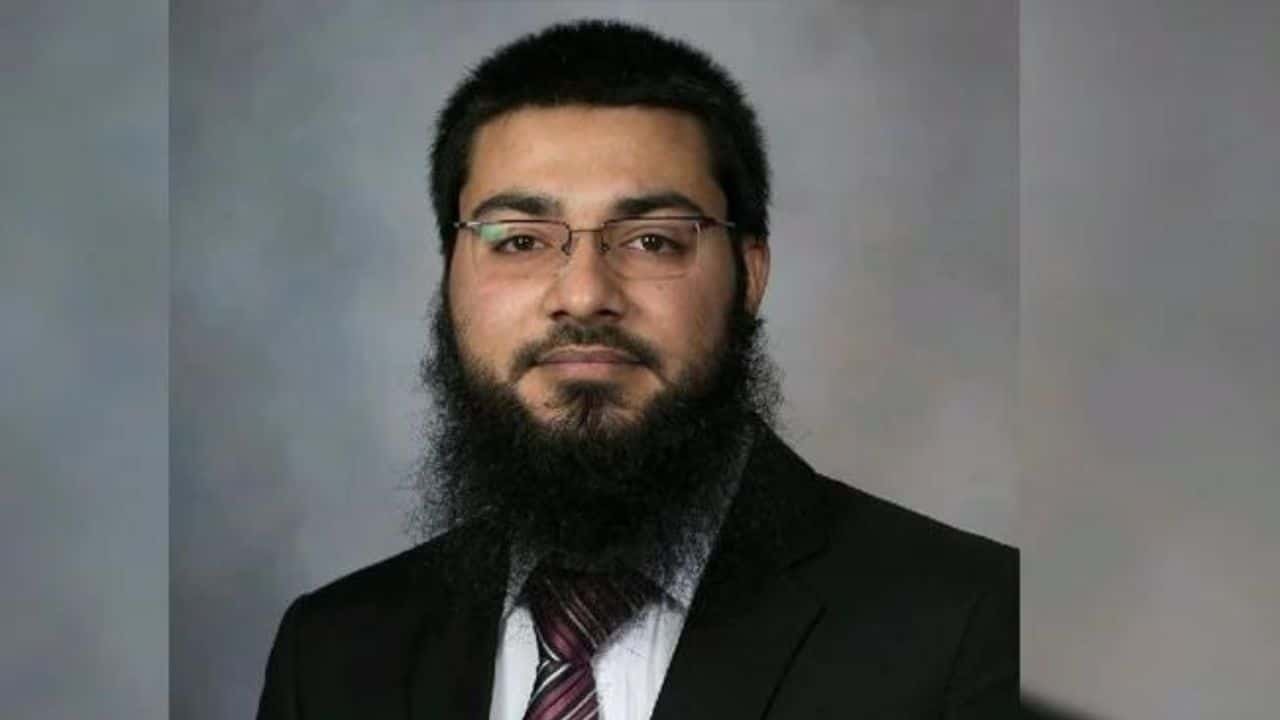
    Muhammad Masood, a 31-year-old licensed Pakistani doctor living in the United States on a work visa, has been sentenced to 18 years in jail for attempting to provide material support to terrorist organisation ISIS, according to court documents.

    “A Rochester man was sentenced today to 216 months in prison, equivalent to 18 years, followed by five years of supervised release for attempting to provide material support to a foreign terrorist organization,” a press release issued by the US Department of Justice stated.

    The court documents revealed that Masood was previously employed as a research coordinator at a medical clinic in Rochester, Minnesota, under an H-1B visa.

    As per the official statement, Masood’s activity from January 2020 to March 2020 depicted his attempts to become a part of the militant outfit and provide material support in carrying out terrorist acts in the US.

    “Between January 2020 and March 2020, Masood used an encrypted messaging application to facilitate his travel overseas to join a terrorist organization,” the statement added.

    It further stated that the Pakistani man made multiple statements about his desire to join ISIS and also pledged his allegiance to the designated terrorist organisation and its leader.

    “Masood also expressed his desire to conduct ‘lone wolf’ terrorist attacks in the United States.”

    On February 21, 2020, he bought a plane ticket from Chicago, Illinois, to Amman, Jordan, with plans to travel to Syria from there.
    However, his travel plans changed on March 16, 2020, as the borders were closed by Jordan under coronavirus travel restrictions.

    He then decided to fly from Minneapolis to Los Angeles, where he would meet a person who he believed would help him with travel via a cargo ship to deliver him to the territory claimed by ISIS.

    On March 19, 2020, Masood traveled from Rochester to Minneapolis-St. Paul International Airport (MSP) to board a flight bound for Los Angeles, California.

    However, he was eventually arrested by the Federal Bureau of Investigation’s Joint Terrorism Task Force (JTTF) upon arrival at the airport.

    Masood pleaded guilty last year on August 16 to attempting to provide material support to Daesh.
    Senior Judge Paul A. Magnuson sentenced him to 18 years in prison on Friday, after the completion of investigations by the FBI’s JTTF.